New Hampshire gardens come in more than one style. Some frame a historic house or an artist's studio; others fill a waterfront park with annual color or preserve the planting traditions of an old neighborhood. These five places make a good starting point for a garden-focused day trip, with room to add art, architecture and local history along the way.
Most are seasonal destinations, and winter visits may offer grounds without open buildings or active garden displays. Check each operator's current hours, admission and accessibility details before leaving. A good garden day is easier to enjoy when you have allowed enough time to wander rather than trying to cover the whole state at once.
1. The John Hay Estate at The Fells, Newbury
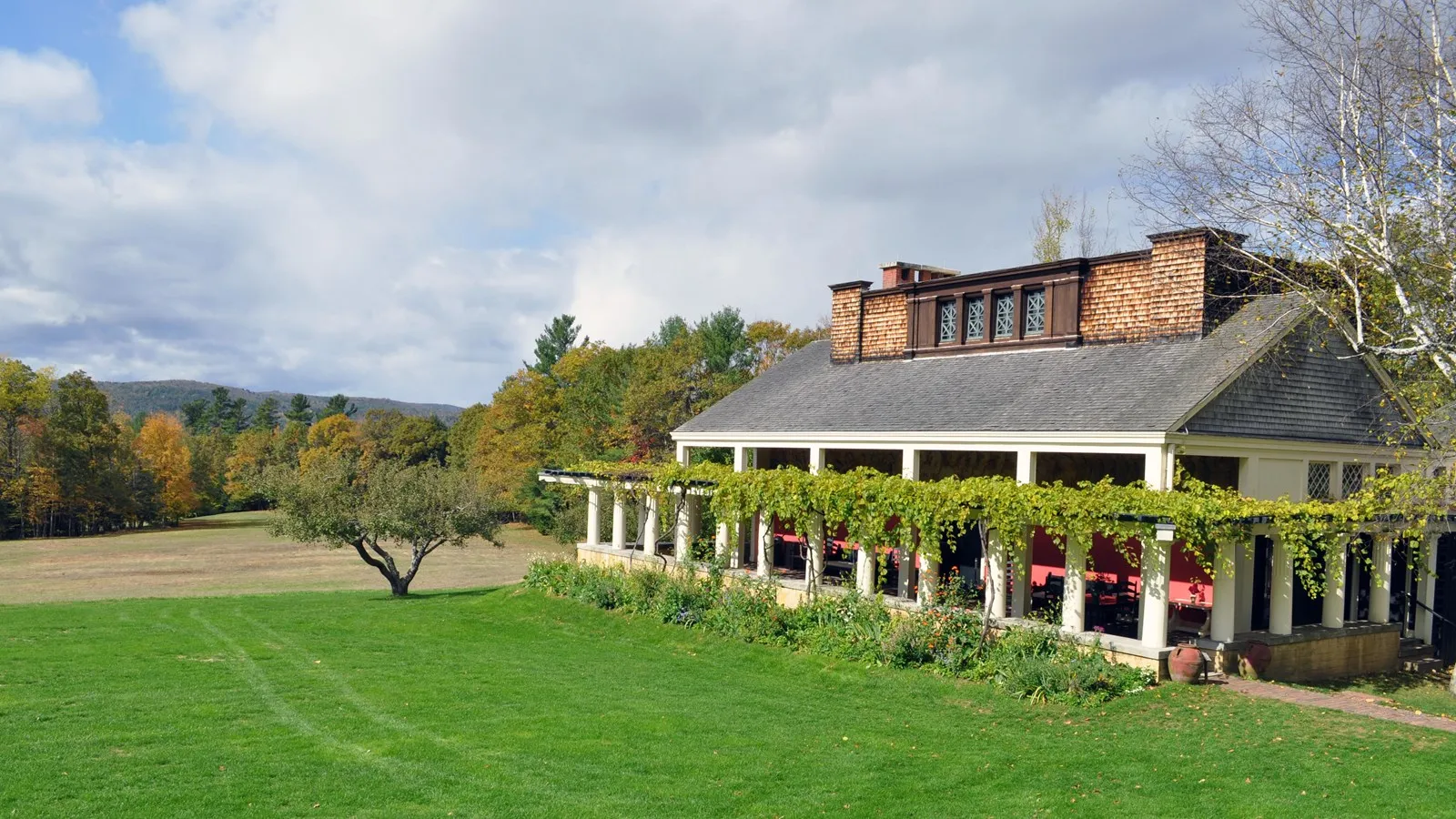
At The Fells on Lake Sunapee, formal and informal gardens surround the former summer estate of statesman John Hay. His son Clarence and daughter-in-law Alice developed much of the landscape, drawing inspiration from travels in Italy and France. Stone terraces, garden rooms and woodland edges make the property especially rewarding for visitors interested in the relationship between architecture and plants.
Walk the grounds slowly and ask for a map: the estate describes spaces including a rose terrace and perennial border. The historic main house has a seasonal schedule, and admission applies. The Fells lists the gardens and trails as open dawn to dusk, but weather can make paths slippery; confirm current conditions and fees before you go. The nearby John Hay National Wildlife Refuge offers another perspective on this lakeside landscape.
2. Saint-Gaudens National Historical Park, Cornish
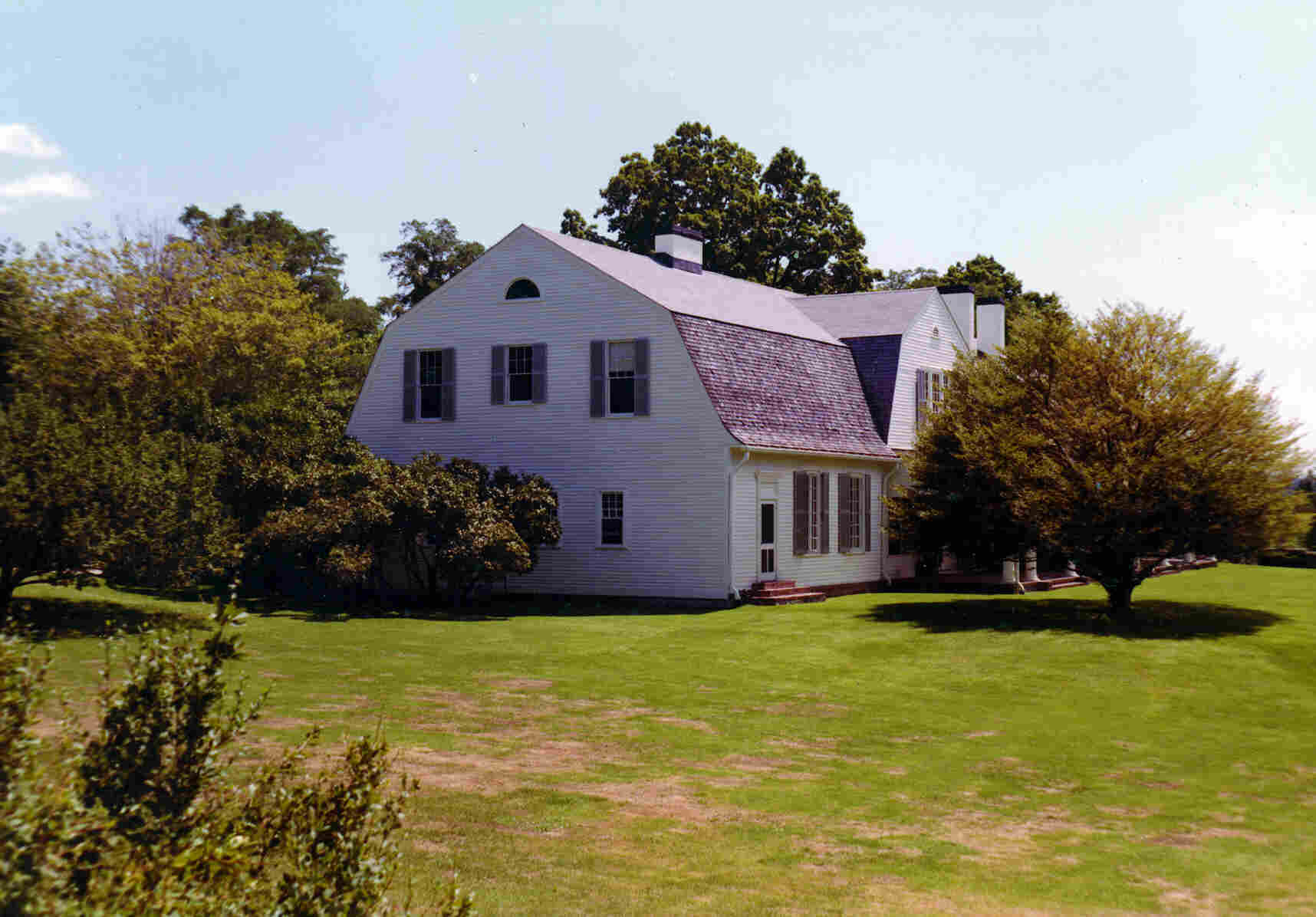
At the home and studios of sculptor Augustus Saint-Gaudens, gardens and sculpture share a landscape overlooking the Connecticut River valley. The formal gardens, lawns and views toward Vermont's Mount Ascutney offer a setting for art that changes with the light and season. Give yourself time to look at the outdoor works before stepping into the galleries or studio when they are open.
The National Park Service says the grounds are open during daylight hours year-round. Buildings have a seasonal schedule and are closed during winter; trails and walkways may be icy or unmaintained. Check fees and house access before visiting. The garden is part of a larger historic estate, so leave room in your day for the stories behind the landscape as well as the flowers.
3. Prescott Park, Portsmouth
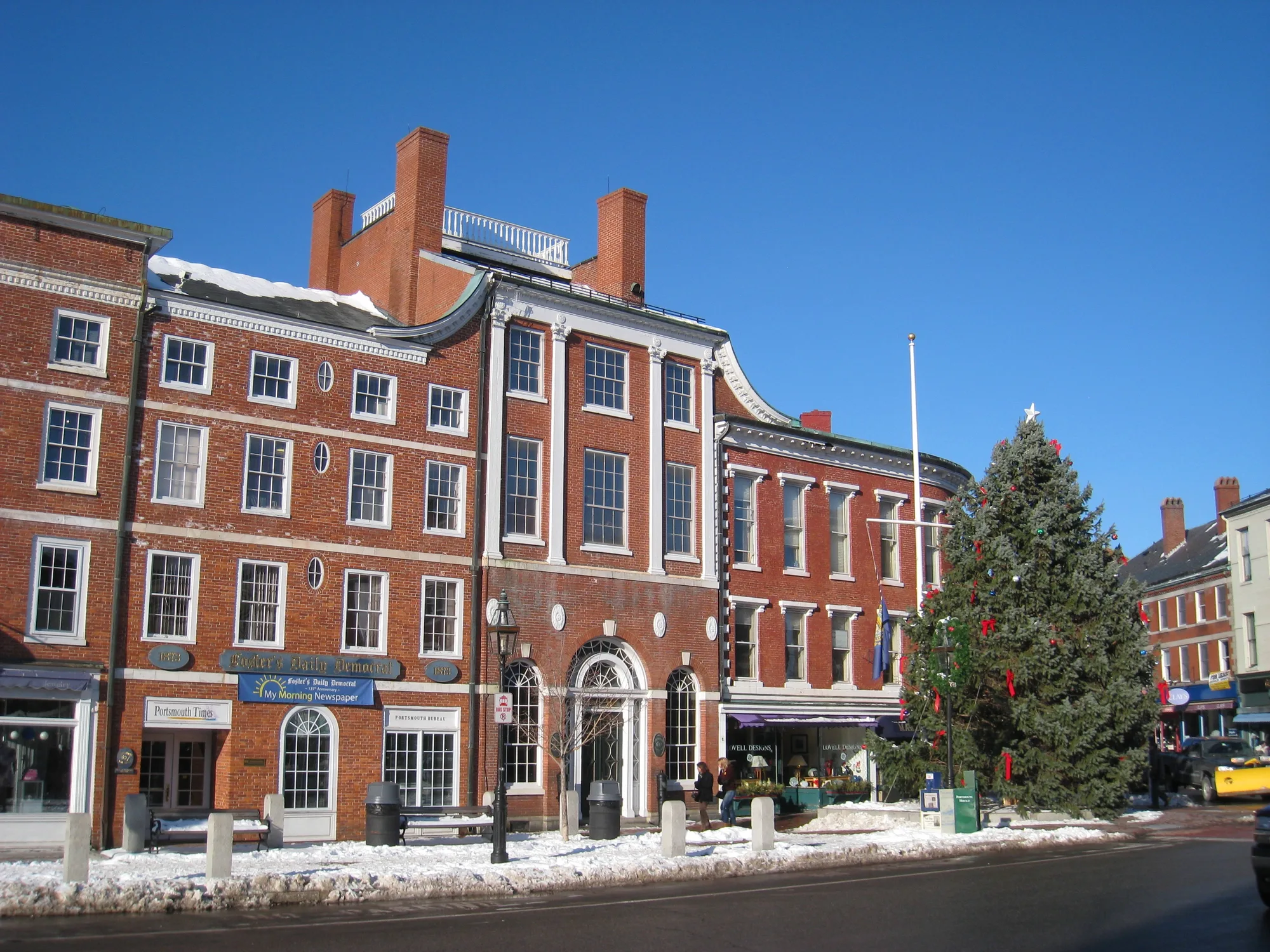
Prescott Park brings formal planting beds to Portsmouth's Piscataqua River waterfront. The city describes a variety of garden spaces, including the South Lawn beds, formal plantings around the anchor and sculpture, and shaded areas along Mechanic Street. The result is a walk that can be combined easily with the surrounding historic district.
The Prescott sisters purchased waterfront land in the 1930s and left it for public enjoyment. Today city gardeners plan and care for the beds, which offer ideas for color, height and plant combinations. Seasonal garden tours may be offered; check the city schedule before making a special trip. Come with a camera, but leave the beds and flowers undisturbed for everyone to enjoy.
4. Strawbery Banke Museum, Portsmouth
Across from Prescott Park, Strawbery Banke's gardens help tell the story of the Puddle Dock neighborhood. The museum says its landscape includes more than ten gardens reflecting period designs and heirloom flowers and vegetables. Instead of a single show garden, the planting areas connect to houses and to the people who lived and worked in this part of Portsmouth.
The museum's interpretation also includes the histories of Indigenous peoples connected to the place, past and present, alongside later residents. Regular self-guided admission is seasonal. The museum says its regular 2026 season has ended and is scheduled to resume May 1, 2027, with other tours and programs offered during the off-season. Verify the current calendar and reserve ahead where recommended; a ticketed museum visit is different from walking through the neighboring public park.
5. Bedrock Gardens, Lee
Bedrock Gardens pairs horticulture with art and designed outdoor spaces in Lee. It is a useful choice for visitors who want to look at a garden as a creative composition: notice how the paths guide your attention, how materials work alongside plants, and how one part of the property leads into another.
The garden has a seasonal calendar. Its 2026 visitor information lists October 11 as the last open day, so consult the current year's schedule before setting out. Ask about accessibility, tours and any restrictions on pets or photography directly through the garden's visitor information. Plan enough time to experience the grounds without assuming every path has the same surface or grade.
Make the most of a garden day
Pick two nearby places instead of trying to visit all five at once. Portsmouth's Prescott Park and Strawbery Banke make a natural pairing; the Cornish and Newbury properties are better approached as separate outings unless you have time for a longer drive. Bloom times and tour schedules change with weather and staffing, so check official updates shortly before your trip.
Comfortable shoes, water and a light layer make wandering more pleasant. If you want a quieter experience, arrive early when possible, and always follow instructions around fragile plantings, historic structures and restoration work. Each of these gardens tells a different story about how people have shaped and cared for a New Hampshire landscape.