Just beyond the roads and businesses of New Hampshire's Seacoast, Great Bay National Wildlife Refuge protects a quieter landscape of forest, wetlands and shoreline. It is a place for watching rather than rushing: a beaver pond may look still until ripples spread across the water, while a patient look over the bay can reveal birds moving between land and water.
The refuge is in Newington on the eastern side of Great Bay. Its trails make an approachable outing near Portsmouth, but access can change with maintenance and wildlife management. Check the U.S. Fish and Wildlife Service's current alerts before leaving and follow signs at the site.
1. Find the correct entrance
Start by setting your route for the refuge's visitor entrance at 3 Arboretum Drive in Newington. The Fish and Wildlife Service recommends approaching from the traffic circle off Route 16 at the Woodbury Avenue exit, or using Arboretum Drive. A navigation system may suggest Nimble Hill Road through Newington, but the agency says a closed gate blocks that approach. There is no refuge entrance from the western side of Great Bay.
These details matter because the refuge lies within a landscape shaped by the former Pease Air Force Base. Do not assume a nearby road or gate leads to the public trailhead. Check the official directions, arrive during daylight and use the designated parking area.
2. Understand the refuge's military past
Great Bay National Wildlife Refuge was established in 1992 on land that had been part of the former air force base. The change in use has protected more than a thousand acres for wildlife along the bay, including shoreline, wetlands, fields and woods. The history gives this visit a distinctive sense of place: conservation here is part of a longer story about how people have used and cared for the land.
Begin with the information kiosk if it is available. A map helps explain which routes are open to visitors and where public access ends. Stay within marked areas; a wildlife refuge is managed first for habitat, and not every part of it is intended for independent exploration.
3. Walk the William Furber Ferry Way
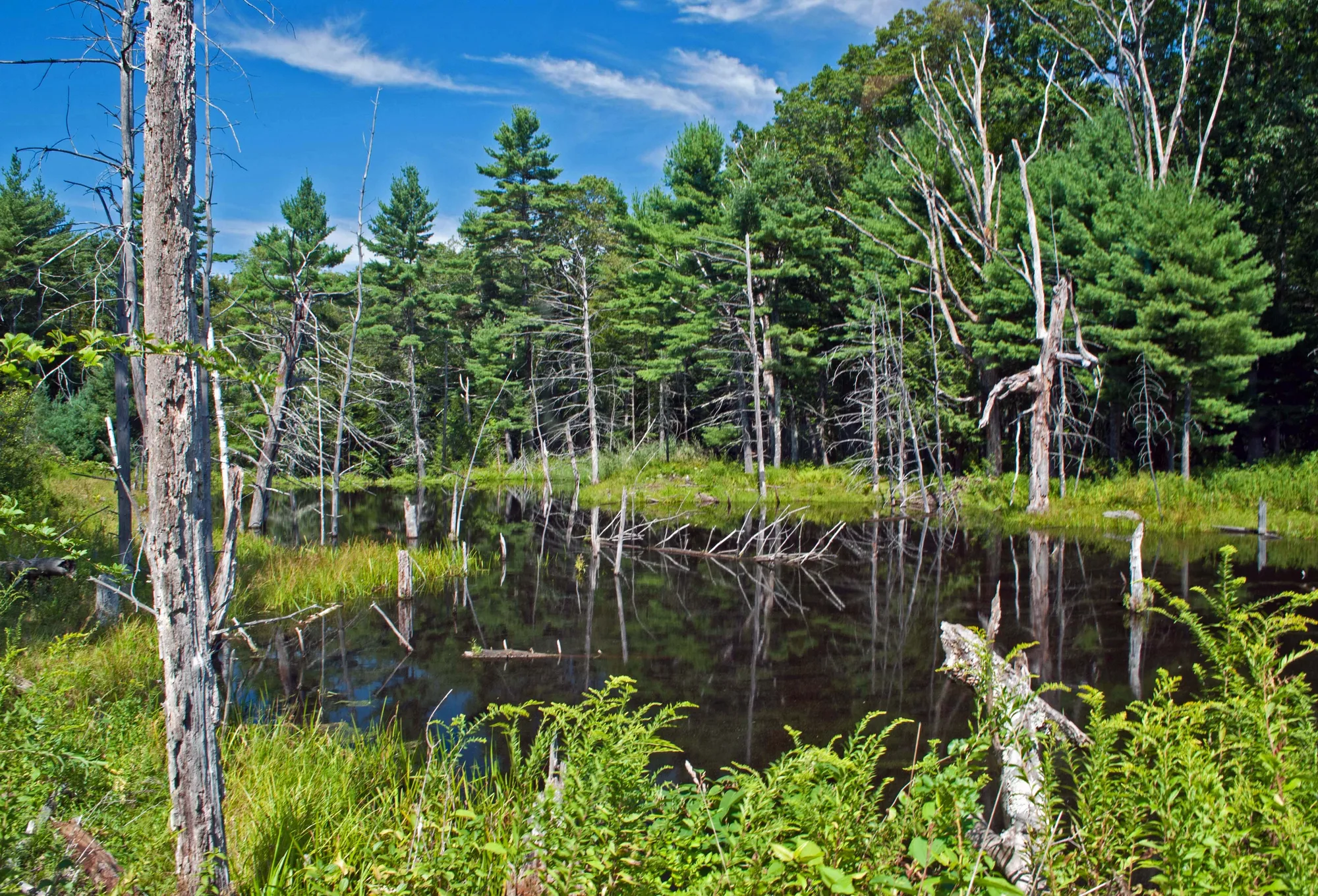
The refuge fact sheet describes the William Furber Ferry Way as an approximately two-mile loop through a mix of habitats. Its route passes near a beaver pond, field, old orchard and woodland, offering plenty of reasons to stop and look rather than treat the walk as an exercise deadline. Check the trail map and current conditions before choosing the loop, particularly after rain or snow.
Wear shoes suited to uneven ground and carry water. A quiet pace improves your chances of noticing movement in the brush or hearing birds overhead. Binoculars can be useful, but the point is not to collect sightings: even the transition from forest shade to open field is part of the experience.
4. Check the Peverly Pond boardwalk's status
The Upper Peverly Pond Trail is described by the refuge as a roughly half-mile boardwalk loop with a wildlife observation blind. It is a different outing from the longer Furber Ferry Way: the boardwalk passes through woods and near seasonal pools toward the pond. The refuge fact sheet describes the trail as wheelchair accessible, but visitors with specific access needs should confirm its present condition directly.
Current access: The refuge has announced a temporary Peverly Pond Trail maintenance closure from October 13 through November 20. The alert does not state the year, so check the refuge's current notice and posted signs before relying on those dates or planning a visit. Never enter a closed work area, even if a trail appears quiet.
5. Watch the water and the woods
Great Bay's mix of fresh and tidal habitats supports a wide variety of wildlife. The refuge identifies bald eagles among its winter visitors and also describes habitat for songbirds, waterfowl, turtles and other animals. Sightings are never guaranteed. Bring binoculars, scan patiently and give wildlife enough distance to continue feeding, resting or moving naturally.
Look for signs as well as animals: tracks in soft ground, the shape of a beaver-altered pond, or a bird call from the canopy can be as interesting as a close view. Avoid approaching nests or leaving the trail for a photograph. A longer lens and a little patience are better tools than getting too close.
6. Let the seasons shape your visit
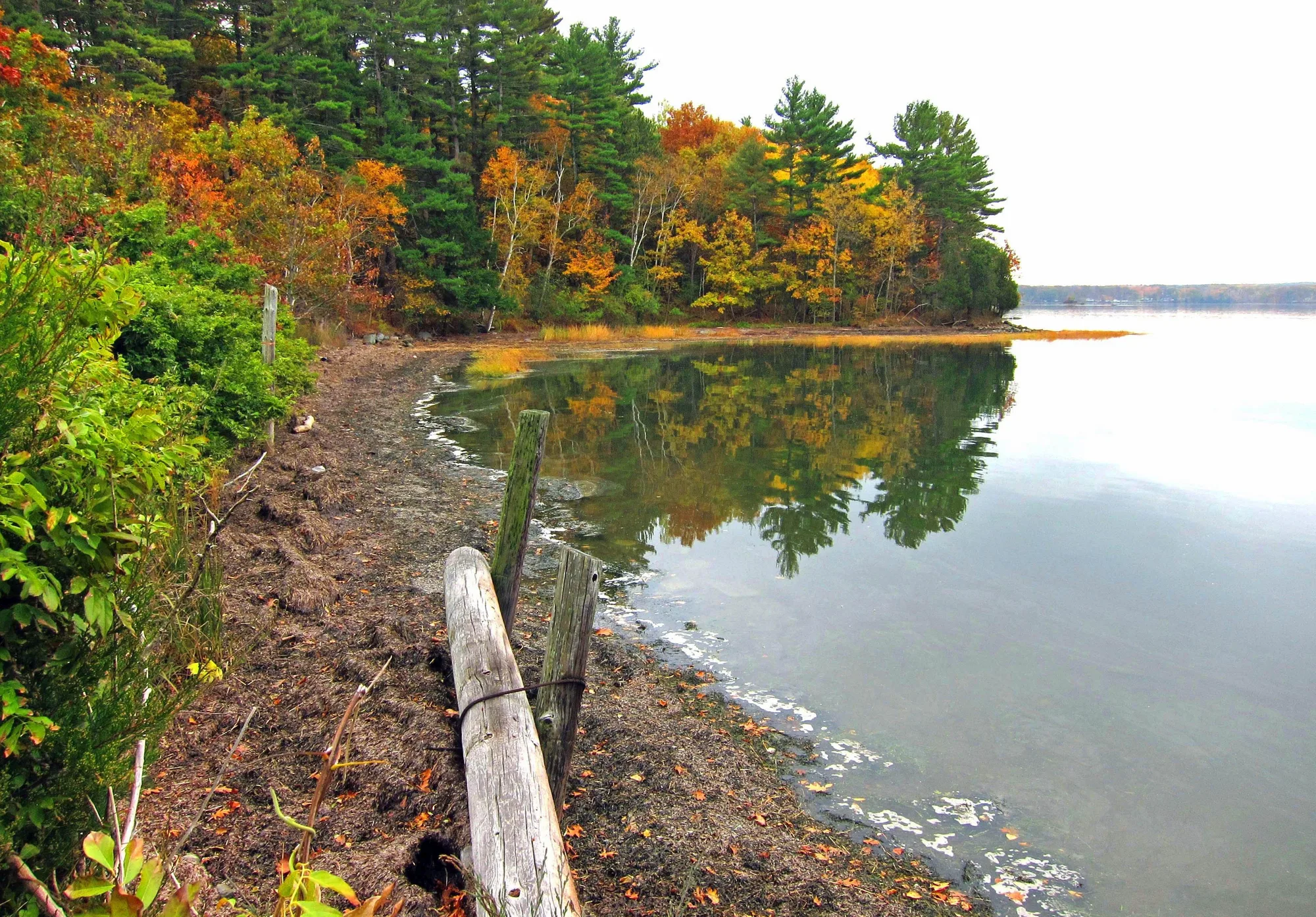
Each season changes what is visible. Spring brings emerging leaves and migratory movement; summer provides dense greenery and long days. Autumn can reveal color along the shoreline, while winter opens views through bare trees and may offer opportunities to watch birds on or near the water. Wildlife responds to weather and water conditions rather than a visitor's calendar, so treat any particular sighting as a possibility, not a promise.
In cold months, check trail surfaces and parking conditions before traveling. The refuge lists snowshoeing and cross-country skiing among activities, but actual conditions and access vary. Dress for wind near the water, and carry out everything you bring in.
7. Share the refuge respectfully
Hunting occurs on the refuge under specific rules and seasons, so consult the official hunting information and current notices before a walk. Wear visible clothing where appropriate and follow posted restrictions. Refuge policies govern pets, bicycles and other activities; check the current rules before bringing equipment or an animal rather than assuming that every trail allows the same uses.
Allow at least a couple of unhurried hours if you plan to walk, read the signs and watch for wildlife. A brief visit can still be rewarding, but Great Bay is especially good for people willing to pause at the edge of a field or pond. Its appeal is in the contrast: a protected stretch of habitat, close to a busy region, where the smallest movement can become the day's highlight.