On the eastern shore of Lake Sunapee, the John Hay Estate at The Fells brings together a historic summer home, gardens and woodland paths. Next door, John Hay National Wildlife Refuge protects forest and shoreline. Together they offer an outing that can move from a family's history to the quieter details of a northern New England landscape.
The two properties have different managers and rules. The nonprofit Fells manages the estate and its buildings; the U.S. Fish and Wildlife Service manages the adjacent refuge. Check both organizations' current information before visiting, especially in the colder months when house tours are seasonal and trail conditions can change.
1. Begin with the Hay family's story
John Hay served as a secretary to Abraham Lincoln and later as U.S. ambassador to Great Britain and secretary of state. The estate became a summer retreat for the family, and subsequent generations shaped its gardens and grounds. An outing here can connect national history to the more personal details of a family's life by the lake.
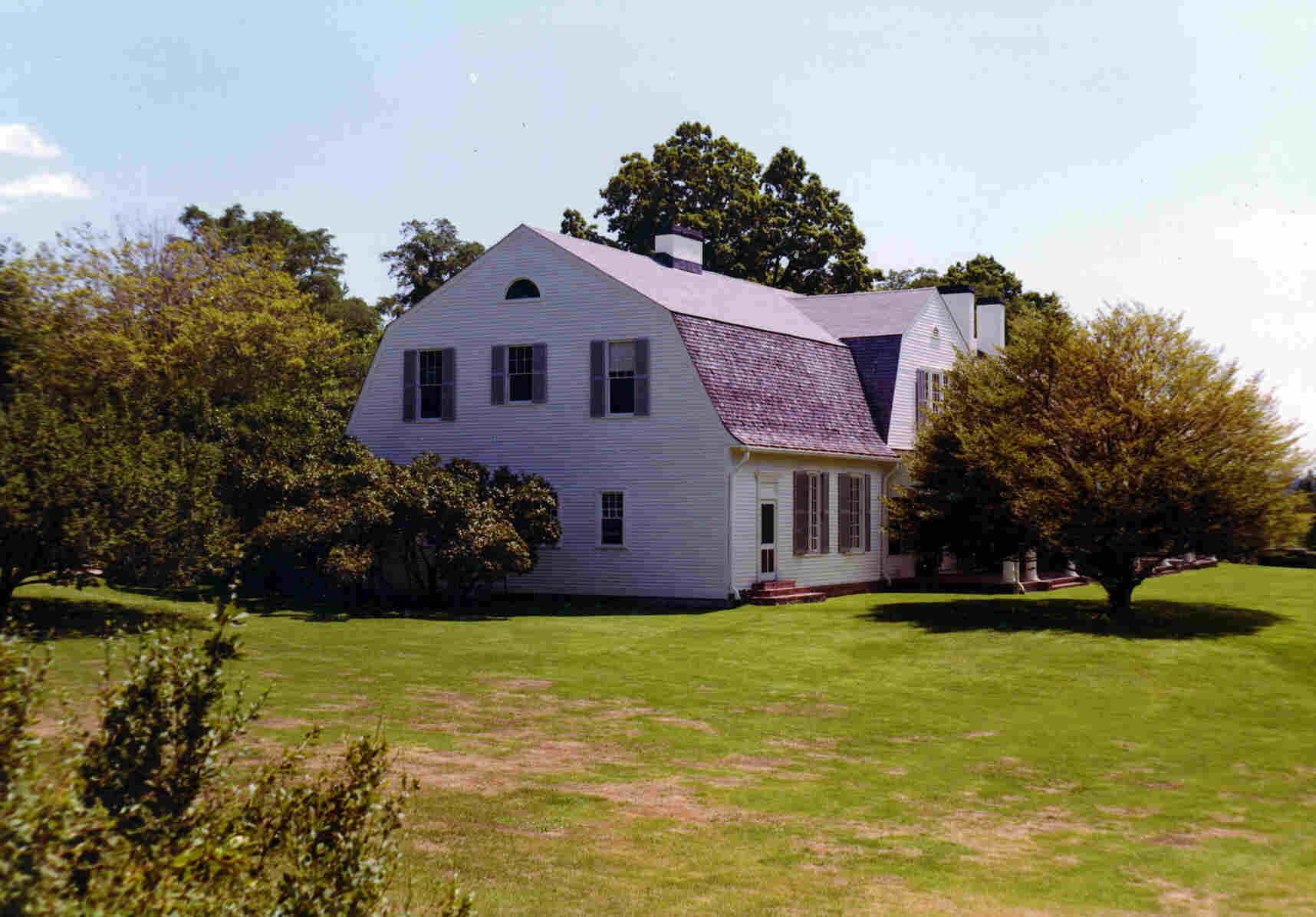
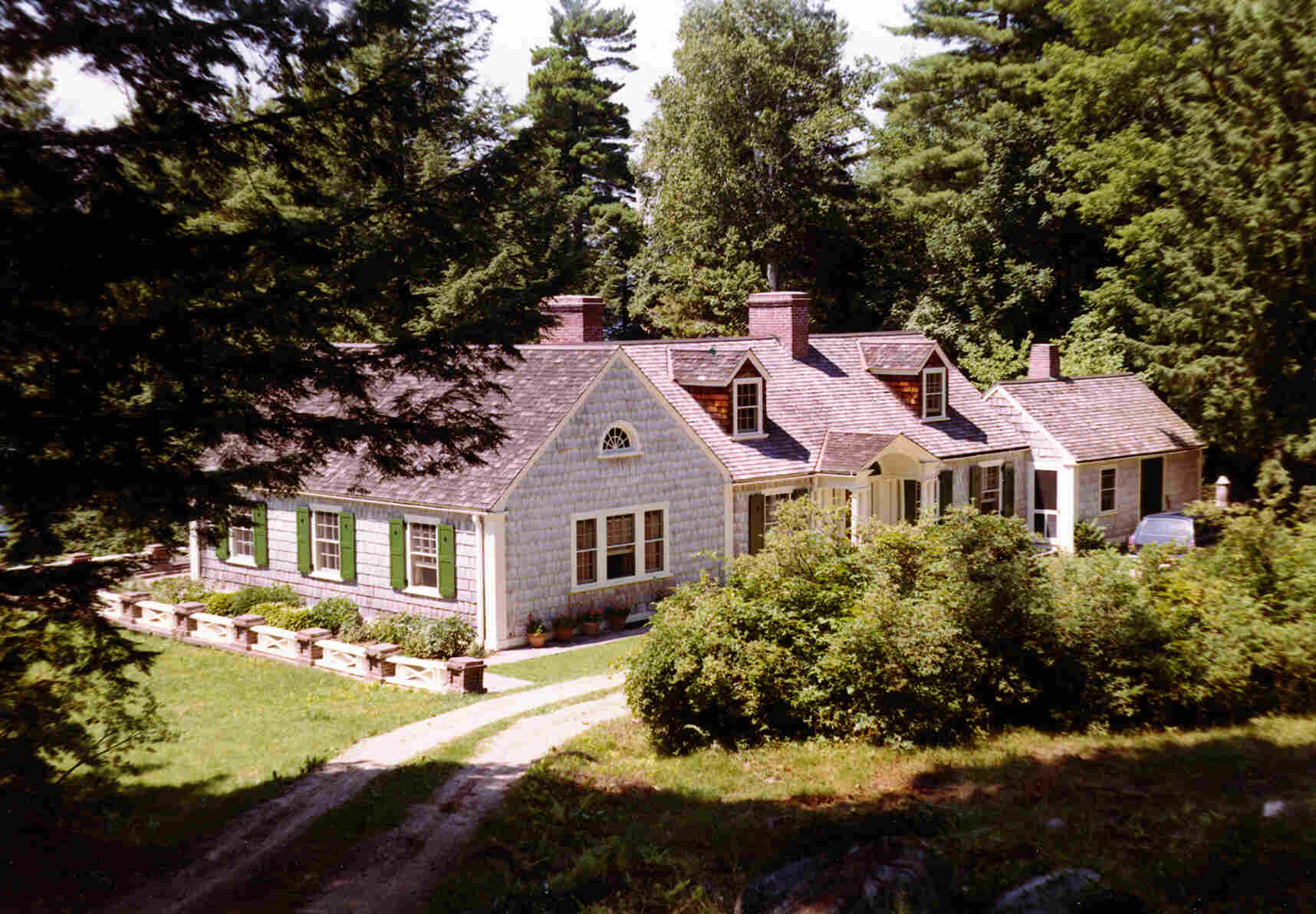
The main house is open seasonally, with days and hours changing through the year. The Fells says its 2026 house season ended after October 12; check the current schedule before planning a tour. Even when the interior is unavailable, a walk through the grounds can offer a sense of the property's setting. The historic photograph below was made when the property was managed by the Fish and Wildlife Service.
2. Explore the gardens at your own pace
Clarence Hay, John's son, and his wife Alice Appleton Hay developed the estate's formal and informal gardens. The Fells describes their designs as influenced in part by travels in Italy and France, with stonework, terraces and planted spaces that reflect early twentieth-century garden styles.
Give yourself time to look at how the gardens relate to the house and slope toward the lake. In the growing season, the plants provide color and texture; in colder months, the structure of walls and paths becomes easier to notice. Stay on marked routes and leave flowers and plants in place. Garden tours may be offered in season, so check the estate's schedule if a guided visit is important to you.
3. Look for the smaller details
The Fells is the kind of place where a bench, a garden border or a glimpse through the trees can be as memorable as the main house. Bring a camera or a notebook and give yourself permission to stop. Families can look for changes in leaf shape or listen for birds, while garden enthusiasts may enjoy comparing the estate's more formal spaces with its wooded edges.
The estate identifies features including a rose terrace, perennial border and a woodland fairy village. What is open and what is in bloom will depend on the season. Ask for a current map on arrival and remember that paths can be uneven or slippery after rain, snow or ice.
4. Walk the John Hay Ecology Trail
The Fish and Wildlife Service describes an interpretive trail of approximately nine-tenths of a mile honoring John Hay's grandson, also named John Hay, a New England naturalist. The path provides a way to appreciate the woods and shoreline as habitat rather than simply as the background to an old estate.
Pick up the current trail map and confirm the route and conditions before setting out. Walking slowly makes room to notice different trees, the forest floor and changes in light near the water. Carry drinking water, wear shoes with good traction and give wildlife space. If the weather turns or the trail is beyond your group's comfort level, a shorter visit to the gardens can still be worthwhile.
5. Understand the conservation partnership
The federal refuge was established in 1987 after Alice Hay transferred the former summer estate for wildlife conservation and public use. In 2008, the Fish and Wildlife Service transferred 84 acres, including the buildings, to The Fells. The remaining refuge and the adjoining estate together protect a substantial undeveloped stretch of Lake Sunapee shoreline.
This shared story is useful when planning a visit: the gardens, historic structures and refuge are related but not interchangeable. Admission and visitor services for the estate are set by The Fells. Consult the refuge for trail rules and access details, and respect any posted property boundaries or closures.
6. Plan for the season and the ground beneath your feet
The Fells is at 456 Route 103A in Newbury. Its operator says gardens and trails are accessible from dawn to dusk, while the main house operates on a seasonal schedule. Admission is charged for estate visits, with different arrangements in winter; check current fees and payment instructions rather than relying on an old price list.
Allow a few hours if you want to visit the house when open, explore the gardens and take a trail walk. In winter, be prepared for cold, snow and ice, and verify whether facilities are available. Ask the estate about accessibility or mobility needs before arrival, as a historic landscape can include grades and uneven surfaces.
For an easygoing day near Lake Sunapee, The Fells works best as a place to linger. Its appeal comes from the relationship between the home, the cultivated landscape and the protected woods beyond—not from rushing through a checklist.