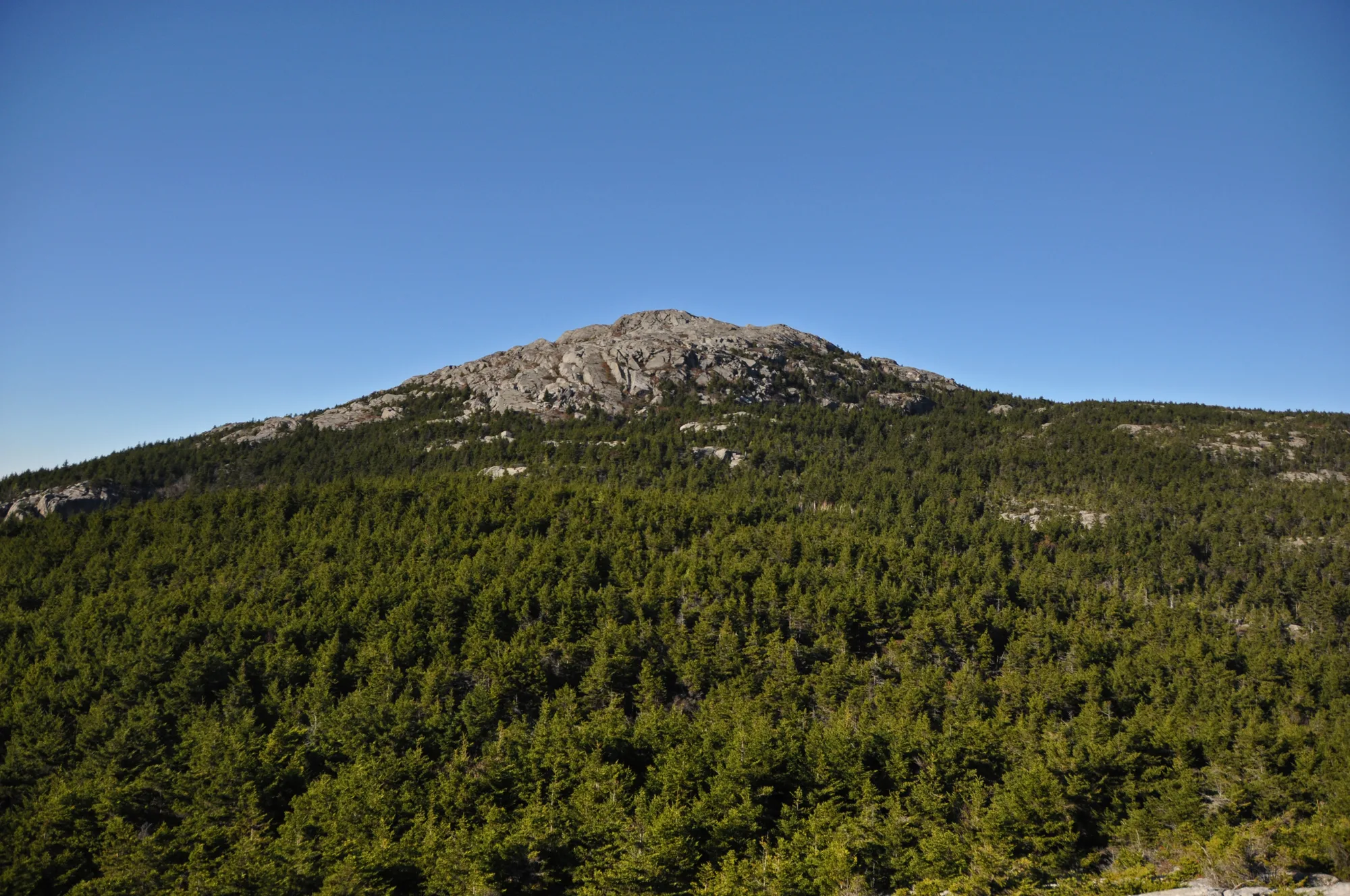
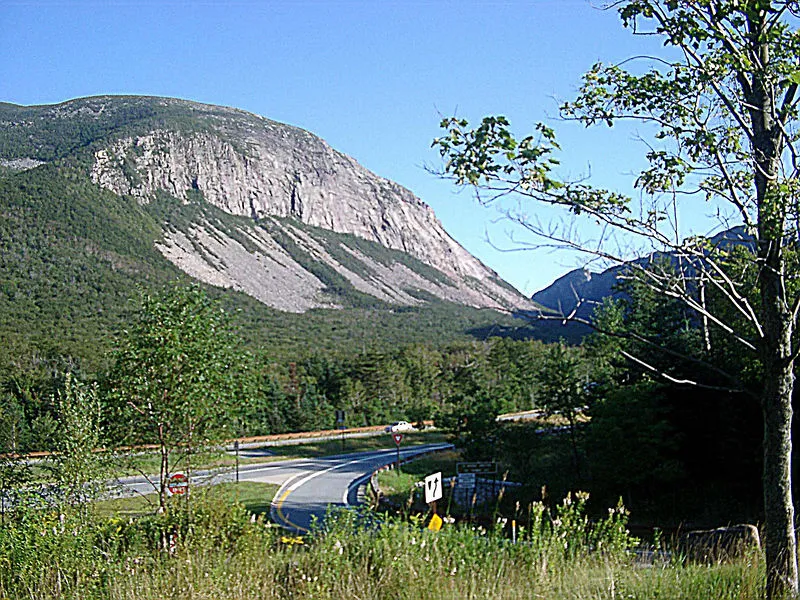
The Kancamagus Highway is one of those roads where the drive is only half the experience. Between Conway and Lincoln, New Hampshire Route 112 winds through the White Mountain National Forest past riverbanks, covered bridges, waterfalls and mountain overlooks. Give the road a few hours and the scenery becomes a series of small discoveries rather than a blur through the windshield.
The Forest Service describes the Kancamagus Scenic Byway as a 34-mile stretch of Route 112. You can drive it in either direction; this guide begins near Conway and heads west. Facilities and individual sites may be seasonal, parking can fill quickly, and mountain weather changes fast. Check current Forest Service alerts and road conditions before leaving.
1. Cross the Albany Covered Bridge
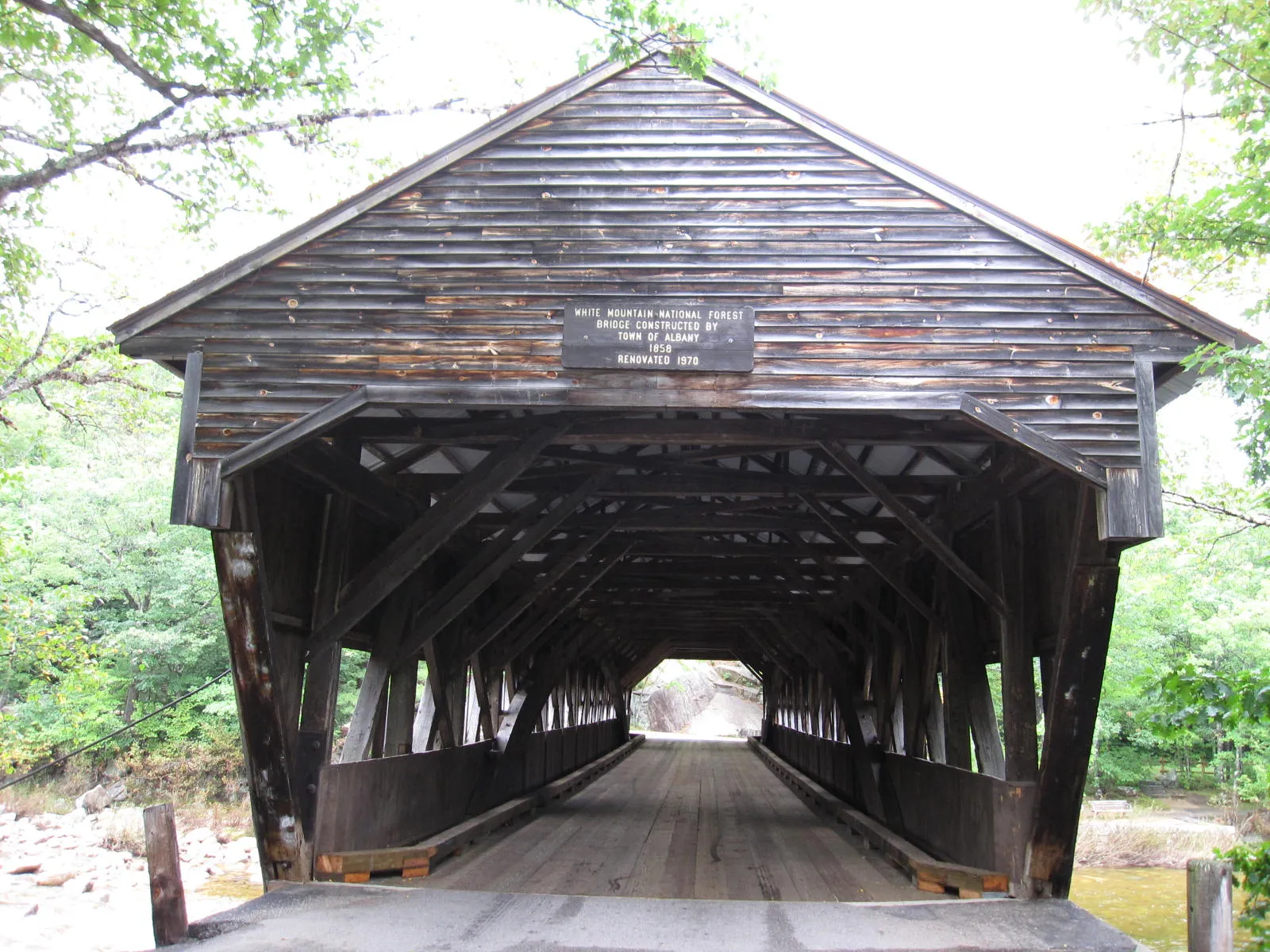
Near the eastern end of the drive, Albany Covered Bridge offers a first pause along the Swift River. The timber structure dates to 1858, and its protected trusses show why covered bridges remain such compelling pieces of New Hampshire's road history. Park in a designated space and take time to notice the bridge and the river rather than stopping in the travel lane for a photograph.
The bridge is part of an active recreation area, so expect other pedestrians and vehicles. Check posted clearance, weight and access restrictions before driving through. The state describes an accessible fishing site nearby; visitors needing a particular route or facility should confirm current conditions with the Forest Service.
2. Pause at Rocky Gorge
Farther west, the Swift River narrows through a rocky gorge. A pedestrian bridge offers a view of the moving water, while a path beyond it leads toward Falls Pond. This is a good place to notice the contrast between fast water in the gorge and the quieter pond setting.
Keep children close and stay on established paths and viewing areas. Rocks near moving water can be dangerously slippery, and water levels change with rain. Do not enter the gorge to swim or climb around the falls. Even a short stop deserves suitable footwear and an eye on the weather.
3. Take your time at Sabbaday Falls
Sabbaday Falls is another reason to leave the car behind for a while. A trail leads from the parking area toward a series of cascades and viewing points. Water has cut through rock here to form a striking sequence of drops and pools, and the sound of the falls is often part of the experience before the water comes into view.
Expect uneven ground and steps near viewpoints, and check the current route and accessibility information if anyone in your group needs a particular surface or grade. Stay behind barriers and away from the edges. Wet rock and swift currents are not forgiving, even when the waterfall looks modest from a distance.
4. Stop at a mountain overlook
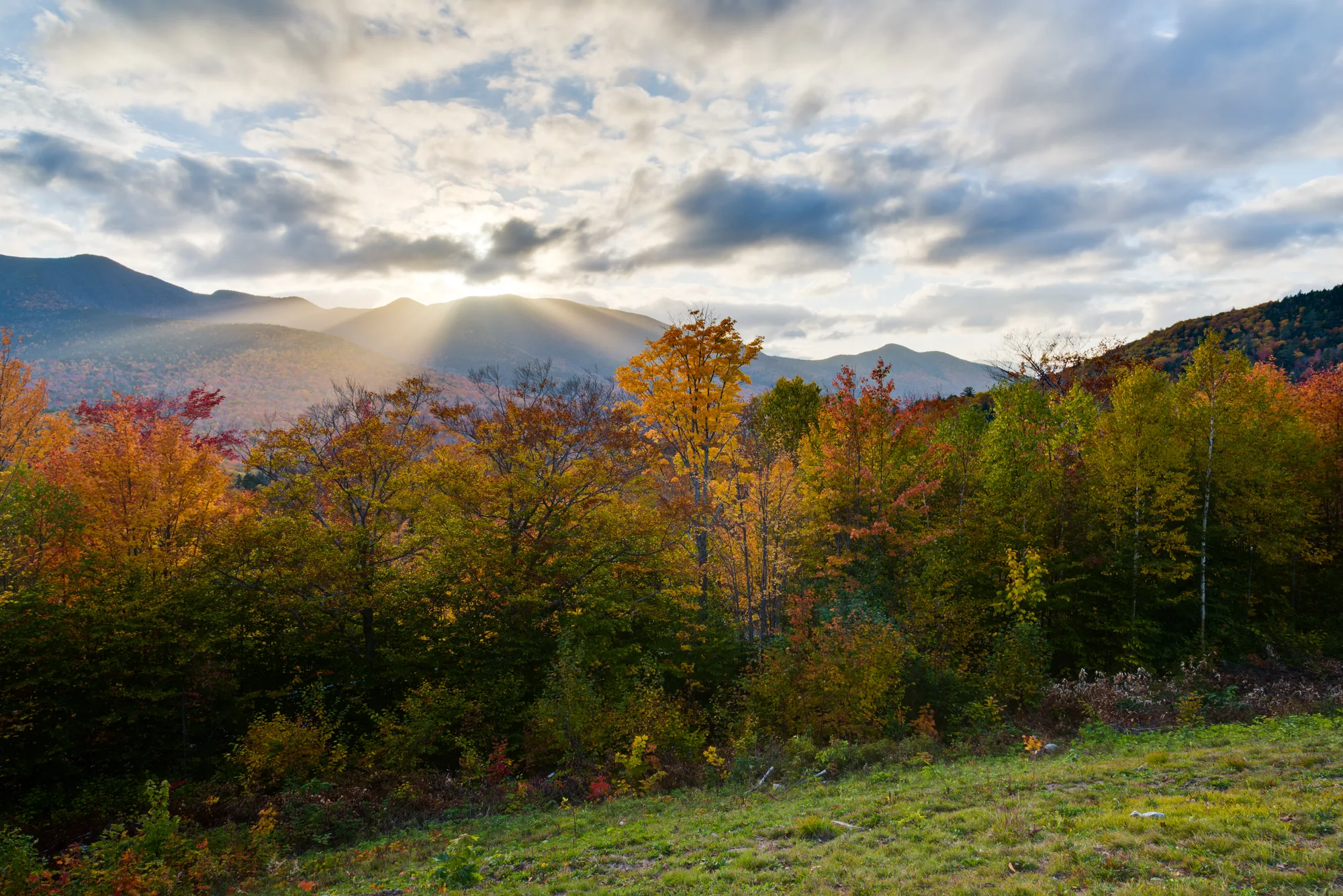
As the highway climbs toward its pass, signed overlooks open views across layers of forest and mountains. Hancock Overlook is one such place to pause. Autumn color attracts many visitors, but summer's deep greens, spring's emerging leaves and a clear winter day each offer a different view.
Use a designated turnout and keep the roadway clear. Overlooks can be crowded, especially during foliage season, so be ready to continue to another stop if the lot is full. Bring a layer: a windy overlook can feel much cooler than either end of the drive.
5. Choose a walk that fits the day
The highway provides access to longer hikes as well as roadside viewpoints. One option is the Champney Falls Trail, which starts at a parking area along Route 112. The Forest Service describes a falls loop that branches from the main trail; the route toward Mount Chocorua continues much farther and involves a substantial mountain ascent.
Do not confuse a waterfall outing with an easy summit day. Consult a current map, check trail conditions, carry water, food and layers, and allow time to return before dark. If your group includes inexperienced hikers, choose a route suited to everyone and turn back when weather or footing calls for it.
Before you drive
Fill the tank and bring food and water before entering the forest. Services are concentrated in the towns at either end, and mobile reception may be unreliable. Download a map, pay attention to posted parking-fee requirements at recreation sites, and do not assume restrooms or seasonal facilities are available at every stop.
Winter can transform the experience. Snow, ice and rapidly changing conditions may affect driving, parking areas and trails even when the highway itself is open. Check official road and forest updates, carry appropriate equipment and choose stops conservatively. In every season, leave no trace and take home everything you bring.
A satisfying Kancamagus day does not require every overlook or waterfall. Pick a bridge, a river stop and a mountain view, then leave enough time to enjoy the drive between them.