A country road in Cornish leads to one of New Hampshire's most surprising art destinations: the former home and studios of sculptor Augustus Saint-Gaudens. At Saint-Gaudens National Historical Park, monumental sculpture shares space with gardens, old trees and views across the Connecticut River valley toward Mount Ascutney in Vermont.
This is a place to walk slowly. You can look at a bronze from across the lawn, then move closer to find the details of a face or a uniform. Allow time for the historic grounds as well as the art, and check the National Park Service's current schedule before visiting: buildings and tours operate seasonally.
1. Begin with the story of Aspet
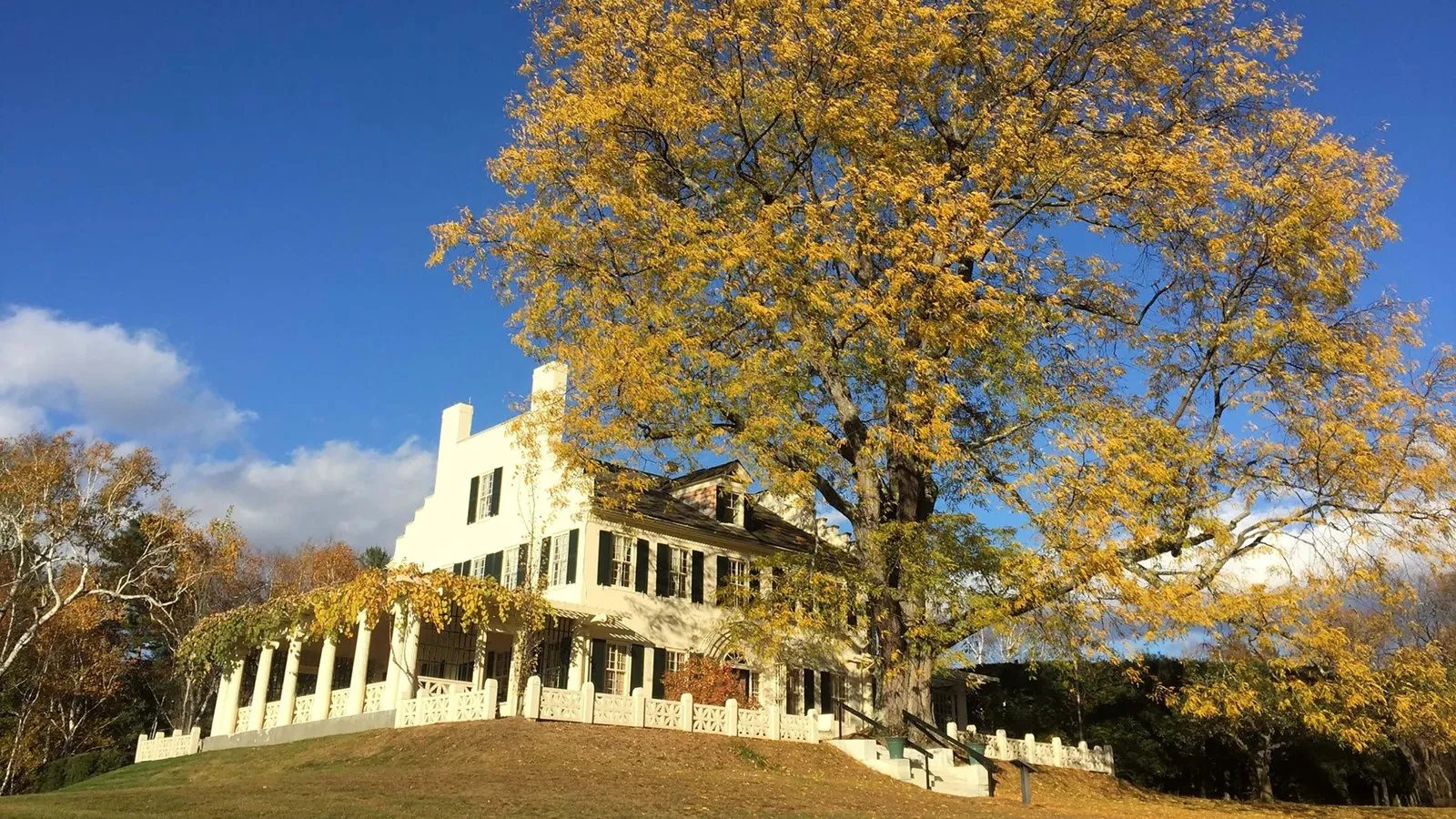
Saint-Gaudens came to Cornish in 1885 seeking a summer place away from New York City. The house he and his wife Augusta made their own became known as Aspet, a name connected to his father's birthplace in France. What began as a seasonal retreat grew into a home and working landscape for a nationally prominent sculptor.
From outside, notice how the house sits within the larger property rather than as an isolated museum object. Its porches and relationship to the lawn reveal how the family lived in this landscape. Interior access is supervised, with availability dependent on staffing and season, so ask at the visitor center whether a tour or open house is offered on your day.
2. Step into the Little Studio when it is open
The Little Studio was the sculptor's private workspace. Before the present building, Saint-Gaudens had adapted a hay barn on the site to work on projects including the Standing Lincoln. Architect George Fletcher Babb designed the studio that replaced it in the early twentieth century.
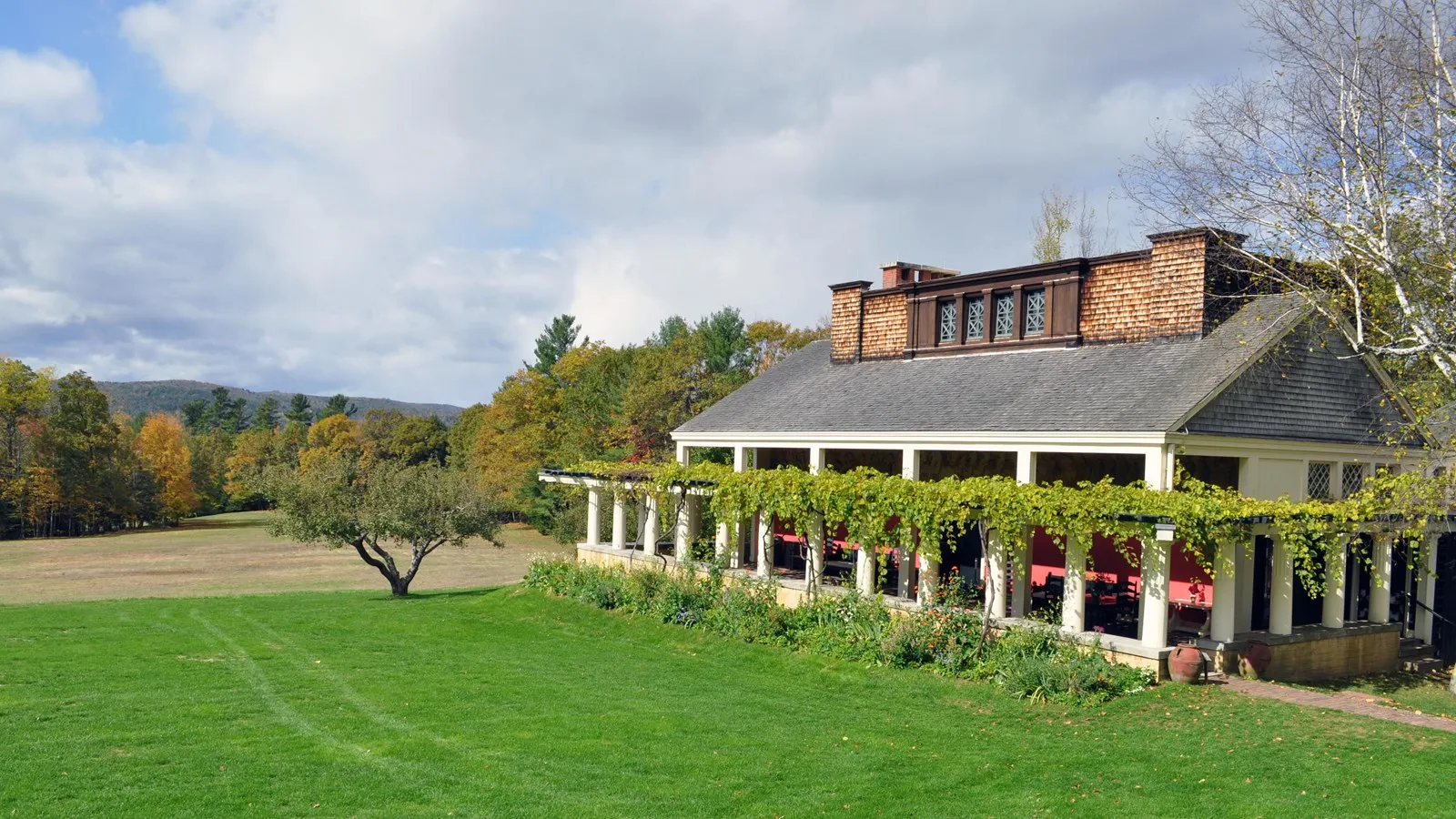
Look for the large windows, the pergola and the classical references that shaped the artist's working environment. The room's value is not simply that it contains art; it suggests how the artist surrounded himself with sources of inspiration. The interior is open seasonally, and the park can confirm access on the day of your visit. If the building is closed, the exterior and grounds still show how closely the studio and landscape were designed to work together.
3. Spend time with the Shaw Memorial
One of the park's most powerful works is a version of Saint-Gaudens's memorial to Colonel Robert Gould Shaw and the 54th Massachusetts Infantry, a Black Union regiment that fought in the Civil War. The figures do not become meaningful simply because the artwork is large. Take time to consider the individual faces, the movement of the soldiers and the story of the men being commemorated.
The memorial also provides an opportunity to talk about whose service was recognized and how public monuments tell history. Park interpretation can help place the work and its subjects in context. Give the viewing area room and time, especially if others are reading or reflecting nearby.
4. Discover Lincoln, Farragut and other outdoor works
Saint-Gaudens created monuments and portrait reliefs that appeared far beyond Cornish. On the park grounds, works associated with Abraham Lincoln and Admiral David Glasgow Farragut show the range of subjects that attracted his attention. Moving between pieces outdoors makes the visit feel different from a conventional gallery: weather, light and distance change the way each work appears.
Try looking first at the silhouette, then at the modeled surfaces. Where does the artist ask your eye to settle? What can you learn from a gesture or a pose? You do not need an art-history background to enjoy these questions, and children can make their own observations while exploring with an adult.
5. Visit the galleries and atrium
The New Gallery and Atrium present another side of the sculptor's work, from portrait reliefs to models and other pieces. The National Park Service describes plaster versions of several major works in the gallery and an open-air atrium that displays portrait reliefs. Together they help explain the process behind the finished monuments seen elsewhere.
Gallery access is seasonal, and the exhibits available on a given day can change. Ask about an orientation, ranger program or sculptor-in-residence demonstration if one is scheduled. A short conversation with a ranger can make the connection between the artist's techniques and the outdoor bronzes much clearer.
6. Walk through the gardens and look toward Mount Ascutney
The formal gardens and open lawns are not just scenery around the collections. They were part of the creative setting of Aspet, where artists, family and visitors spent time together. Paths, hedges, flowers and sculpture shape a series of different views; the mountain across the Connecticut River valley provides a visual anchor beyond the property.
Garden displays change with the season, so a spring visit and an autumn visit can feel quite different. Stay on established paths, leave flowers for the next visitors and ask about accessible routes if needed. The park's grounds are open during daylight hours, but winter walkways may be snowy, icy or unmaintained.
7. Make a practical plan before leaving home
The park lists its buildings as open on scheduled days from Memorial Day weekend through October 31, while grounds and trails remain open during daylight hours. Winter visitors should expect buildings and restrooms to be closed and should check conditions before arriving. Hours, fees, tours and staffing can change, so confirm the current schedule and pass requirements with the National Park Service.
Keep dogs leashed and clean up after them, and remember that historic interiors have their own access rules. Blow-Me-Down Farm is open for special events or staff-supervised tours, not general independent exploration; check the park's current guidance before adding it to your itinerary. With a little planning, a visit to Cornish can combine an art museum, a historic home and a restorative walk in one place.