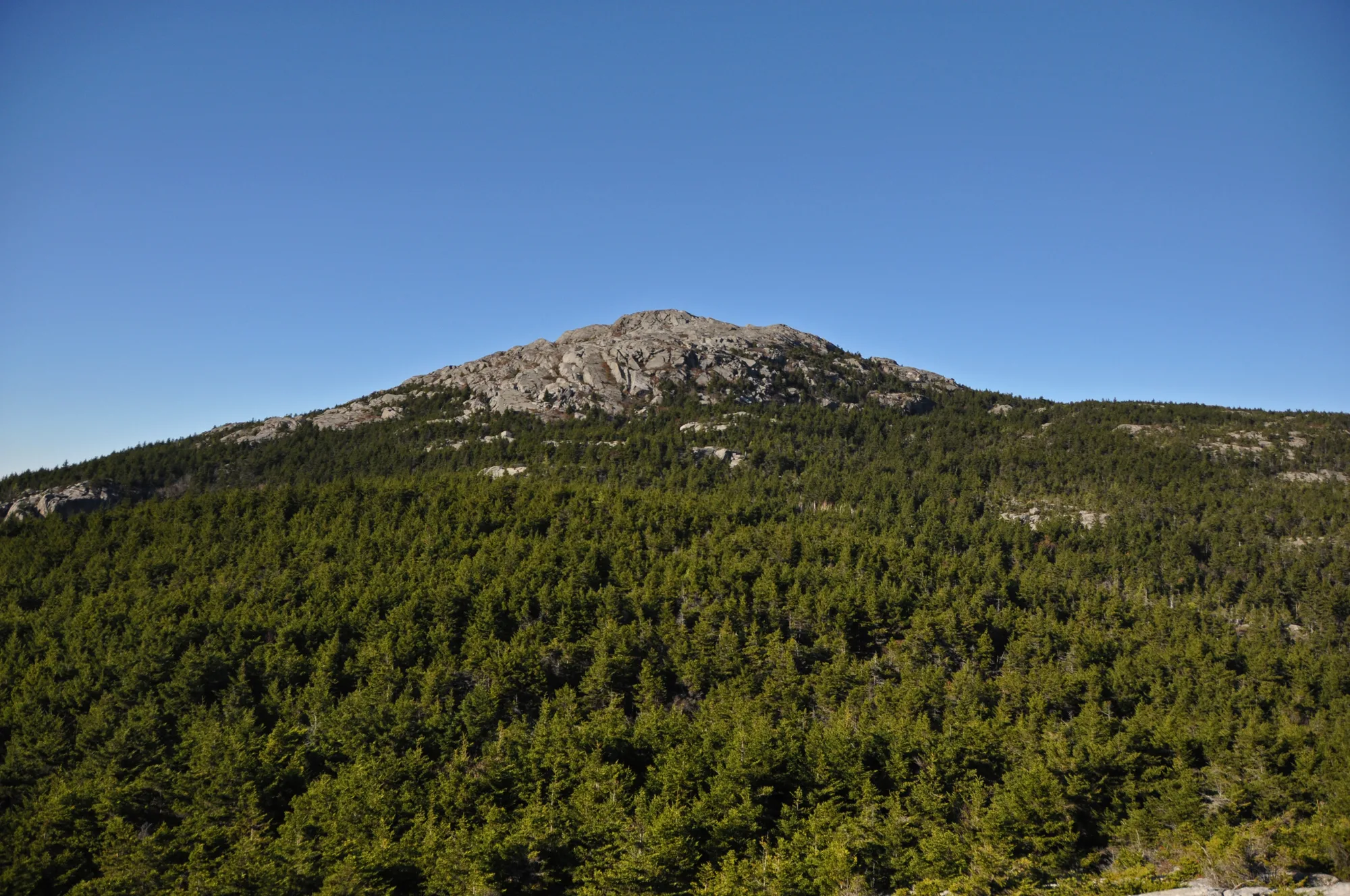
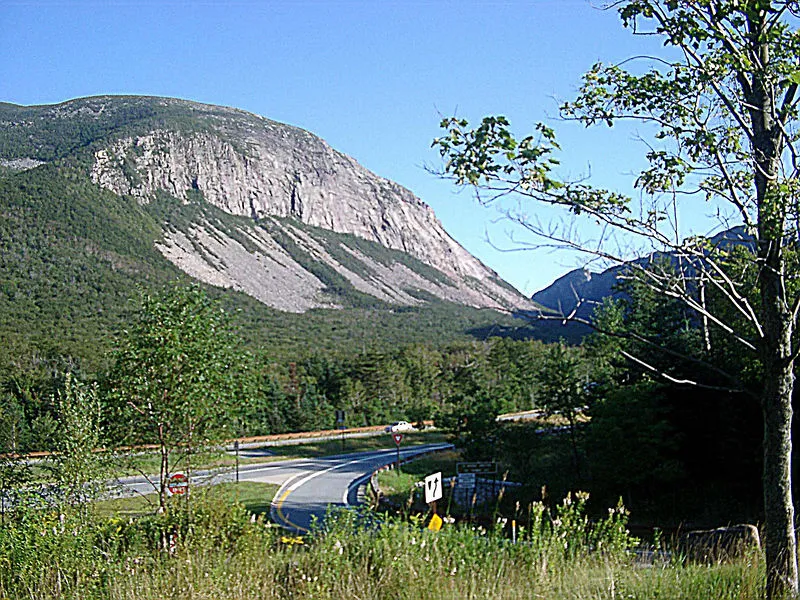
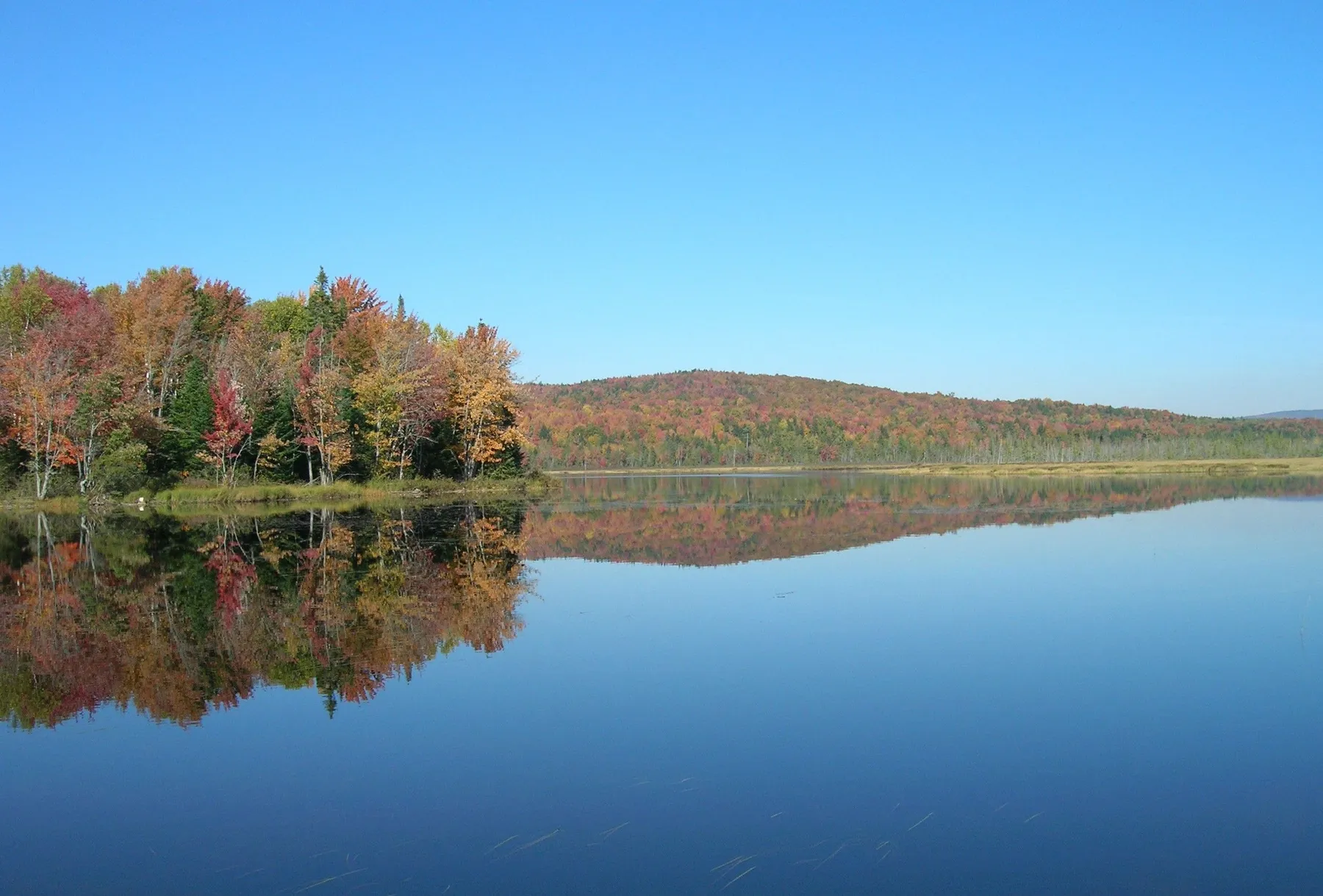
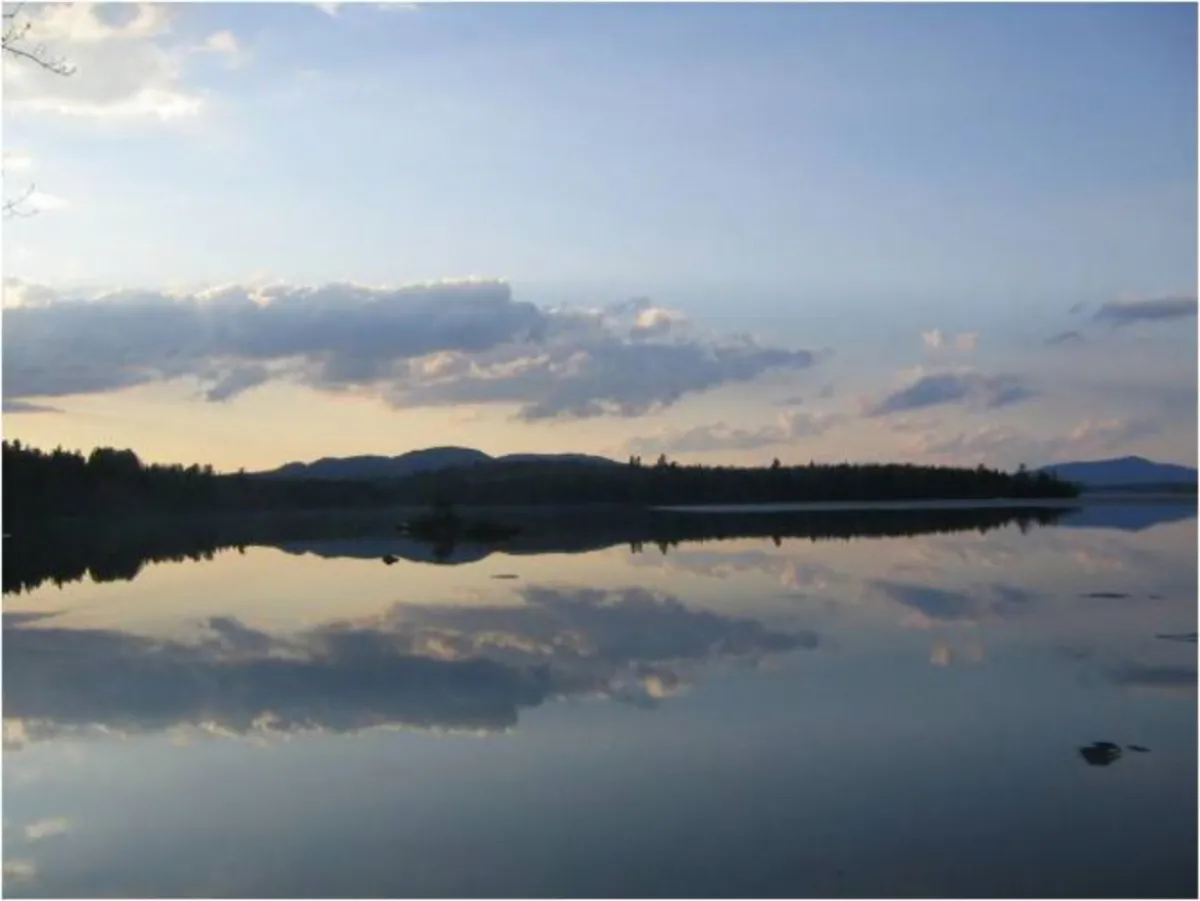
At Umbagog National Wildlife Refuge, the most memorable view may be the one that takes a little patience: mist lifting over a northern lake, a loon moving quietly near a distant shore, or the reflection of autumn trees in a sheltered river. The refuge crosses the New Hampshire–Maine border, protecting a landscape of water, forest and wetlands around Lake Umbagog and the Magalloway River.
Water is central to a visit here. The U.S. Fish and Wildlife Service says boats provide the best access to much of the refuge, although visitors can also find opportunities to explore on land. A good trip begins with a realistic plan for the weather, the abilities of everyone in the group, and the current status of launch sites.
1. Start with the refuge's landscape
Umbagog was established in 1992 through cooperation among the two states, conservation organizations, landowners and the federal government. The landscape sits where northern spruce-fir forest meets northern hardwoods. Wetlands, river channels and open water add still more variety, creating habitat for birds and other animals at different times of year.
The lake is nearly eight miles long according to the refuge brochure. That scale can be deceptive from shore: distances, wind and waves matter once you are on the water. Study a map before heading out and choose an outing that leaves time to return well before darkness or a change in conditions.
2. Choose an open launch before loading the boat
As of November 2026, the refuge reports that the Steamer Diamond Boat Ramp and parking area are closed for a visitor-access improvement project expected to continue through spring 2027. Reopening can change with construction, so consult the refuge's latest notice before planning around that launch.
The agency lists alternatives, including the New Hampshire state launch on the Androscoggin River from North Mountain Pond Road in Errol; the refuge headquarters launch on the Magalloway River beside the office at 2756 Dam Road; the state launch at the south end of Lake Umbagog on Route 26; and a refuge car-top canoe and kayak launch on Route 16 north of headquarters. Check which site suits your boat and route, and confirm current access before setting out.
3. Plan a paddle for the actual conditions
A canoe or kayak can bring a visitor close to the boundary between open water and marsh. It also leaves the paddler exposed to changing wind, cold water and boat traffic. Wear a properly fitted life jacket, check the forecast, carry a map and tell someone your planned route and return time. Stay close to a suitable shore when conditions or experience call for it, and turn back early if wind builds.
Do not assume that a calm launch means the entire lake will remain calm. Pick a manageable route, know where you can safely land, and avoid entering posted or sensitive areas. The refuge can provide current information about access and rules; local outfitters may also help visitors choose a trip suited to their experience.
4. Give nesting loons plenty of space
Common loons are one of Umbagog's signature birds and are listed as threatened in New Hampshire. The refuge asks visitors to avoid disturbing likely or known nesting areas, including marshy or boggy shorelines, river backwaters and small islands. Its guidance suggests staying at least 400 feet away from nest sites or loons showing signs of distress.
Binoculars make the experience better for both people and birds. If a loon changes its behavior because of your presence, move away quietly. Keep dogs under control and follow refuge rules. A successful wildlife encounter is one that leaves the animal undisturbed after you depart.
5. Explore the refuge without a boat
Not every visitor wants to paddle. The refuge lists hiking and wildlife observation among its activities and provides maps for trails including the Magalloway River and Roost trails. Ask the refuge which routes are open, where to park, and whether a particular trail suits your group before you go.
A short walk can be rewarding when you slow down to listen. The mix of boreal and hardwood forest supports birds associated with northern habitats, while marshes and shorelines can reveal different activity. Wear sturdy shoes, carry insect protection when appropriate, and prepare for wet or uneven ground. Weather changes quickly in northern New England, even when the drive starts in sunshine.
6. Watch wildlife from a respectful distance
The refuge describes habitat for songbirds, waterfowl, moose, reptiles and many other species. None appears on demand. Early or late daylight may provide beautiful light for photography, but wildlife viewing always involves luck as well as patience. Scan the edges of water and woods without blocking roads or crowding other visitors.
Never feed wildlife or approach an animal for a closer picture. Moose are large wild animals, and a seemingly calm animal can react defensively. Observe from a distance, give it an escape route, and use binoculars or a long lens. Protecting the quiet is part of protecting the experience for everyone.
7. Make the trip fit the season
Summer offers long days on the water, while autumn adds color to the surrounding forest. Colder seasons bring their own beauty and hazards: exposed water, cold temperatures and short daylight demand different equipment and conservative decisions. The refuge spans two states, so anglers and hunters should verify applicable licenses, seasons and refuge-specific regulations for their intended location.
Before leaving, review the refuge's current launch and trail notices, pack layers and water, and confirm that your plans match the forecast. For questions, the refuge headquarters in Errol is a useful starting point. With thoughtful preparation, Umbagog can feel like a genuine northern escape without requiring a rushed itinerary.