Cape May is famous among birdwatchers, but the wildlife refuge on the peninsula offers more than one way to experience its habitats. Trails pass through wetlands, woods and dunes across separate divisions. A good visit starts by choosing the right trail and checking seasonal beach restrictions designed to protect wildlife.
1. Understand the refuge's separate divisions
Cape May National Wildlife Refuge is spread across the Delaware Bay Division, the Great Cedar Swamp Division and the Two Mile Beach Unit. These areas are not a single walkable site, so select a trail and use its specific directions rather than navigating only to refuge headquarters.
The headquarters is on Kimbles Beach Road in Cape May Court House, and the refuge lists its trails and observation areas as open daily from sunrise to sunset. Visitor contact station hours differ by location and season. Check current maps, hours and alerts before leaving, and allow driving time between units.
2. Look for birds along Delaware Bay
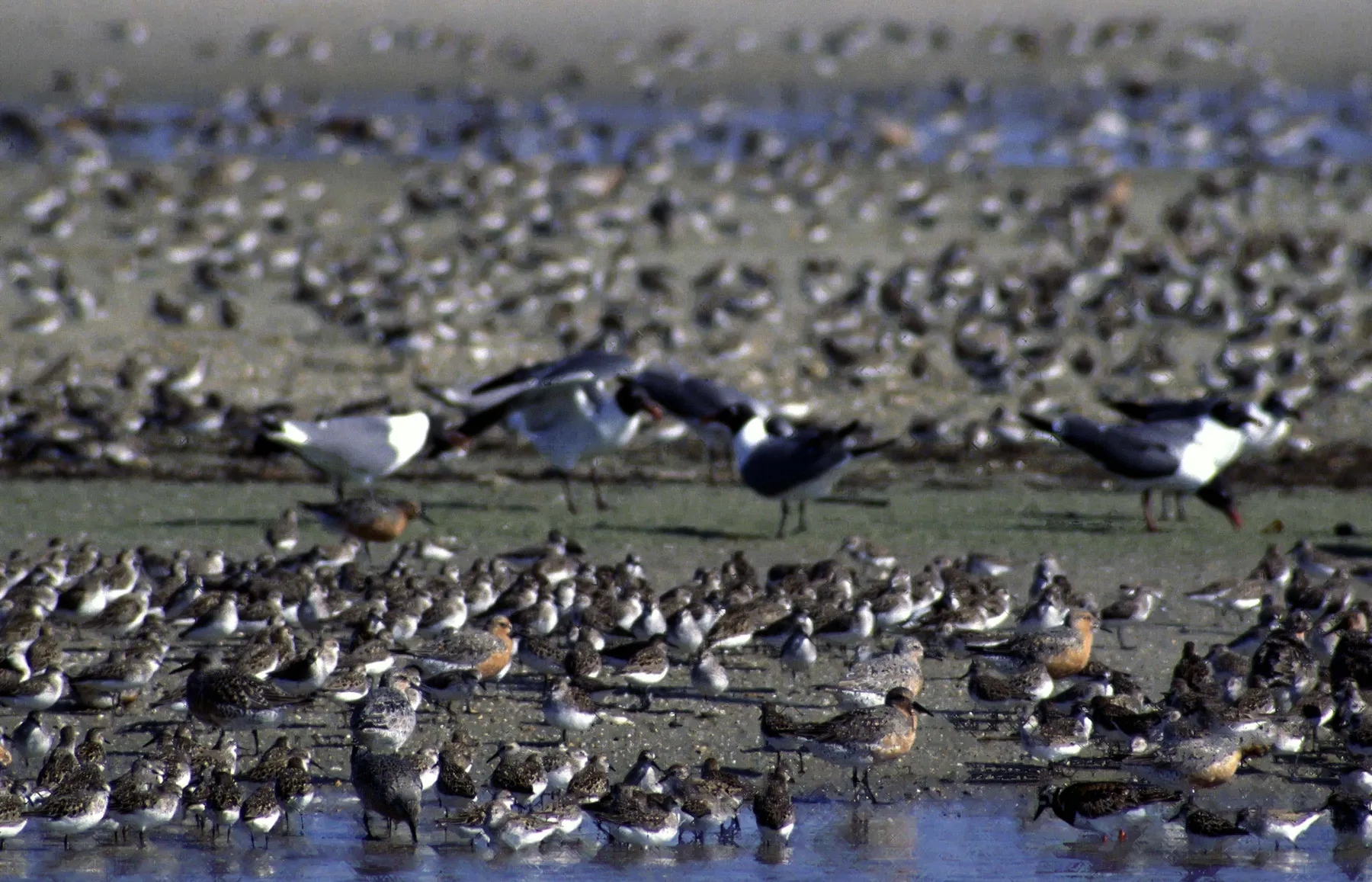
The Songbird and Woodcock trails in the Delaware Bay Division pass through habitats that support a variety of birds and other wildlife. Spring and fall migration can be particularly rewarding, though no species is guaranteed on a particular day. Bring binoculars and listen as well as look; birds may be easier to hear than see among the trees.
Walk quietly, stay on designated routes and use a field guide if you enjoy identifying what you see. The refuge lists leashed pets in the Delaware Bay and Great Cedar Swamp divisions, but the rules differ at Two Mile Beach. Check the current policy before bringing a dog and carry out its waste.
3. Explore the cedar swamp
The Cedar Swamp Trail offers a different landscape from the shoreline, passing through forest and wetland habitat. Seasonal water and weather can affect the surface, so wear shoes suitable for uneven or damp ground and consult the refuge's trail information before setting out.
Look for changes in vegetation and listen for frogs or birds, especially near wet areas. Insect protection and a tick check are sensible additions in warmer months. A slow walk with time to notice the habitat can be more rewarding than trying to complete every division in one day.
4. Visit Two Mile Beach with the season in mind
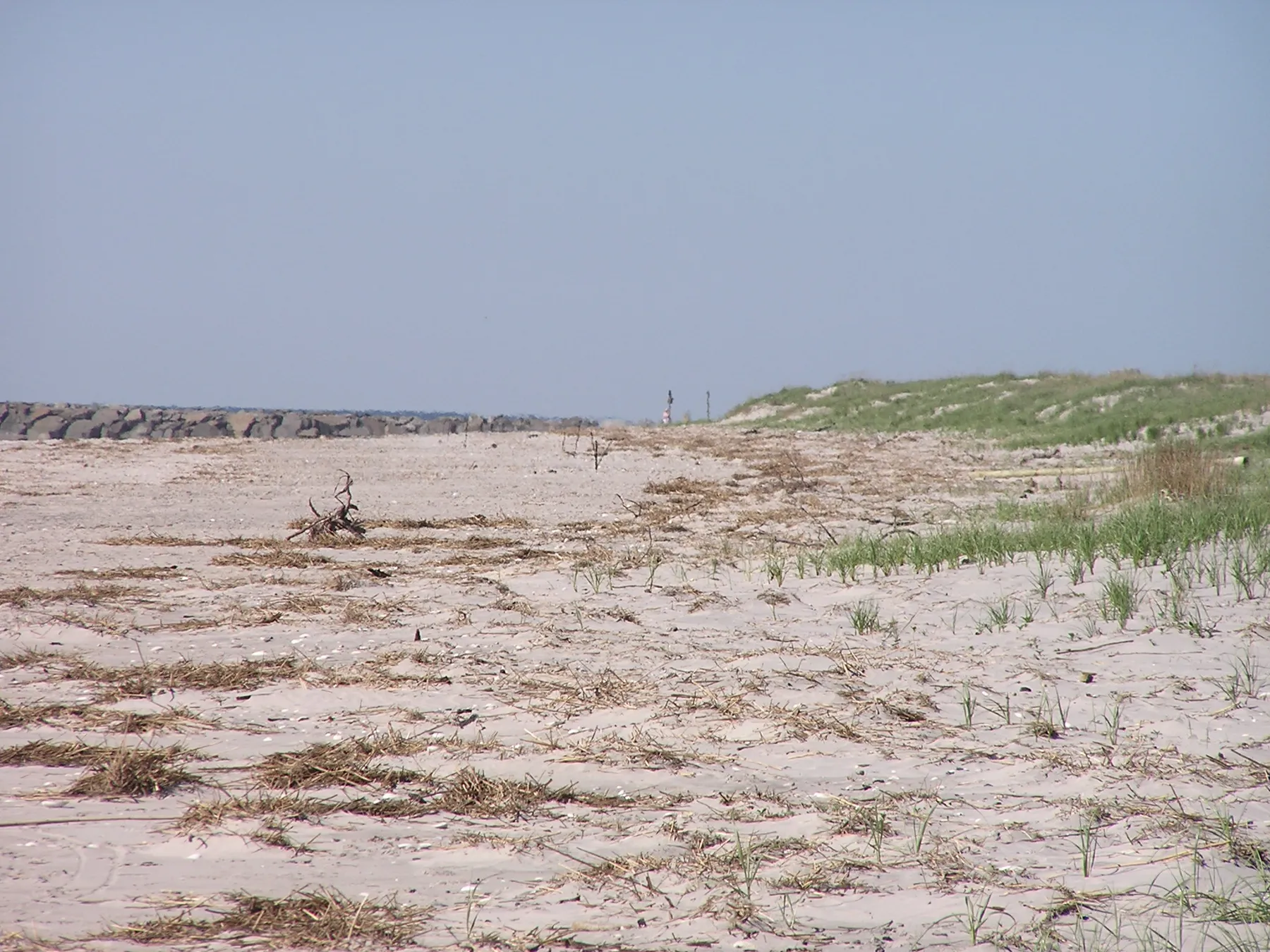
At Two Mile Beach, trails and observation points provide views of dunes and coastal habitat. The Fish and Wildlife Service says the refuge beachfront is closed from April 1 through September 30 to protect wildlife; the trail remains open according to its published guidance. The beach is generally available for wildlife observation from October 1 through March 31, subject to current notices.
Pets are prohibited at the Two Mile Beach Unit. Stay out of signed closed areas, keep your distance from birds and do not climb dunes or collect natural objects. Check the current map and closure information before visiting, as conditions and management needs can change.
5. Plan for a quiet wildlife day
A first outing might focus on one division: a woodland walk, a Delaware Bay trail or the Two Mile Beach observation areas. With more time, combine two units after checking travel distances and daylight. The refuge notes that hunting occurs in designated areas during applicable seasons, so review current notices and maps before walking.
Carry water, sun protection and binoculars, and leave the habitat undisturbed for the species that use it. Cape May's appeal is not limited to a single spectacular sight. The changing mix of marsh, forest and shore makes each return visit a chance to notice something different.