Northern New Jersey can surprise a traveler who gives it more than a drive through. A waterfall powers the story of an industrial city, a laboratory preserves the tools of invention, and nearby woods hold both Revolutionary War history and important wildlife habitat. These five stops work as separate day trips or as the basis for a leisurely multi-day route.
1. Paterson Great Falls: A waterfall that helped shape a city
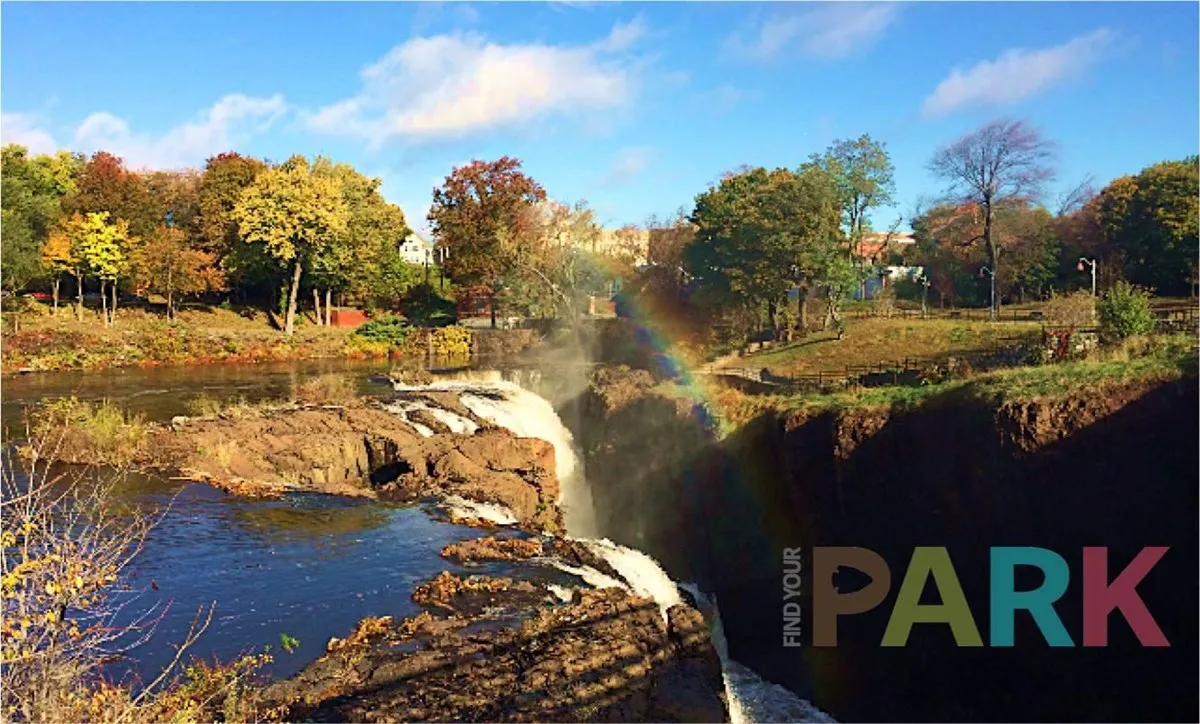
The Passaic River drops about 77 feet through a gorge at Paterson Great Falls National Historical Park. Overlooks let visitors take in the waterfall, but the surrounding raceways and mill buildings explain why the site became important to American industry. Paterson was established in 1792 as a planned industrial city centered on water power.
Check the National Park Service's current tour schedule if you want a ranger's perspective. The free Mill Mile app offers a self-guided alternative. Parking at the main overlook can be limited, especially on weekends, and the park currently has no indoor visitor center. Dress for the weather and check facility information before arriving.
The falls are part of a living city. Leave time to look beyond the water and learn about the workers and communities connected to the mills. Stay behind railings and use marked crossings between viewpoints.
2. West Orange: Edison's laboratory and Glenmont
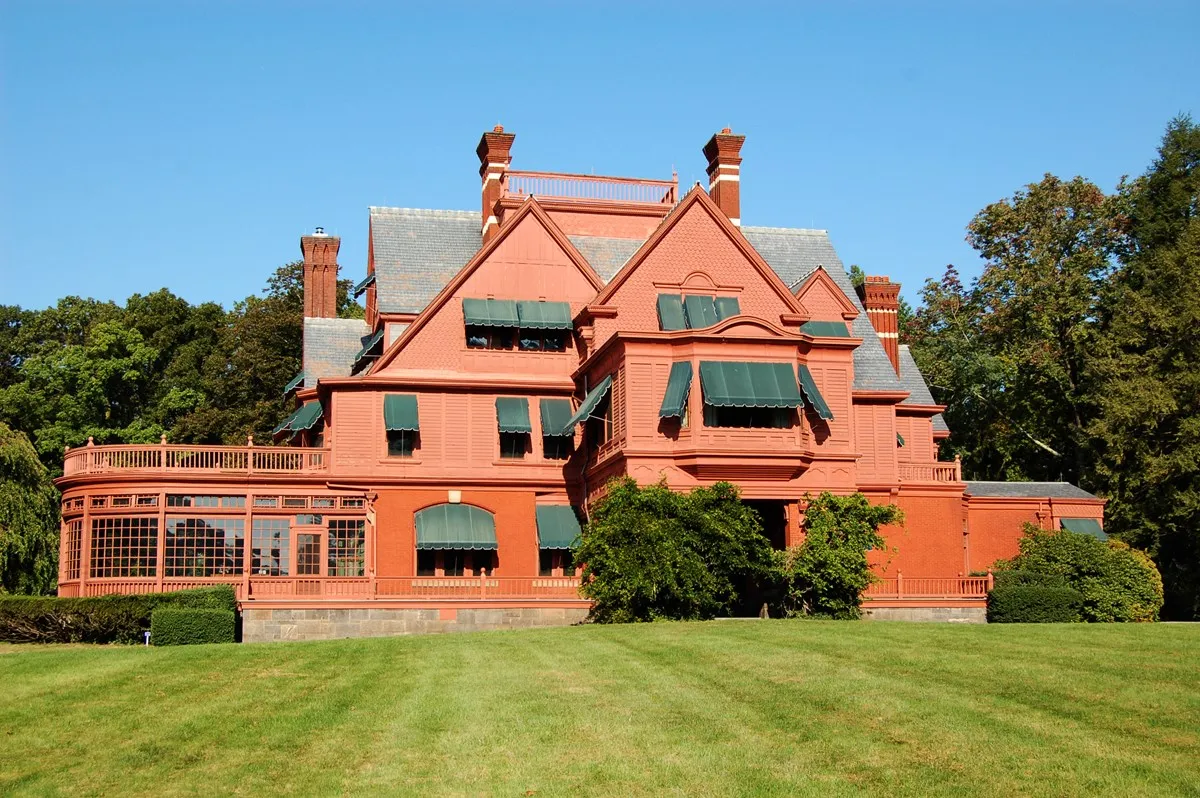
Thomas Edison National Historical Park preserves a laboratory complex filled with machine shops, a library and exhibits about recorded sound and other work. Belts and pulleys, tools and workspaces show how research and production involved many people over time. Start at the laboratory visitor center on Main Street for orientation and current access information.
Glenmont, the Edison family estate, is a separate location. All visitors must first obtain a grounds pass at the laboratory, including those with mansion tour tickets. House tours have limited capacity and run seasonally; advance reservations are made through Recreation.gov, while limited same-day tickets may sometimes be offered at the visitor center.
Check the park's latest hours and accessibility details before making plans. The mansion tour involves stairs and standing, but the laboratory and grounds provide other ways to explore the story if the tour is unavailable or unsuitable.
3. Great Swamp: Wetland wildlife close to the suburbs
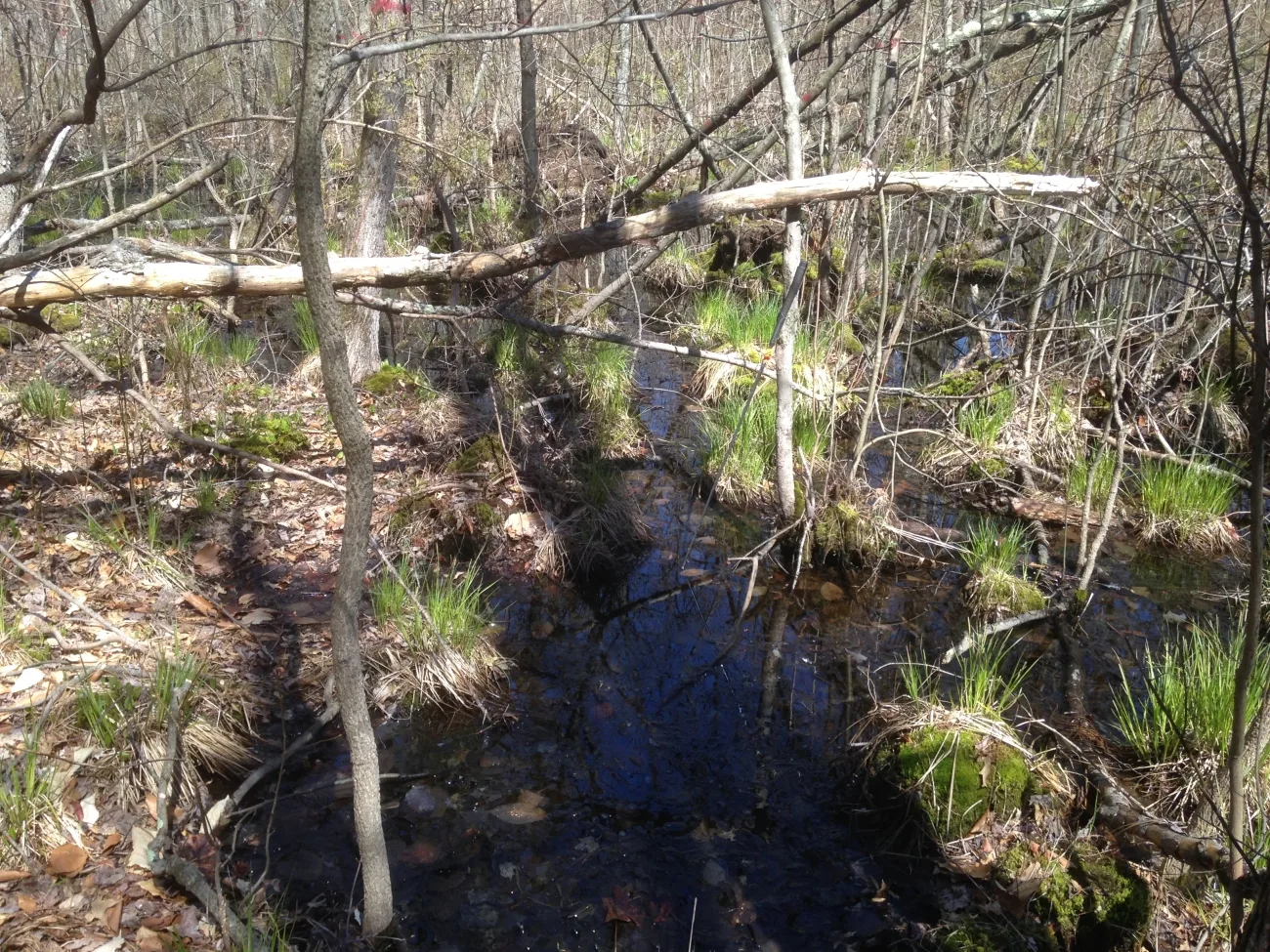
Great Swamp National Wildlife Refuge protects wetlands and woods in Morris County. The Wildlife Observation Center's boardwalks and blinds offer places to watch for birds, amphibians and other wildlife. Pleasant Plains Road provides another viewing option for visitors who prefer a slower drive.
The refuge has designated trails and a larger wilderness network, where wet ground can require waterproof footwear. Bring binoculars, insect protection and patience. Early and late daylight can be good for observation, but sightings vary with the season and weather.
Pets are not allowed on refuge trails or boardwalks; leashed pets are allowed along Pleasant Plains Road and in parking areas under the refuge's rules. Check the current map and policies before bringing an animal or a large group. Leave plants and wildlife undisturbed.
4. Morristown: Rooms and woods from the Revolutionary War
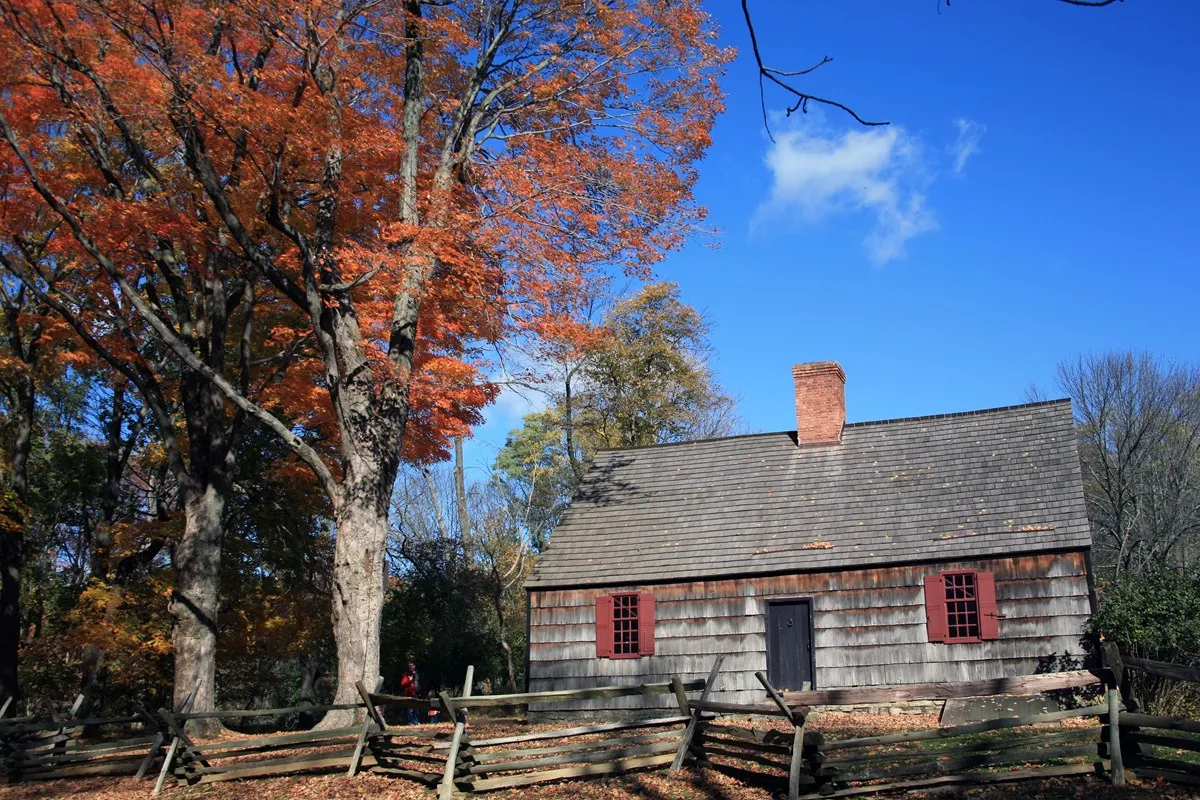
Morristown National Historical Park links Washington's Headquarters Museum and Ford Mansion with the Jockey Hollow encampment landscape. The museum introduces the winter of 1779–1780, and a guided tour of the mansion provides context for its use as headquarters. Free tour passes are distributed at the museum on a first-come, first-served basis; check the day's schedule with the park.
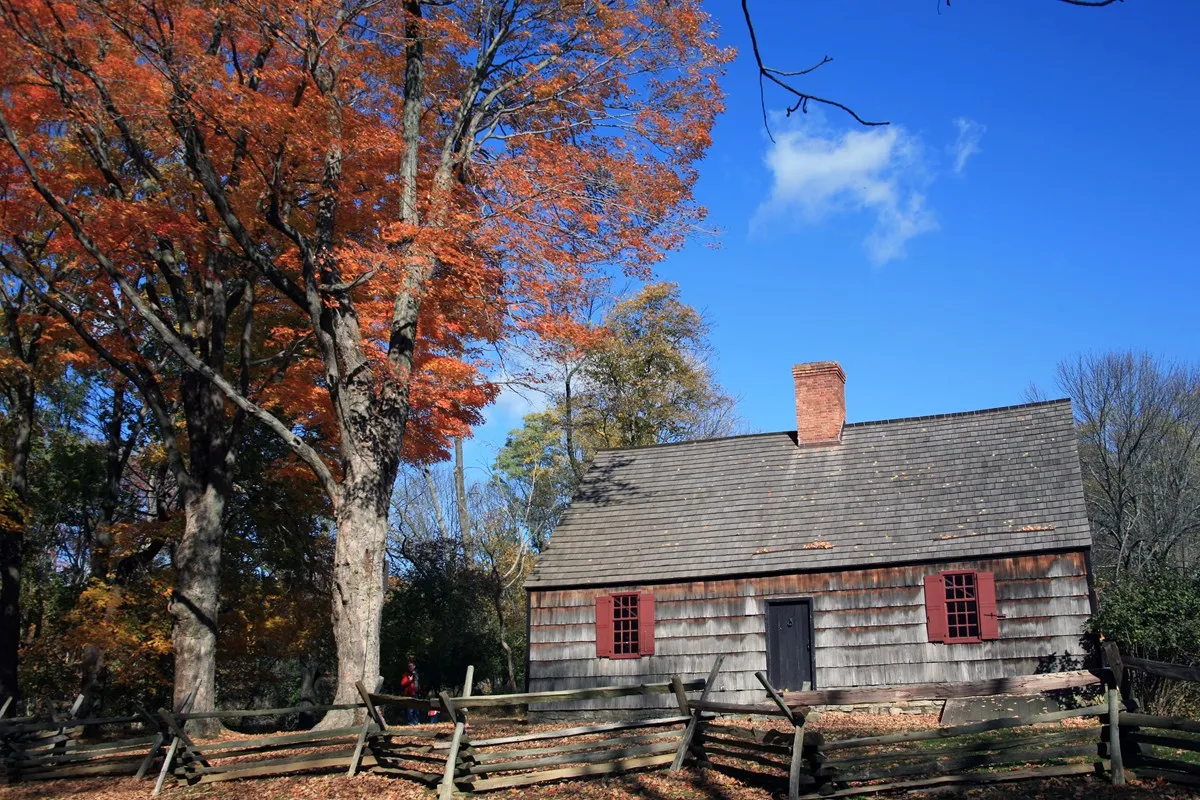
At Jockey Hollow, trails, the Wick House and replica soldier huts help visitors consider the experience of troops and local families. The sites are separate, so allow driving time between them. Building hours differ from grounds hours and seasonal closures apply.
Choose a trail suited to the forecast and your group, carry water and check for ticks after walking. This is a good stop to slow down and connect the larger events of the Revolution to the people who lived and worked in this landscape.
5. Delaware Water Gap: A village and waterfall near the river
On the New Jersey side of Delaware Water Gap National Recreation Area, Millbrook Village interprets a nineteenth-century rural community. Visitors can walk the grounds during the day, while demonstrations and building access depend on the park's events and volunteers. Some buildings were moved here for preservation; others are original to the village.
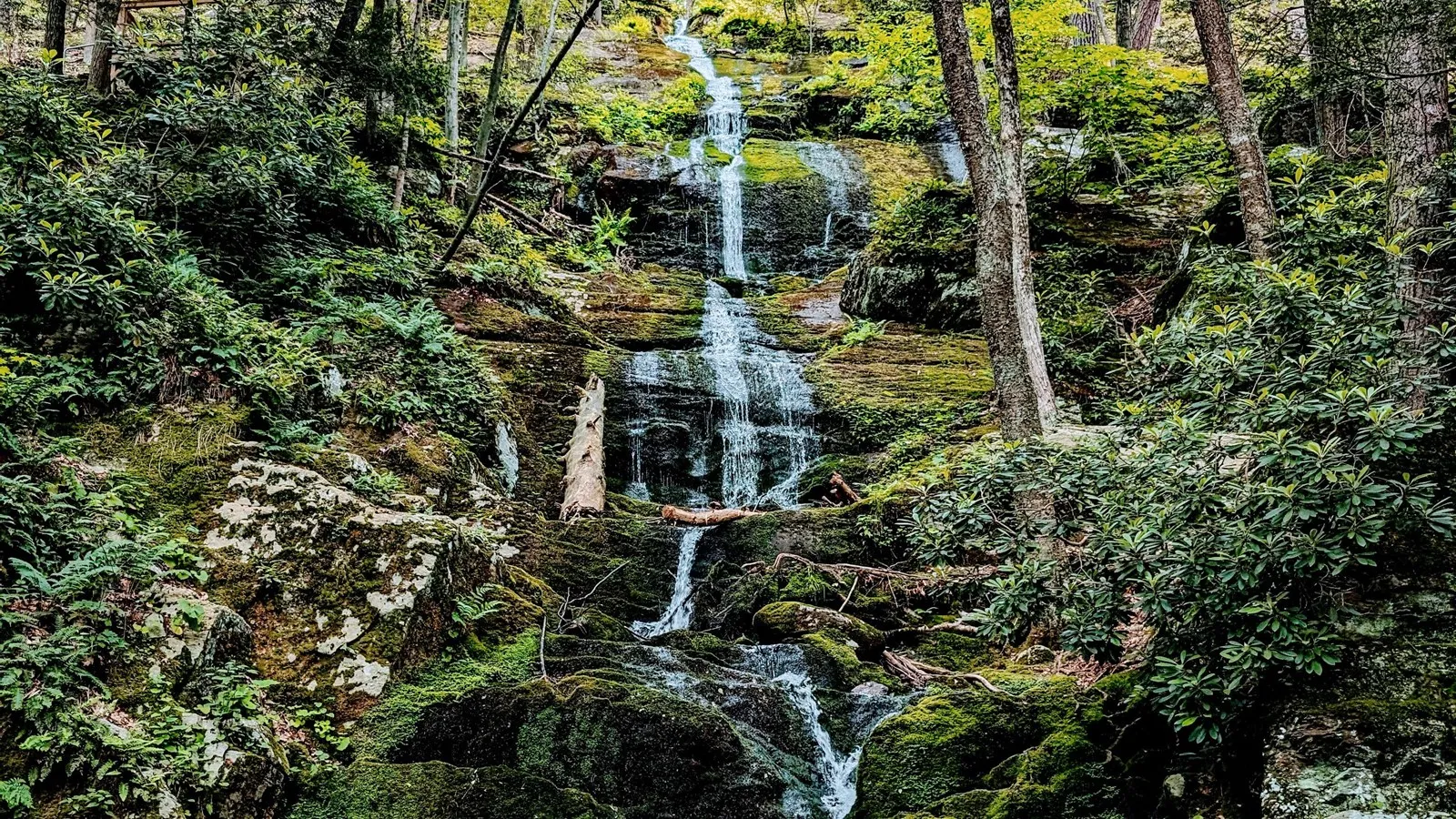
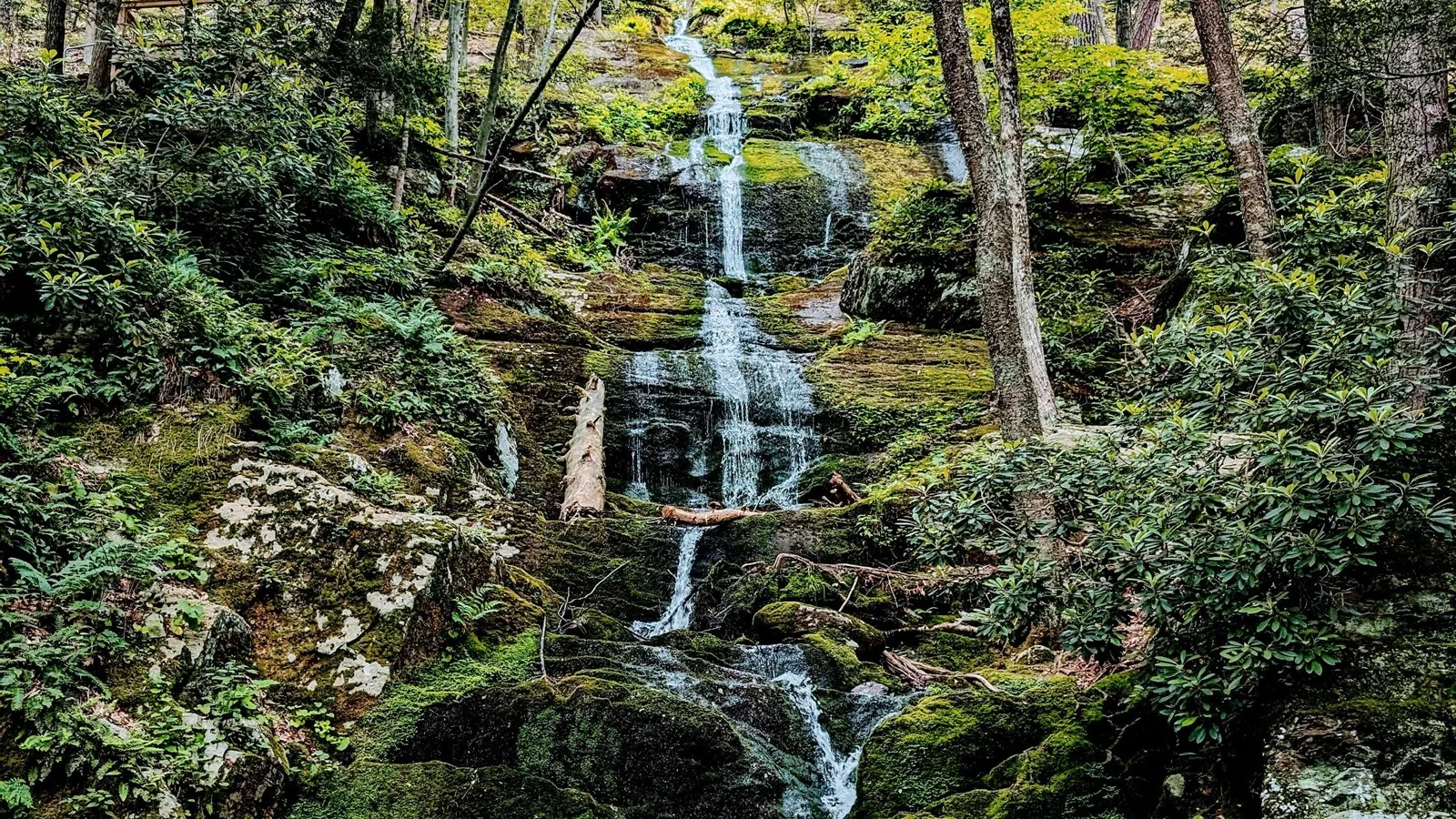
Buttermilk Falls is another memorable stop when its access road is open. The park says the current vehicle approach uses Struble Road, which normally closes seasonally from December 15 through April 15. Bridge repairs and road work can alter routes, so check NPS conditions immediately before traveling.
Observe waterfalls from designated areas. The park prohibits climbing falls and adjacent cliffs and restricts swimming and wading near waterfalls. A safe view and an unhurried drive make a better day than trying to squeeze every trail into a tight schedule.
Put together a realistic route
These stops cover different parts of northern New Jersey. Choose one or two for a day and allow for traffic, parking, tours and the travel between sites. A weekend can combine an urban waterfall and laboratory with a later day in the wetlands or mountains; there is no need to visit them in a fixed order.
Check official hours, seasonal closures and weather before departure. Bring water and suitable shoes, download maps and leave space in the itinerary for lunch and the unexpected. The variety is the attraction: a short distance can carry you from industrial history to protected habitat and quiet wooded trails.