Morristown National Historical Park connects a comfortable New Jersey town with the difficult winter of 1779–1780, when George Washington and the Continental Army stayed in the region. The park is spread across several sites, from Washington's headquarters to the wooded trails of Jockey Hollow. A rewarding visit balances the famous leaders' story with the experiences of soldiers and local families.
1. Start at Washington's Headquarters Museum
The museum at 30 Washington Place provides exhibits and orientation for the headquarters area. Its collections and galleries place the Revolutionary War in context before you visit the neighboring Ford Mansion. The park charges no entrance fee, though building hours and tour availability vary.
Check the current operating schedule before traveling. The NPS lists a winter closure for park buildings from January 4 through February 12, 2027, as well as holiday closures. The grounds and buildings can have different hours; the park's latest information should guide your itinerary.
2. Tour the Ford Mansion
Washington used the Ford Mansion as headquarters during the winter of 1779–1780. The home also belonged to the Ford family, whose lives were affected by the army's presence. A guided visit gives a sense of how a private home became a center of military leadership.
The mansion is seen by guided tour only. The park says tours begin at the museum and free passes are distributed there on a first-come, first-served basis; phone and online reservations are not accepted. Call the museum on the day of your visit for the schedule and availability. Ask about accessibility and the amount of standing involved before joining a tour.
3. Visit Jockey Hollow
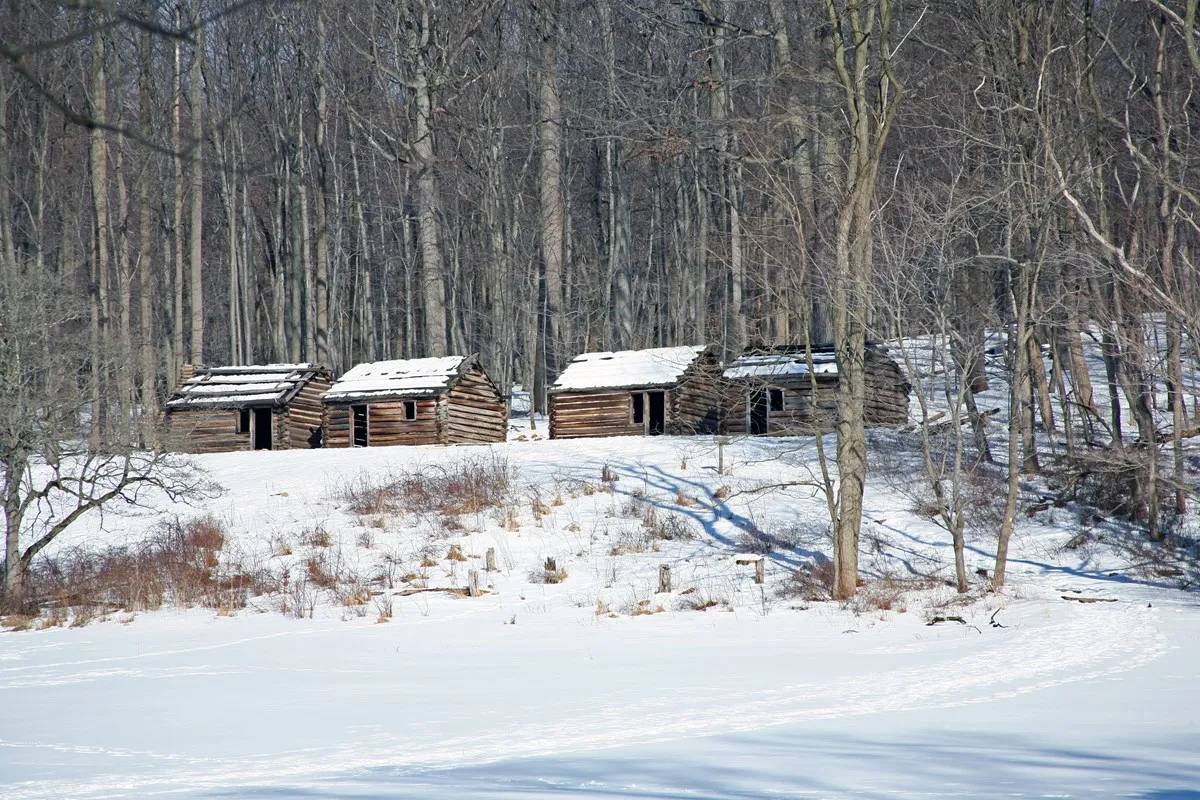
Jockey Hollow preserves the landscape associated with the army's winter encampment. Begin at the visitor center for a map and information, then explore the grounds at a pace that suits your party. Replica soldier huts help visitors picture the conditions faced by troops, although the structures are modern representations rather than original wartime buildings.
Cold, supply shortages and the demands of maintaining an army shaped the experience here. Take time to consider the many people who supported the encampment, including soldiers, local residents and the workers whose contributions were essential. Interpretive signs and ranger programs add detail to the landscape.
4. See the Wick House and walk a trail
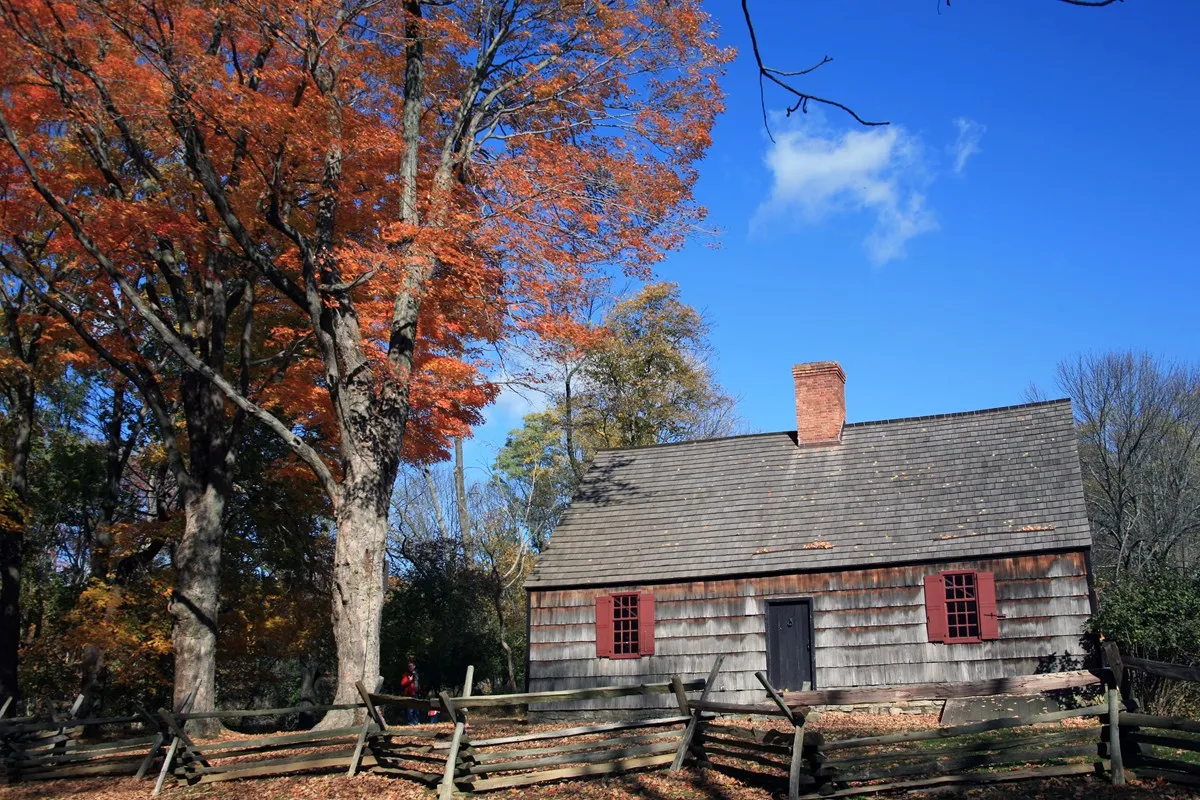
The Wick House in Jockey Hollow tells another part of the story through the family and farm associated with the site. Its opening hours can vary, so call the Jockey Hollow Visitor Center on the day of your visit if seeing the interior is important. The surrounding fields and woods are worth exploring even when buildings are closed, subject to current access rules.
The park offers trails of different lengths; use the official map and choose one that fits the weather, daylight and your group's ability. Wear suitable shoes, carry water and check for ticks after walking. Paths can be muddy or icy, and conditions in wooded areas may differ from those in town.
5. Add another park site if time allows
Fort Nonsense and the New Jersey Brigade and Cross Estate Gardens area provide additional ways to explore the park's geography. They are separate from the main museum and Jockey Hollow, so account for driving time and check current grounds hours. The NPS notes that public restrooms are not available at these two areas.
For a first day, pairing the museum and mansion tour with Jockey Hollow is a manageable foundation. Confirm building schedules, tour passes and weather before departing, and leave time to move between sites. Morristown's history becomes more vivid when you can connect the rooms, roads and wooded landscape rather than seeing any one stop in isolation.