Sandy Hook offers more than a beach day. This narrow peninsula at the northern end of the Jersey Shore combines ocean and bay views, a historic lighthouse, former military buildings and habitat for shorebirds. It is part of Gateway National Recreation Area, and its seasons and rules are worth checking before you pack the car.
1. Choose your beach and check lifeguards

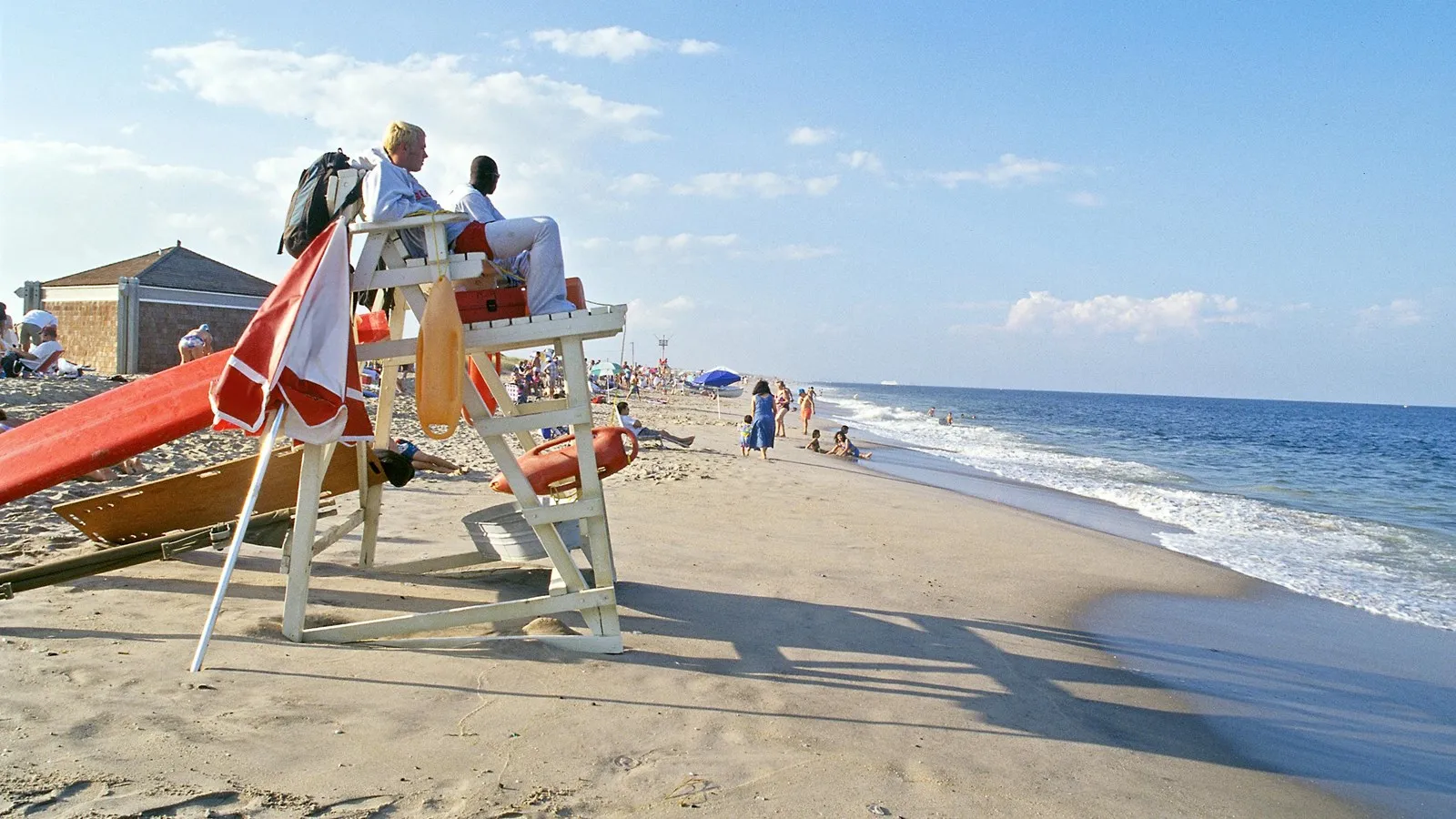
Sandy Hook has several ocean-facing beaches, but lifeguard assignments can change. The National Park Service says swimming is prohibited where lifeguards are not on duty. During the summer season, check the current beach page and posted flags for the locations and hours being guarded.
As of the park's November 5, 2026 update, lifeguards had finished for the year. That means a fall or winter beach walk should not be mistaken for a swimming day. Keep children close to the water, watch the surf and tides, and leave glass containers at home. Strong currents can occur even on a beautiful day.
2. Visit Sandy Hook Lighthouse
The Sandy Hook Lighthouse is a landmark with more than 250 years of history. The nearby keeper's quarters serve as the visitor center. Check current hours and tour availability before arriving; the park's lighthouse tours are offered on selected days and schedules change by season and staffing.
The lighthouse is part of a larger story about navigation into New York Harbor. Give yourself time to read the interpretation and look at its setting rather than treating it as just a photograph. Ask park staff about tour requirements, stairs and accessibility if you hope to go inside.
3. Explore Fort Hancock's history
At the northern end of Sandy Hook, Fort Hancock's historic buildings recall the peninsula's role in harbor defense. Walk the public areas, follow signs and respect any closed buildings or construction zones. The park's interpretive materials connect the fort to changes in military technology and daily life over time.
Historic structures are fragile and may not all be open to the public. Check the park's schedule for programs or tours, and stay on established routes. A history stop pairs well with a beach walk, but allow time to move between areas rather than assuming everything is at one parking lot.
4. Bring a bike or take a slower walk
Sandy Hook has a multi-use path that offers another way to experience the peninsula. Share the route courteously with walkers and other cyclists, and check the map for connections to beaches and historic areas. Bring water, sun protection and a lock, and be prepared for wind along the coast.
Bird habitat, salt marsh and maritime vegetation add variety beyond the shoreline. Stay off protected dunes and respect seasonal closures that give nesting birds room to raise young. Binoculars can make a quiet stop especially rewarding during migration.
5. Plan parking, pets and the season
Gateway generally collects a seasonal beach parking fee at Sandy Hook from Memorial Day weekend through Labor Day; the park is cashless. Check current fees and operating hours before your trip, since busy summer lots can fill. A seasonal ferry from Manhattan is another option, but verify the operator's schedule before relying on it.
The park allows leashed pets on bayside beaches year-round, while ocean-side beach access for pets is seasonal to protect nesting shorebirds. Check the current rules for dates and locations. Sandy Hook follows a carry-in, carry-out policy, so take all trash with you.
The peninsula is rewarding in every season if you plan for the conditions. Combine a guarded summer swim with a lighthouse visit, or choose a cooler day for history and a shoreline walk. Check official alerts before departure and leave the coast as you found it.