At Edwin B. Forsythe National Wildlife Refuge, a coastal wildlife drive turns a car window into a place to watch marshes, shallow water and birds. The refuge stretches along a substantial portion of the New Jersey coast, but its Oceanville headquarters provides a practical starting point for a first visit. Bring binoculars, allow time to stop and let the wildlife set the pace.
1. Begin at the Oceanville visitor area
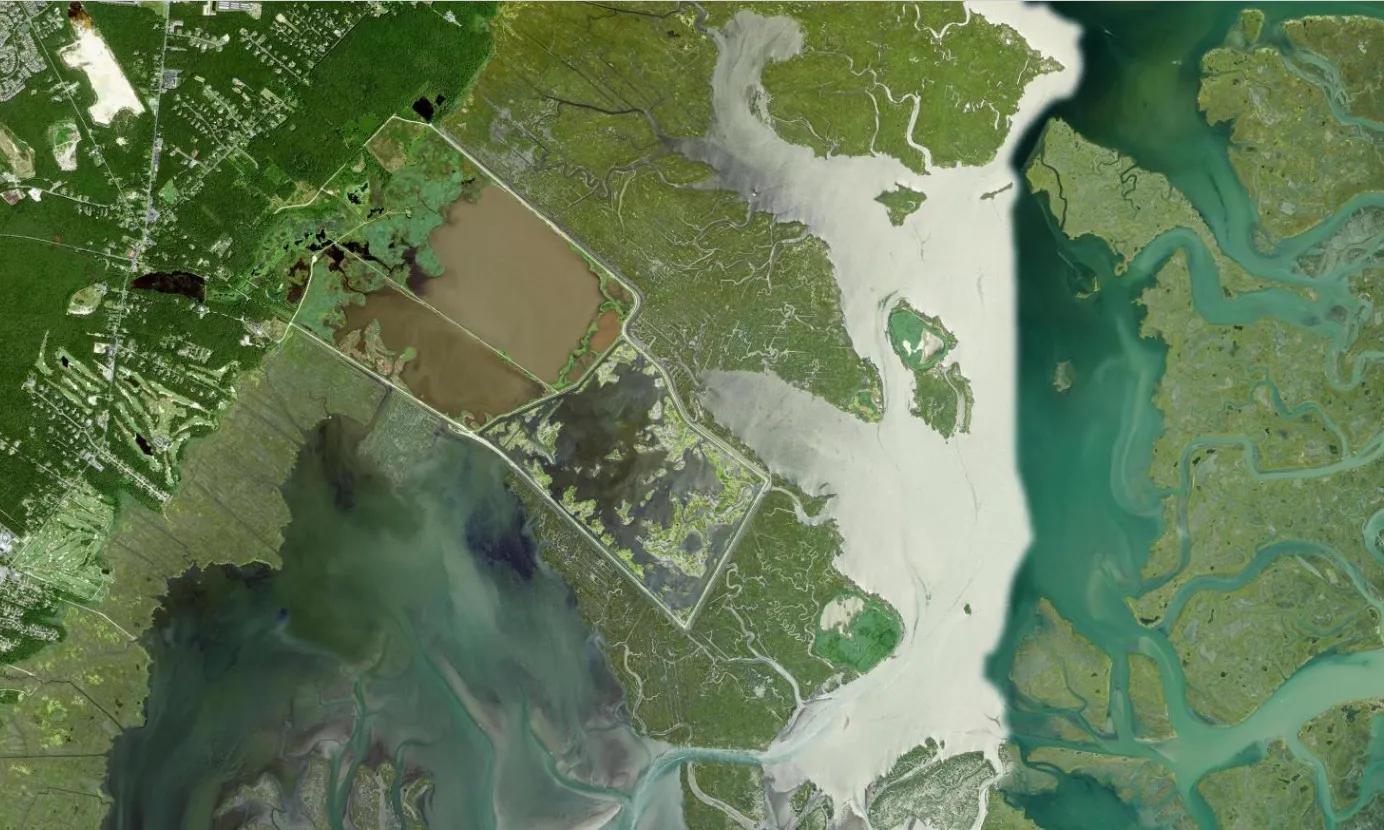
The refuge headquarters and main visitor area are at 800 Great Creek Road in Oceanville. The visitor information center has exhibits and staff or volunteers who can help with maps, passes and current conditions. The center's hours differ from the refuge's outdoor hours, so verify the latest schedule before relying on an indoor stop.
The Fish and Wildlife Service lists the wildlife drive and trails as open daily from sunrise to sunset. An entrance fee applies to the headquarters-area drive and trails, with certain passes accepted. Check current fees, payment methods and closures before leaving; self-pay options are available when the center is closed.
2. Drive slowly through coastal habitat
The Wildlife Drive is designed for observing the marsh and its inhabitants from a vehicle. Slow down, follow the route and use designated places to stop. A car can provide a stable viewing position without the need to approach animals, and binoculars help you see details across the water.
Keep the road clear for other visitors and do not leave the designated route. The refuge supports many uses, so look for cyclists and pedestrians where allowed. Conditions can change after storms or flooding; check with the refuge before traveling if the weather has been severe.
3. Watch for birds throughout the year
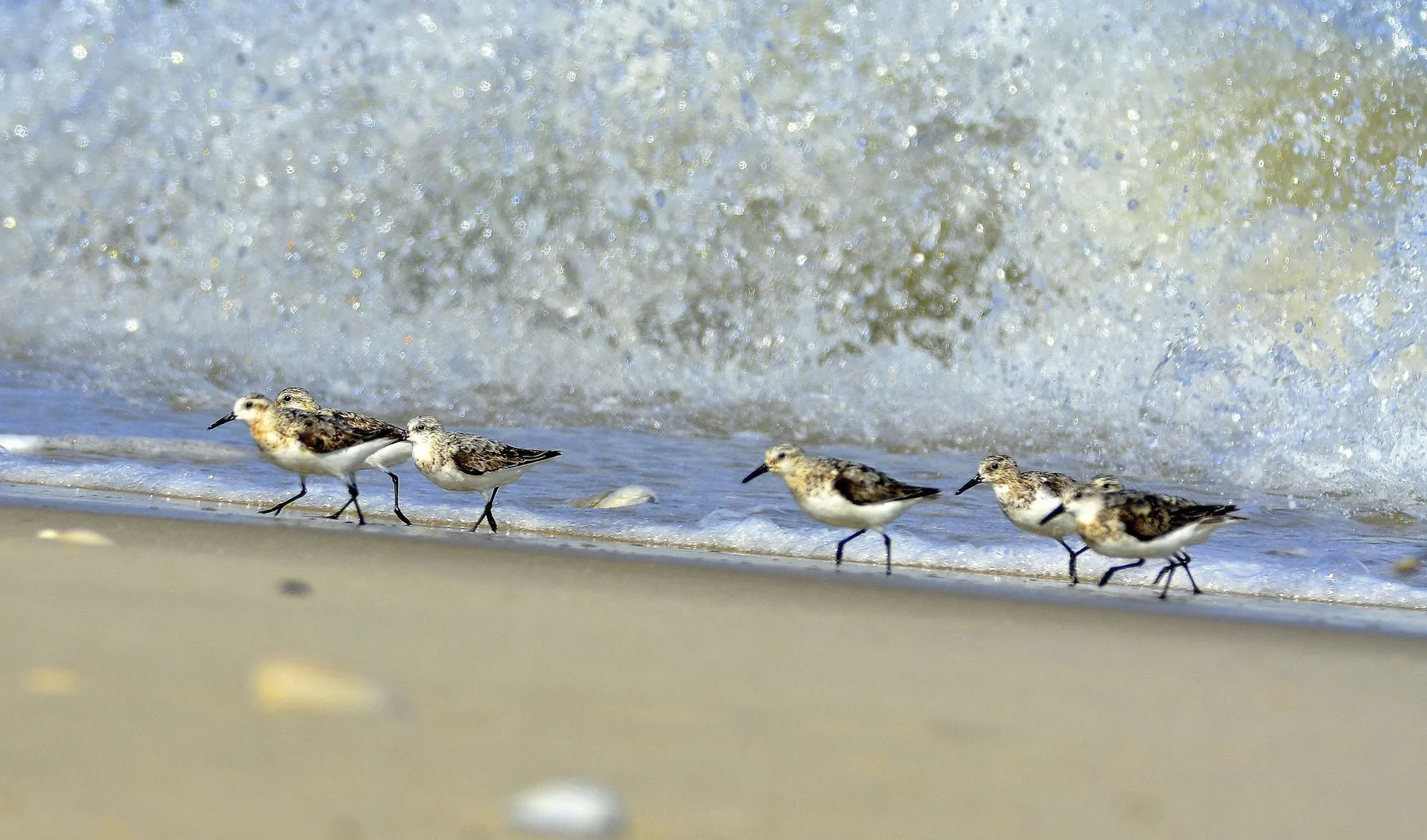
Forsythe protects coastal habitat along the Atlantic Flyway. The birds visible in the marsh and open water change with migration, weather and season. Scan the shoreline, water and sky rather than expecting a particular species at a fixed stop. A field guide or birding app can help you learn what you find.
Stay at a respectful distance and never feed or deliberately disturb wildlife. Photographers should use a longer lens rather than approaching birds. Quiet observation is particularly valuable where animals are resting or feeding during migration.
4. Add a walk when conditions suit
Trails near headquarters provide a different perspective from the drive. Pick up a map or review the refuge's trail information to choose a route suited to your time, mobility and the weather. Wear appropriate footwear, carry water and use sun and insect protection as needed.
Bicycles are permitted on the Wildlife Drive and Cedar Bonnet Island Trail but not on hiking trails, according to the refuge. Pet rules vary by trail, so check current signs and policies before bringing an animal. Stay on designated routes and leave plants, shells and other natural objects where they are.
5. Remember that the refuge is larger than one drive
Forsythe protects coastal habitat across a long north-to-south area, including locations away from headquarters. Some areas have seasonal restrictions or are closed to protect wildlife. Check the official map and rules before visiting another unit; not every part of the refuge is open to public access.
The Holgate wilderness area, for example, has seasonal access. Treat the listed dates as subject to current notices and respect signs on the ground. A day focused on the Oceanville drive and one short trail can be more enjoyable than rushing between distant units.
6. Time your visit for a gentler pace
Early and late daylight can be pleasant for wildlife viewing, but make sure you leave before closing. Weather, tides and migration all affect what you encounter, so build flexibility into the day. Bring water, binoculars and a patient attitude rather than a promise of seeing a particular bird.
Check the Fish and Wildlife Service's current visitor information and rules before departure. The refuge offers a way to experience the Jersey coast through its marshes and wildlife, with each season revealing a different part of the landscape.