Great Swamp National Wildlife Refuge offers a surprising stretch of wetlands, woods and wildlife habitat within reach of New Jersey's busy suburbs. A boardwalk walk, a quiet observation blind or a slow drive along Pleasant Plains Road can reveal different sides of the refuge. The key is to arrive ready to observe patiently and follow the rules that protect the animals that live here.
1. Begin with a refuge map
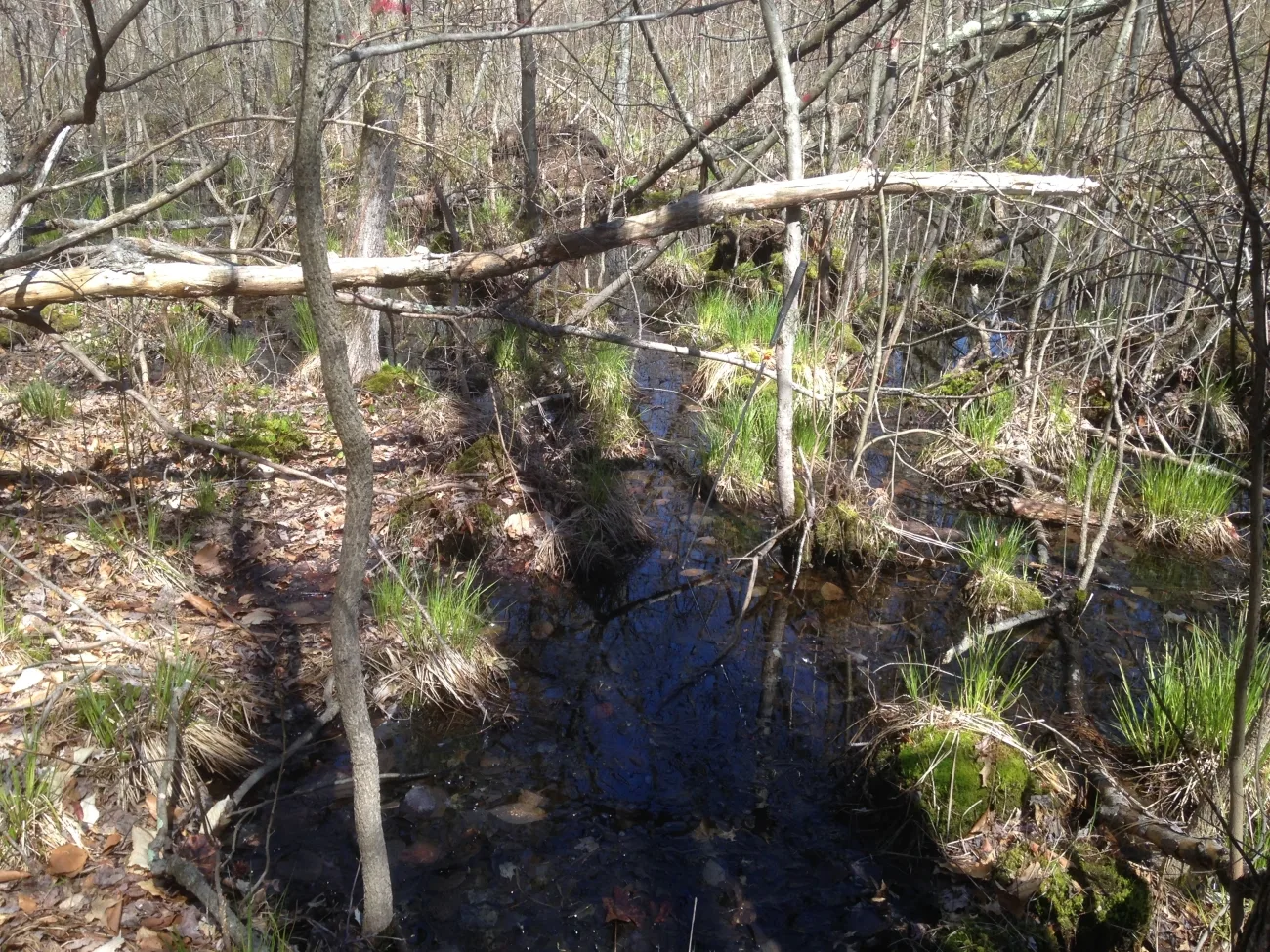
The refuge is in Morris County, roughly 26 miles west of Manhattan's Times Square. It protects thousands of acres of varied habitat, with designated areas for wildlife observation and walking. Pick up or download a map before leaving, since the visitor center, observation areas and wilderness trailheads are in different parts of the refuge.
The U.S. Fish and Wildlife Service lists public access in designated areas during daylight hours unless otherwise posted. Visitor center hours are separate, and flooding, snow or special events may affect access. Check current conditions before making a long drive and park only in designated spaces.
2. Explore the Wildlife Observation Center
The Wildlife Observation Center is a useful starting point for visitors who want to see wetland habitat without committing to a long wilderness hike. Boardwalks and trails lead toward observation areas where visitors can pause and look over the marsh and woods. The refuge recommends this area for observing reptiles and amphibians as well as birds and mammals.
Move quietly, stay on the boardwalk and bring binoculars if you have them. Wildlife may be close by but easy to miss, particularly if you are focused on reaching the end of the path. Observation blinds offer a place to wait without approaching animals. Sightings depend on season, weather and patience.
3. Drive Pleasant Plains Road
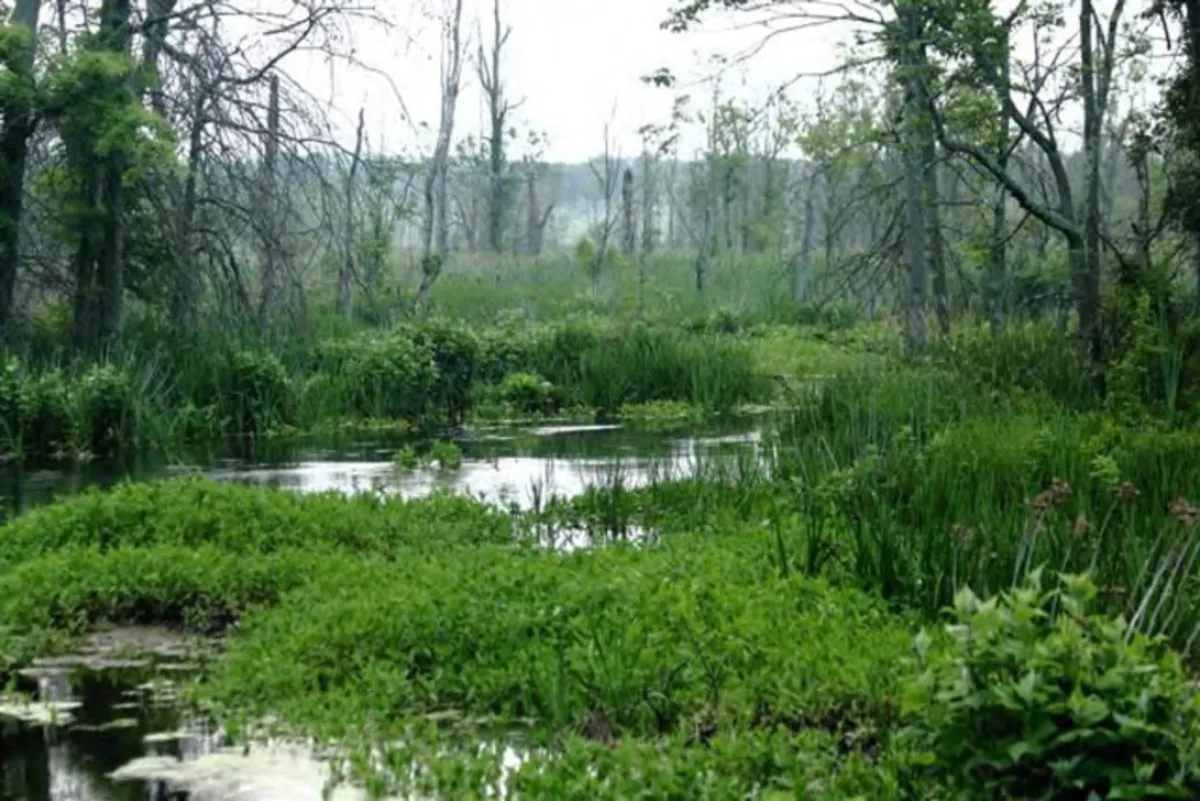
Pleasant Plains Road provides another way to observe the refuge, including for visitors who prefer to spend less time on foot. The Fish and Wildlife Service identifies it as a good place to view wildlife from a vehicle. Drive slowly, use designated pullouts and never stop in a way that blocks traffic or emergency access.
Early morning and late afternoon can be productive times for wildlife watching. A telephoto lens or binoculars lets you enjoy an encounter from a respectful distance. Do not feed animals or attempt to attract them closer; the refuge is their habitat first.
4. Choose a wilderness walk carefully
The refuge includes a wilderness trail network for visitors seeking a more primitive experience. Trails vary in length and difficulty, and wet ground can make conditions more challenging than a map suggests. The refuge recommends waterproof footwear during much of the year. Check the trail map and current information before choosing a route.
Carry water and insect protection, especially in warmer months, and check for ticks after walking. Stay aware of the time and return before the refuge closes. Bicycles are not permitted on refuge trails, which are open to foot traffic only; leave plants and other natural objects where you find them.
5. Know the pet and group rules
Pets are not allowed on refuge trails, boardwalks or inside the visitor center. The refuge permits pets on a leash no longer than ten feet along Pleasant Plains Road and in parking areas. Trained service animals are allowed in areas open to the public. Review the current refuge policy before bringing an animal.
Groups of ten or more must contact the refuge before visiting so staff can determine whether a permit is needed. Camping and fishing are not permitted. These details make it easier to plan a visit that fits both your group and the refuge's wildlife protection mission.
6. Let the season guide your visit
Spring and fall can bring changing bird activity and busy weekends; winter offers a different view through bare trees, while summer brings lush vegetation and insects. No season guarantees a particular animal. Check weather, wear appropriate footwear and allow time to stop and listen.
A first visit might combine the observation center with a slow drive and a picnic elsewhere, since the refuge's focus is wildlife-dependent recreation. Consult the official map and current notices before departure. Great Swamp rewards a gentle pace, whether you spend an hour on a boardwalk or a longer morning watching the wetlands change.