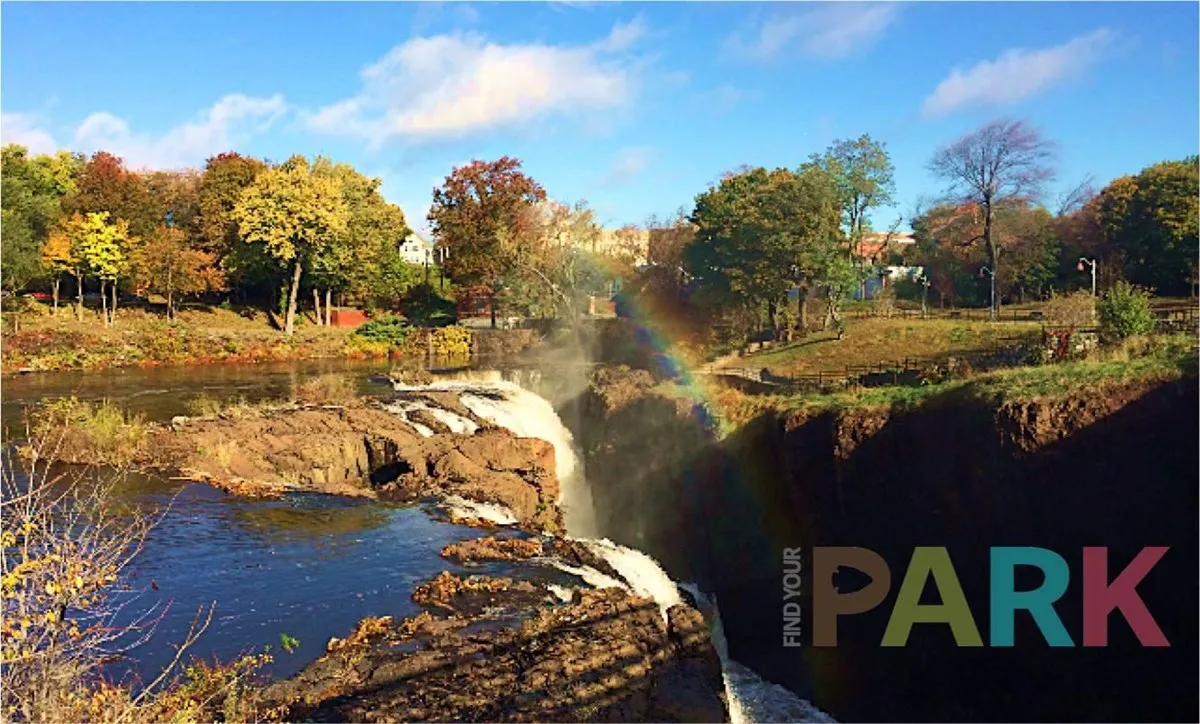
The Great Falls of the Passaic River plunges through a rocky gorge in the middle of Paterson, New Jersey. The waterfall is reason enough to stop, but the surrounding mills and waterways add another layer: this was the center of a planned industrial city whose factories made products used across the nation. A visit works best when you make time for both the view and the story behind it.
1. Start at the overlook
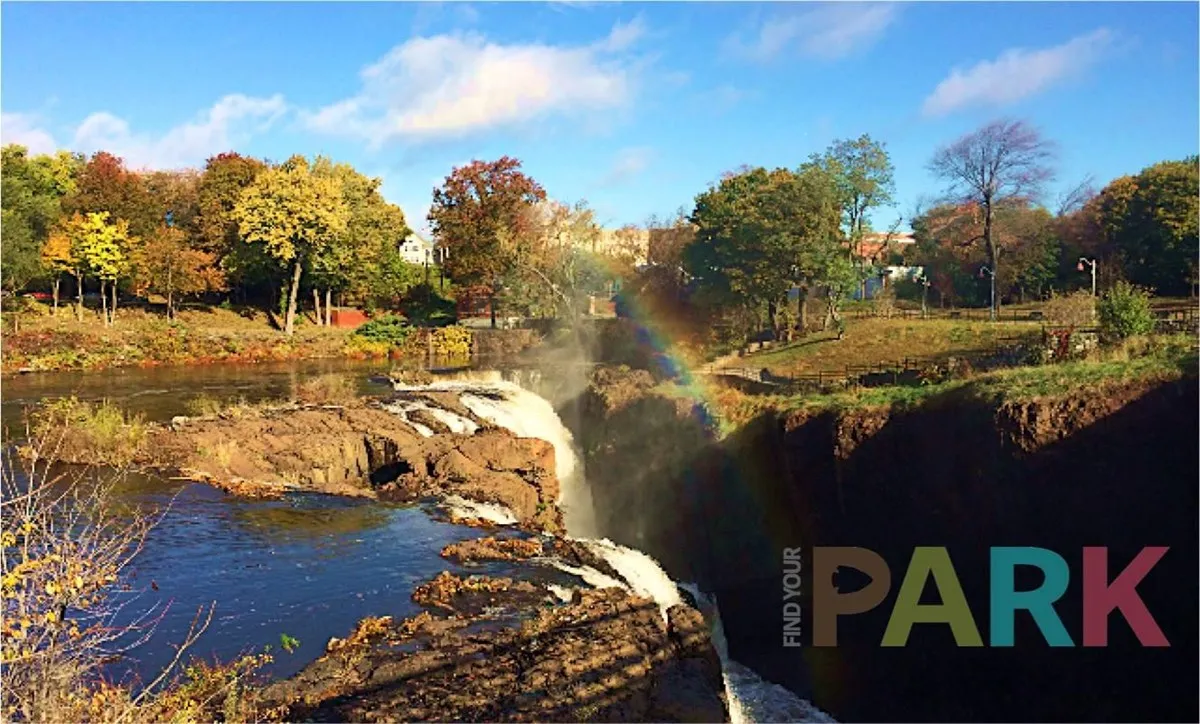
The Great Falls drops about 77 feet between basalt cliffs. From the park's overlooks, you can see the water, the gorge and the bridge that frames the scene. Flow and mist change with weather and river conditions, so no photograph captures every visit. Stay behind railings and keep children close near the water.
The National Park Service identifies its main visitor parking area at 72 McBride Avenue Extension. Parking can be limited on weekends and holidays; check current guidance for alternative lots and allow time to walk. The park recommends daylight for viewing the falls, and its main lot closes after dark.
2. Notice the industrial landscape
Paterson was established in 1792 as a planned industrial city centered on the water power of the Great Falls. Mills and factories later produced textiles, silk, locomotives and other goods. The surviving landscape helps show how a natural feature became part of an engineered system that powered industry.
Look beyond the waterfall itself toward the raceways and mill buildings. Water was directed through channels to serve manufacturing, connecting the river to work throughout the district. A ranger tour or interpretive sign can help make sense of features that might otherwise look like isolated walls, channels or old buildings.
3. Ask about a ranger-guided tour
The park offers ranger-guided walks when staffing and conditions allow. Schedules can change, so call the park on the day of your visit or check its current program information rather than relying on an old timetable. A guided walk adds context about the people, technology and labor behind the industrial city.
If a ranger tour does not fit your day, the free Mill Mile app offers a self-guided audio walk. Download it before arriving and bring headphones if you prefer. A self-guided route also lets you spend more time at the overlooks and return to features that interest you.
4. Walk the surrounding historic district
The park is woven into a living city, not isolated from it. Streets, former industrial buildings and public spaces tell a continuing story of Paterson's communities. Use designated walkways, respect private property and pay attention at road crossings as you move between viewpoints.
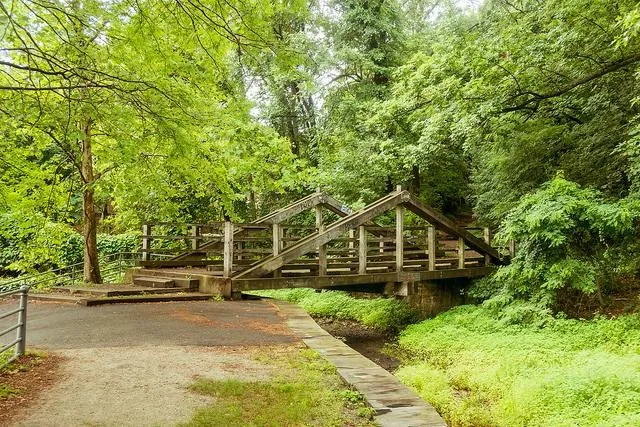
The bridge over the upper raceway and the Old Stoney Road area offer a different perspective from the main falls overlook. Check current access and trail conditions before making a particular route essential to the day. Good walking shoes and a little extra time make it easier to explore without rushing.
5. Plan for an outdoor visit
The park says it currently has no indoor visitor center or indoor visitor facilities. Portable toilets may be available during staffed hours, but availability depends on staffing. Check the current operating-hours page before you arrive, particularly if accessible facilities are important to your group.
Dress for the forecast, bring water and take care on wet or icy surfaces. The falls generate mist, and weather can change the comfort of an exposed overlook. Contact the park for current accessibility information and tour options if anyone in your party needs accommodations.
6. Leave time to experience Paterson
A rewarding first visit can begin at the falls, continue with a ranger or self-guided walk, and leave time to explore more of the city. The National Park Service maintains information on nearby attractions, including museums and historic sites; check individual hours before adding them to the itinerary.
Great Falls is more than a dramatic waterfall. Its power shaped the growth of a city, and the people who worked and lived around it shaped the meaning of that history. Give yourself time to look at the landscape from more than one viewpoint, and check current park notices before setting out.