In West Orange, Thomas Edison National Historical Park preserves the places where a large team developed and refined inventions—and where the Edison family lived nearby. Belts and pulleys, workbenches, a library and a Victorian estate offer a view of innovation as a sustained process involving many people. A little advance planning helps you see both the laboratory and Glenmont.
1. Begin at the laboratory complex
The park's laboratory complex is at 211 Main Street in West Orange. Start at the visitor center for orientation, entry information and current schedules. The National Park Service directs all visitors, including those with Glenmont tour tickets, to stop here first and obtain a grounds pass before proceeding to the estate.
The laboratory and Glenmont are separate locations, so allow travel time between them. Check the park's current hours and seasonal closures before leaving; building access and staffing can change. Parking is available near the laboratory, and staff can explain the day's options.
2. Explore the machine shops and library
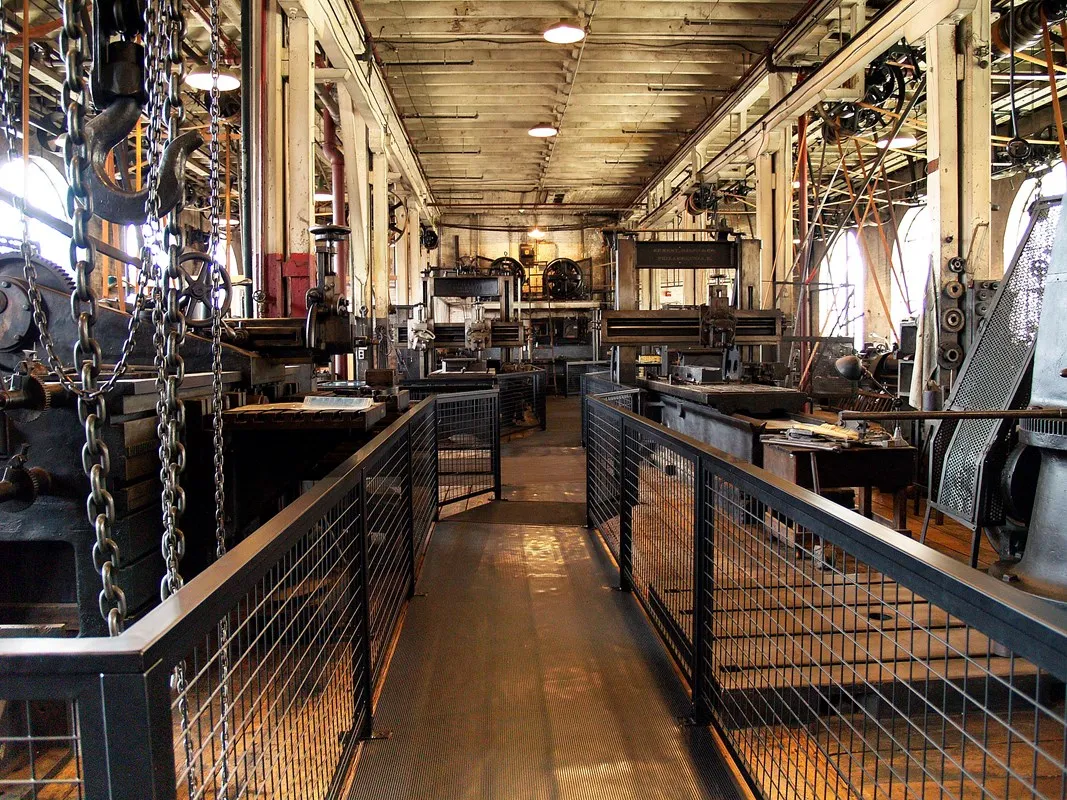
The main laboratory building contains Edison's library, machine shops, music room and other exhibits. In the machine shops, look up as well as down: belts and pulleys once transmitted power to equipment throughout the workspace. The rooms make the scale of the operation visible in a way that a list of patents cannot.
These spaces also invite a broader story than a single inventor working alone. Skilled machinists, experimenters and other employees contributed to research, prototypes and production. Use the park's exhibits and audio tour to learn how their work came together and how ideas moved from experiment toward usable products.
3. Look for sound, film and experimentation
Edison's work touched recorded sound and motion pictures as well as electrical technology. Exhibits in the laboratory complex provide opportunities to see objects associated with those experiments and the people who worked on them. Ask staff which rooms and demonstrations are available on the day of your visit.
In the courtyard, the Black Maria replica evokes an early motion-picture studio. It is a replica rather than the original building, a useful distinction when reading the site's history. An NPS app tour can help explain the courtyard's other historic structures at your own pace.
4. Plan ahead for Glenmont
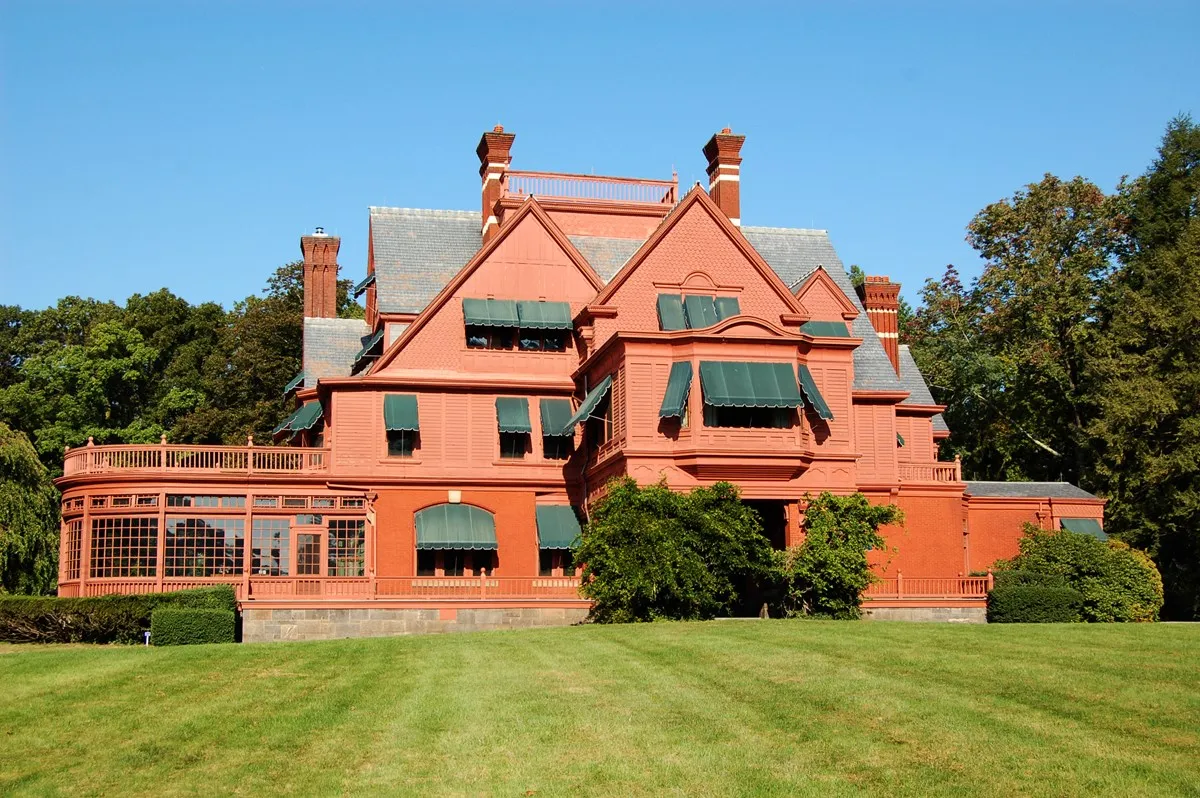
Glenmont was the Edison family's estate in nearby Llewellyn Park. The grounds and mansion offer a different perspective on the family's life outside the laboratory. Access is controlled: first obtain the required grounds pass at the laboratory visitor center, even if you have a house tour reservation.
Mansion tours have limited capacity and operate seasonally on selected days as staffing permits. Advance reservations are made through Recreation.gov, and every member of a party—including children—needs a ticket. The park says a limited number of same-day tickets may sometimes be available at the laboratory visitor center, but they cannot be held in advance. Check the latest tour page and conditions before traveling.
The NPS advises allowing enough time to reach the estate before your tour. The house tour involves several flights of stairs and standing; consult the park for current accessibility details and alternatives. Grounds, greenhouse and garage access can also depend on weather and staffing.
5. Make the visit your own
A focused visit can center on the main laboratory and courtyard. With a confirmed house tour and more time, add Glenmont to see how the work and family settings fit together. Audio tours let visitors linger over the rooms that most interest them, whether that is machinery, music or the history of filmmaking.
Before departure, check the official hours, alerts and tour requirements rather than assuming the estate and laboratory share an identical schedule. The reward is a richer picture of an inventive workplace and the people connected to it, preserved in the New Jersey community where so much of that work took place.