The Blackstone River once powered a wave of industrial change that reshaped work and communities across the United States. Today, a Rhode Island day trip can connect that story to a historic mill in Pawtucket and a quieter canal-side landscape in Lincoln.
Blackstone River Valley National Historical Park includes places spread across Rhode Island and Massachusetts. This itinerary focuses on two Rhode Island stops, with different addresses and different seasonal schedules. Check current hours before leaving home and allow time to travel between them.
1. Begin at Old Slater Mill in Pawtucket
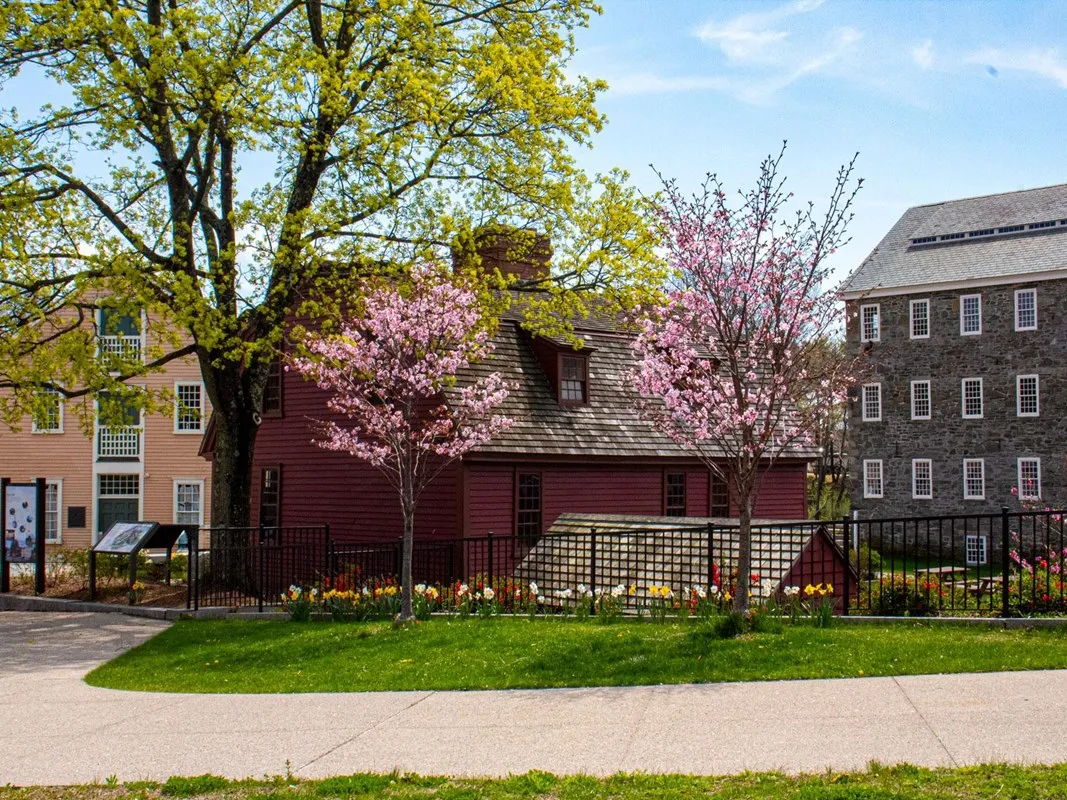
Old Slater Mill at 67 Roosevelt Avenue is a practical place to start. Constructed in 1793, the mill represents an early successful application of water-powered cotton spinning technology in the United States. Its story helps explain how work moved from households and small workshops into an industrial system with new schedules, machines and communities.
The National Park Service operates a visitor contact station in the mill and offers ranger-led tours when staffing and the season permit. The grounds around the historic buildings are open daily from dawn to dusk, while indoor access is seasonal. Check the park's latest schedule and tour information before you go.
As of November 16, 2026, the park lists the contact station and guided tours on Fridays and Saturdays through November 28. Its schedule then lists the contact station closed for winter until April 2027. The Wilkinson Mill and Sylvanus Brown House are currently closed to the public. Do not assume a grounds visit includes access to each building.
2. Ask how industrialization changed daily life
The mill is a compelling starting point because its machinery was connected to larger social changes. Water power, investment and technical knowledge mattered, but so did the labor of the people who operated machines and sustained mill communities. Ranger interpretation can help connect the building to the working lives behind it.
Consider the sources of raw cotton and the wider systems of labor and trade that supported textile manufacturing. An industrial history tour is richer when visitors ask where materials came from, who did the work and who benefited. Families can use those questions to move beyond a simple story of invention.
The park says a typical guided tour lasts about 30 to 45 minutes. Tour size and availability may be limited, and extreme heat can modify or cancel a program. Ask staff about current conditions and accessibility; the mill is described as accessible, though it has uneven floors, and the park can discuss accommodations.
3. Continue to the Blackstone River State Park area
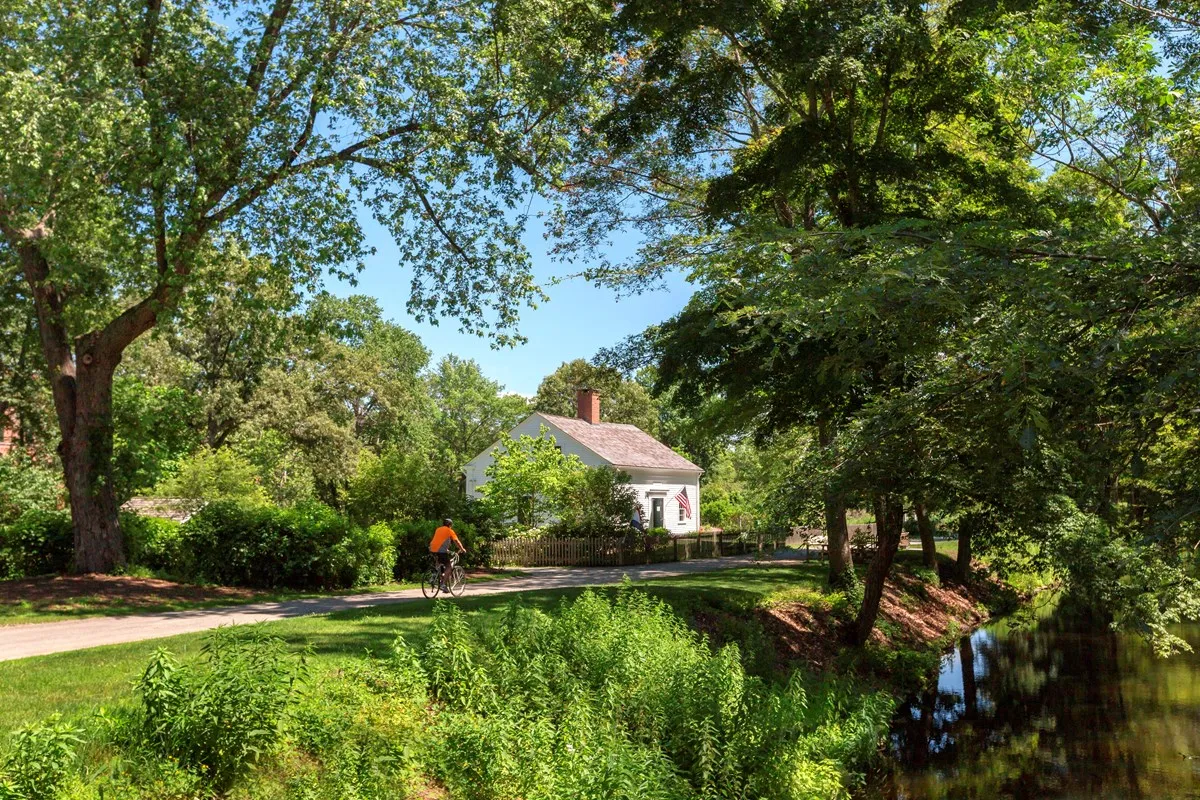
The Blackstone River State Park and Kelly House area in Lincoln provides another setting for understanding the valley. The park says visitors can walk or bicycle along the Blackstone Bikeway and explore the river and canal landscape. In suitable winter conditions, the route may also be used for snowshoeing.
The historic canal and towpath add transportation to the story introduced by the mill. Moving raw materials and finished goods was an essential part of an industrial region, and waterways helped connect communities before modern highways. Pause at interpretive panels and consider how the landscape served both industry and the people who lived nearby.
The park grounds are listed open daily from dawn to dusk. The National Park Service notes that restrooms and drinking water are currently unavailable at this site, so plan accordingly. Surfaces and weather can affect a walk or ride; use a current map, share the path and turn around if conditions become unsafe.
4. Check the Kelly House museum's seasonal access
The Captain Wilbur Kelly House Museum of Transportation is operated by the Rhode Island Department of Environmental Management and opens on a limited seasonal basis. Its exhibits introduce transportation history and add another perspective to the canal landscape. Because schedules can differ between the museum and surrounding grounds, verify the current building hours directly before promising an indoor visit.
If the museum is closed, an outdoor visit may still be worthwhile when the grounds are open. Treat the site as a separate stop from Old Slater Mill, with its own address and parking arrangements. Leave enough daylight for a comfortable return, especially in late fall and winter.
Anyone planning a longer bike ride or needing a specific accessible route should check the current trail information and contact the appropriate park staff. A route that looks level on a map may still have crossings, changes in surface or temporary closures.
5. Build a day around two manageable stops
Start with a confirmed ranger tour at Old Slater Mill, leave time for lunch, then visit an open section of the Blackstone River State Park area. If the mill interior is closed for the season, check whether a grounds walk and interpretive panels provide the experience you want, or plan the indoor portion for a later date.
Admission to the national historical park is listed as free, but verify any separate service or program arrangements before traveling. Bring water, comfortable shoes and a layer for a river-side walk. If weather turns poor, a shorter visit focused on the mill may make more sense than trying to complete the entire itinerary.
The two stops tell connected stories at different scales: a building where machines transformed work and a valley where water and transportation helped connect communities. Together they make a thoughtful Rhode Island outing with room for both history and fresh air.