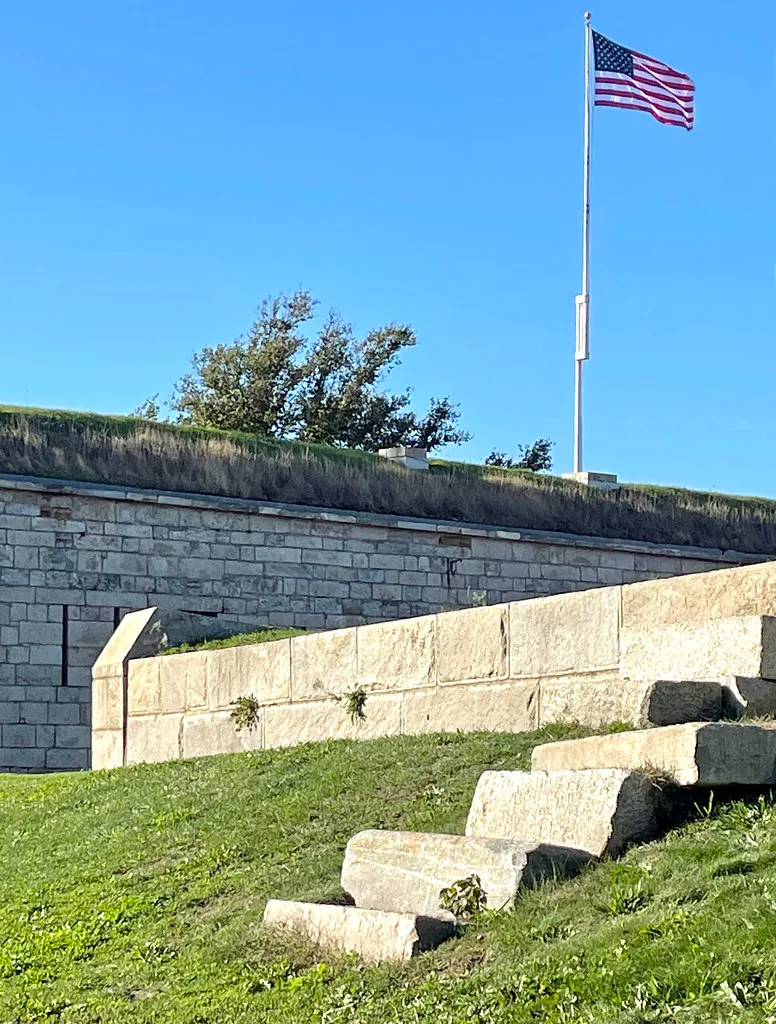
Rhode Island may be small, but its coast offers several very different ways to spend time watching wildlife. One refuge sits on a headland near Newport, another combines woodland and salt pond habitats, and a third requires an island crossing before the shoreline comes into view.
Sachuest Point, Ninigret and Block Island National Wildlife Refuges each protect sensitive habitat. None promises a particular bird or a perfectly calm day, but each rewards patient visitors. Choose based on your transportation, available time and the kind of landscape you want to explore.
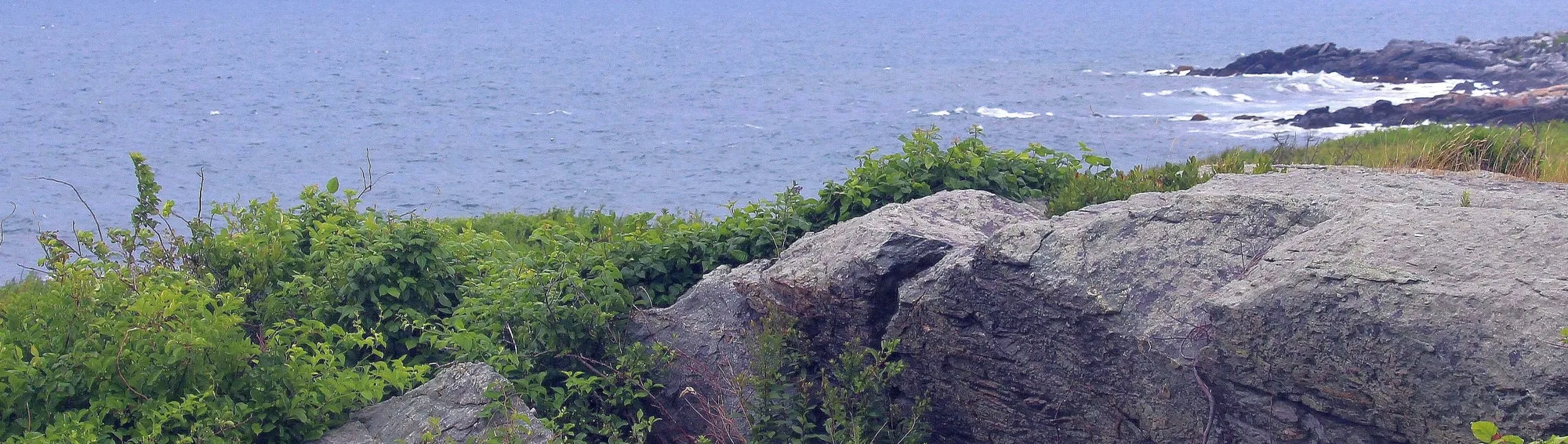
1. Sachuest Point: A coastal walk near Newport
Sachuest Point National Wildlife Refuge in Middletown is a practical choice for visitors already on Aquidneck Island. The refuge offers coastal paths and opportunities to watch migratory birds, with the Atlantic close by. Bring binoculars, dress for wind and give yourself time to stop and look rather than rushing around the route.
The U.S. Fish and Wildlife Service lists the trails open from sunrise to sunset and the visitor center open daily from 10 a.m. to 3 p.m.; check current hours before you go. Parking can fill on busy weekends and event days. Bicycles are not permitted on the trails, and pets are not allowed; service animals are allowed under the refuge's stated rules.
This is a good choice for a shorter outing without a ferry crossing. Stay on designated paths, respect any seasonal wildlife closures and keep a safe distance from the shoreline. Winter can bring rewarding birdwatching as well as cold, exposed conditions, so check the forecast and wear suitable layers.
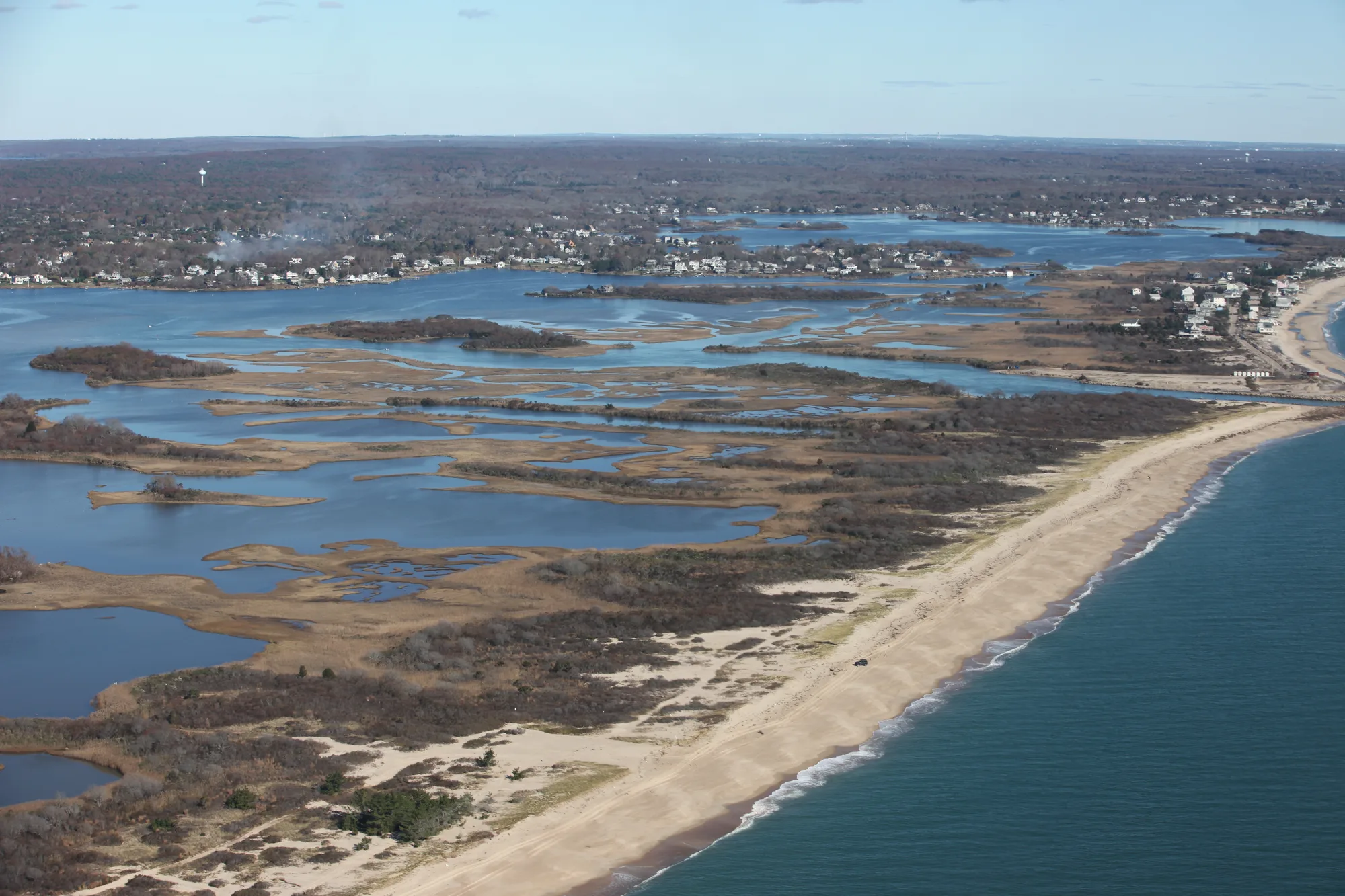
2. Ninigret: Woodland paths and a coastal pond
Ninigret National Wildlife Refuge in Charlestown provides a different mix of habitats. At the Kettle Pond unit, visitors can see exhibits and use trails leading toward Watchaug Pond and an observation tower. The Salt Pond unit offers additional paths and views toward a coastal salt pond, as well as interpretation of the area's former use as a naval airfield.
The units are separate, so check the official map and directions for the one you intend to visit. Trails are listed open sunrise to sunset, while the Kettle Pond Visitor Center's hours change with the season. Bring water and check current notices, especially during hunting seasons when access may be affected.
Dog rules differ within the refuge: leashed dogs are allowed on Kettle Pond Visitor Center trails except the Toupoysett Pond Trail, while pets are otherwise prohibited under the published refuge rules. Service animals are allowed under the ADA. Check the most recent policy before bringing an animal.
Ninigret suits visitors who want a choice between woodland and more open coastal scenery. Sandy Point Island has a separate seasonal pass requirement from Memorial Day through Labor Day, so confirm access and transportation if the island is part of your plans.
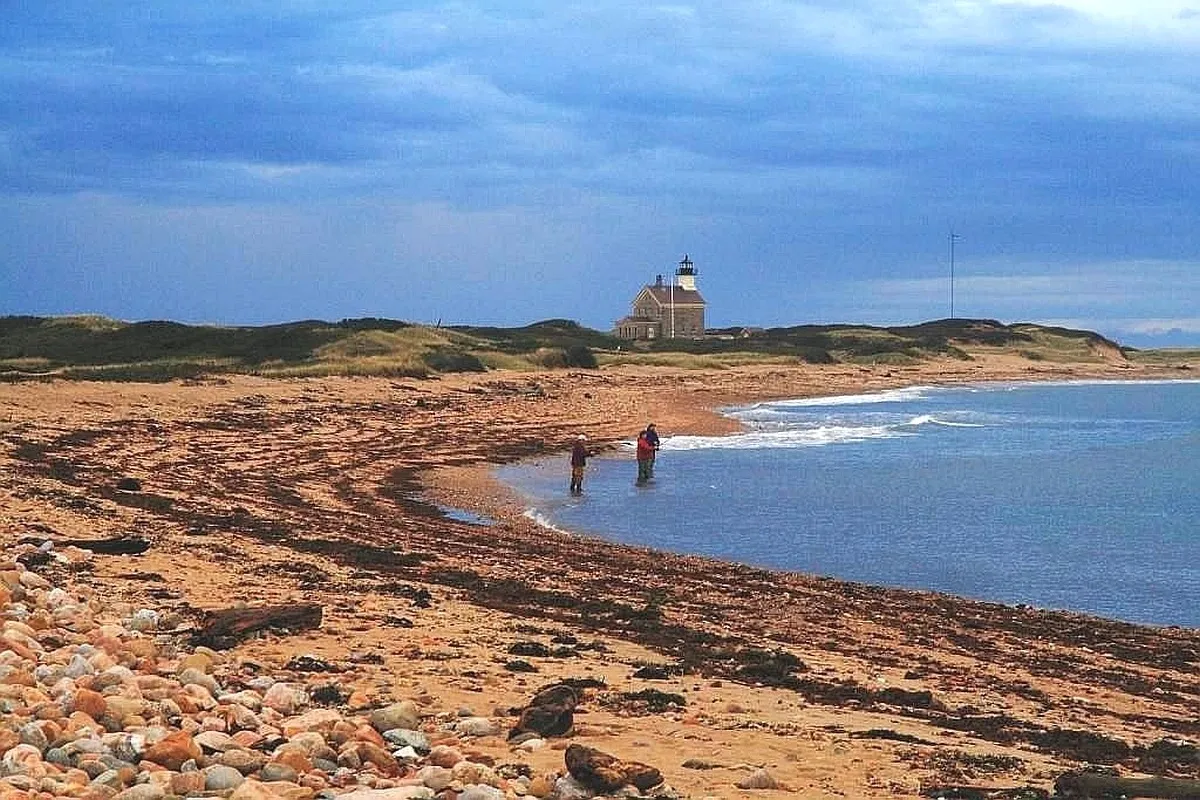
3. Block Island: Make the crossing part of the adventure
Block Island National Wildlife Refuge is the most involved trip of the three. Reaching the island requires a boat or flight; the Fish and Wildlife Service lists year-round passenger ferry service from Point Judith and seasonal service from Newport and Montauk. Confirm current schedules and return arrangements with the operator before departure.
The refuge is about four miles from the island ferry landing, so plan transportation across the island too. At the northern end, the historic North Light stands adjacent to refuge land. The agency says there are no maintained public trails on the refuge, but visitors can walk along open shoreline near the light. Sand and coastal weather can make the outing more demanding than its mileage suggests.
The refuge is open dawn to dusk, with parts of the beach closed during nesting season, generally March through October. Pets are not allowed, with service animals allowed under the ADA. Keep outside signed or roped areas and remain at least 50 yards from seals, as the refuge directs. Check separately for lighthouse interior hours; an open refuge does not mean the building is open.
Block Island is the choice for a full day or overnight trip when the crossing itself is part of what you want. Pack layers, water, sun protection and any medication you need, and leave time for the return journey.
Choose the outing that fits your day
For a convenient coastal walk near Newport, start with Sachuest Point. For a mix of woodland and pond habitats reached by car, consider Ninigret. For a ferry journey and an exposed island shoreline, plan Block Island carefully around transport and weather.
At every refuge, check current hours, temporary closures and activity-specific rules before leaving. Stay on open routes, give wildlife space and take your trash home. A respectful visitor can enjoy a memorable day while leaving birds and other animals room to rest, feed and nest.