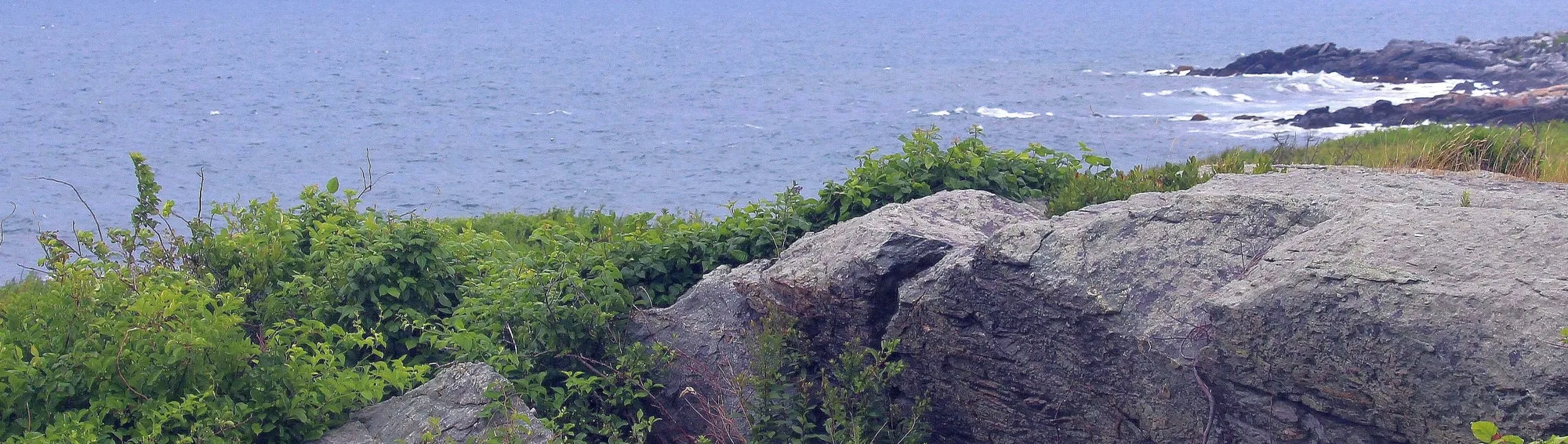
Rhode Island's history is easier to appreciate when you can walk the places where it unfolded. A compact memorial in Providence, a mill and canal landscape in the Blackstone Valley, and a harbor fort in Newport offer three distinct starting points for a day out.
These are separate trips rather than a single walking route. Each has its own operating hours and seasonal considerations. Choose the story that interests your group most, check the current information and leave room to explore at a comfortable pace.
1. Providence: Freedom of conscience and a historic spring
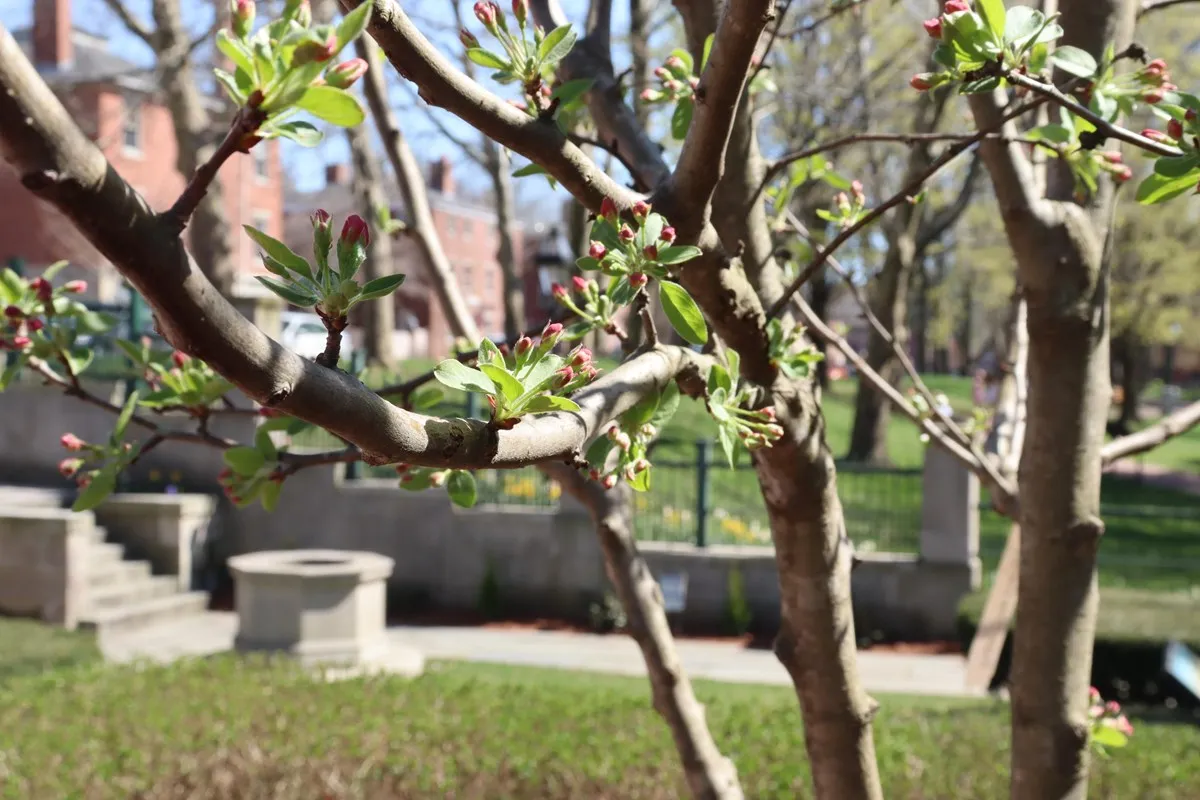
Roger Williams National Memorial sits at 282 North Main Street in Providence. Its grounds, interpretive panels and visitor center introduce the life of Roger Williams and the principle of freedom of conscience. A small historic well marks the location of a freshwater spring associated with the early settlement.
Williams was banished from Massachusetts and founded Providence in 1636 after receiving help from Native people. The park provides an opportunity to discuss religious liberty while also recognizing that the area was Indigenous homeland before European settlement. Seek out Indigenous perspectives as you continue learning about the region.
The memorial grounds are listed open dawn to dusk, while the visitor center has more limited hours. As of November 2026, the center lists Thursday through Sunday hours, 10 a.m. to 4 p.m., with holiday closures. Check the latest schedule before traveling. The visitor lot is free with a two-hour limit, so arrange different parking if your city itinerary runs longer.
This stop works well for travelers who want a shorter outdoor walk and time for a museum or meal elsewhere in Providence. Ask staff about accessible routes and current programs. The grounds are compact, but the ideas they introduce can sustain a much longer conversation.
2. Blackstone Valley: A mill, workers and a canal
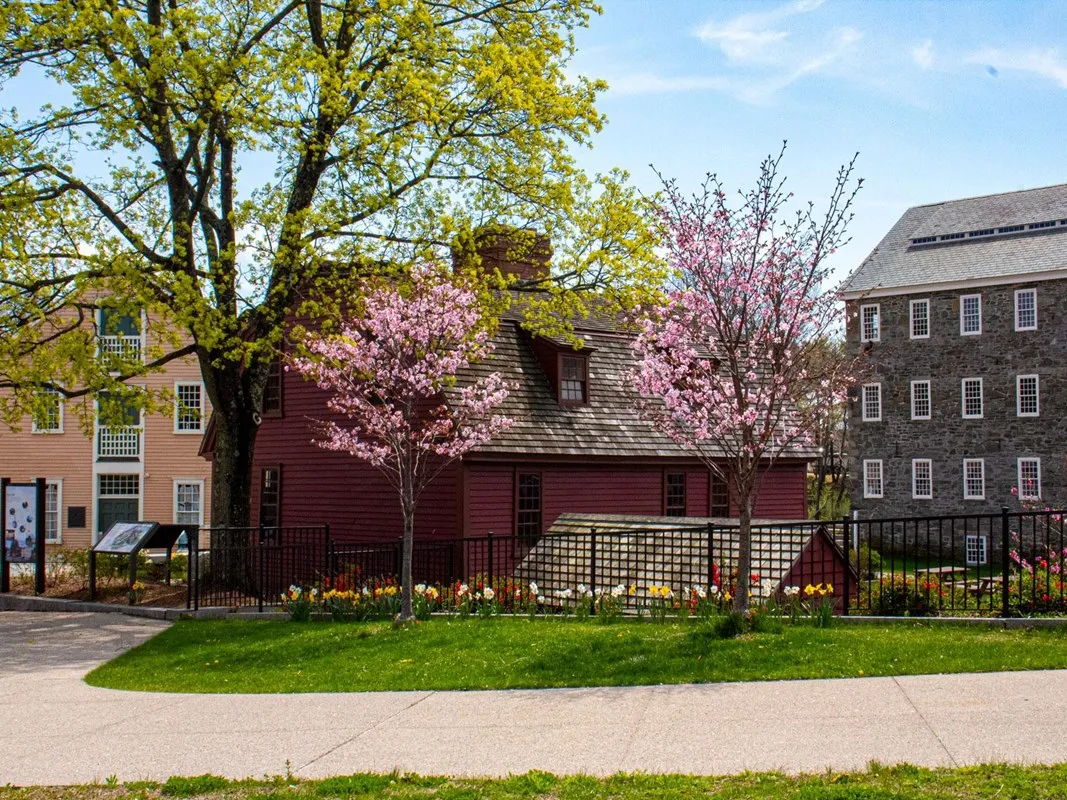
Old Slater Mill in Pawtucket introduces the industrial transformation associated with water-powered cotton spinning. The mill, constructed in 1793, is part of Blackstone River Valley National Historical Park. A ranger-led tour can connect machinery and architecture with changes in work, communities and the movement of goods.
The National Park Service lists the Old Slater Mill visitor contact station and tours on Fridays and Saturdays through November 28, 2026, followed by a winter closure until April 2027. The grounds remain open dawn to dusk. Wilkinson Mill and the Sylvanus Brown House are currently closed to the public. Check the park's latest notices because schedules and tour availability can change.
Ask about the people whose labor sustained the industry, and consider the sources of the cotton processed in New England mills. This broader context makes the visit more than a story of technology. The park says tours typically last 30 to 45 minutes; ask about uneven floors and accommodations if access is a concern.
For a second stop, drive to the Blackstone River State Park and Kelly House area in Lincoln. The canal and towpath add the story of transportation to the industrial landscape. Grounds are listed open dawn to dusk, while the Kelly House museum operates seasonally. The park notes that restrooms and drinking water are currently unavailable at the site, so plan accordingly.
This itinerary suits a group interested in how everyday work and travel changed. It does involve travel between sites, so confirm addresses and leave time for a meal rather than assuming the mill and canal are steps apart.
3. Newport: A fort guarding the harbor
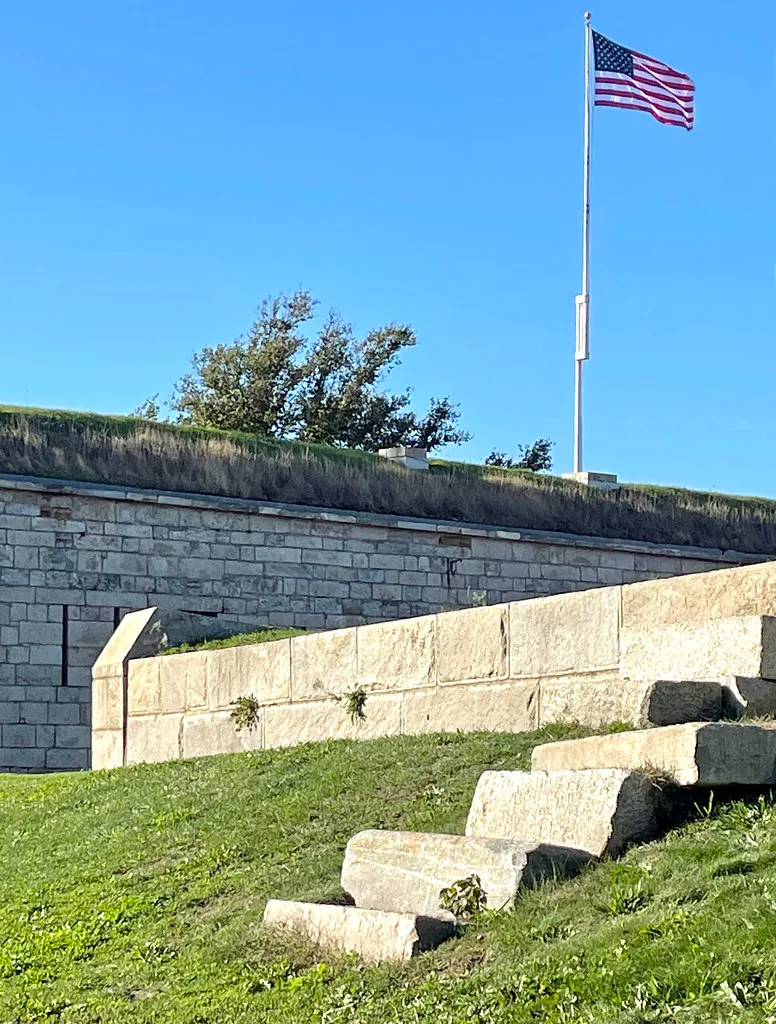
Fort Adams State Park occupies a strategic point at the mouth of Newport Harbor. Its views across the harbor and East Passage of Narragansett Bay help explain why the location was used for defense. The park now offers walking and other outdoor recreation alongside the surviving historic fortifications.
The state says Fort Adams served the Army for more than a century and later the Navy before the property was deeded to Rhode Island in 1965. Walls, magazines and tunnels are reminders of its military role. The nonprofit Fort Adams Trust operates the historic fort and offers tours when scheduled; check its current hours, ticket details and accessibility information before visiting.
An outdoor walk can still be worthwhile when an interior tour is unavailable. Stay in open public areas, respect barriers and keep children close near the shoreline and fortifications. Historic tours may include stairs, uneven surfaces or enclosed spaces, so ask the operator about the specific route before buying tickets.
Fort Adams also hosts major summer events, including folk and jazz festivals. A festival can change traffic, parking and access, so check the park and event information for your date. Bring water and a layer for the exposed waterfront, and follow Rhode Island's carry-in, carry-out policy.
Pick a trip and plan around the season
Choose Providence for a compact visit centered on ideas and early settlement; choose the Blackstone Valley for industrial and transportation history; choose Fort Adams for a harbor setting and military architecture. Each can be paired with a meal or another attraction, provided you check that destination's own hours and leave enough time between stops.
Historic buildings and outdoor paths can present different accessibility challenges. Contact the operator in advance for current details, and check weather and temporary closures on the day. A thoughtful plan gives you more time to listen, look and connect the places with the people who shaped them.