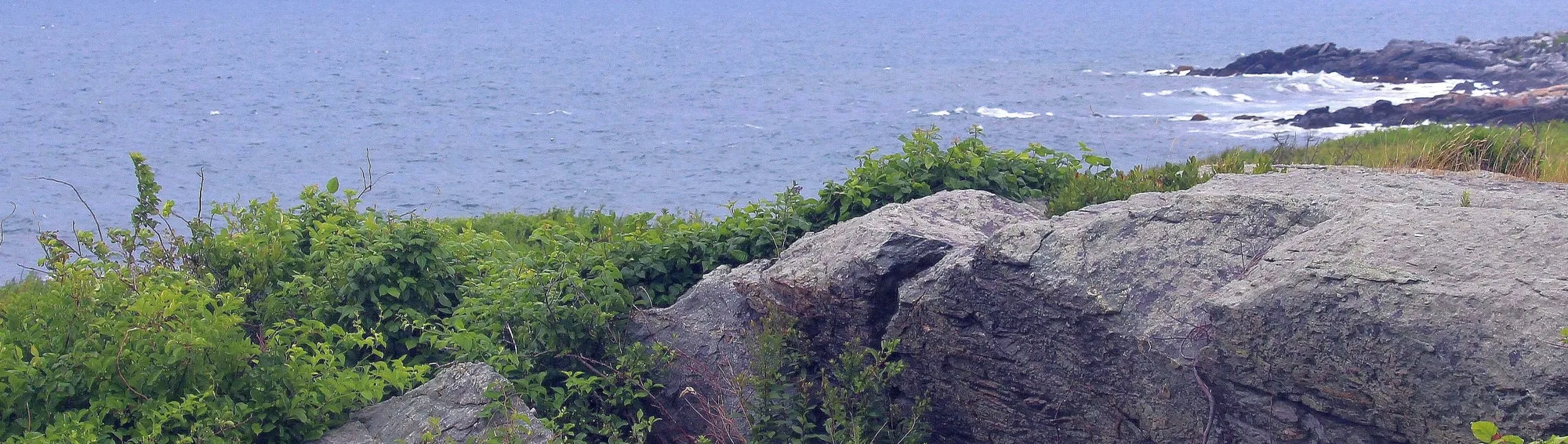
The journey to Block Island is part of its appeal. After a ferry crossing from mainland Rhode Island, visitors can trade the mainland's pace for an island of coastal views, wildlife habitat and small-town streets. At its northern end, Block Island National Wildlife Refuge protects a particularly important place for migratory birds and other wildlife.
This is a trip to plan around transportation and conditions. The refuge is about four miles from the island ferry landing, so stepping off the boat is only the beginning. Check ferry schedules, weather, island transportation and refuge notices before committing to a day trip.
1. Choose your crossing carefully
The U.S. Fish and Wildlife Service says passenger ferries serve Block Island from Point Judith year-round, with seasonal connections from Newport and Montauk. Schedules, fares and weather policies belong to the individual ferry operators and can change. Confirm the correct departure point, the return sailing and any reservations before traveling.
Leave a margin around the last boat back. A full day on an island can pass quickly, and weather or transportation changes may affect your plans. If a tight return connection would make the trip stressful, consider staying overnight and verify accommodations ahead of time, especially during busy months.
Pack for both the crossing and time outdoors: water, layers, sun protection and any medication you need. Even a pleasant mainland forecast can feel different on an exposed island shore. In cooler weather, wind and spray make a warm outer layer particularly useful.
2. Plan the trip from the landing to the refuge
Block Island National Wildlife Refuge is made up of several separate parcels, and the northern refuge area is roughly four miles from the ferry landing. Decide in advance how you will get there and back. Local transportation availability can vary by season; confirm your options directly with the operator and allow time for the return.
The refuge is open year-round from dawn to dusk, according to the Fish and Wildlife Service, but portions of the beach close during the nesting season, generally March through October. Temporary closures may also protect wildlife or public safety. Follow posted signs and barriers on the ground, even if a map or old photograph shows a route that appears open.
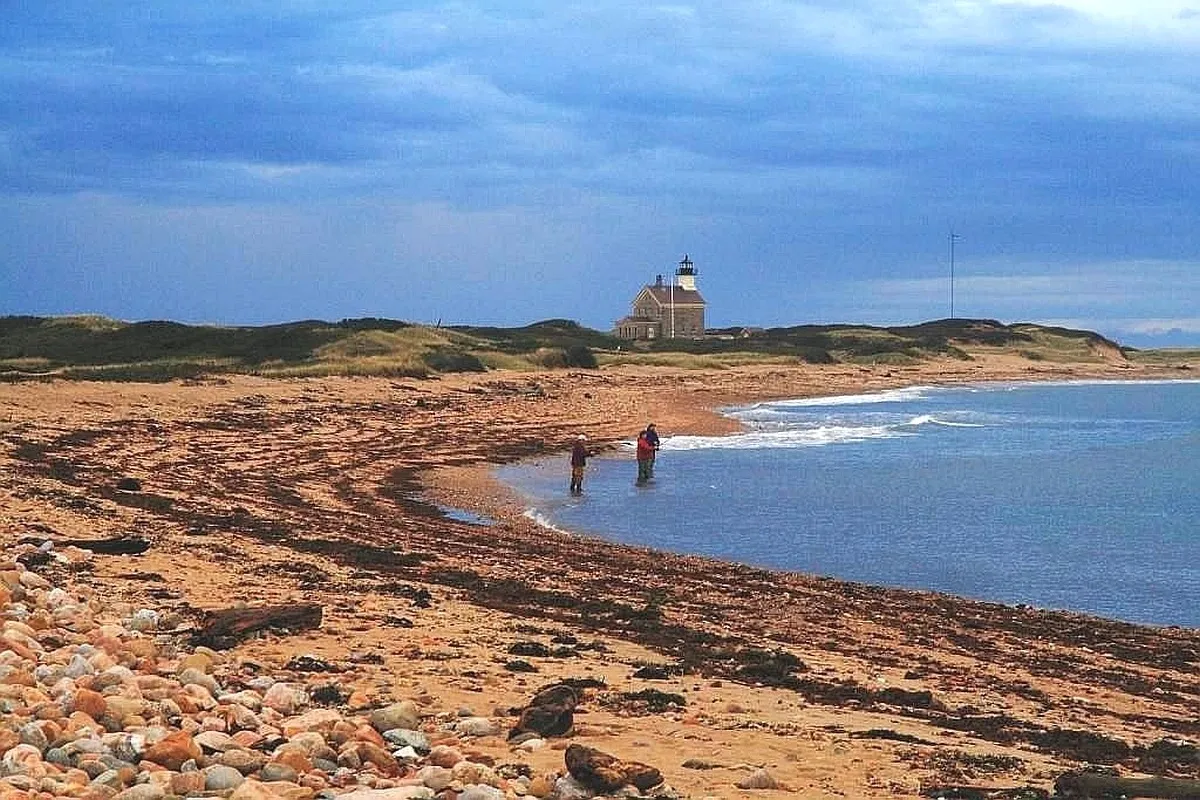
There are no maintained public trails on the refuge, the agency says. Visitors may walk along open shoreline near North Light, but sand, weather and tides can make footing difficult. Ask refuge staff about current access if you need a specific route or accessibility accommodation.
3. Look for North Light without treating the shore as a shortcut
The historic North Light stands adjacent to the refuge and gives the island's northern shoreline a recognizable landmark. Its position tells a maritime story as well as a conservation story: the same coast that draws travelers also provides habitat for birds and other animals.
Approach the area as an exposed shoreline rather than an ordinary paved park. Keep clear of rough surf, watch changing weather and avoid routes that are closed or marked to protect nesting wildlife. Sand can be tiring to walk on, so choose a distance that leaves enough energy for the return to your transportation.
If touring the lighthouse building is important to your visit, check the responsible local operator's current schedule separately. Do not assume the interior is open simply because refuge lands are open during daylight. A view from an authorized public area can still be a memorable part of the day.
4. Make wildlife watching the main event
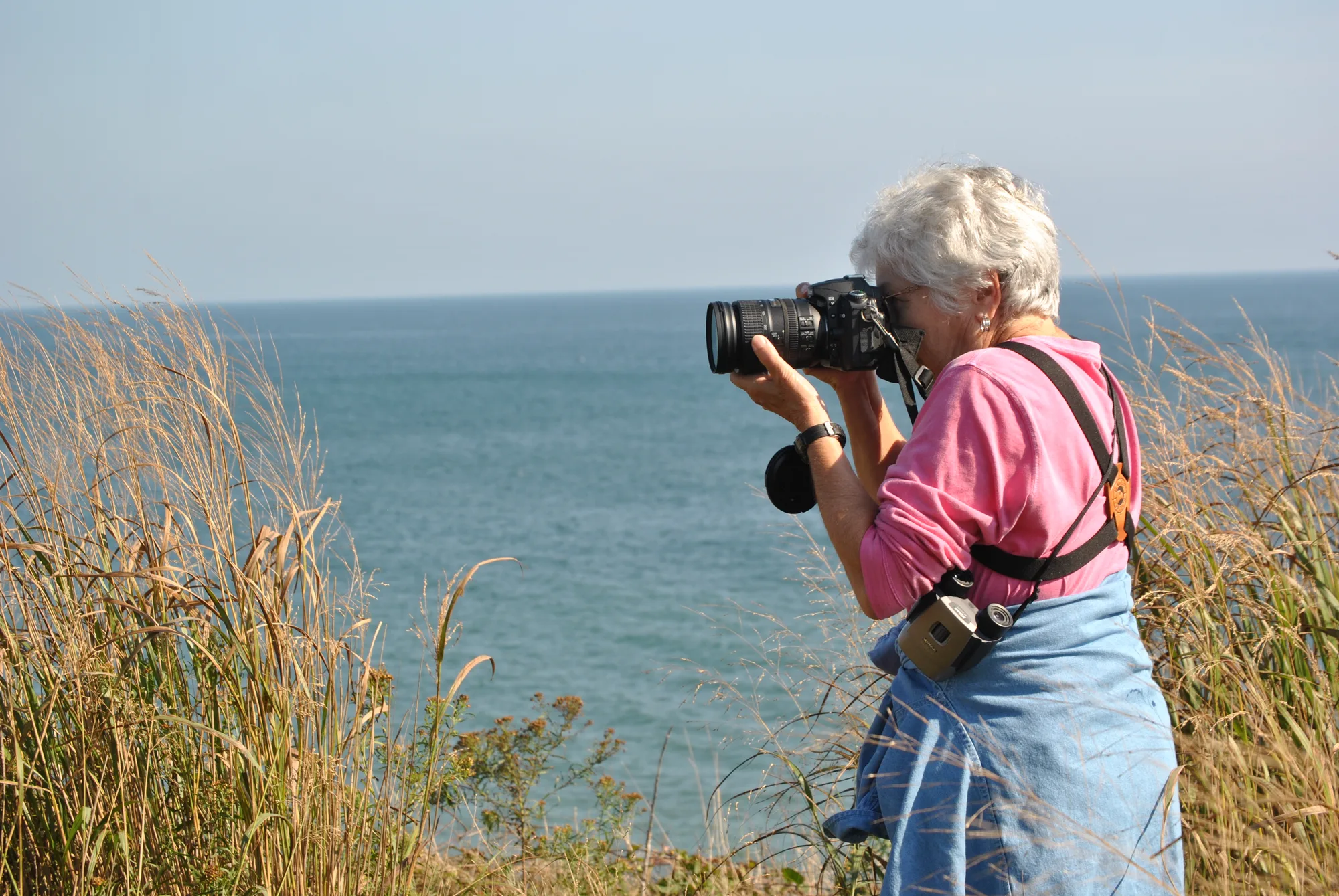
The refuge is a stopover for many migratory songbirds, particularly in fall, and its beaches provide habitat for nesting shorebirds. Bring binoculars and observe from a respectful distance. Quiet watching can reveal much more than trying to approach every animal for a closer photograph.
Stay outside roped or signed nesting areas and give birds room to feed and rest. The agency also asks visitors to remain at least 50 yards from seals. If you encounter an injured or stranded animal, do not touch it; consult the refuge's wildlife-watching page for the appropriate reporting contact.
Pets are not allowed on the refuge, with service animals allowed under the ADA. This rule applies to the refuge specifically; other island destinations may have their own policies. Check before bringing a dog so the people and animals in your group can enjoy a trip that fits the rules.
5. Give the island more than a rushed afternoon
A practical first visit could start with an early ferry, continue to an open refuge area for a shoreline walk and wildlife watching, then return toward the ferry landing with time for a meal. Keep the itinerary flexible: an exposed coast is not the place to force a long walk through poor weather simply to satisfy a schedule.
The Fish and Wildlife Service recommends sun protection and water and notes that poison ivy and ticks occur on the refuge. Stay alert to your surroundings and check for ticks after time outdoors. There may be hunting activity in season, so review current refuge notices and respect posted rules.
The north end is one part of Block Island, not the whole island. If you want to visit additional beaches, businesses or historic sites, verify their individual access and hours and allow enough travel time between them. A little planning leaves room for what makes the trip special: a ferry ride, a broad coastal horizon and wildlife that has space to carry on undisturbed.