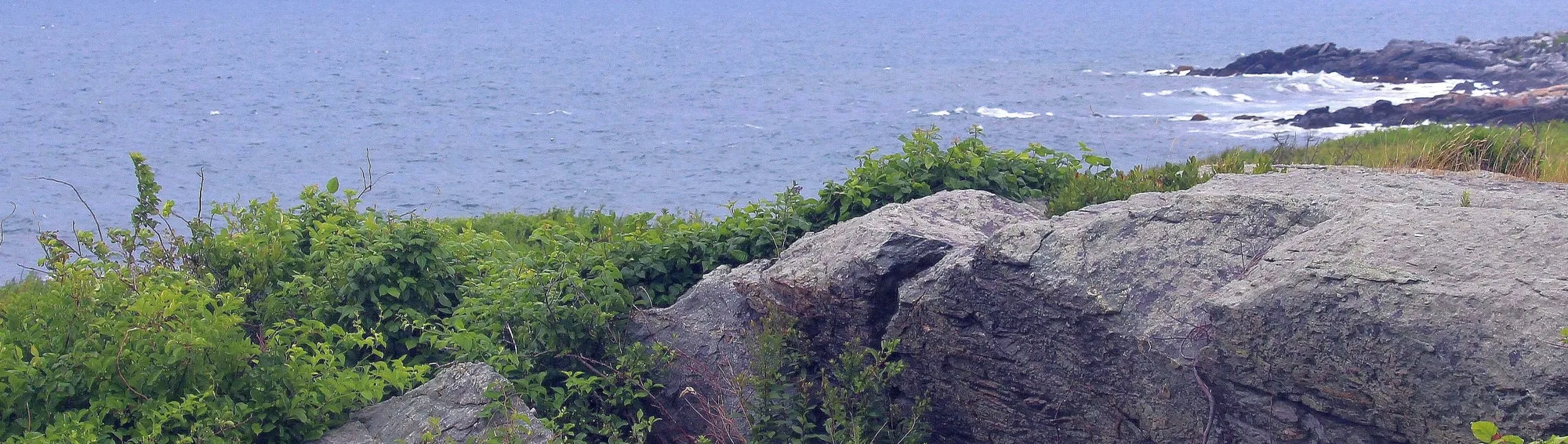
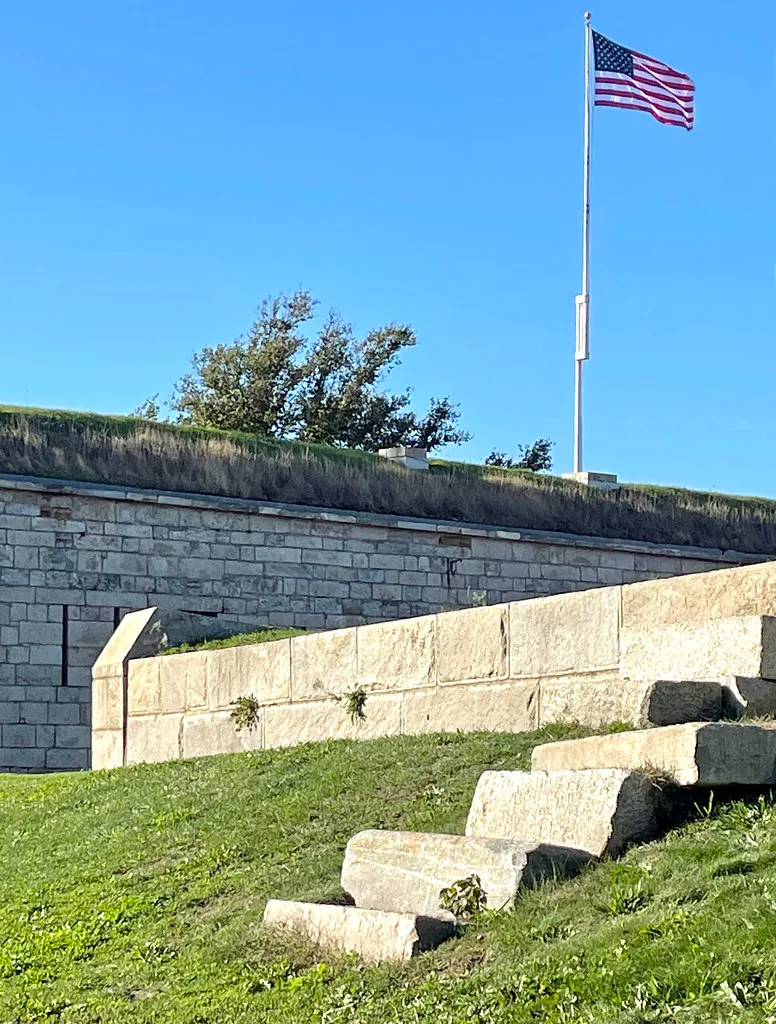
In southern Rhode Island, Ninigret National Wildlife Refuge brings together wooded trails, coastal pond views and the traces of an older landscape shaped by ice. Its separate units give visitors a choice of experiences, from the Kettle Pond Visitor Center to paths near the salt pond and a former naval airfield.
The refuge is a place to explore slowly and give wildlife room. Check current conditions before visiting, especially during hunting seasons or when special access rules apply. A few minutes with the official trail maps can help you choose the unit that best fits your day.
1. Begin at Kettle Pond Visitor Center
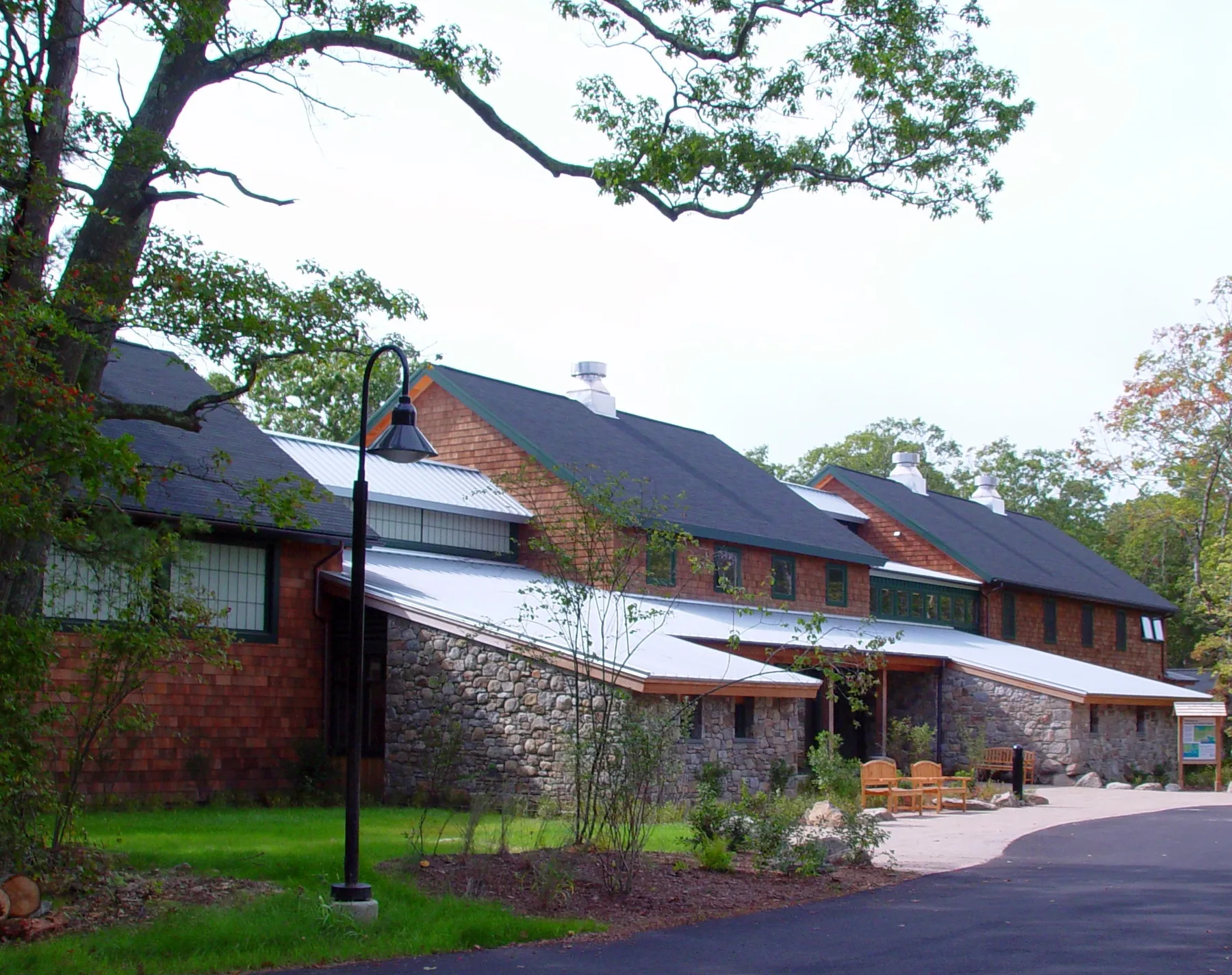
The Kettle Pond Visitor Center at 50 Bend Road in Charlestown is a useful first stop for an introduction to the refuge and the wider Rhode Island refuge complex. Habitat exhibits help visitors connect the wildlife they may see outside with the ecosystems that support it. Ask staff for a current map and any notices affecting trails or facilities.
The Fish and Wildlife Service lists winter visitor center hours as 10 a.m. to 3 p.m. daily and summer hours as 10 a.m. to 4 p.m. The refuge trails have a separate sunrise-to-sunset schedule. Confirm the current schedule before leaving home, since holidays, staffing and other circumstances can change access.
Allow time for the exhibits even if your main goal is a walk. They can be especially helpful for families or first-time birdwatchers who want to understand the habitats before looking for their inhabitants. A visit can be rewarding without checking every species off a list.
2. Explore the Kettle Pond trails
The Kettle Pond unit has approximately one and a half miles of trails, with routes leading toward Watchaug Pond and an observation tower. The refuge describes the area's ridges and depressions as features left by glacial ice. That history gives an ordinary-looking woodland walk an additional layer: the ground itself records a much older climate.
Use the current refuge map and choose a distance that suits your group. Footing, weather and daylight can change quickly, particularly in colder months. Wear comfortable shoes, carry water and ask staff about current conditions or accessible route options if you need them.
Leashed dogs are allowed on Kettle Pond Visitor Center trails except the Toupoysett Pond Trail. The refuge otherwise prohibits pets, while service animals are allowed under the ADA. Check the latest posted policy before bringing a dog and do not assume the same rules apply throughout all units.
3. Visit the Salt Pond unit for a different landscape
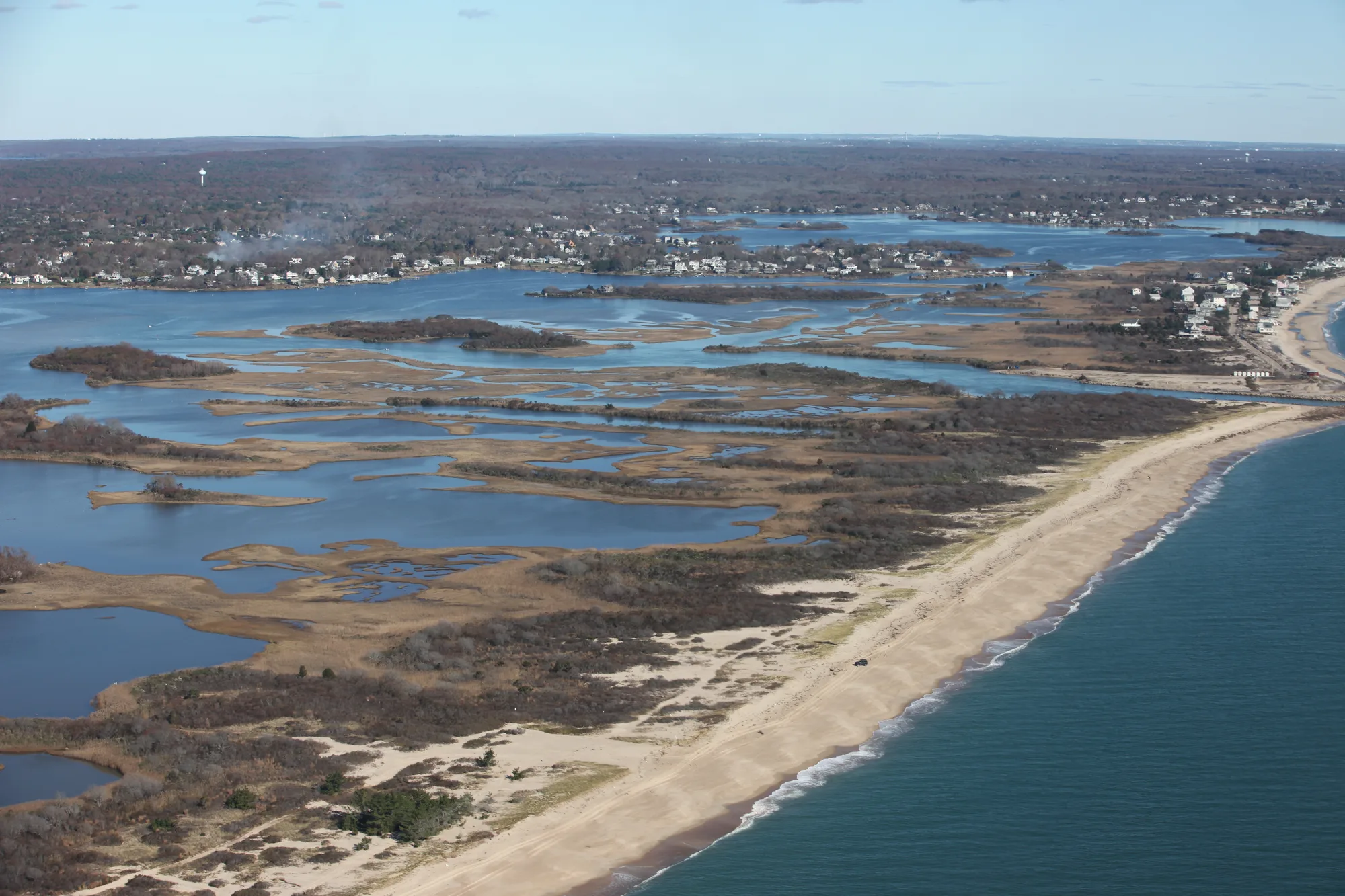
The Salt Pond unit has about three miles of trails and views toward the coastal salt pond. It also preserves a connection to the site's past as the Charlestown Naval Auxiliary Landing Fields. Open areas and water views make the experience distinct from the wooded setting around the visitor center.
The refuge identifies entrances at Ninigret West off Route 1 and Ninigret East through Ninigret Park. Check the official map and directions for the unit you want, rather than assuming every trail starts at Kettle Pond. A restroom at Ninigret East is seasonal, so confirm facilities before relying on them.
Hunting can affect public access. For example, the Salt Pond unit was scheduled to close November 14 and 15, 2026 for a specific hunt; that notice illustrates why visitors should check current alerts instead of assuming past schedules still apply. Other seasons and temporary closures may have different dates. Follow signs and any safety guidance from refuge staff.
4. Watch the birds and protect their space
Ninigret is known for birdwatching, especially during spring and fall migration. Bring binoculars and take time to scan water, vegetation and the edges of open habitat. The species visible on a particular day depend on season and weather, so treat any sighting as a possibility rather than a guarantee.
Stay on designated trails and observe from a distance. Avoid approaching nests or resting animals, leave plants and other natural features undisturbed, and take your trash with you. The refuge prohibits kite flying because kites can disturb nesting birds; bicycles and roller blades are also prohibited on refuge trails under the current rules.
If you visit during hunting season, read current refuge notices and follow the agency's safety recommendations, including its request to wear orange on the Kettle Pond trails during the listed archery season. Conditions and open areas can change, so a quick check on the day is useful.
5. Add the coast with a realistic plan
The refuge is free to visit, but the agency requires passes for Sandy Point Island from Memorial Day through Labor Day. That is a separate access consideration from an ordinary walk at Kettle Pond or the Salt Pond unit. Verify the current pass system, transportation and seasonal rules before planning an island visit.
For a first trip, a sensible plan is to begin at Kettle Pond, choose one manageable trail and then drive to an open Salt Pond access point if time and conditions allow. The units are separate, so leave time for travel between them. Add lunch in the Charlestown area or another attraction only after checking its individual hours.
The appeal is the variety within a relatively compact outing: wooded ground shaped by ice, a coastal pond and room for wildlife. A flexible itinerary lets the season and the refuge's current conditions guide the day.