Just beyond Middletown's beaches, Sachuest Point National Wildlife Refuge offers a coastal outing centered on the creatures that depend on this shoreline. Ocean views, walking paths and changing birdlife make it a rewarding stop near Newport, whether you have a short morning or a few hours to explore.
The refuge is managed for wildlife as well as public enjoyment. The best visit begins with the current rules, an eye on the weather and a willingness to slow down. Bring binoculars if you have them, but a quiet walk and a little patience can be just as useful.
1. Start at the visitor center
The refuge is at 769 Sachuest Point Road in Middletown, beyond Second Beach. The U.S. Fish and Wildlife Service lists the trails open from sunrise to sunset and the visitor center open daily from 10 a.m. to 3 p.m. Hours can change, so check before departure if you want to visit the building or need specific facilities.
Parking is available but can fill on busy weekends and event days. Arriving early and having a backup plan can save a frustrating wait. The agency lists a bathroom on the side of the visitor center with seasonal hours; verify those hours if they are important to your group.
Stop for a map and any current notices before walking. Staff can explain which routes are open, where wildlife is sensitive and what conditions to expect. The weather at a coastal point can feel colder and windier than it did inland, so carry an extra layer even when the forecast looks mild.
2. Follow the marked coastal trails
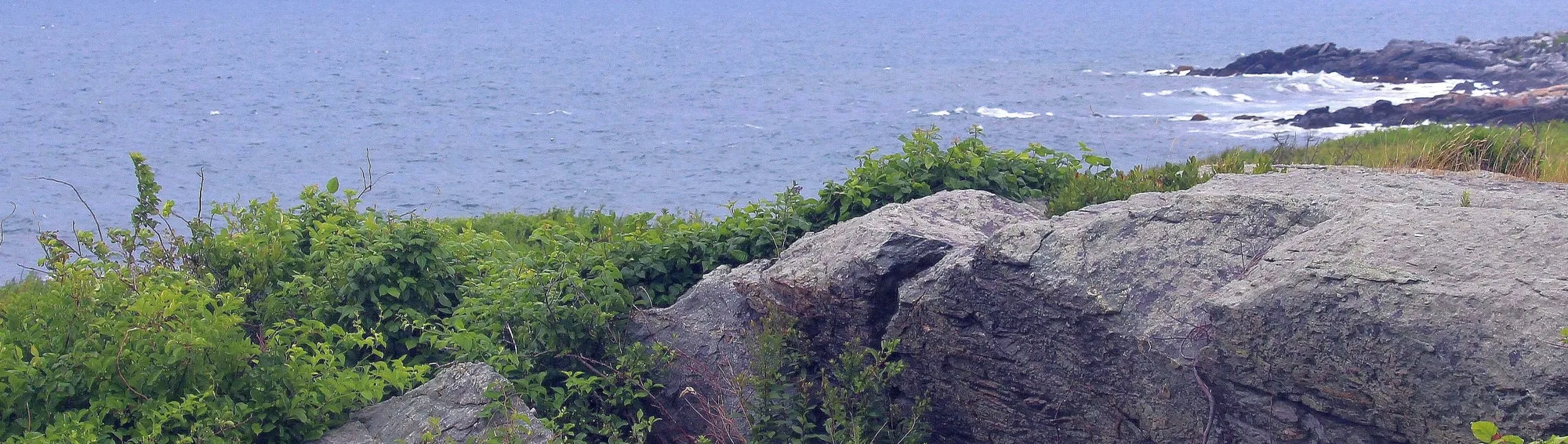
The refuge's trails allow visitors to explore habitat and views along the shoreline. Choose a route that matches your time and ability, stay on designated paths and give yourself time to stop rather than rushing from viewpoint to viewpoint. The refuge map is a better guide to current routes than a social-media photograph.
Footing and exposure can change with rain, wind, snow or ice. Wear suitable shoes and turn around if the surface or weather becomes uncomfortable. Keep children close near the coast and never cross barriers to reach the water or a more dramatic photo location.
Bicycles are not allowed on the trails or in the visitor center; racks are available near the parking lot. Anyone who needs information about accessible surfaces, grades or a particular route should contact the refuge before visiting, since conditions can change and different trails offer different experiences.
3. Watch for birds without disturbing them
Sachuest Point protects coastal habitat used by migratory species. The refuge highlights birds including the harlequin duck, piping plover and snowy owl. A particular sighting is never guaranteed: seasons, weather and the animals themselves determine what you may see.
Look from the trail, use binoculars or a long lens and give wildlife plenty of space. If an animal changes its behavior because of your presence, move farther away. Follow seasonal signs and closures, especially where nesting or resting birds need undisturbed habitat.
Winter birding can be memorable, but exposed coastal weather can also be demanding. Check the forecast, dress in layers and bring warm gloves. In warmer months, sun protection and drinking water are useful. No matter the season, a quieter and shorter visit is often more rewarding than trying to see everything at once.
4. Leave pets at home and respect the habitat
The Fish and Wildlife Service says pets are not allowed at Sachuest Point because they can disturb wildlife; service animals are allowed and must remain under leash control. This is a refuge-specific rule, so do not assume the policy is the same as a nearby beach or city park.
Stay on open paths, leave plants and natural objects where you find them and carry out trash. Disturbing wildlife for a photograph can interrupt feeding or resting at a time when an animal needs its energy. A distant view through binoculars is a better encounter for both visitors and wildlife.
The refuge also supports activities such as fishing and hunting under specific rules. Check current notices, maps, seasons and any required permits if those activities are part of your plan. Other visitors should pay attention to posted safety information and any temporary closures.
5. Pair the refuge with a Middletown or Newport day
A morning at Sachuest Point can be followed by lunch or another stop on Aquidneck Island. Choose a nearby business, beach or historic attraction that suits your group and check its own seasonal hours and access rules. Parking and crowds around Newport can vary with the calendar, so allow more time on event weekends.
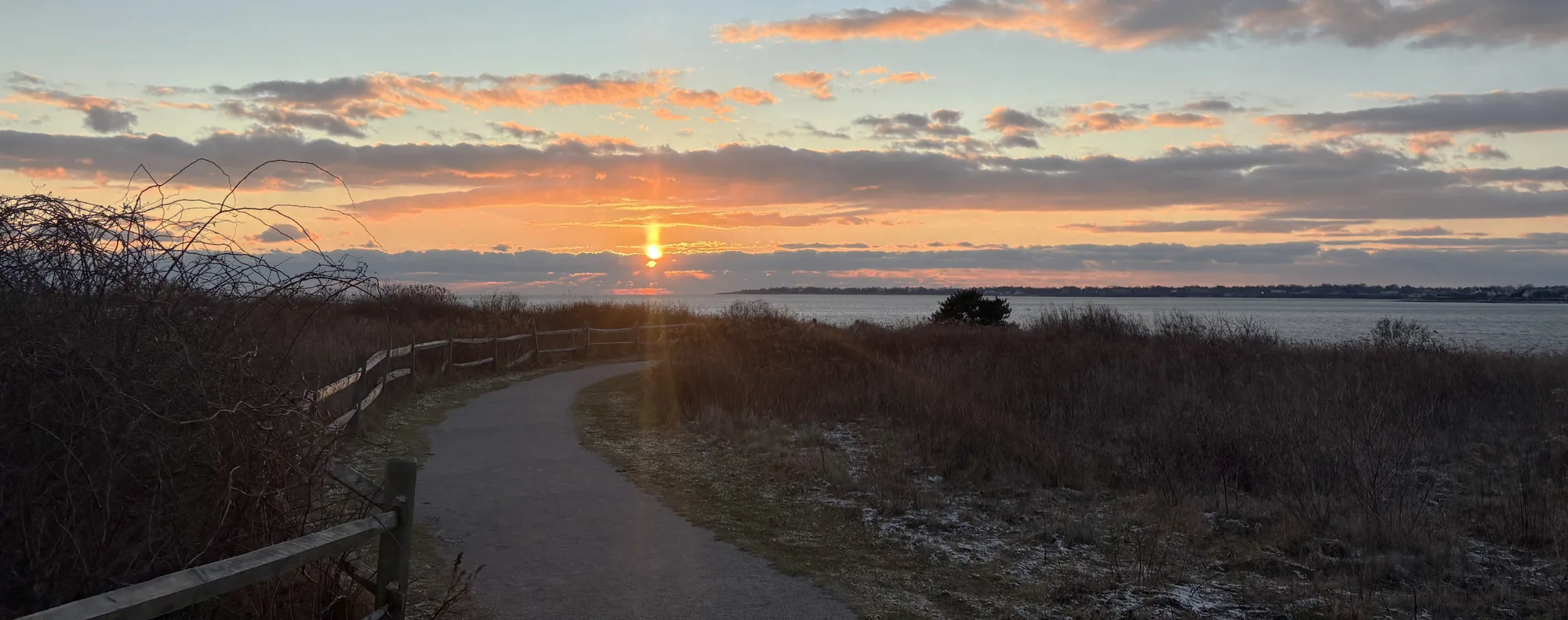
If your goal is a peaceful walk, avoid building an itinerary so tight that every pause feels like a delay. A bench, a changing view of the water or a bird moving through the vegetation may become the part of the day you remember most.
Before leaving, check the refuge's latest information for visitor-center hours, wildlife notices and weather-related changes. The combination of easy-to-reach coastal scenery and protected habitat makes Sachuest Point a strong choice for a first Rhode Island wildlife outing.