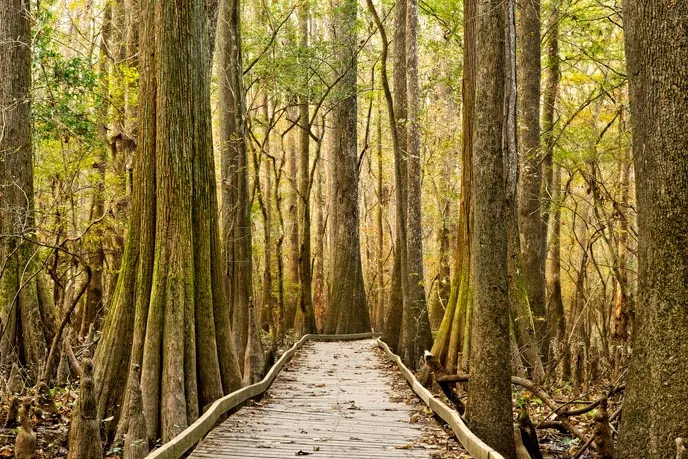
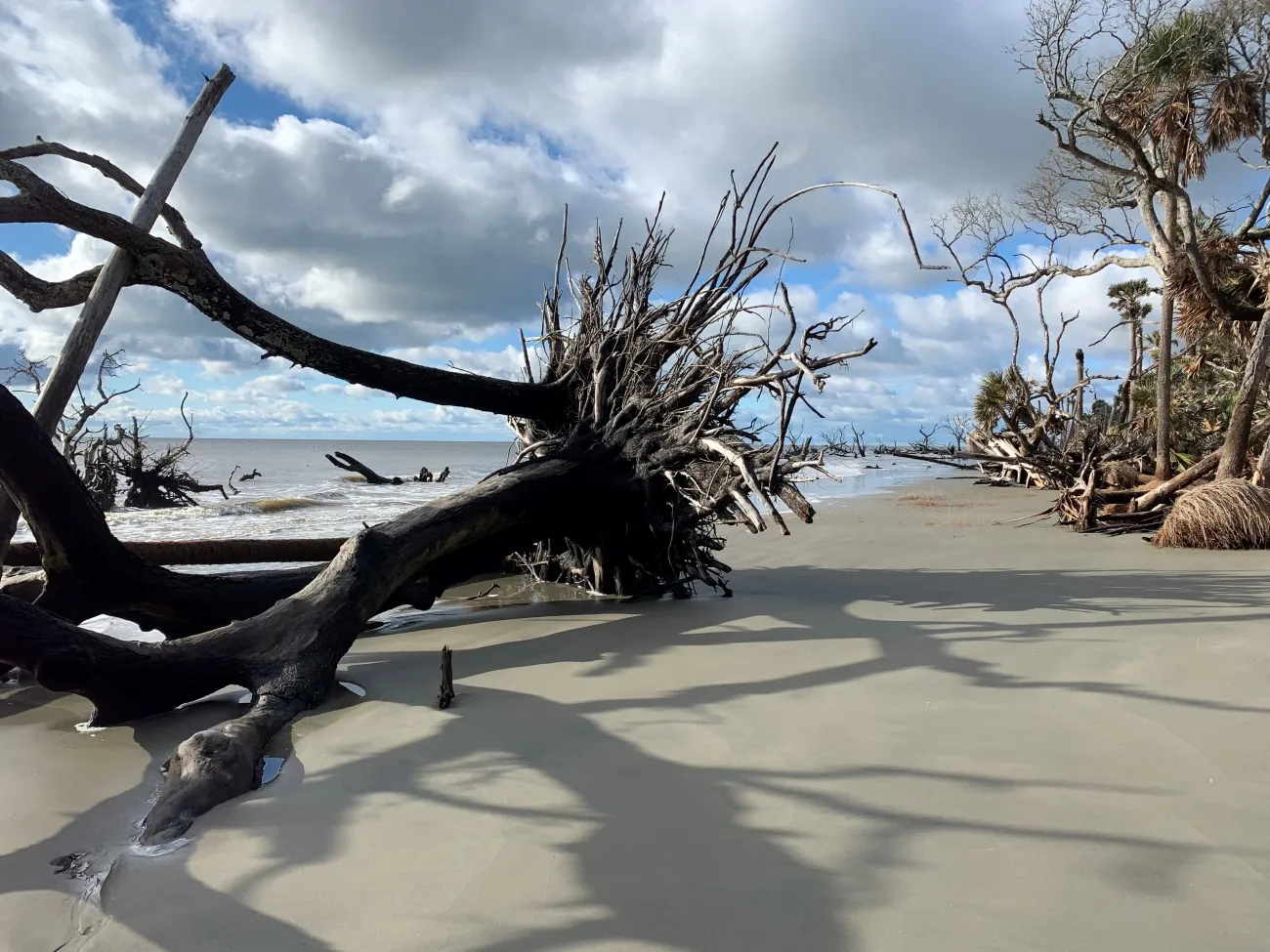
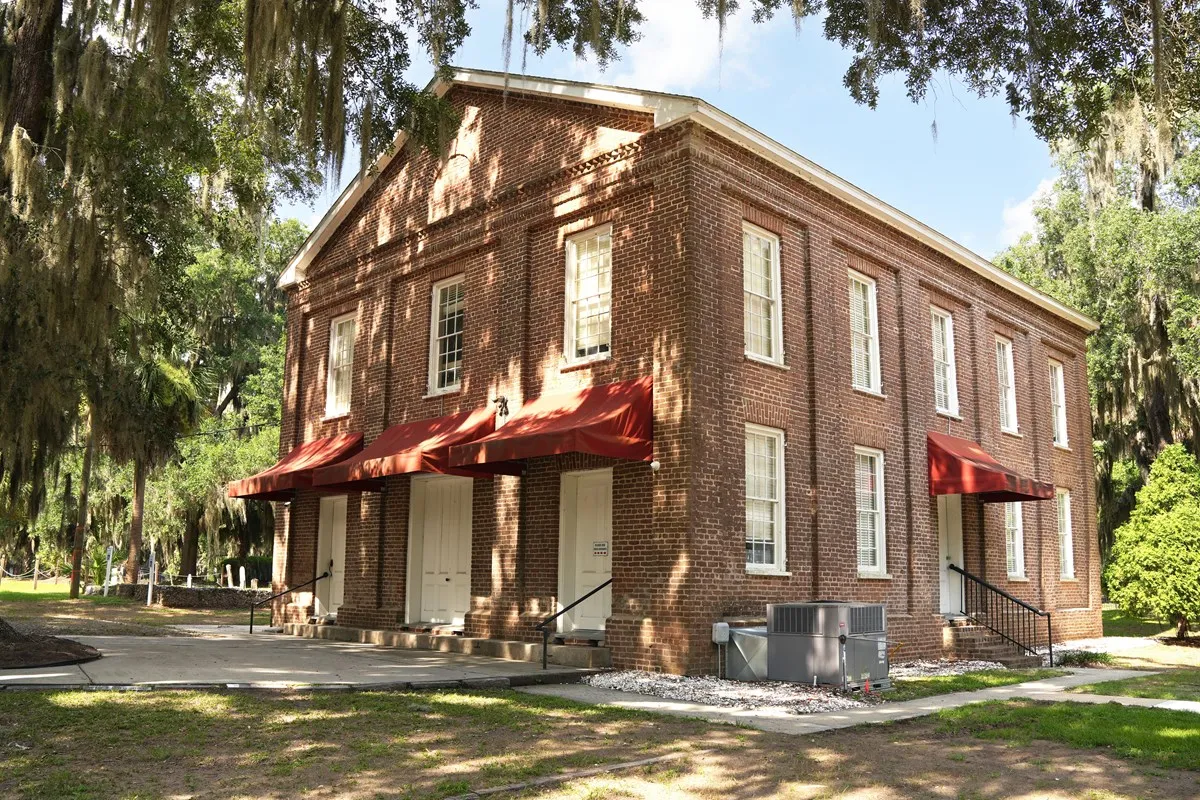
Southwest of Charleston, the ACE Basin brings together the Ashepoo, Combahee and Edisto rivers in a landscape of marshes, creeks and coastal forest. Ernest F. Hollings ACE Basin National Wildlife Refuge protects part of this larger ecosystem and gives visitors places to walk, watch birds and learn about the region's complex history.
The refuge has separate Edisto and Combahee units, so check your map and the current rules for the place you intend to visit. These four ideas make an introduction to the Edisto Unit and its surroundings, with time for both nature and history.
1. Begin at the Grove contact station
The refuge headquarters and visitor contact station occupy the Grove House, a former rice plantation house built around 1828. When staff are present, the first-floor visitor area offers maps, brochures and a refuge video. Call 843-889-3084 before traveling if an indoor visit matters to your plans; regular headquarters hours are weekdays, but staffing can vary.
The refuge address is 8675 Willtown Road, Hollywood, South Carolina. Entry is free. The approach to headquarters includes a gravel road, so leave time for the drive and use the agency's directions rather than assuming the gate is beside the house.
2. Walk a pond trail and look for birds
The Edisto Unit has three named hiking trails: Goose Pond, Alexander Pond and Perimeter Pond. The Fish and Wildlife Service lists them at approximately 0.86, 0.51 and 1.53 miles respectively. Goose Pond and Perimeter Pond have photo blinds where visitors can watch wildlife without approaching the water's edge.
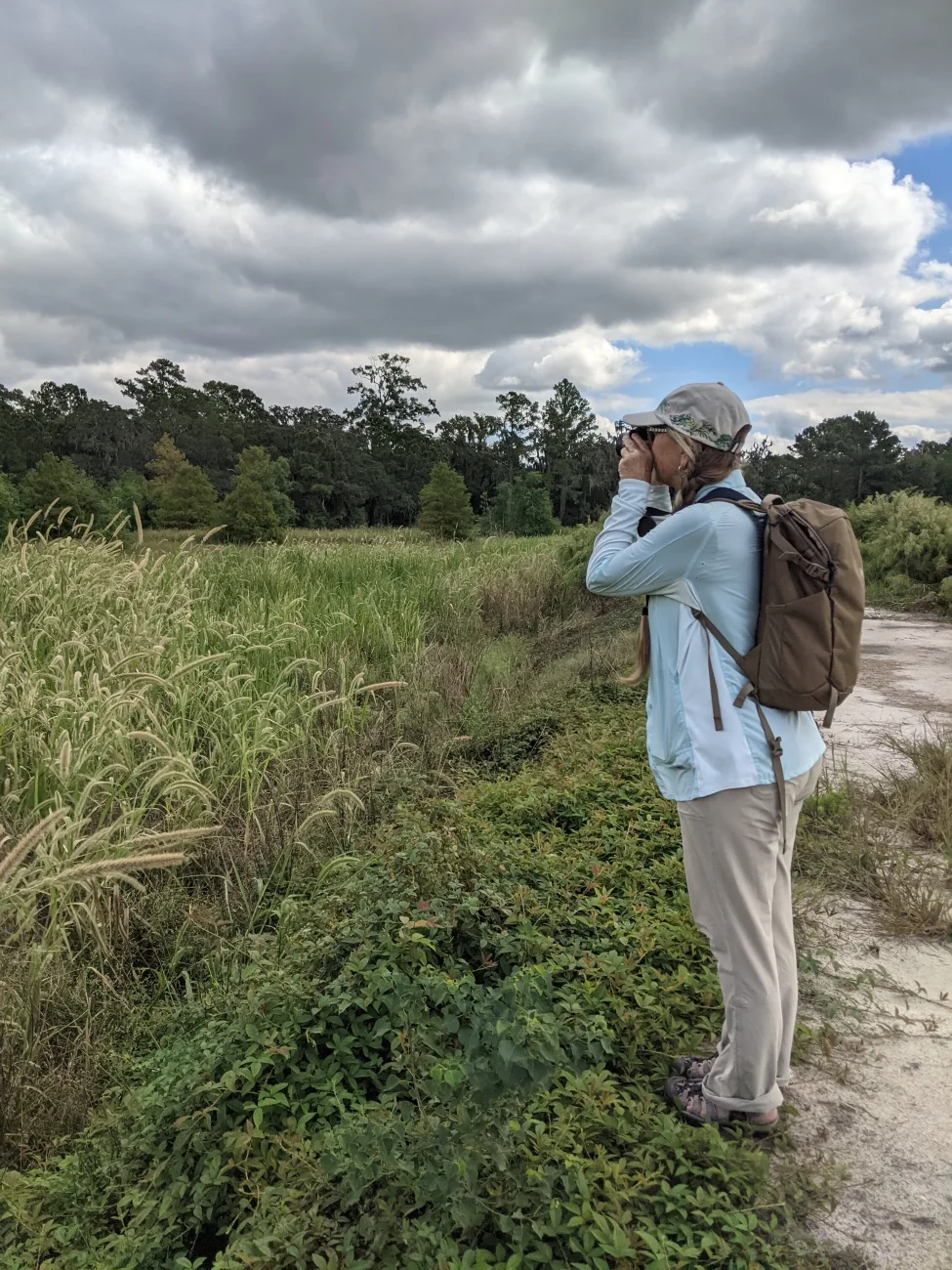
Wetlands, forests and managed impoundments support resident and migratory birds. Bring binoculars and look for movement from designated trails, but do not promise children a particular sighting: weather, water levels and migration change what is visible. The refuge also has unpaved service roads available for walking and biking in open areas; confirm your route on the current map.
Bring water, sun protection and insect repellent. The agency recommends preparing for mosquitoes, flies, ticks and chiggers throughout the year. Footwear that handles uneven or damp ground can make a short walk more comfortable.
3. Consider the history behind the landscape
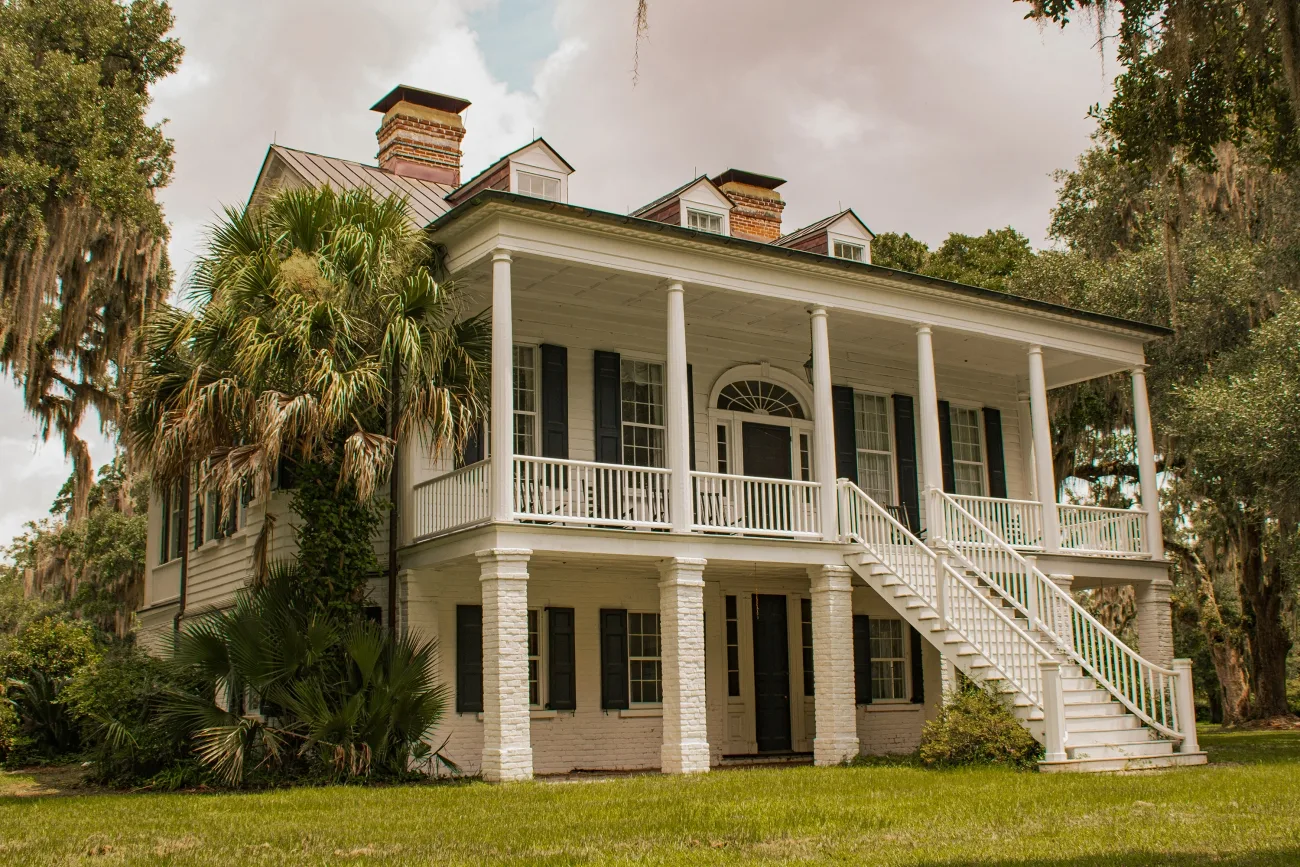
The Grove was a rice plantation, and its history includes the forced labor of enslaved people. A refuge history brochure reports that approximately 150 enslaved people lived and worked there during the antebellum period. In 1863, soldiers of the 1st South Carolina liberated enslaved people from the Grove during the raid on Willtown Bluff, according to the National Park Service.
The house and former rice-field infrastructure are only part of that history. Ask refuge staff what interpretation is available and read beyond the architecture to understand the people whose labor shaped the land. Archaeological and cultural resources are protected; do not collect objects or enter closed areas.
4. Plan around gates, hunts and habitat closures
Refuge grounds and trails are generally open to pedestrians during daylight, including when the front gate is closed. The refuge says visitors must park outside the gate after 4 p.m., on weekends and when the gate is closed. Check the precise parking instructions before leaving the car so it is not locked inside.
Parts of the Edisto Unit close to nonparticipants during scheduled hunts, and some dikes or nesting areas close seasonally for wildlife protection. The refuge specifically advises checking deer-hunt dates by phone. Follow posted signs even when an older map shows a route as open, and do not enter areas marked closed.
Keep pets leashed and under control; camping and fires are prohibited. For a simple first visit, confirm access, pick up a map if staff are available, and choose one open pond trail. Allow time afterward to learn about the refuge's conservation work and the people connected to this Lowcountry landscape.