South Carolina's national parks and wildlife refuges reveal a state of remarkable variety. A boardwalk leads into an old-growth floodplain forest, a ferry crosses Charleston Harbor to a Civil War fort, and a barrier island protects shorebirds along a changing coast. Other sites invite reflection on Reconstruction and the people who shaped freedom after the Civil War.
These five destinations work best as separate day trips or as stops on a longer, unhurried itinerary. They are spread across the state, and each has different hours, access arrangements and seasonal conditions. Check current information with the managing agency before you go.
1. Congaree National Park: An old-growth forest walk
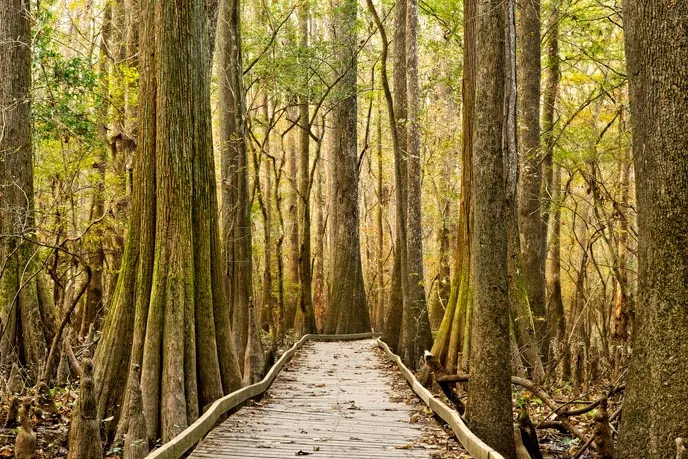
Southeast of Columbia, Congaree protects a large tract of old-growth bottomland hardwood forest. Begin at the Harry Hampton Visitor Center for a map and self-guided brochure, then follow the approximately 2.6-mile Boardwalk Trail into the floodplain. Benches and an accessible surface make the boardwalk a useful introduction for many visitors.
Look for cypress and tupelo in wetter areas and notice how the vegetation changes with elevation. The floodplain periodically fills with river water, and lower boardwalk sections and ground trails can close or become impassable. Check current alerts after rain. If you plan a longer hike or a Cedar Creek paddle, bring appropriate equipment, offline navigation and a backup plan; downed trees and water levels can change conditions quickly.
2. Fort Sumter and Fort Moultrie: Charleston Harbor history
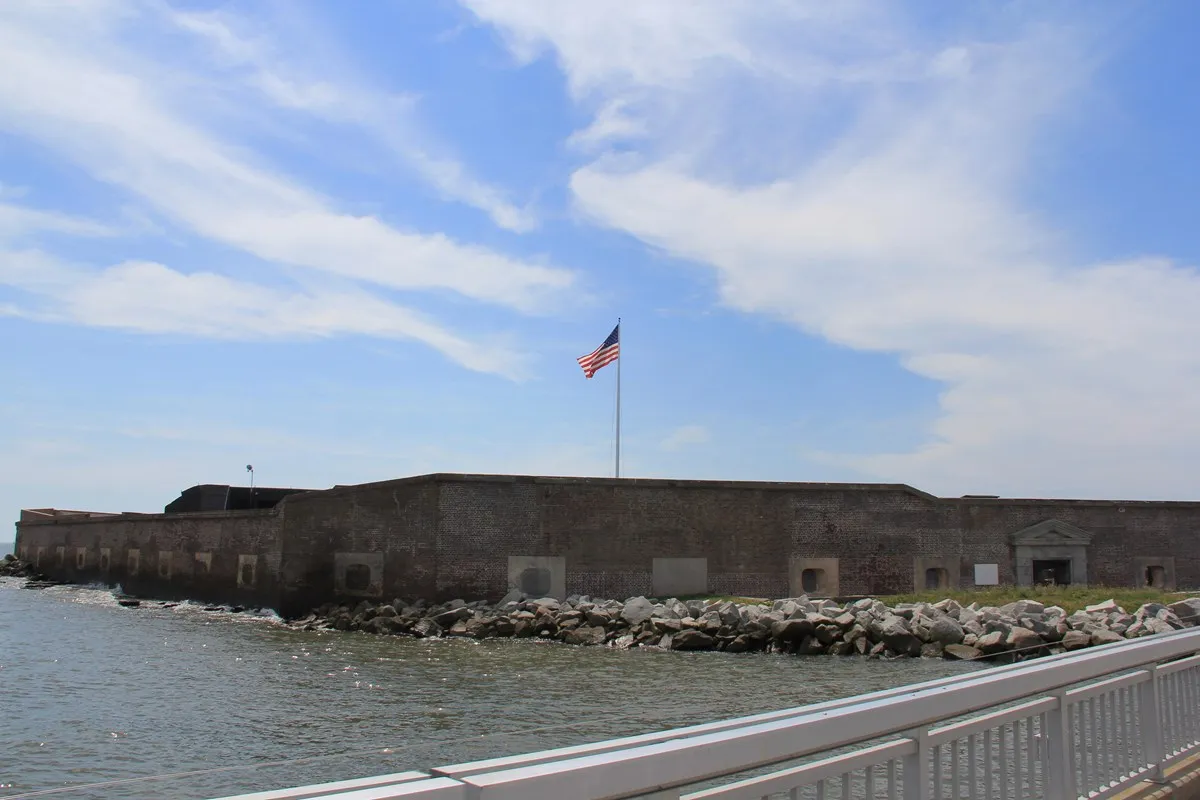
Fort Sumter sits on an island in Charleston Harbor, where Confederate forces fired on a U.S. garrison on April 12, 1861, beginning the Civil War. The authorized tour boat leaves from Liberty Square in Charleston or Patriots Point in Mount Pleasant. The fort has no federal entrance fee, but the ferry is ticketed. Check the current timetable and allow approximately two hours and 15 minutes for the trip.
Fort Moultrie is a separate site reached by car on Sullivan's Island. Its story spans coastal defense from the American Revolution to World War II. You cannot board the Sumter ferry there. Check accessibility, hours and fees for each site and allow enough time to consider the history of secession, slavery and the war as well as the harbor views.
3. Reconstruction Era National Historical Park: Freedom and citizenship
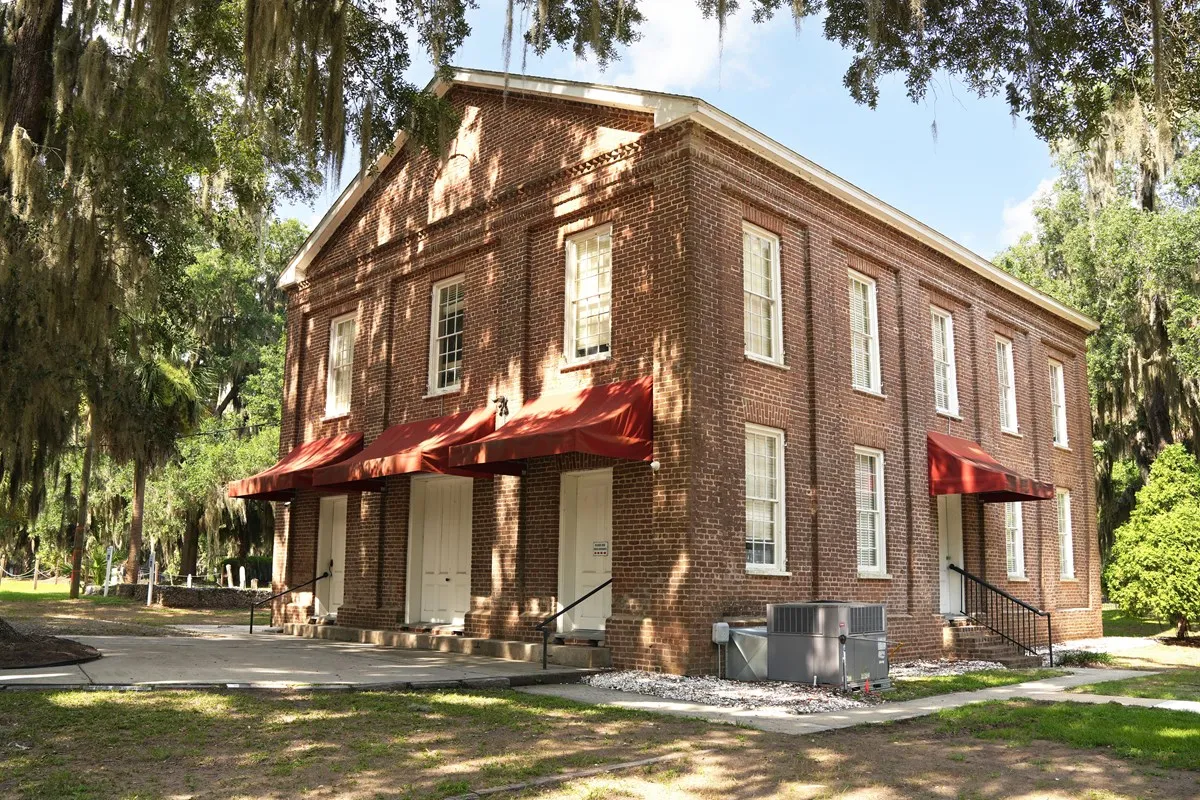
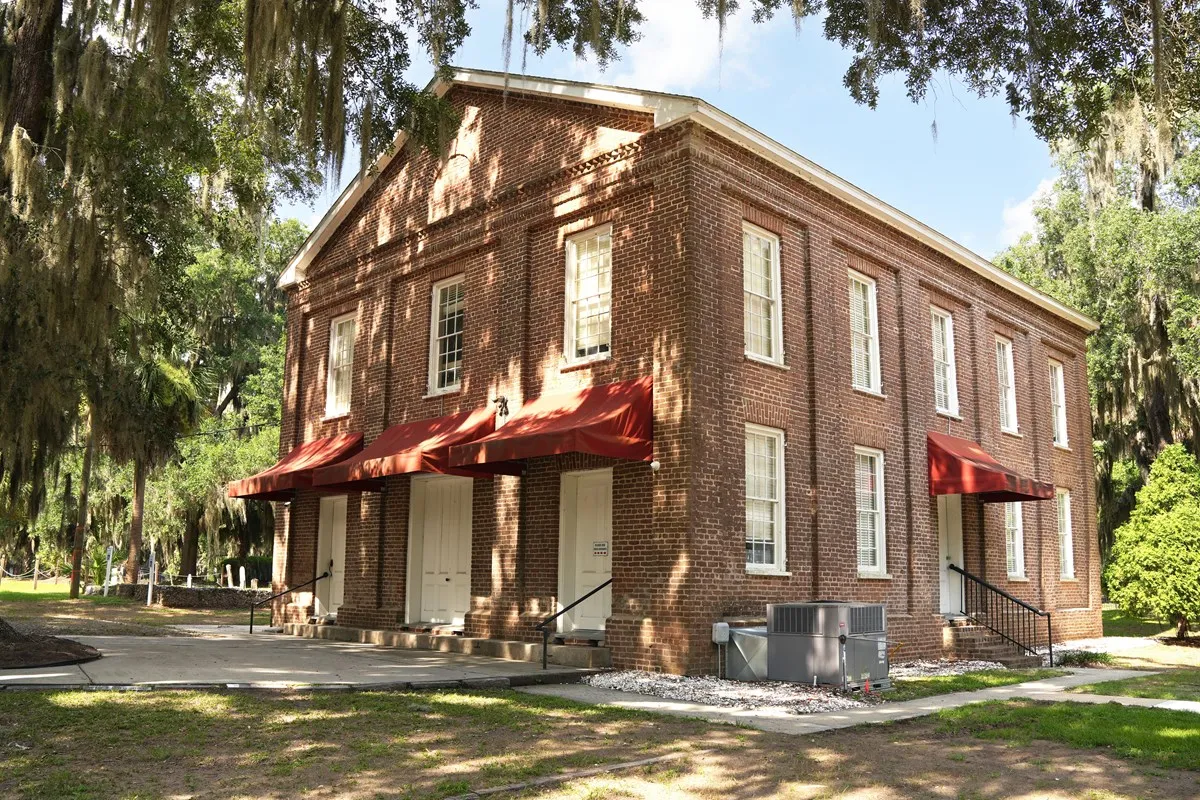
In Beaufort, Port Royal and St. Helena Island, the NPS and local partners interpret the years during and after the Civil War. Start at the visitor center in Beaufort's Old Firehouse, then consider Darrah Hall and Brick Baptist Church at Penn Center or Pinckney-Porter's Chapel and the Camp Saxton area in Port Royal.
These sites tell stories of Black education, military service, community building and the struggle to define freedom and citizenship. They are spread across several communities, and some remain active institutions. Check each site's hours, programs and access before visiting; the NPS has listed rehabilitation work affecting Darrah Hall. Penn Center's museum is operated separately and may have its own fees and schedule.
4. Bulls Island: Forest and a changing beach
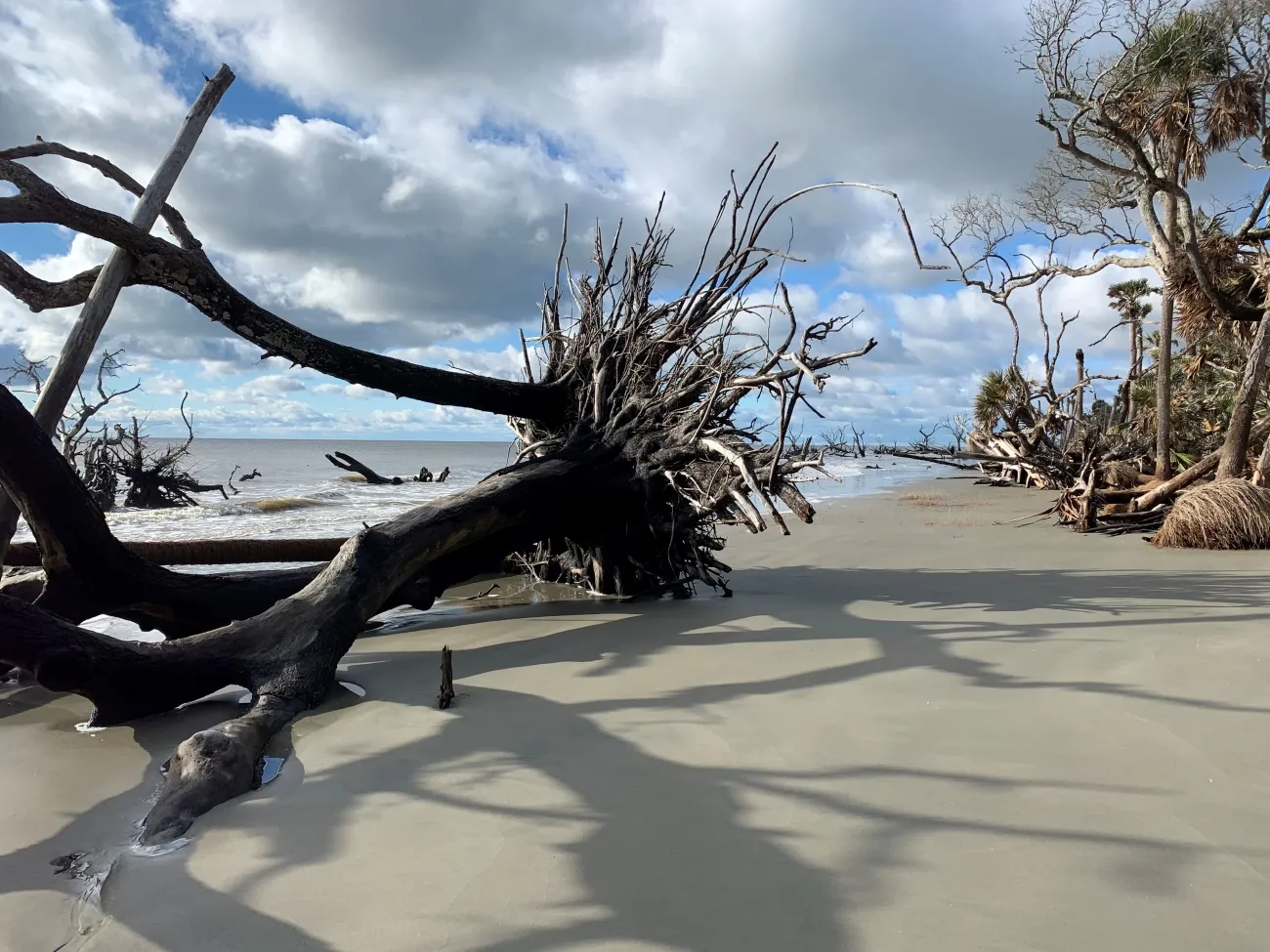
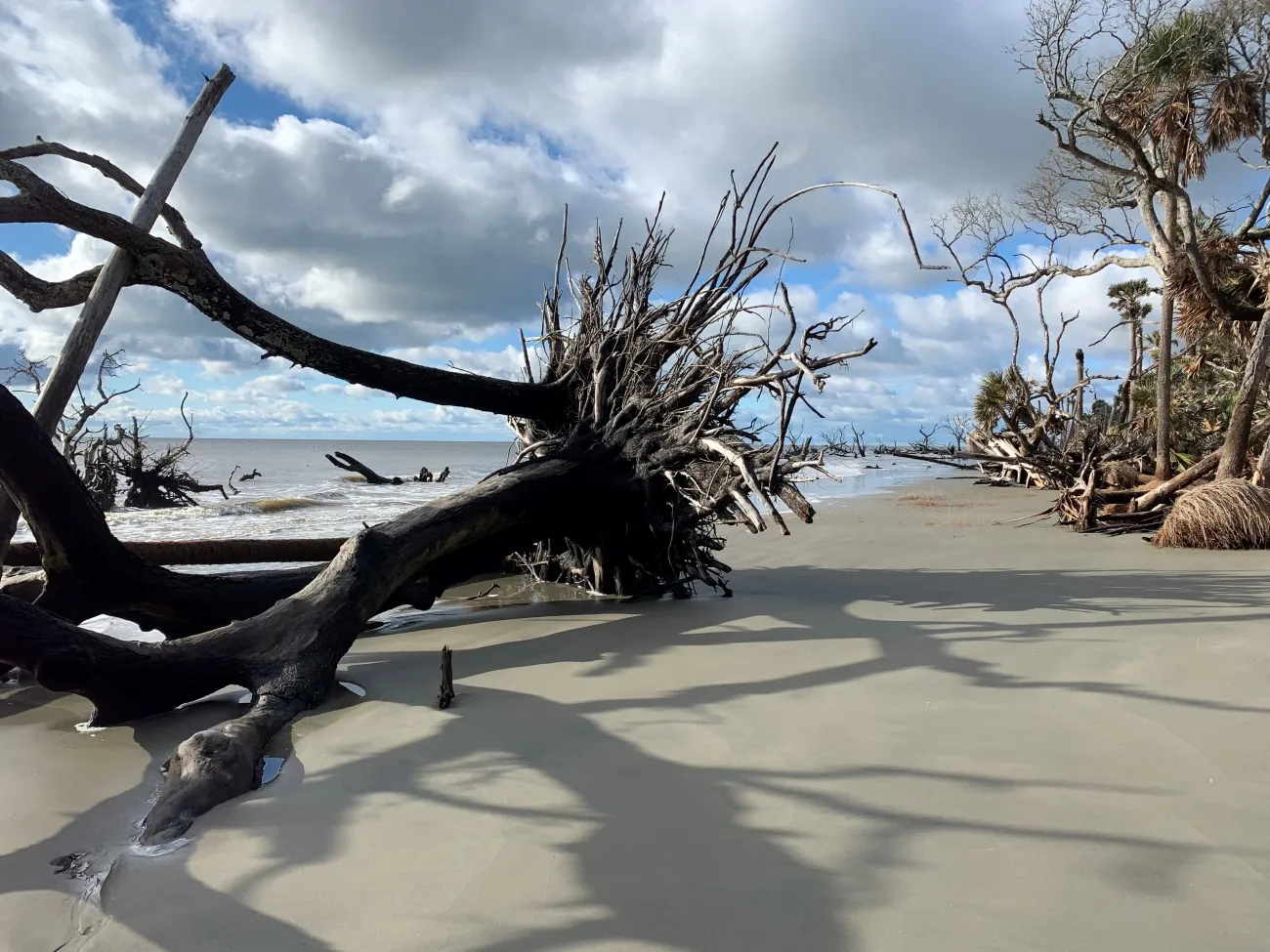
Cape Romain National Wildlife Refuge protects barrier islands, marshes and waterways northeast of Charleston. Its Bulls Island is accessible by boat, including an authorized concession-operated ferry. Reserve and verify the current schedule, then bring the water, food, sun protection and insect repellent needed for a day with limited services.
The refuge map lists the front beach about 1.5 miles one way from the dock; Boneyard Beach's weathered trees are farther along the shore. Allow time for the walk and the return ferry. Pets are not allowed on refuge islands, and camping is prohibited. Respect posted nesting closures, keep clear of wildlife and plan around tides. The mainland Sewee Center and its trail are an alternative when island conditions or schedules do not work.
5. Santee National Wildlife Refuge: Lake Marion wildlife
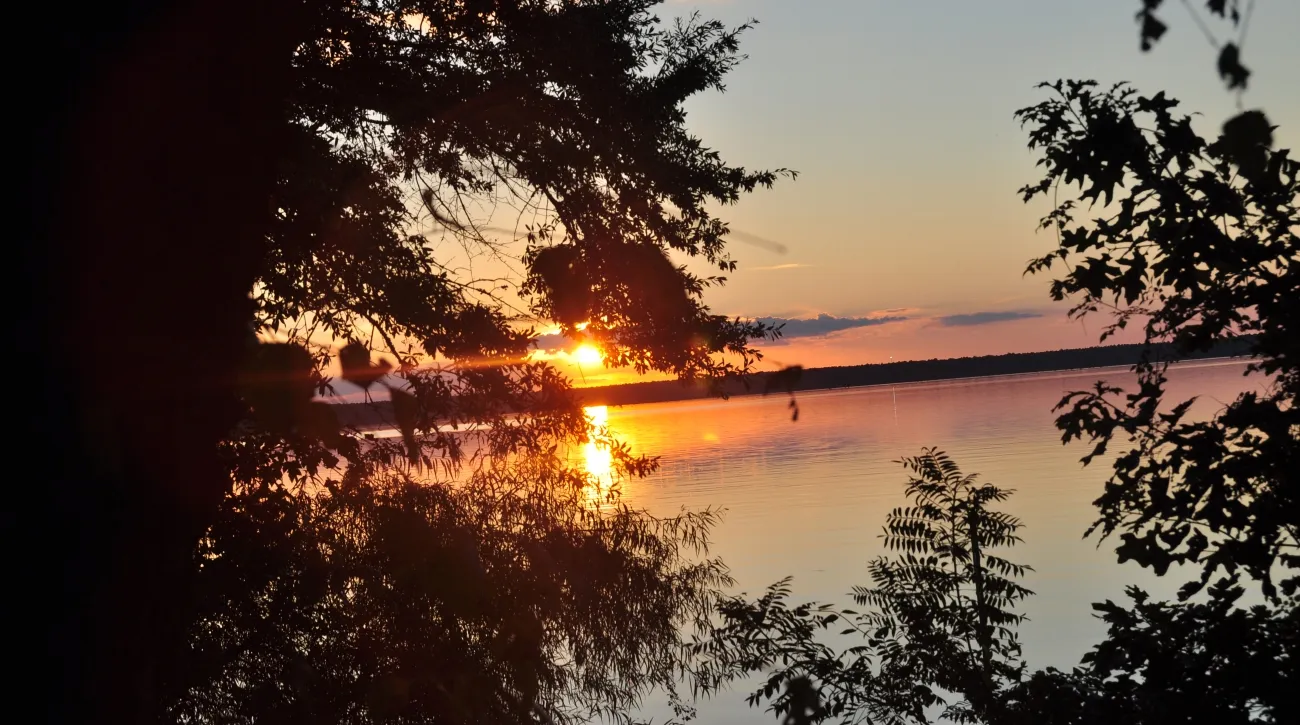
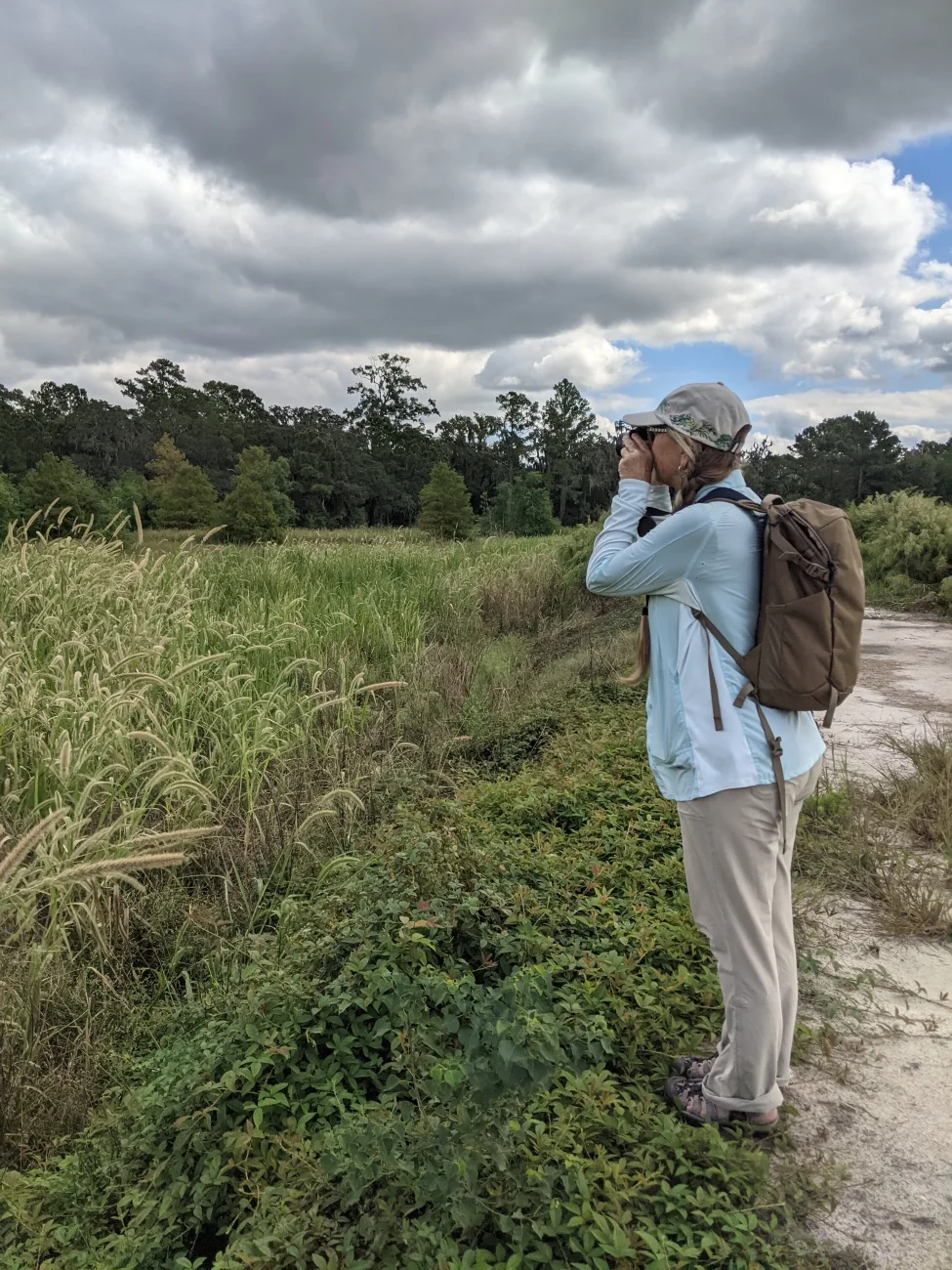
Santee National Wildlife Refuge's four units include wetlands and forest around Lake Marion. The Cuddo Unit has an approximately 7.5-mile wildlife drive, while the Bluff and Dingle Pond areas offer walking and birdwatching. Bring binoculars and watch quietly from open roads, trails and observation points; alligators and other wildlife require plenty of space.
Access varies by unit and season. Cuddo is closed Mondays, and some routes and waters close during the winter waterfowl sanctuary period. The refuge also closes trails during deer hunts. Call 803-478-2217 or check current notices before choosing a route, and make sure you can leave gated areas before closing time.
Across these destinations, the most satisfying plan leaves room for a ranger's explanation, a change in weather or an unexpected wildlife sighting. Follow signs, carry out trash and leave natural and cultural resources in place for the communities and wildlife connected to them.