In the South Carolina Lowcountry, Reconstruction Era National Historical Park tells a story that reaches beyond the end of the Civil War. Beaufort, Port Royal and St. Helena Island became places where formerly enslaved people, Black soldiers, teachers and communities worked to define freedom, education and citizenship in the years that followed.
The park consists of several sites rather than one enclosed campus. A visit can begin in downtown Beaufort and continue by car to St. Helena Island and Port Royal. Allow time to listen to ranger interpretation, and confirm hours at each location before you travel.
Begin at the Beaufort visitor center
The park visitor center occupies the Old Beaufort Firehouse at 706 Craven Street. Exhibits introduce Reconstruction in the Lowcountry and help visitors understand how the park's separate locations connect. Ask for a map and the current program schedule; ranger walks and talks can make the history easier to place in the landscape.
The National Park Service lists regular hours of 9 a.m. to 5 p.m. daily, with Thanksgiving, Christmas and New Year's Day closures. Hours can change. NPS sites do not charge an entrance fee, although partner sites may have their own charges and downtown street parking is metered.
Understand why the Lowcountry matters
When Union forces occupied the area during the Civil War, many white plantation owners fled. Thousands of enslaved people remained and began shaping new lives amid the conflict. The Port Royal Experiment brought northern teachers and others to the Sea Islands, but the story is also one of Black initiative, institution building and demands for rights.
Reconstruction included emancipation, military service, education, citizenship and political participation, as well as fierce resistance and the unfinished work of securing those rights. At each stop, look for the individual people and communities behind the national timeline. The park's purpose is to connect local events with the larger struggle over freedom and democracy.
Visit Darrah Hall at Penn Center
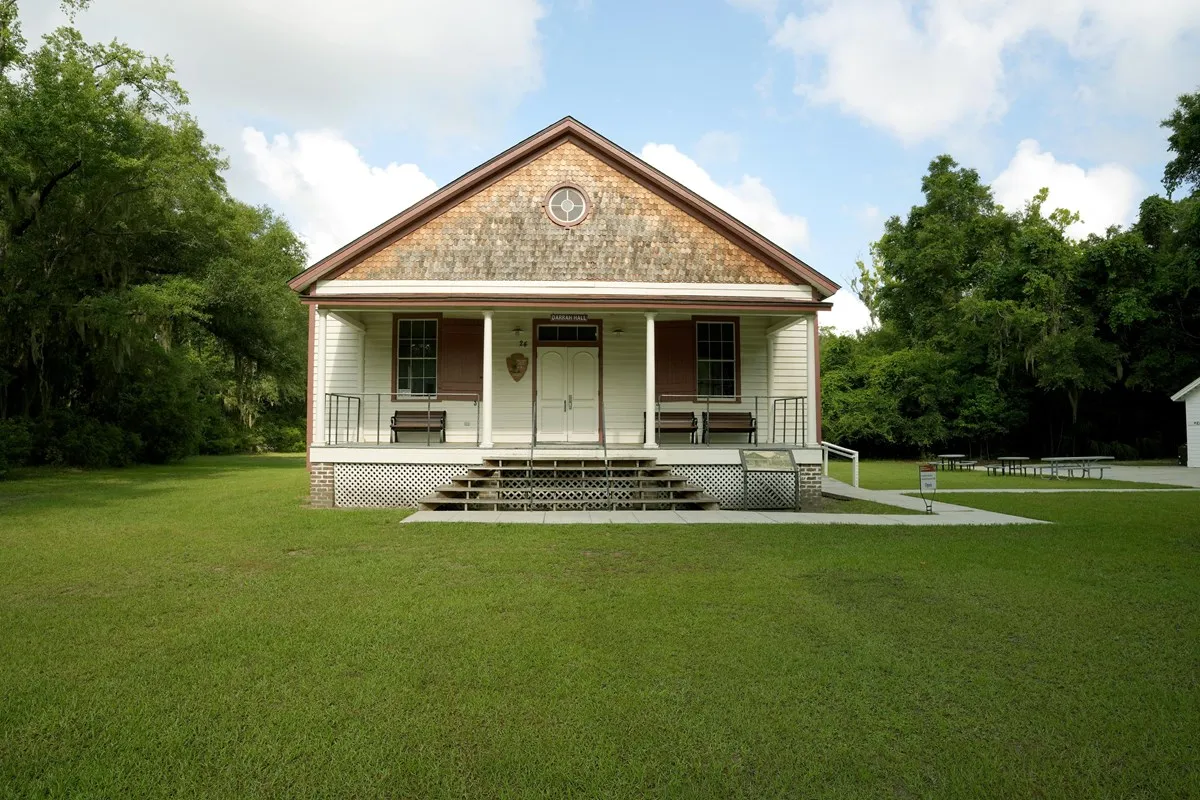
On St. Helena Island, Darrah Hall is the oldest building on the Penn Center campus and serves as an NPS visitor contact station. Penn School began during the Civil War and became a significant center of education for formerly enslaved people and their descendants. Exhibits at Darrah Hall explore education and the Reconstruction era in this community.
Darrah Hall's standard schedule is Tuesday through Saturday, 9 a.m. to 5 p.m., but rehabilitation work can affect access. The NPS published a construction closure beginning October 14, 2026; check the current park hours and alerts rather than assuming the building is open. Its address is 24 Penn Center Circle West on St. Helena Island.
Learn at Brick Baptist Church and Penn Center
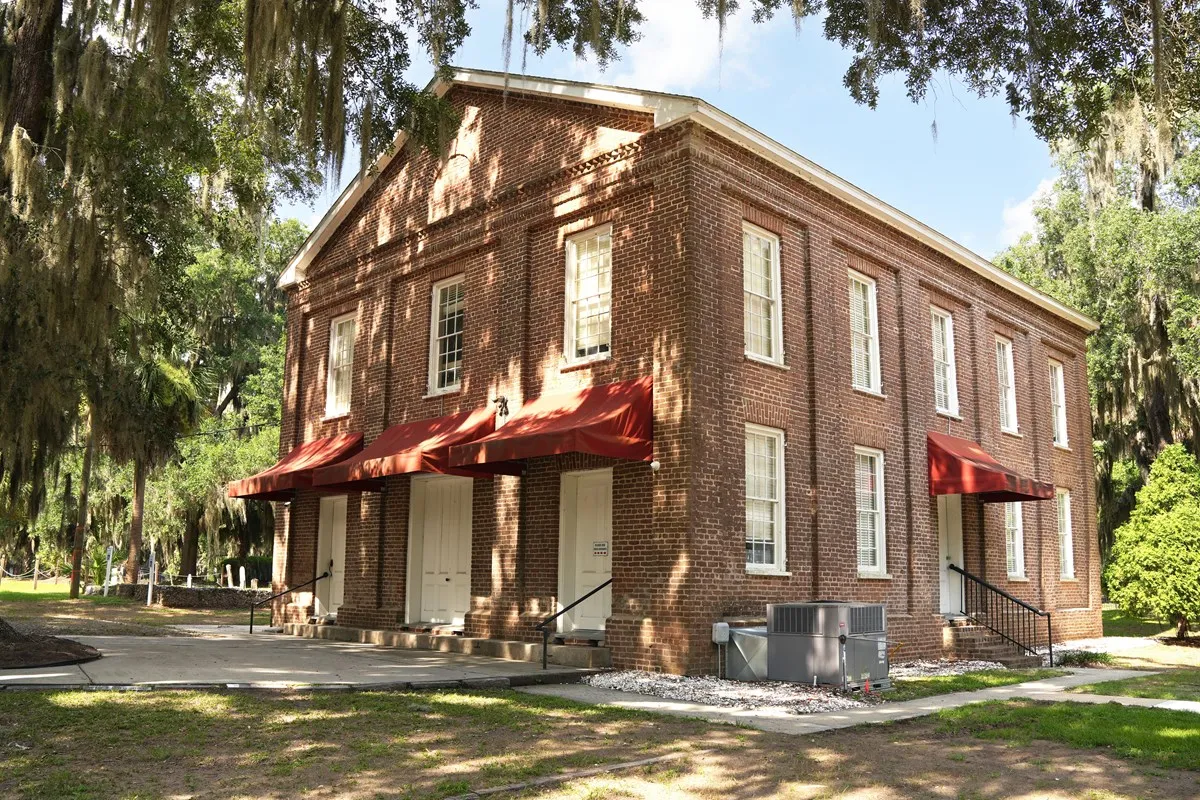
Brick Baptist Church, on the Penn Center historic campus, was built by enslaved people before the Civil War. The NPS notes that it housed Penn School from 1862 to 1865. It remains an active church and a meaningful place for the community, so respect worship, posted signs and any limits on access. The park says the exterior can be viewed as part of the historic district; interior visits are generally connected to special programs.
The independent Penn Center also preserves and shares Gullah Geechee history and culture. Its York W. Bailey Museum and welcome center have their own visitor information and schedules. Contact Penn Center at 843-838-7105 to verify hours, fees and arrangements, especially if traveling specifically to see the museum.
Explore Camp Saxton and Pinckney-Porter's Chapel
In Port Royal, Camp Saxton is associated with the service of Black soldiers during the Civil War and the public reading of the Emancipation Proclamation in the area. Fort Frederick Heritage Preserve offers access to a portion of this landscape and is managed by Beaufort County. The park lists it as open daily from sunrise to sunset at 601 Old Fort Road; check current information before arriving.
Nearby Pinckney-Porter's Chapel serves as an NPS visitor contact station and contains an exhibit about Black military service. The current park hours page lists Saturday hours of 9 a.m. to 5 p.m.; because another park document lists a broader schedule, confirm directly before making plans. Ranger programs can connect the chapel and camp to the experiences of the people who served here.
Plan a respectful, practical day
The sites are spread across communities, so a car and a current map are helpful. Downtown Beaufort parking is managed by the city; parking at the outlying NPS contact stations is free but may be limited during events. Bring water and comfortable walking shoes, and check weather before outdoor programs.
For a first visit, begin at the firehouse, ask a ranger about that day's programs, then choose Penn Center or Port Royal—or allow a full day for both. Be mindful that some places are active community institutions, not simply historic displays. The park visitor center can be reached at 843-962-0039 for current access and program details.