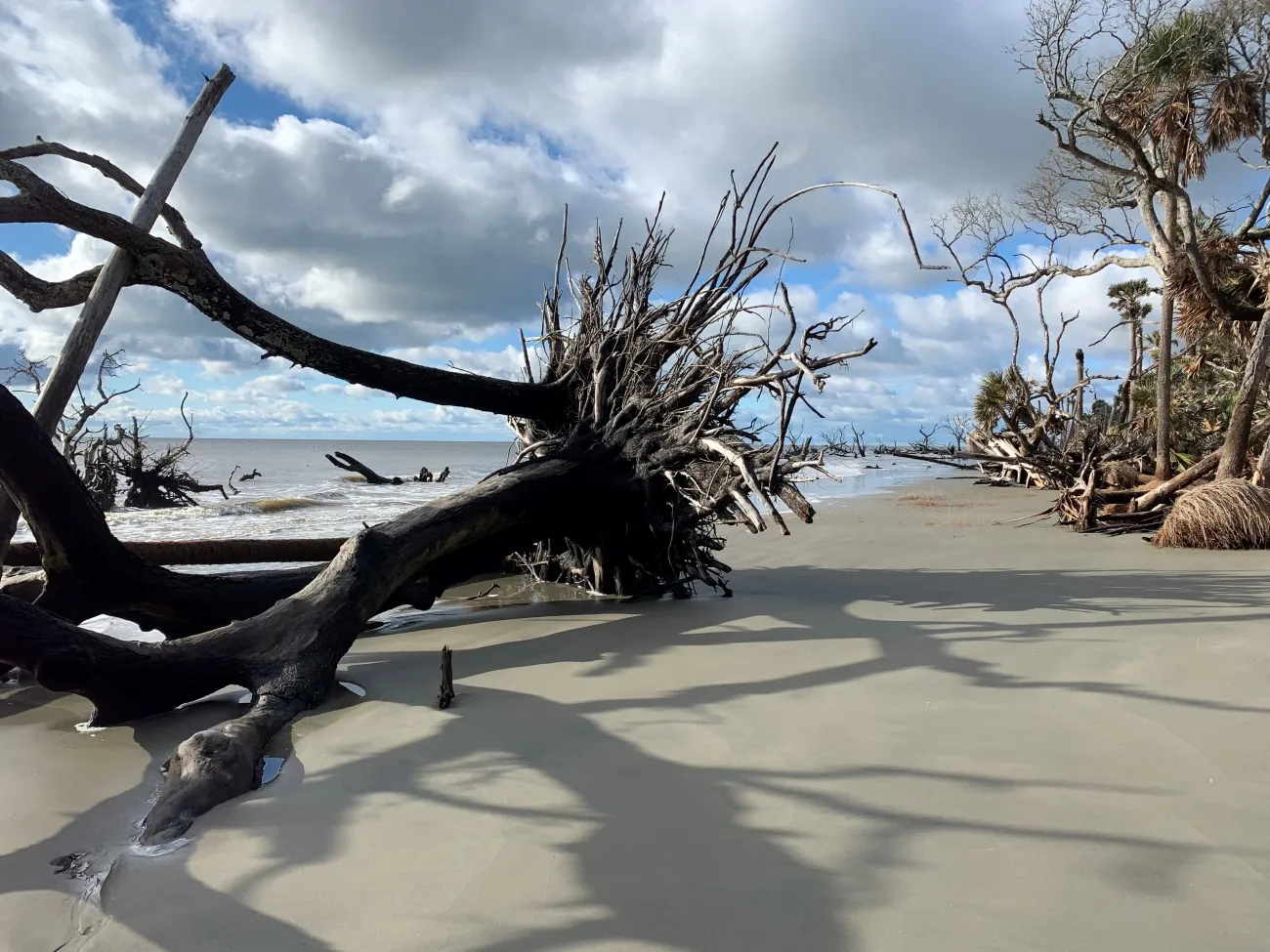
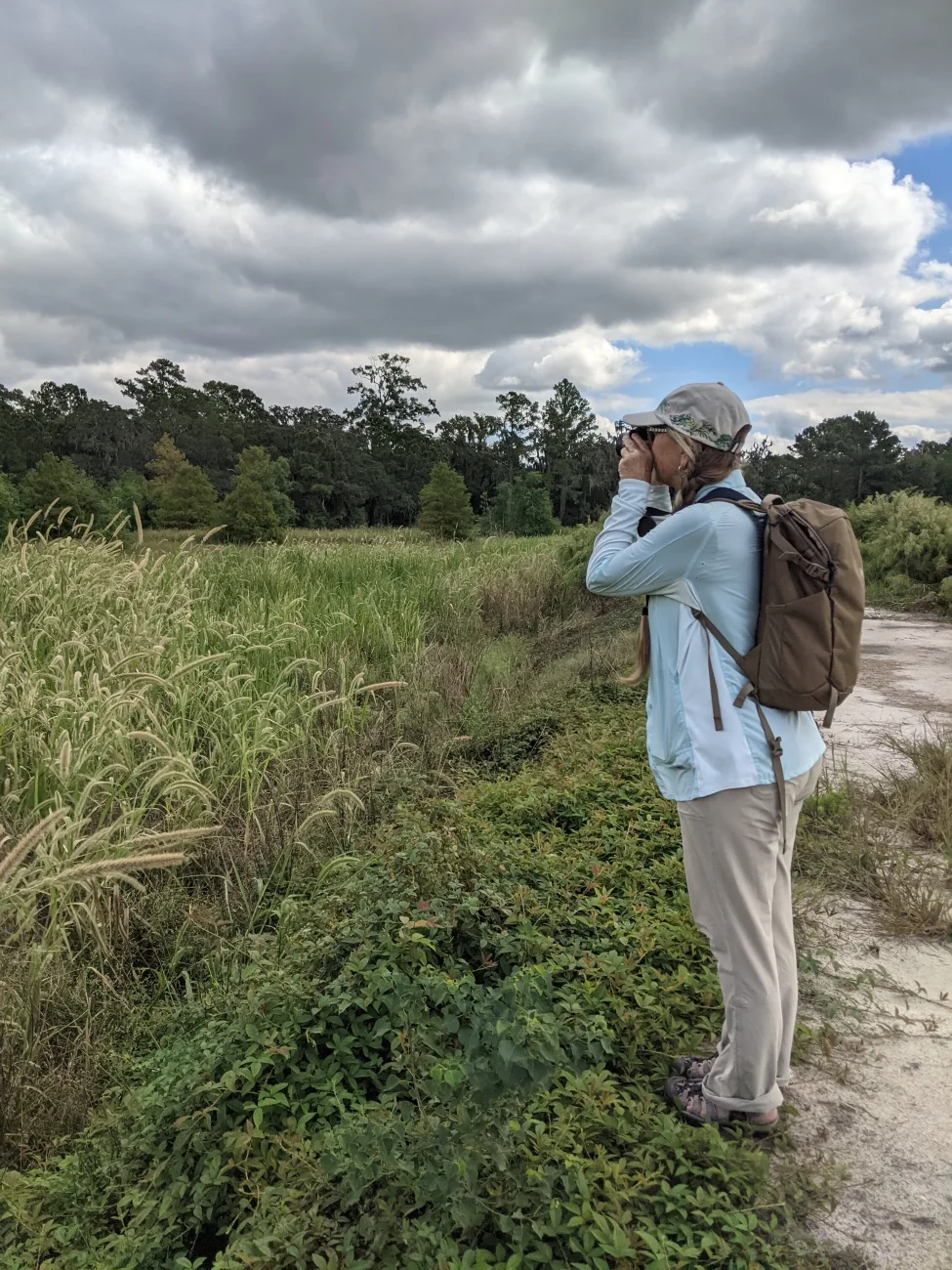
Two forts at the entrance to Charleston Harbor offer very different perspectives on American history. Fort Sumter, on an island reached by ferry, is where Confederate forces fired on the U.S. garrison on April 12, 1861, beginning the Civil War. Fort Moultrie, on Sullivan's Island, tells a longer story of coastal defense from the American Revolution through World War II.
Together they form Fort Sumter and Fort Moultrie National Historical Park. They are not connected by a ferry, so a little planning matters. These five steps can help you choose where to begin and make the most of the history at both sites.
1. Choose a departure point for Fort Sumter
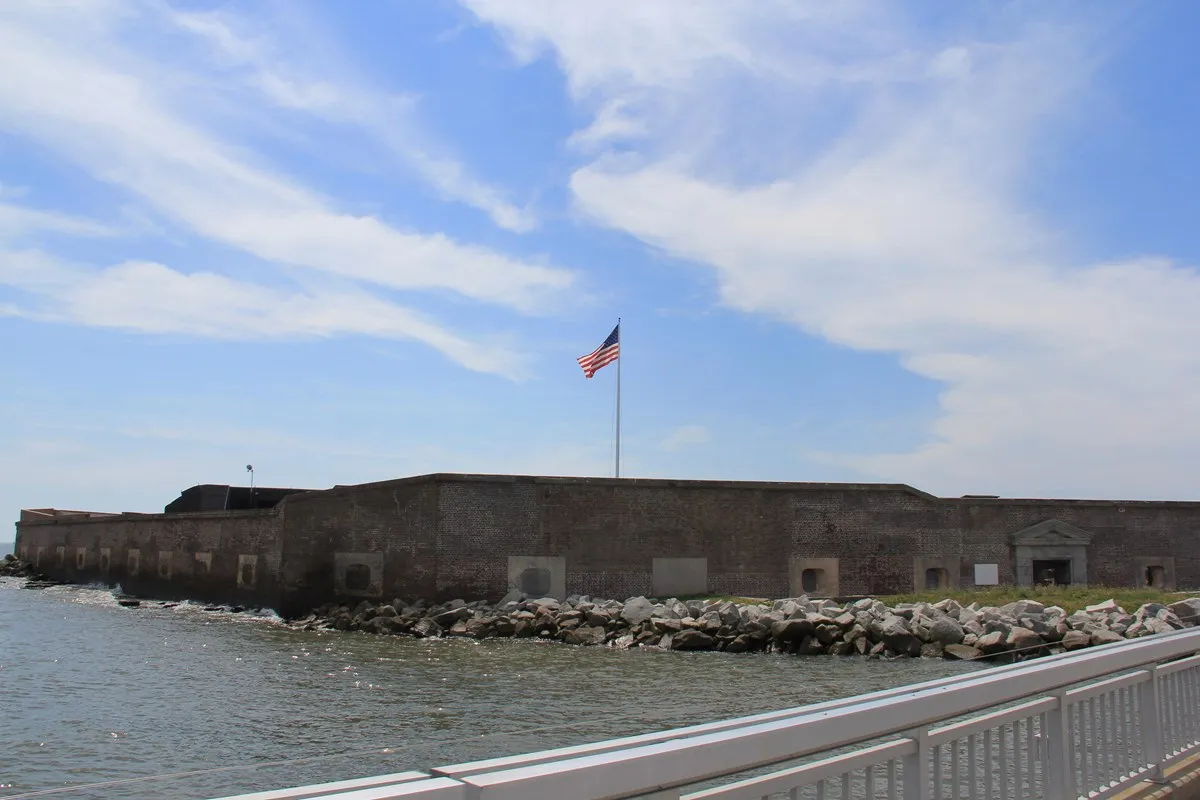
Fort Sumter is in Charleston Harbor and public access is by the authorized concession-operated tour boat. Ferries depart from the Fort Sumter Visitor Center at Liberty Square in downtown Charleston and from Patriots Point in Mount Pleasant. There is no federal entrance fee for Fort Sumter, but the ferry requires a paid ticket.
The National Park Service estimates the tour at approximately two hours and 15 minutes. Check the concessioner's current timetable and reserve ahead when appropriate; departure times and availability can change. Private vessels may not dock at the fort. You cannot travel to Fort Sumter from Fort Moultrie, so do not navigate to Sullivan's Island expecting to board there.
2. Leave time at Liberty Square
If departing downtown, the Fort Sumter Visitor Center is at 340 Concord Street. It provides exhibits and context before the boat crosses the harbor. The NPS directs drivers to the city parking garage at 24 Calhoun Street, a short walk away; parking fees and a height limit apply.
The harbor crossing is part of the experience, but it also exposes passengers to sun, wind and changing weather. Wear comfortable shoes, bring water and check the forecast. If accessibility is a concern, consult the park's detailed guidance and the ferry operator before booking. The NPS currently states that the Patriots Point departure is not accessible; confirm current arrangements for your specific needs.
3. Explore Fort Sumter with historical context
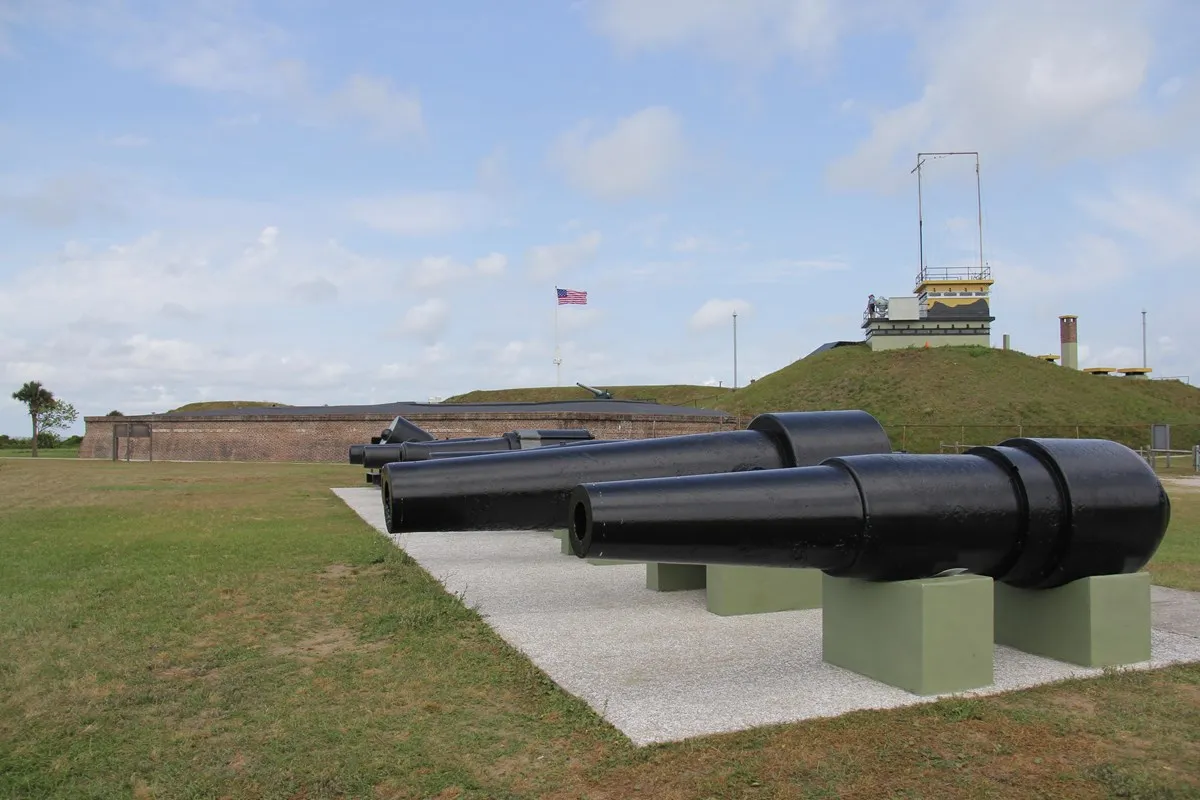
At the fort, brick walls, gun positions and exhibits connect the landscape to the opening of the Civil War. The war followed secession by South Carolina and other states seeking to preserve slavery. NPS rangers generally provide a short introductory program for arriving boats; use it to understand what you are seeing before exploring independently.
The fort changed considerably through bombardment and later coastal defense construction. What remains today is a place to ask how the war began and how its outcome transformed freedom in the United States. Watch your step on uneven historic surfaces, follow posted routes and be back at the boat when instructed. The ferry schedule determines your time at the site.
4. Drive to Fort Moultrie on Sullivan's Island
Fort Moultrie is accessible by car at 1214 Middle Street. Its history begins with a palmetto-log fort that helped defend Charleston against the British navy in 1776 and continues through later generations of seacoast defense. The surviving structures allow visitors to compare military technology across a much longer period than the Civil War alone.
Begin at the visitor center for tickets, orientation and current tour information. The NPS lists ranger-led tours subject to staffing, and visitors can also explore at their own pace. Check current hours, fees and closures before driving. Some historic areas and upper surfaces are restricted; stay on permitted paths and observe signs.
5. Allow time and plan for your group
Both sites are outdoors as well as indoors, and Charleston's heat and humidity can make a long day tiring. Bring sunscreen, water and weather-appropriate clothing. Ask about accessible routes in advance: historic fortifications have uneven surfaces and stairs, and the NPS accessibility page explains what is available at each location.
The park notes that there are no restrooms inside Fort Sumter, though the accessible ferry restroom remains available while the boat is at the fort. If visiting with children, the ferry ride may be memorable, but allow time to discuss the difficult history as well. Fort Moultrie is a separate drive, so consider doing the two forts on different days rather than rushing between them.
Before traveling, check the official park alerts and ferry schedule. The park information line is 843-883-3123. A little flexibility leaves more time to consider the people and decisions behind the harbor's historic walls.