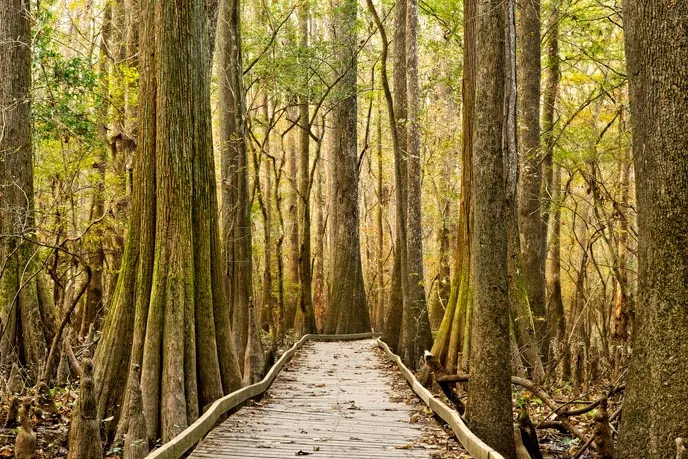
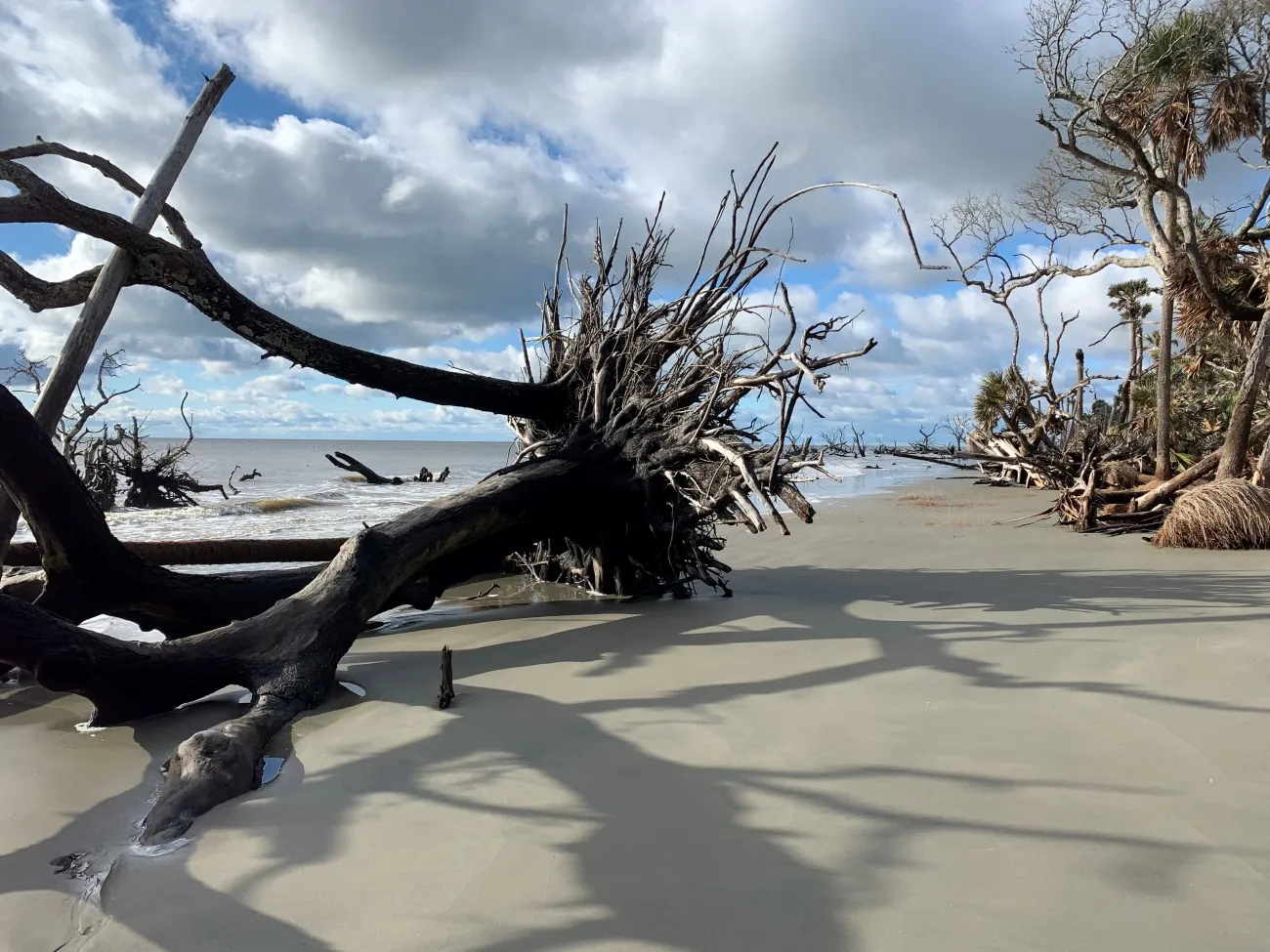
On the shores and wetlands of Lake Marion, Santee National Wildlife Refuge offers a quiet contrast to a busy highway journey through South Carolina. Its four units protect habitat for waterfowl and other wildlife, with opportunities to drive, walk, watch birds and learn about a landscape with a long human history.
Seasonal closures are essential to planning here. Some areas become sanctuaries for wintering birds, and trails close during deer hunts. Use these five ideas to shape a visit, then check the refuge's current notices and map before leaving home.
1. Get a map at the visitor center
The visitor center is a useful place to ask what is open, learn about recent wildlife sightings and choose a route. The refuge also describes loaner backpacks with binoculars and field guides for families; availability can vary, so ask staff before counting on one.
The four units—Bluff, Cuddo, Dingle Pond and Pine Island—have different access arrangements. The Cuddo Unit is closed on Mondays. The Bluff and Cuddo gates follow seasonal hours, while Pine Island and Dingle Pond generally open from sunrise to sunset. Check the current schedule and call 803-478-2217 for closures, especially during hunting season.
2. Drive the Cuddo Wildlife Drive
The Cuddo Unit's approximately 7.5-mile wildlife drive passes fields, woods and wetlands. Use the refuge's interpretive guide to identify stops and understand how habitats are managed. A car can act as a viewing blind, but wildlife remains unpredictable; drive slowly and stop only where it is safe and allowed.
The automatic gate limits vehicle access. The refuge lists 7 a.m. to 5 p.m. from October through February and 6 a.m. to 8 p.m. from March through September, with the unit closed Mondays. Verify current gate hours and allow enough time to exit before closing. Bring binoculars and keep a respectful distance from all animals, including alligators.
3. Walk an open trail
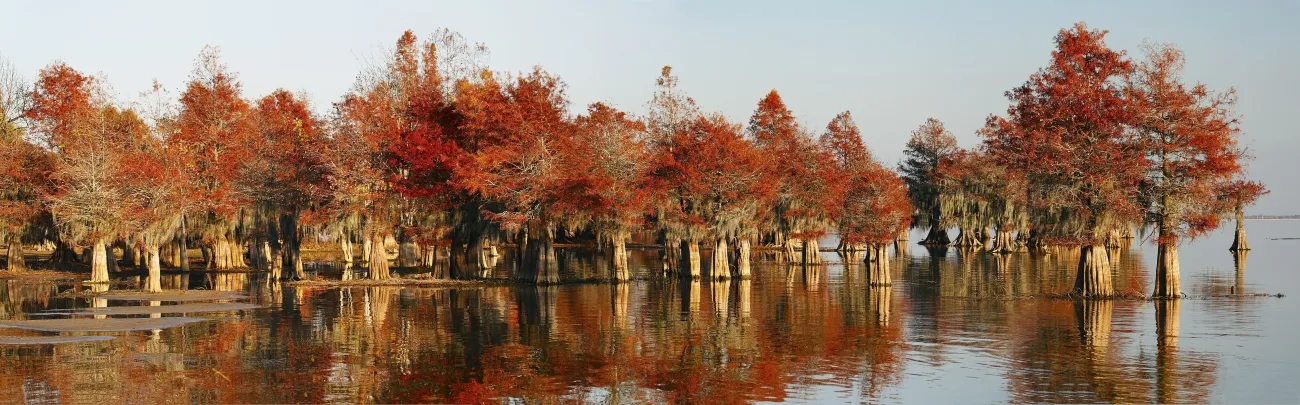
Wrights Bluff Nature Trail and the Dingle Pond trail each offer roughly a mile of walking, with opportunities to observe woodland and wetland birds. Observation platforms in the Bluff area provide additional places to pause. The refuge also lists longer walking and bicycle routes across its units; use a current map to select a trail appropriate for your group.
Some hiking and cycling routes close during the November 1–March 1 waterfowl sanctuary period, and the refuge says all trails close during deer hunting season. Never assume a route is open because it appears on an older map. Ask staff, follow signs and be ready with an alternative. Wear suitable footwear, bring water and use insect protection in warm months.
4. Watch for seasonal wildlife
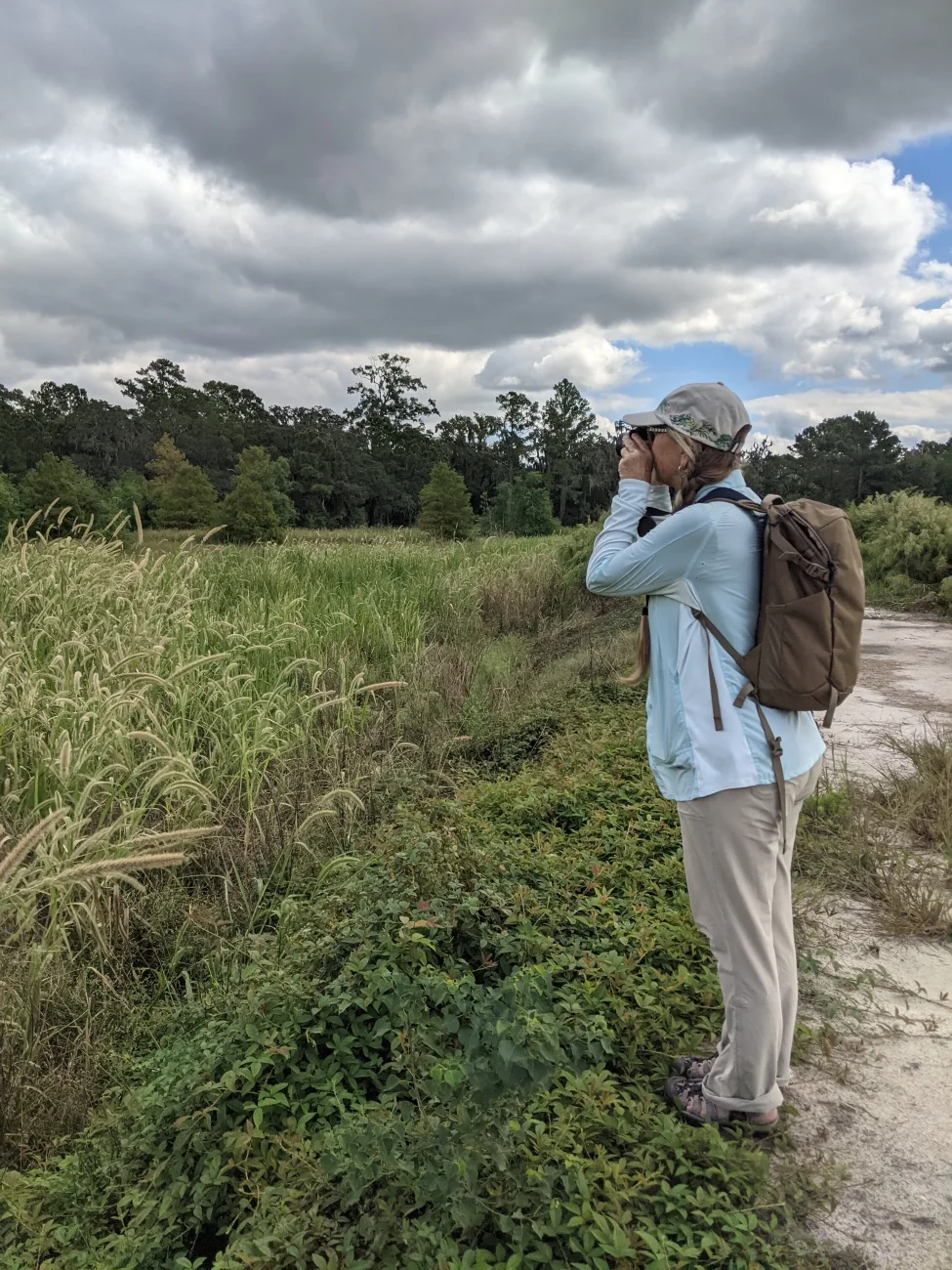
Birding is popular throughout the refuge, especially during spring and fall migration. Waterfowl use the protected habitats in winter, while songbirds and wading birds may be observed in other seasons. The agency also notes deer, turkeys, turtles and alligators. A sighting depends on the season and conditions, so plan for the pleasure of watching rather than a guaranteed checklist.
Stay on open routes and never feed or approach wildlife. Use a long lens rather than moving closer. Alligators are wild animals; keep children nearby and pets under control, and stay away from the water's edge where visibility is poor. Leave plants, feathers and other natural items in place.
5. Respect the sanctuary and the site's history
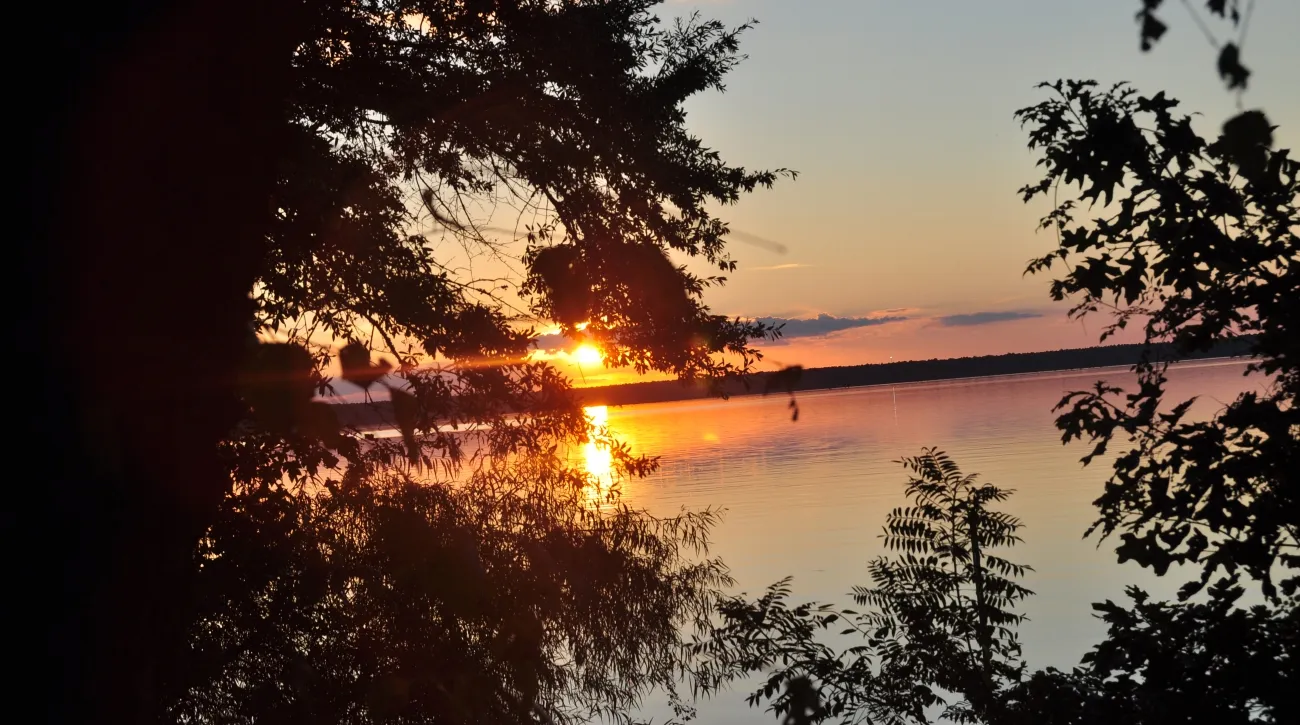
The refuge protects areas of Lake Marion as seasonal sanctuary. The agency lists waters including Cantey Bay, Savannah Branch and Black Bottom as closed to access from November 1 to March 1, along with certain adjacent land areas. Consult the refuge map for precise boundaries and current rules; do not cross signs or barriers for a better photograph.
The Bluff Unit also includes the historic Santee Indian Mound and Fort Watson site, reflecting Indigenous history and a later Revolutionary War use of the landscape. Treat it as a protected cultural site and follow interpretive signs. A simple first visit might combine the visitor center, one open trail and the Cuddo drive on a day when it is available. Check current access immediately before the trip and leave room for changing conditions.