In Mount Pleasant, a 28-acre remnant of Snee Farm offers a place to consider the founding of the United States alongside the lives of people held in slavery. Charles Pinckney National Historic Site preserves part of a former Lowcountry plantation and interprets the politician's role in the Constitution, the agricultural economy and the people whose labor sustained it.
The grounds and a later coastal cottage make a manageable stop near Charleston, but the most valuable part of a visit is the context. The house standing today was built after Pinckney sold the property; archaeology and interpretation help tell stories that cannot be understood from architecture alone.
Start with the visitor center
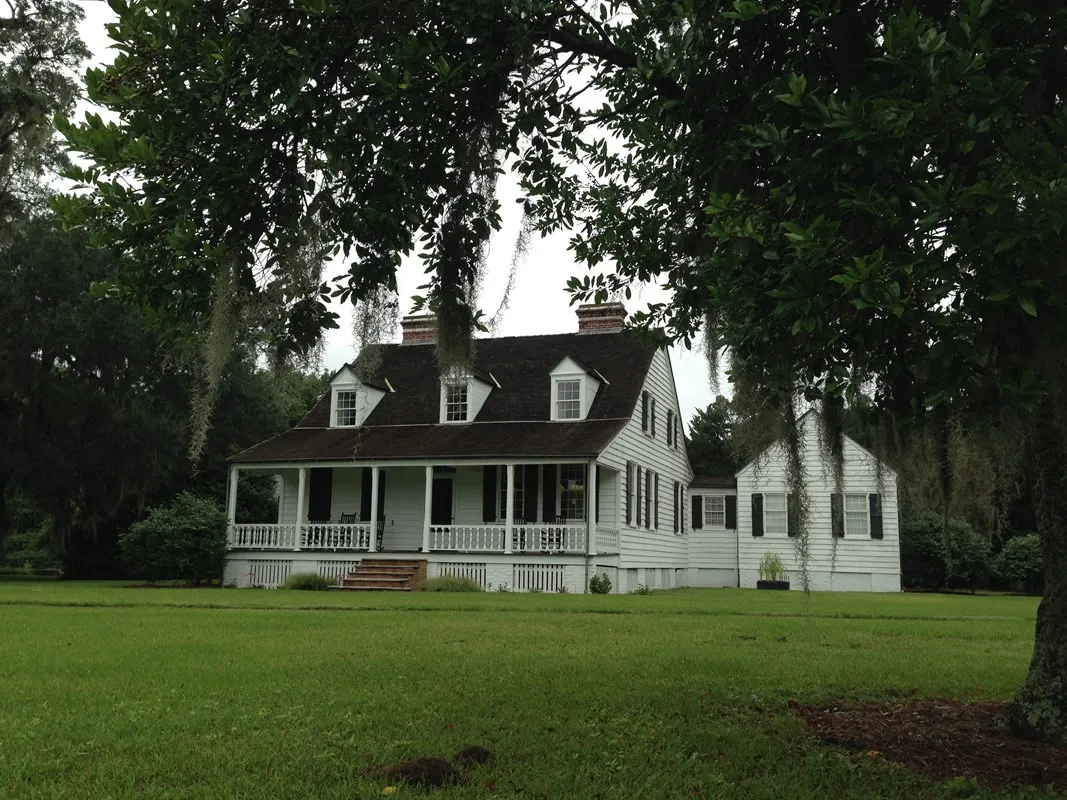
The visitor center and museum are housed in a circa 1828 coastal cottage. Exhibits, films and archaeological displays introduce Pinckney, the plantation and the nation's early history. Ask staff about ranger programs and the current schedule before setting out around the grounds.
The site is at 1254 Long Point Road in Mount Pleasant. NPS pages have listed different schedules for the grounds and the historic home, and the park advises checking its current basic information before visiting. Confirm opening days, hours and accessibility directly rather than assuming the house is open whenever the grounds are.
Understand Pinckney's political role
Charles Pinckney was a signer of the U.S. Constitution and later served in several public offices, including governor of South Carolina. The NPS describes him as a principal contributor to the Constitution. Snee Farm provides an opportunity to place that public career beside the economic and social systems that supported him.
The contradictions are central to the story. The nation's founding documents and debates about liberty existed alongside slavery, and Pinckney himself enslaved people. A thoughtful visit makes room for both the constitutional history and the experiences of the people denied freedom.
Learn about the enslaved community
Snee Farm produced rice and indigo using enslaved labor. The NPS reports that the 1790 census recorded around 40 enslaved people at the property, and 58 by 1810. They included skilled workers as well as field laborers; their work and knowledge contributed directly to the plantation's wealth.
Individual lives are not fully recorded in surviving documents. The park uses archaeological evidence to help recover information about homes, foodways and material culture. Ask which exhibits interpret these findings, and remember that the absence of a standing building does not mean a community was absent from the landscape.
Look at what archaeology reveals
No structures from the Pinckney family's ownership survive at Snee Farm today. Archaeologists have investigated the locations of outbuildings, a well and portions of the enslaved community. Objects such as handmade ceramics, tools and personal items can help researchers ask questions about daily life that written records leave unanswered.
Interpretation is a process: an artifact can suggest how a place was used without telling the whole story of the person who handled it. Read the exhibit labels and give yourself time to consider both the evidence and its limits. Leave any objects you find on the ground and notify park staff rather than collecting them.
Walk the grounds and short nature trail
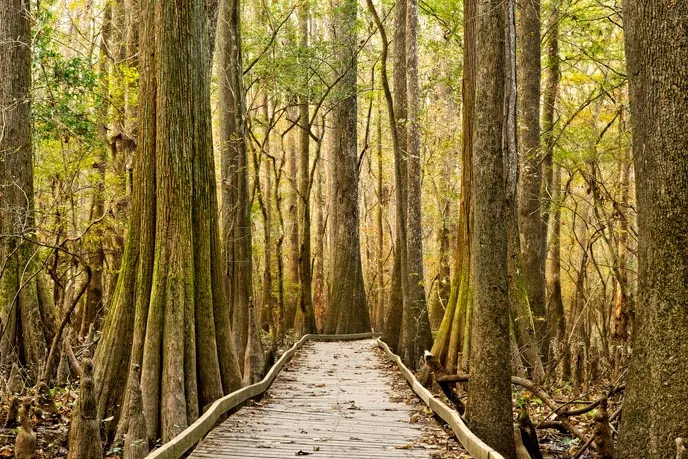
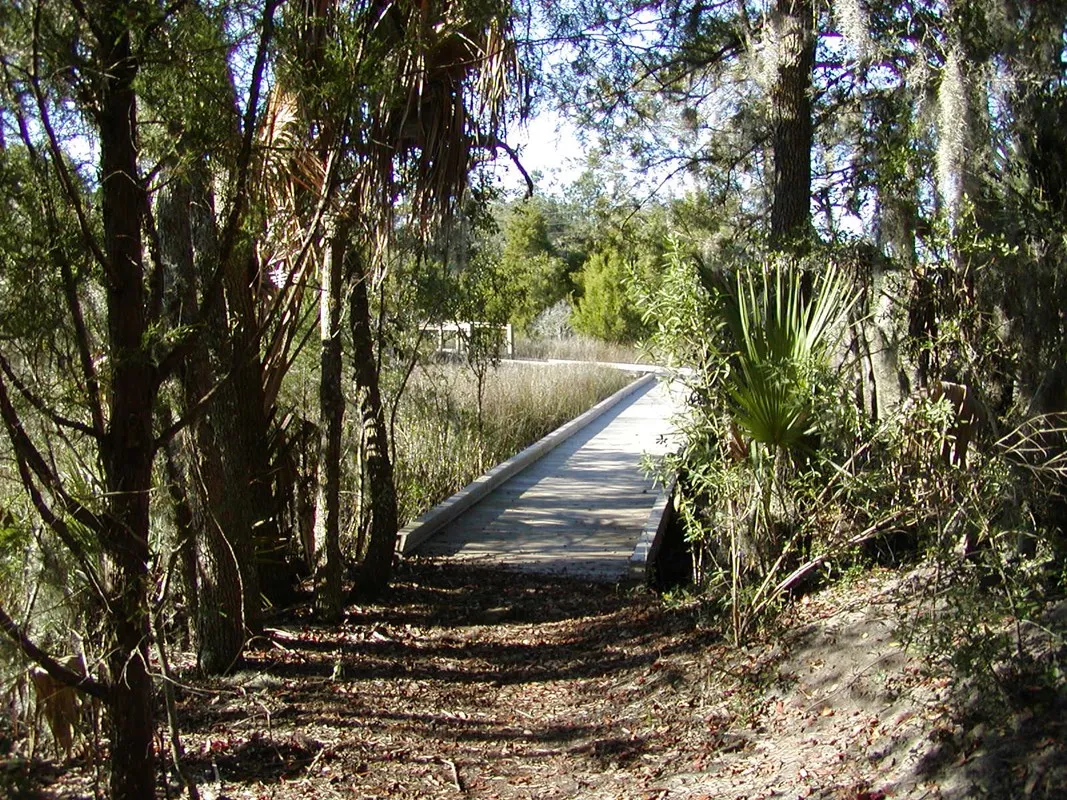
The park's approximately quarter-mile loop passes cultural and natural points of interest. Live oaks, Spanish moss and ornamental plants reflect later layers of the landscape as well as the region's ecology. A boardwalk section offers a different view of the grounds. Check surface and weather conditions before setting out, and ask about the best route for your group.
The cottage was built around 1828 on the site of the earlier Pinckney farmhouse, after the property changed hands. It should not be presented as the surviving Pinckney-era house. Other features, including a twentieth-century corn crib, show that the land continued to change after his ownership.
Make the most of a short visit
The NPS offers films and may provide guided programs when staff are available. Topics can include plantation life, the Constitution, Gullah Geechee culture and the history of the Charleston area. Ask at the visitor center whether a program is offered that day, and allow time for questions rather than treating the grounds as only a scenic stop.
Bring water and insect protection, particularly in warmer weather, and check park alerts before traveling. For current information, the NPS lists 843-577-0242. Pairing the exhibits with the short walk offers a fuller picture of a place shaped by political ambition, coerced labor and many generations of people.