Birmingham’s civil rights district is compact enough to explore on foot, but the history held within its streets deserves a thoughtful pace. Churches, a public park, a museum and a historic motel tell connected stories of Black community life, organized resistance and the violence used to defend segregation.
The National Park Service and local partners manage different sites, so hours and admission rules are not identical. Begin with current visitor information and allow time to read, listen and reflect. These four stops make a useful introduction without pretending that one visit can contain the whole history.
1. Begin at the Birmingham Civil Rights Institute
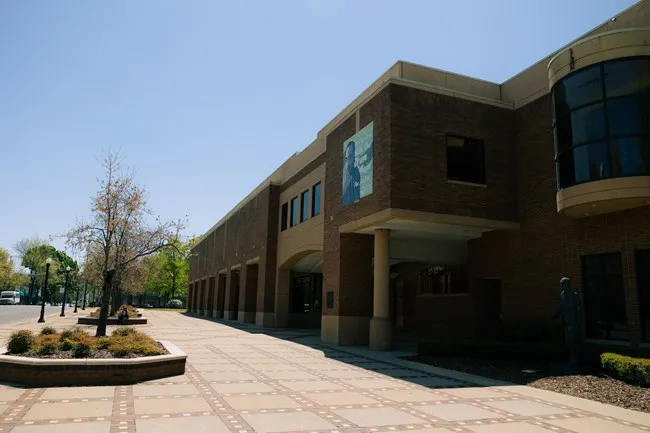
The Birmingham Civil Rights Institute is a museum and educational center across from Kelly Ingram Park. Its galleries put the local movement into a broader context, using exhibits and historical materials to explore segregation, activism and the long struggle for civil rights. Starting here can provide a foundation for understanding the places you encounter outside.
The museum’s visitor page lists current admission, hours, accessibility and bag requirements. It also asks that children and students be accompanied by an adult. Check the page before arriving: the institute and its partners have their own schedules, and the last admission may be earlier than closing time.
Families should be prepared for accounts of racial violence and injustice. Consider discussing what children may encounter beforehand and leaving time afterward for questions. A thoughtful pause in the galleries may be more valuable than trying to read every label on a tight schedule.
The institute says it has accessible routes and a sensory room; contact staff ahead of time about specific accommodations. Its photography rules apply inside the galleries, so check posted signs and ask before using a camera.
2. Walk through Kelly Ingram Park
Across the street, Kelly Ingram Park was an assembly point for demonstrations during Birmingham’s 1963 campaign against segregation. Police and firefighters attacked protesters, including children, with dogs and powerful water hoses. Images of that violence reached people far beyond Alabama and helped bring national attention to the movement.
The park today contains sculptures and interpretive features that invite visitors to consider those events. Walk slowly, read the context and make space for others who may be reflecting or taking part in a program. The National Park Service describes the paths as paved and accessible, while noting that some ground may be uneven.
This is a public place and a memorial landscape. It can be experienced without rushing from one photograph to another. For children, a simple question—why would young people choose to march when they knew they might be arrested?—can open a meaningful conversation about courage, collective action and the risks participants faced.
Check the current park hours and weather before visiting. A National Park Service ranger program may offer more context when available; consult the monument’s current calendar rather than assuming one will be offered on your date.
3. Learn the story of Sixteenth Street Baptist Church
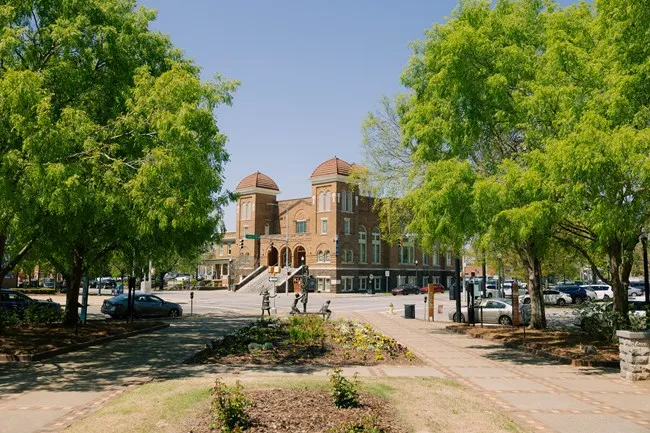
Sixteenth Street Baptist Church was an important gathering place during the movement. On September 15, 1963, a bomb planted by white supremacists killed four girls: Addie Mae Collins, Denise McNair, Carole Robertson and Cynthia Wesley. Their deaths became a defining moment in the struggle for civil rights.
The church remains an active place of worship as well as a historic site. Contact it directly about tours, hours and any visitor requirements, and be considerate of services and community events. Seeing the building from the public sidewalk can be part of a visit, but do not assume that the interior is open whenever you arrive.
The church and the park are close together, yet each deserves its own time. Remember the girls by name, and use the interpretation provided by the church and National Park Service to learn about their lives and the community’s response, not only the event that made the building nationally known.
4. Add the A.G. Gaston Motel and the wider district
The A.G. Gaston Motel served as a headquarters for civil rights leaders during the 1963 Birmingham campaign. Today it is part of the Birmingham Civil Rights National Monument, with portions operated by the National Park Service and the City of Birmingham. Check the monument’s current visitor information for which spaces and exhibits are open; different parts of the property have different access arrangements.
The nearby Fourth Avenue business district adds a different dimension to the story. Black-owned businesses and institutions created places to work, shop and gather in a segregated city. The Masonic Temple is among the district’s landmarks; the National Park Service has noted construction affecting interior access, so confirm its current status before planning a visit.
Historic Bethel Baptist Church, associated with Reverend Fred Shuttlesworth and the Alabama Christian Movement for Human Rights, lies several miles from the downtown cluster. It can deepen a longer visit, but it is a separate drive; contact the church directly about tour access.
Plan a respectful visit
The district’s sites are managed by different organizations. Confirm hours, admission, tours and accessibility with each operator; schedules may change for worship, programs or maintenance. Wear comfortable shoes, bring water and leave room for conversation between stops.
The National Park Service’s monument page is a good place to start planning, and the institute’s own visitor page has current gallery policies. Approach these places as living community spaces and sites of remembrance. A few well-understood stops can offer more than a hurried itinerary through all of them.