West of Gulf Shores, Bon Secour National Wildlife Refuge offers a different kind of Alabama beach day. Here the coast is also habitat: dunes, maritime forest, wetlands and scrub support wildlife, and the best visit leaves room to notice the landscape as well as the water.
The refuge is free to visit, and its trails and beach access locations are generally open sunrise to sunset. Check the U.S. Fish and Wildlife Service’s current visitor information before you go, then use these four ideas to plan a relaxed outing that respects the place and its wildlife.
1. Start with a trail that suits your group
The refuge’s trails introduce different coastal habitats. The Jeff Friend Trail offers a loop near Little Lagoon, while the Chan West Pine Beach Trail leads through a changing landscape toward the coast. Use the refuge’s current map and trail information to choose the distance and surface that fit your group, and ask staff about accessibility or recent conditions when those details matter.
The goal does not have to be reaching every trail. A shorter outing gives children time to notice birds, plants and animal tracks, and it lets everyone adjust to the heat. Bring water, sun protection and insect repellent; the refuge notes that biting insects occur year-round and can be especially plentiful in summer.
Refuge trails are for foot traffic, and bicycles are not allowed. Pets are prohibited, with an exception for service dogs under refuge policy. Make a separate plan for a pet before arriving, and never leave an animal unattended in a vehicle.
2. Understand the dunes before heading to the beach
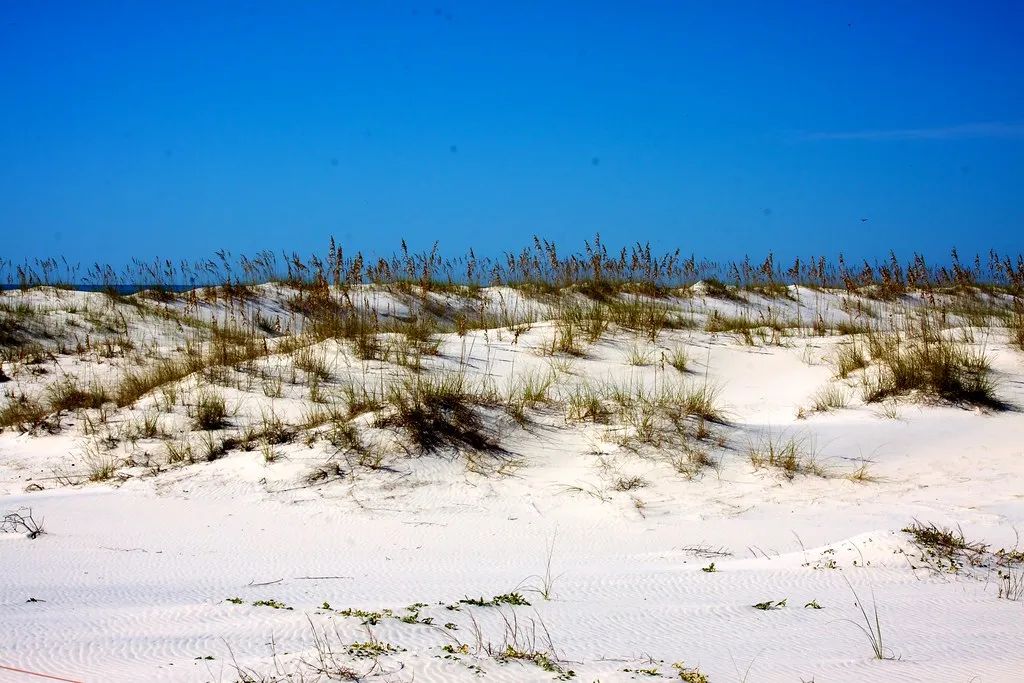
Bon Secour was established in part to conserve beach and dune habitat as well as provide wildlife-oriented recreation. The refuge protects habitat for species including the Alabama beach mouse. Those pale stretches of sand and vegetation are more than a backdrop: small plants help hold dunes in place, and wildlife uses spaces that may look empty from a distance.
Use designated routes and boardwalks where open, obey closures and give dunes and wildlife space. Do not disturb nests or approach animals for a closer photograph. A pair of binoculars lets you look carefully without turning a quiet encounter into a stressful one for wildlife.
The refuge’s coastal scenery changes with weather, season and restoration work. An older beach photograph is a record of one moment, not a promise of current conditions. As of November 2026, the agency reports that Centennial Trail boardwalk sections are closed for safety; visitors can walk the open approaches but must stop at the closures. Check for updates before choosing a route.
3. Explore Little Lagoon and watch for birds
The refuge says paddlers can access Little Lagoon through the canoe and kayak launch at the Jeff Friend Trail. If you plan to paddle, check the forecast, wind and current conditions, bring appropriate safety equipment and understand the route before leaving shore. An easy-looking body of water can be more challenging when weather changes.
If you prefer to stay on land, look and listen from an established trail. A birding outing can be as simple as pausing quietly for several minutes and watching for movement between the water and trees. The refuge offers guided activities at times, so check its current calendar and registration details rather than assuming a walk is available every day.
Wildlife sightings are never guaranteed. Give the group an observation challenge that does not depend on one species: count different bird calls, compare leaf shapes or look for changes in habitat along the path. Stay on approved routes and leave plants and natural features in place.
4. Make the beach stop part of a thoughtful day
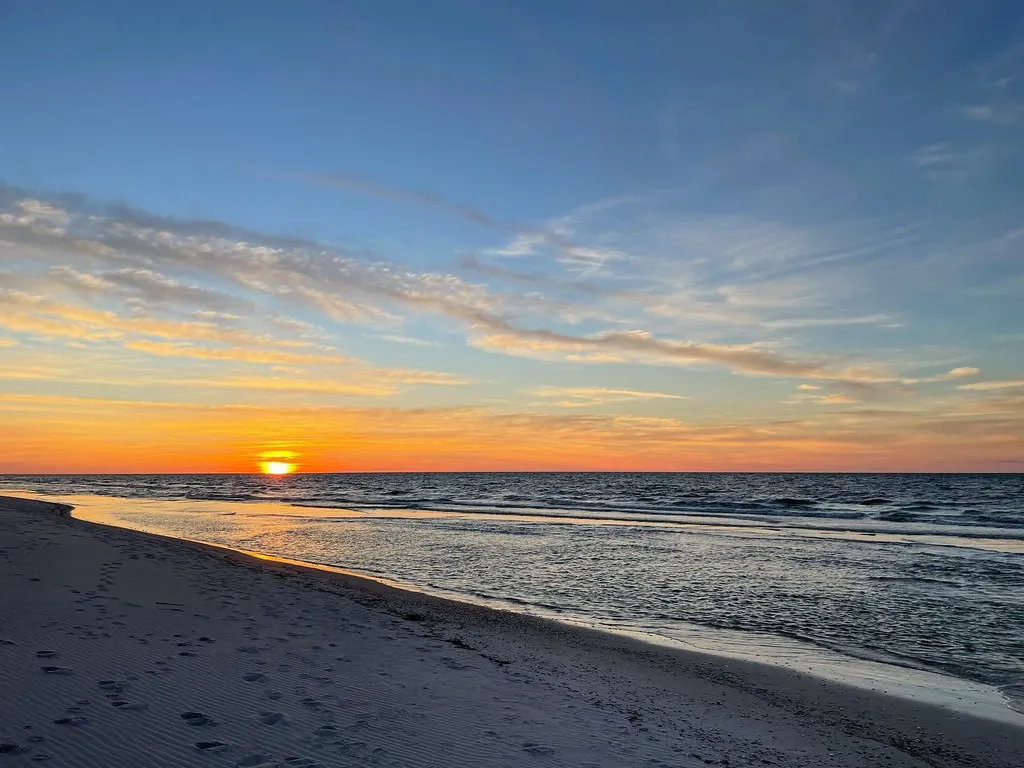
Beach access and refuge trails close at sunset, so plan your return with time to spare. Bring drinking water, a hat and a way to carry out everything you bring. Check local beach conditions and warnings before entering the water; Gulf surf and weather can change quickly, and a calm-looking view does not establish that swimming is safe.
The visitor contact station can help with maps and local information when open. The refuge currently lists weekday morning hours with federal holiday exceptions, but unexpected closures occur, so confirm before relying on it. Facilities on the trails are limited; plan restroom stops before setting out.
Families traveling with pets can ask about nearby places with different rules, including Gulf State Park. For fishing, the refuge identifies specific opportunities and says a valid Alabama saltwater license is required; check current state and refuge rules before casting.
A Bon Secour visit is rewarding when it is not rushed. A walk, a little time listening to the coast and a careful return before closing can make room for the wildlife that calls this stretch of Alabama home.