Gulf State Park gives an Alabama beach trip room to breathe. The Gulf shoreline is an obvious draw, but across the road are trails, Lake Shelby and habitats that make it easy to build a day around more than a towel and an umbrella.
The park is spread across several entrances near Gulf Shores and Orange Beach, so choose a cluster of activities instead of trying to visit every facility. These four ideas combine coast, lake and trail time, with practical details to check before setting out.
1. Spend time at the beach and pavilion
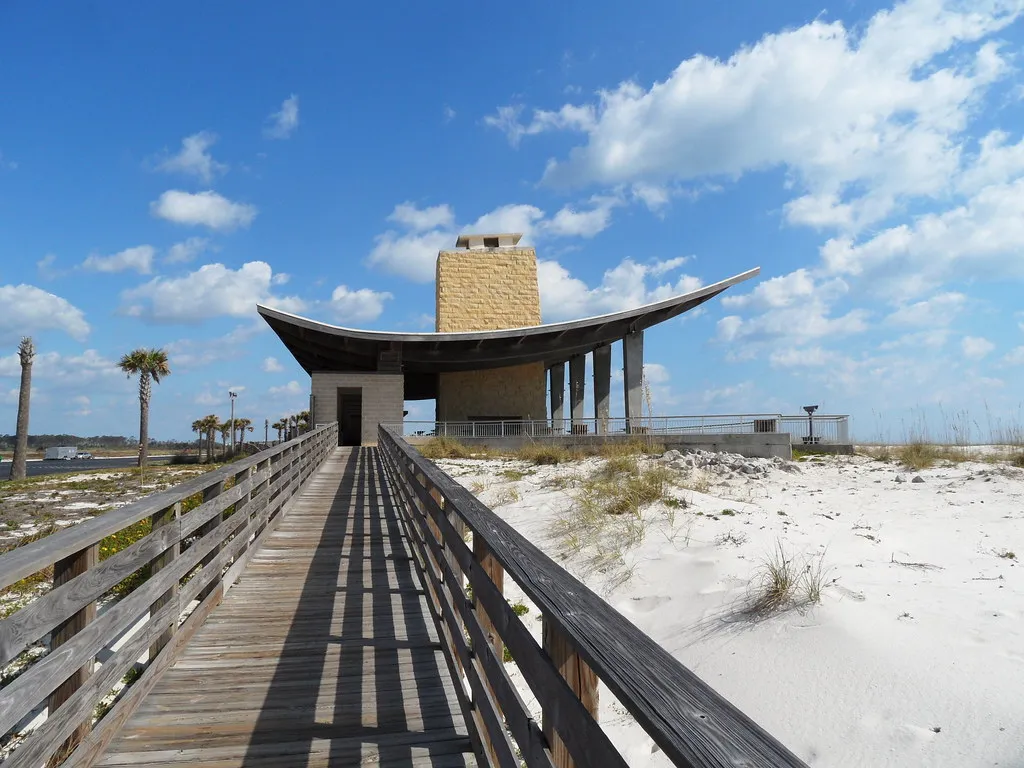
Start with the beach pavilion if you want a base for a shoreline outing. Pack water, sun protection and whatever shade your group needs, and use designated boardwalks to protect the dunes. The historical pavilion photograph here shows an earlier view; facilities and beach conditions can change.
Before anyone enters the water, check local beach flags, weather and surf conditions. Rip currents can be dangerous even when a beach looks inviting. Supervise children closely and follow posted warnings. If conditions are unsafe, a walk, picnic or inland trail may be the better choice.
Parking and facility fees apply in some areas. Review the park’s current parking information before arriving and keep the payment confirmation as directed. A full-day visit can be enjoyable without filling every hour: allow time for snacks, breaks from the sun and an unhurried walk along the shore.
2. Visit the fishing and education pier
The park’s fishing and education pier offers a way to look over the Gulf even if you do not fish. The state lists covered seating, interpretive signs, restrooms and an elevated observation area, as well as accessible rail fishing. Check the park’s latest updates for weather-related or maintenance changes before going.
Sightseeing and fishing have different fee arrangements, and parking receipts may include a limited number of admissions under current park rules. Additional visitors may need their own permits. Fishing also requires the appropriate license; check current state requirements rather than assuming a pier payment covers every obligation.
Take time to watch birds and waves from a respectful distance, keep fishing gear clear of other visitors and follow staff instructions. Wind can make a warm shore feel cooler on the pier, while sun exposure can be stronger than expected, so bring a layer or hat as conditions suggest.
3. Trade sand for the Backcountry Trail
The Hugh S. Branyon Backcountry Trail connects a network of paths through the park’s interior. The state describes more than 28 miles of trails, including paved sections, boardwalks and some unpaved routes. Choose a shorter segment from the park map and confirm its surface and length rather than assuming the entire system looks alike.
Walking or cycling here provides a different view of the coast, from live oaks and dunes to lakeside habitat. The park lists trails open dawn to dusk and prohibits unauthorized motorized vehicles and golf carts. Share the path, give other visitors room and obey posted rules.
Wildlife belongs to the landscape, including alligators. Observe from a distance and never feed or approach an animal. Bring water and insect protection, especially in warm weather; if the heat or a storm changes your plans, shorten the route and return another day.
4. Slow down at Lake Shelby
Lake Shelby offers a change of pace from the Gulf. The park lists a picnic area, a designated swimming area, a playground and launches for boats and kayaks. It also lists canoe, kayak and paddleboard rentals, but operators and availability can change, so confirm details before building a trip around a rental.
Use the designated swimming area and follow current safety guidance. The park warns that alligators live in the area and says personal watercraft such as jet skis are not allowed on the lake. Keep children close, watch weather and wind before paddling, and use appropriate life jackets and equipment.
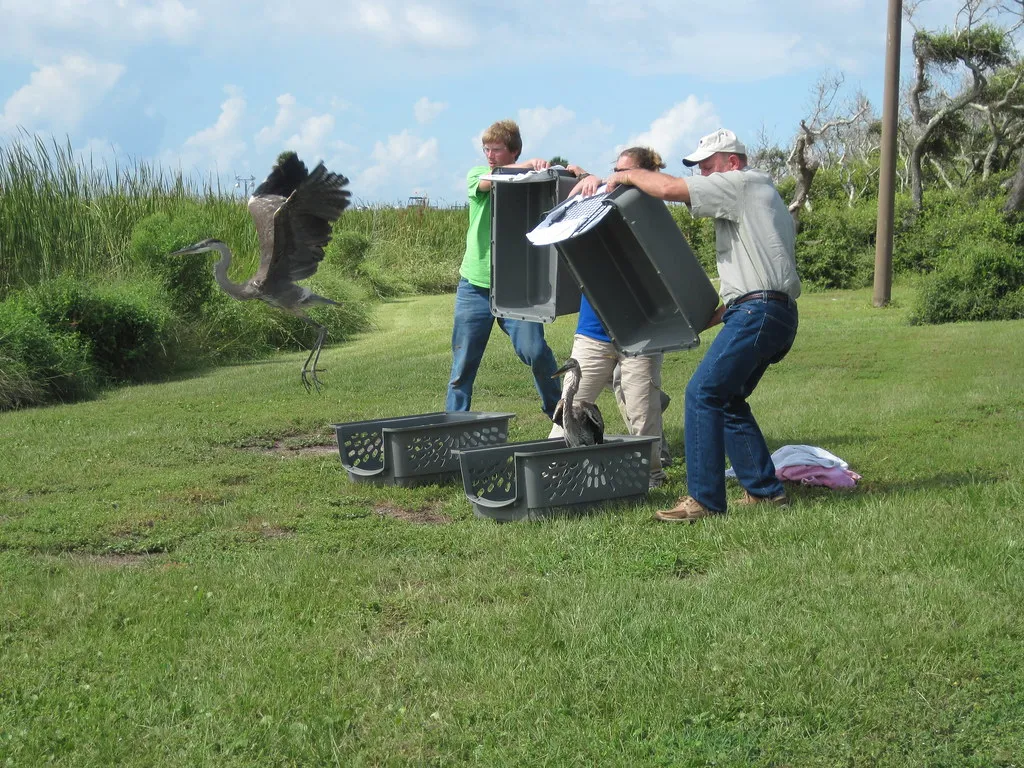
The lake also illustrates why habitat care matters. In 2010, wildlife workers released rehabilitated great blue herons at Lake Shelby after the Deepwater Horizon oil spill; the historical USFWS photograph in this article records that event. A normal visit should leave wildlife undisturbed and give birds room to feed and rest.
Make the day work for your group
Check park maps and current hours, parking rates, pier fees and facility notices before leaving. Reservations may be needed for lodging, campsites or pavilions, and services can vary seasonally. If your group includes a visitor with accessibility needs, contact the park about the specific trail, restroom or route you plan to use.
Gulf State Park is large enough to reward repeat visits. A beach morning and a lake picnic can be plenty for one day; a later trip can focus on the trails and the pier. The best plan is the one that leaves time to enjoy each stop safely.