Alabama has places where a short walk leads to a waterfall, a cave shelter reveals thousands of years of human history, and an old airfield tells a story that helped change American aviation. They do not all fit into one easy afternoon. That is part of their appeal: each offers a different reason to leave the highway and spend time looking more closely.
These four National Park Service destinations make rewarding individual outings, from the wooded northeast to the central and eastern parts of the state. Choose the stop that fits your route, confirm current hours and conditions, and leave enough time for the stories behind the scenery.
1. Little River Canyon: A Waterfall and a Drive Along the Rim
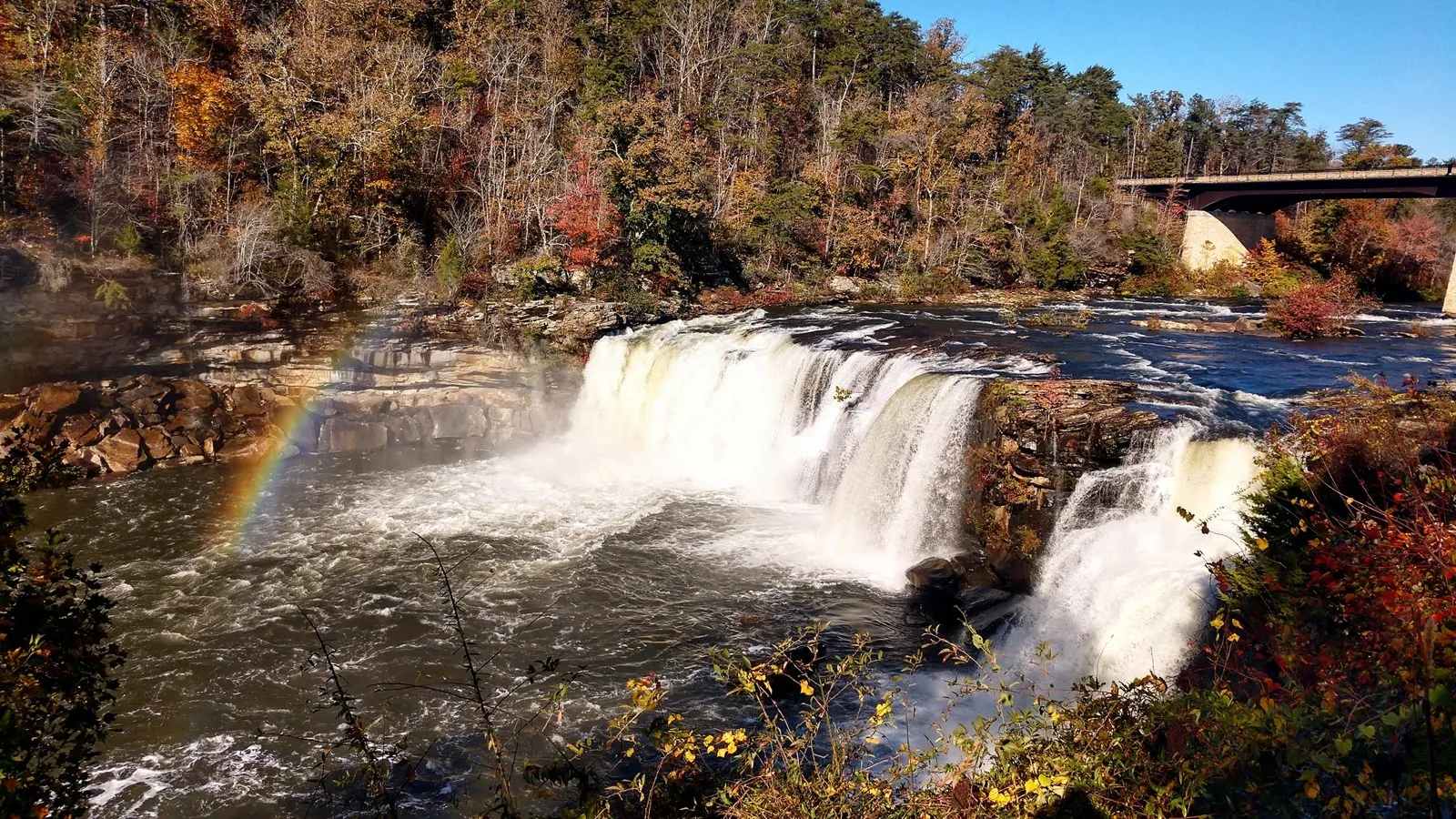
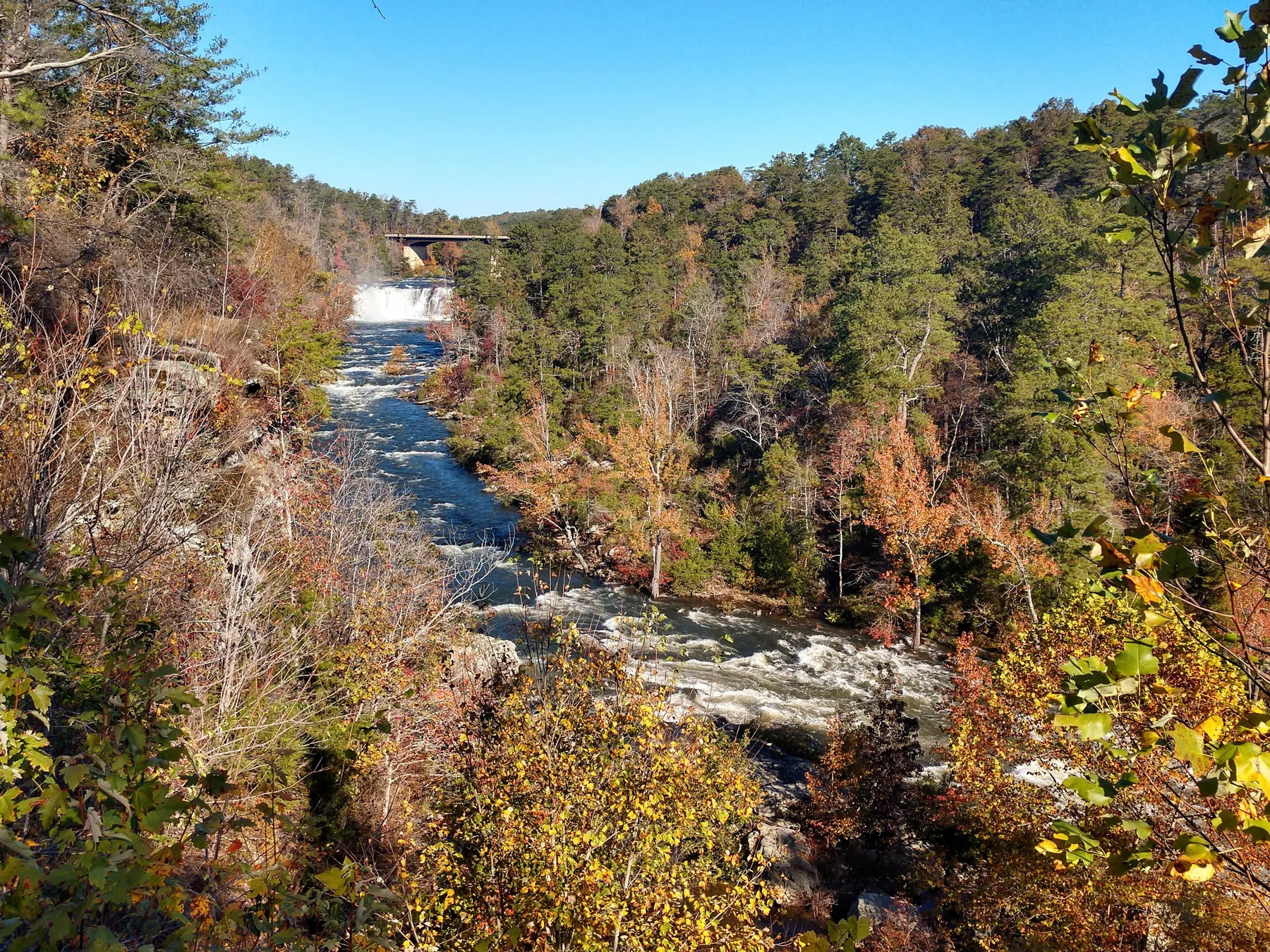
Near Fort Payne in northeast Alabama, Little River Canyon National Preserve makes an easy case for slowing down. Start at Little River Falls, where the water moves over a broad sandstone ledge at the beginning of the canyon. After rain, the river can look dramatically different from the gentler flow of a dry spell. Watch from the designated viewing area and give the water plenty of room; currents and slippery rocks can be dangerous.
The falls parking area is along Alabama Highway 35. A boardwalk leads toward an overlook, giving many visitors a way to enjoy the view without descending a rugged canyon trail. Conditions and individual accessibility needs vary, so consult the park before relying on a particular route.
For a longer outing, follow the eleven-mile scenic drive along Highway 176 on the canyon's western rim. The National Park Service describes a series of overlooks with pullouts, so you can choose a few rather than attempting every stop. The road is narrow and winding; slow down for curves, cyclists and wildlife, and park only where it is safe and permitted.
Pack water and a picnic if you want to make a relaxed day of it. The park notes that overlooks are open during daylight hours, and it lists no fee for the scenic drive or Little River Falls. Check current alerts before leaving because weather and road work can affect access. If you continue beyond the main rim drive, verify the route's suitability for your vehicle.
2. Russell Cave: A Short Boardwalk to a Much Longer Human Story
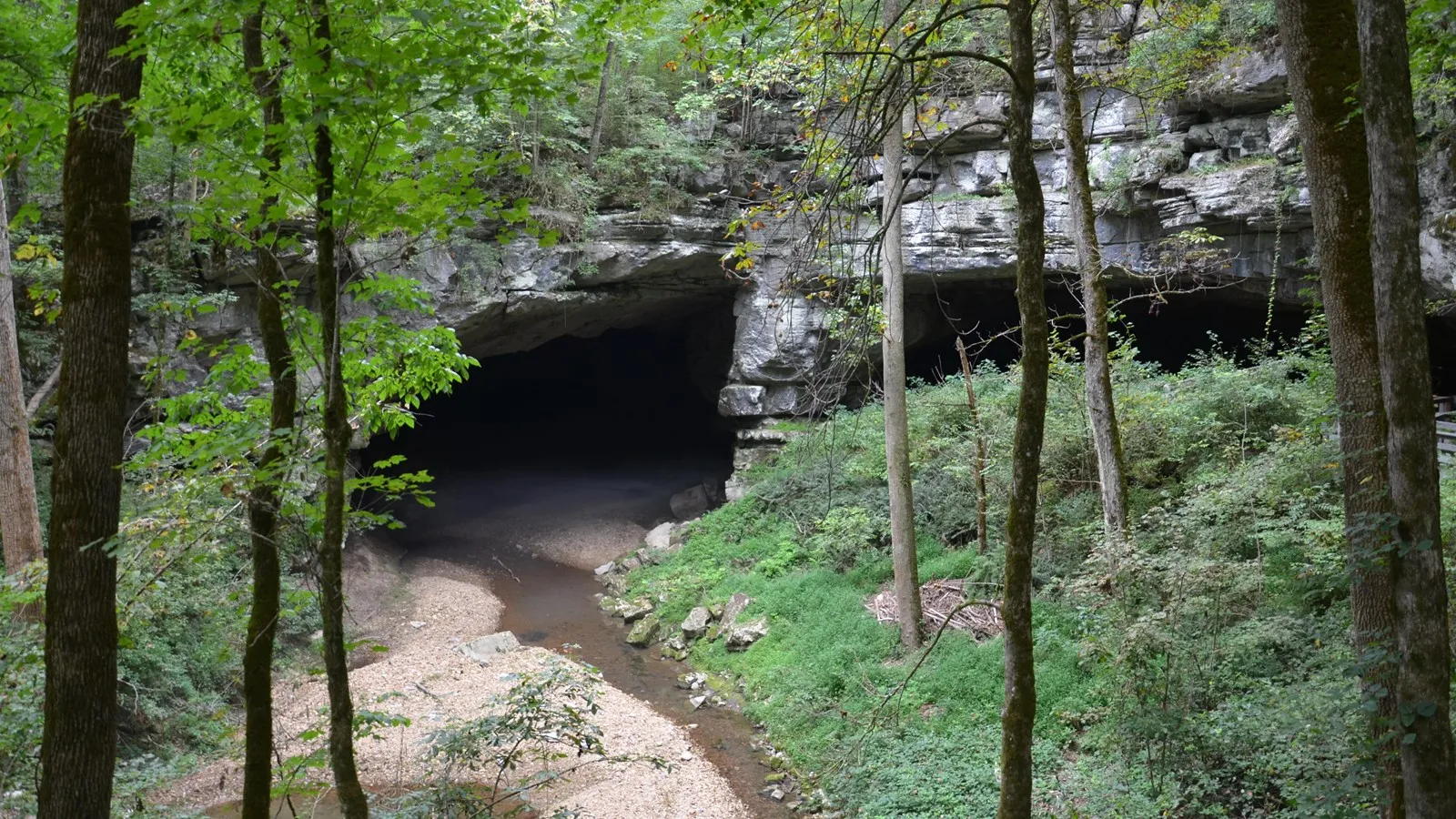
At Russell Cave National Monument near Bridgeport, the first impression is quiet: trees, a stream and a rock opening at the edge of a wooded slope. The place becomes more compelling as you learn what archaeologists found. The shelter holds evidence of human use spanning thousands of years, a reminder that Alabama's history did not begin with the arrival of European settlers.
Begin inside the visitor center, where exhibits help explain the objects and evidence associated with the site. Then take the short boardwalk toward the shelter. The park describes it as approximately two-tenths of a mile and accessible to wheelchairs and strollers, with slight inclines. Benches are available near the beginning and end; ask staff about current conditions and equipment if accessibility is important to your visit.
One detail matters when planning: visitors do not tour inside Russell Cave. The experience is the museum, the boardwalk and the view of the shelter from the permitted area. Treat the site as an archaeological place rather than a cave to explore, stay on the designated route and leave natural and cultural materials undisturbed.
If you have more time, the park also lists a nature trail and picnic area. Check the park's hours and holiday closures before driving out, and remember that the site operates on Central Time. This is a good stop for travelers who enjoy a manageable walk with a lot to think about afterward.
3. Horseshoe Bend: A Battlefield Viewed From the River Landscape
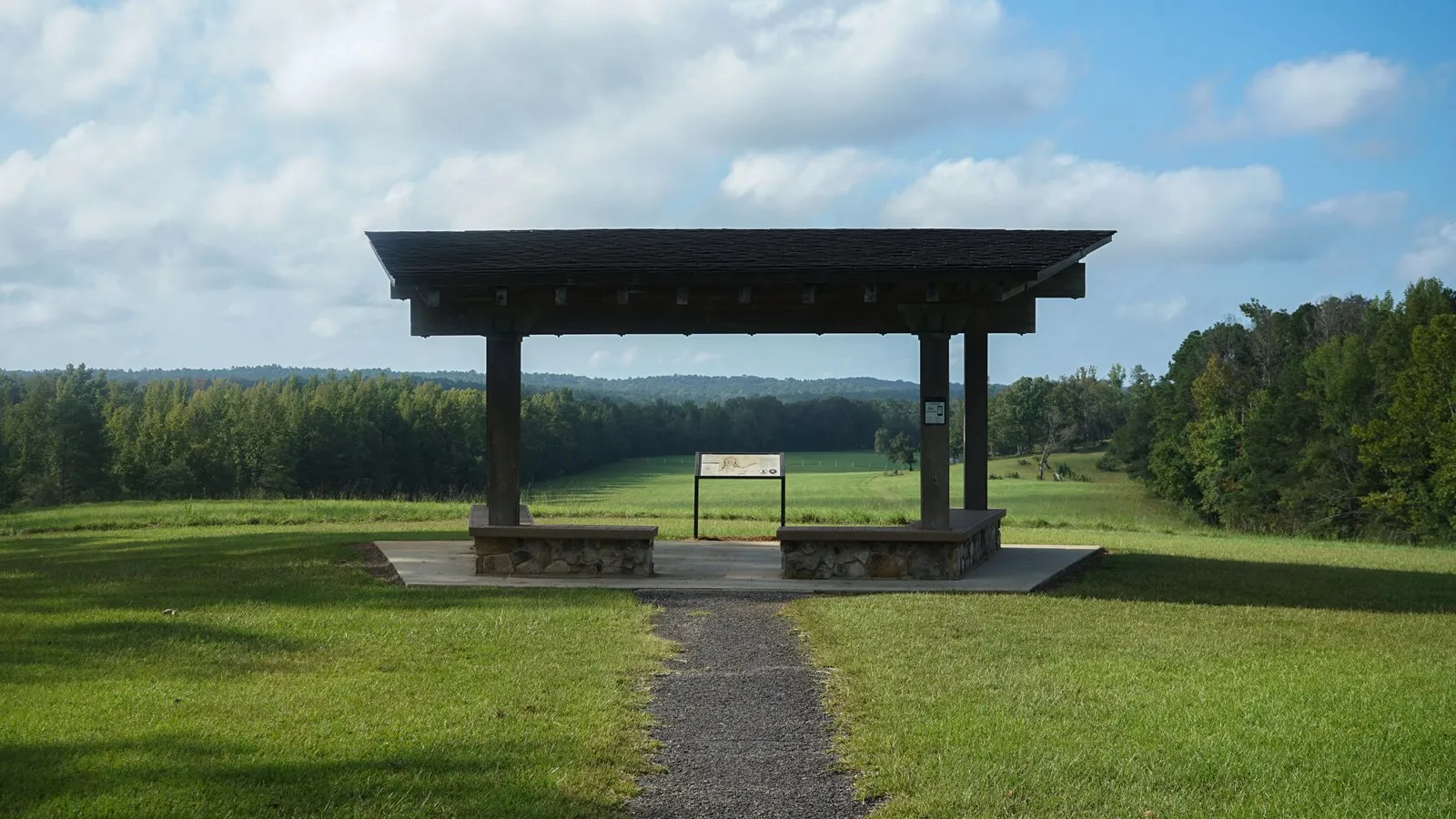
Horseshoe Bend National Military Park near Daviston preserves the site of a decisive 1814 battle in the Creek War. Its gentle-looking fields and river scenery can make the events difficult to picture without context, which is why the visitor center is a useful first stop. Exhibits and the park film introduce the conflict before you follow the landscape outside.
At Horseshoe Bend, Andrew Jackson's forces and their allies attacked Red Stick Muscogee fighters. The fighting killed hundreds of Red Sticks, and the subsequent Treaty of Fort Jackson forced the cession of roughly 23 million acres of Muscogee land, including land belonging to people who had allied with the United States. The park is a place to consider the consequences for Indigenous communities as well as the military history.
A three-mile self-guided driving loop links interpretive stops, and the park also describes a 2.8-mile nature trail. You can read the waysides at your own pace, then decide whether a longer walk suits the weather and your group. The boat ramp and picnic areas offer a different perspective on the Tallapoosa River; check current water conditions and park rules before bringing a small craft.
4. Tuskegee Airmen: Follow an Aviation Story Beyond the Cockpit

At Moton Field in Tuskegee, the Tuskegee Airmen National Historic Site tells the story of the Black military aviators trained in a segregated system and the many people who supported their work. The term Tuskegee Airmen includes far more than pilots: mechanics, instructors, support crews and other personnel were part of the effort.
Inside the historic-site hangars, exhibits and aircraft help visitors connect that history to a real airfield. Take time with the individual stories as well as the machinery. The significance of the site includes both the barriers the airmen faced and the skill, training and service that challenged assumptions used to exclude Black Americans from military aviation.
Check the National Park Service schedule before visiting: buildings and grounds may have different hours, and the hangars are not open every day. A visit pairs naturally with other Tuskegee history, but allow enough time to read the exhibits rather than treating the site as a quick photo stop.
Plan These as Separate Outings
The four sites are spread across Alabama, so a comfortable itinerary may mean several day trips or a longer journey with overnight stops. Before leaving, check each park's alerts, hours and accessibility information. Bring water, appropriate shoes and a flexible plan for storms or changing trail conditions.
The variety is the reward. A canyon overlook, a cave shelter, a battlefield and an airfield tell very different stories, but each invites the same approach: slow down, read the place carefully and give yourself time to understand it.