Colorado can change its scenery remarkably quickly. In one part of the state, a road climbs past sandstone towers; in another, wind shapes dunes beneath snow-covered mountains. Farther west, the ground drops into a narrow canyon, while a mesa holds the homes and history of Ancestral Pueblo people.
These four National Park Service destinations show different sides of Colorado. They are spread across the state, so treat them as separate outings or building blocks for a longer trip rather than an afternoon checklist. Each rewards a slower visit, a little preparation, and time to notice the details beyond the first overlook.
1. Colorado National Monument: A Red-Rock Drive Above Grand Valley
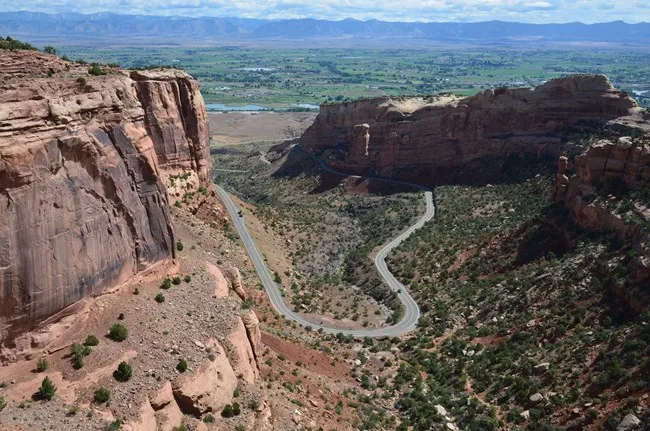
From the Grand Junction and Fruita area, Colorado National Monument climbs into a landscape of sheer canyon walls, sculpted rock and expansive views across the valley. Rim Rock Drive winds for 23 miles through this high desert country, threading past viewpoints where the shape of the land changes from one stop to the next.
The drive makes a good introduction, but allow time to pull over safely and walk a short trail if conditions permit. The visitor center near the west side of the monument has exhibits, a park film and staff who can help visitors choose a route. Hikes range from brief walks to considerably longer canyon outings, so the park's trail information is a better starting point than assuming every viewpoint requires the same effort.
Early or late light can bring out the color in the rock, but a desert setting still calls for practical planning. Carry water, wear sun protection and check the forecast before leaving the car. If you are traveling with children, keep a close eye on them near canyon edges and use established overlooks. Drivers should watch for cyclists and take the curves at a comfortable speed.
The monument works especially well as part of a Grand Valley stay. Instead of trying to see every overlook at once, pick a handful, spend a few minutes at each and notice how the towers look different as the road moves around them.
2. Great Sand Dunes: Sand, Mountains and a Creek That Changes With the Seasons
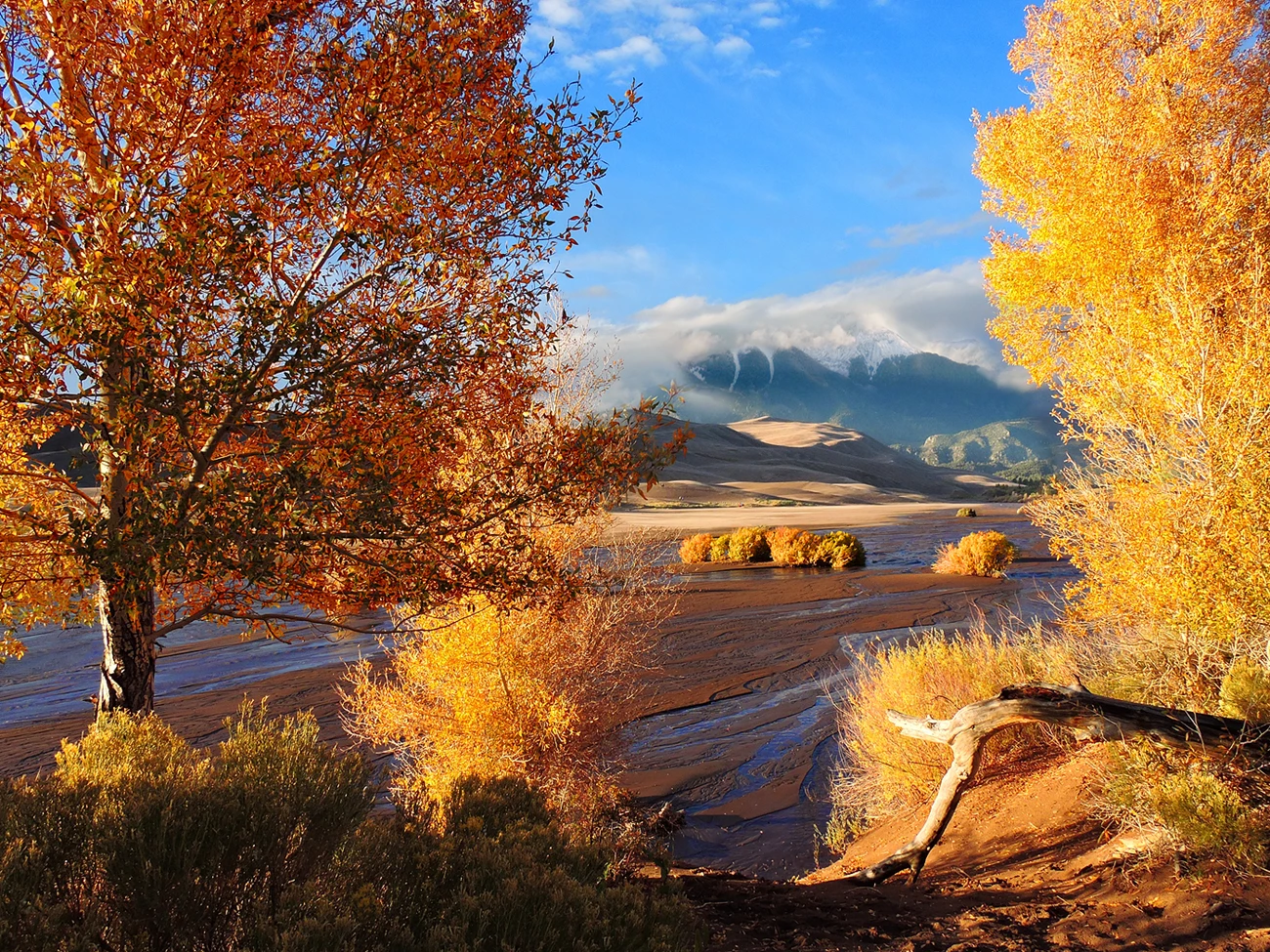
The dunes at Great Sand Dunes National Park and Preserve rise against the Sangre de Cristo Mountains, creating a scene that can feel surprising even after a long drive across Colorado. Sand is the obvious attraction, but the surrounding grasslands, forests and seasonal waterways make the view more varied than a single photograph suggests.
Visitors can walk onto the dunefield, choosing an outing that fits their time and energy. Walking in loose sand can take more effort than a level trail, and conditions change with the sun, wind and season. Plan conservatively, take water and protect your feet: the park warns that sand can become dangerously hot on warm days. Early morning or evening can offer a more comfortable experience.
Medano Creek is another reason to check the season before setting expectations. Its flow changes, and the National Park Service notes that the creek is typically dry in autumn unless the year has been wet. Spring runoff can bring an entirely different scene; consult the park's current creek information rather than promising children a beach day before you know the conditions.
Even if you decide against a long dune climb, leave time to look back toward the mountains and observe the patterns wind makes in the sand. A short visit can be memorable when it includes a pause for the details as well as the big view.
3. Black Canyon of the Gunnison: A Deep Gorge Seen From the Rim
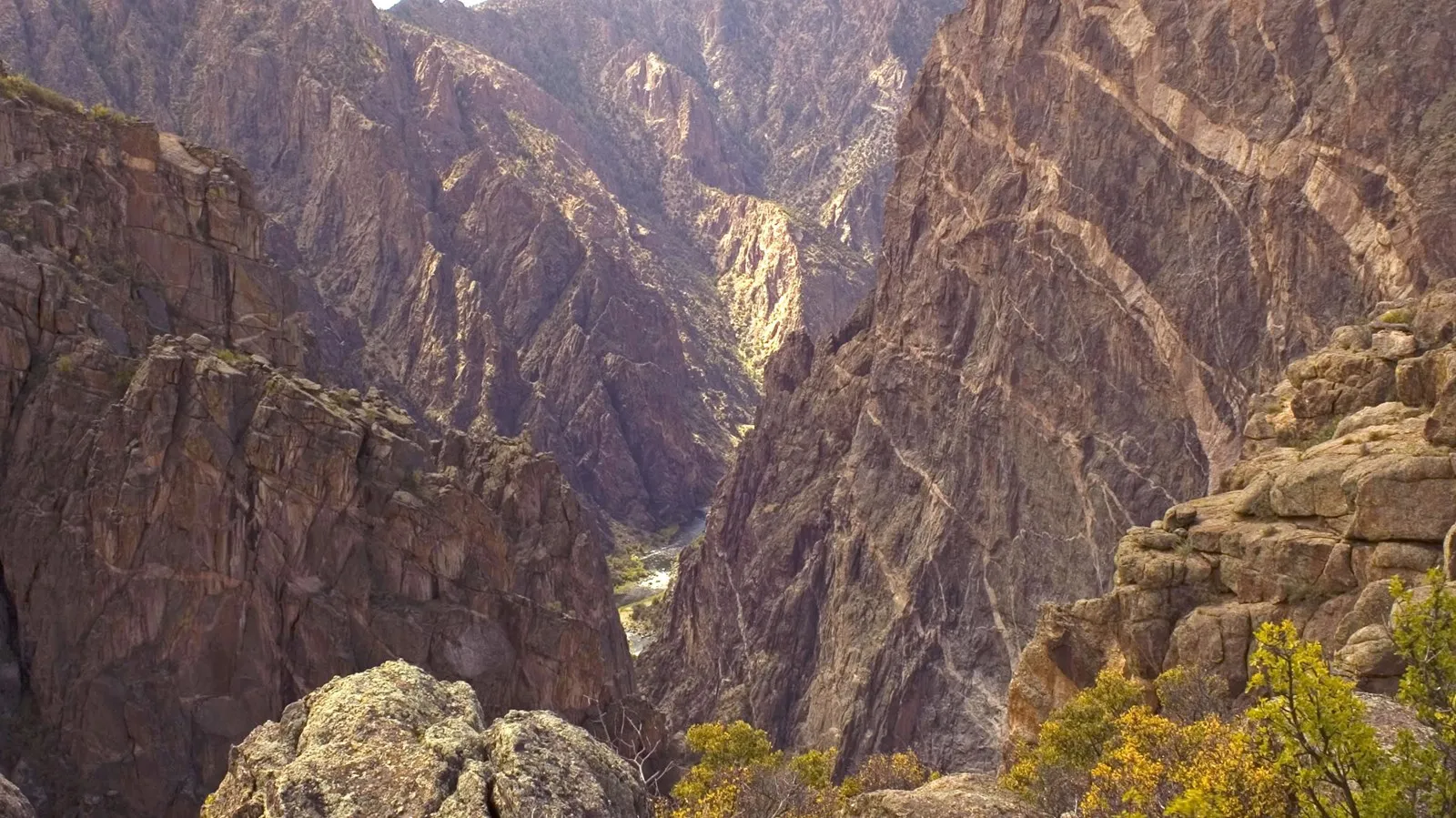
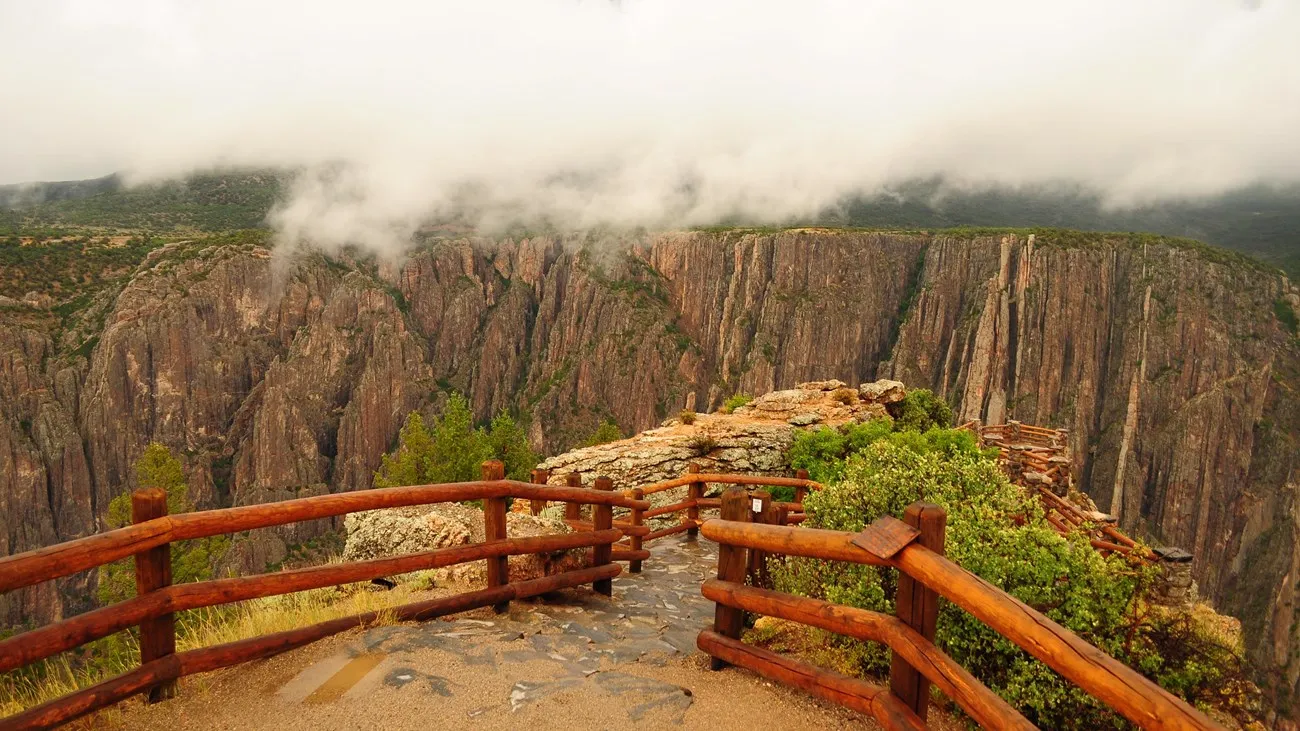
At Black Canyon of the Gunnison National Park, the scale becomes apparent as you approach the rim. Steep walls plunge toward the river far below, and bands of lighter rock cut across the dark cliffs. Painted Wall Overlook offers one perspective on that dramatic geology.
For a first visit, the South Rim overlooks provide a way to experience the canyon without committing to a difficult inner-canyon route. Some viewpoints require a walk from the parking area, so check the park's map and current accessibility information before choosing stops. Trail surfaces, weather and seasonal road access can change what is practical on the day you arrive.
This is a place to give the view time. Look for the changing colors on the canyon walls and the way shadows move as the sun crosses the sky. A pair of binoculars can help bring distant details into view, but keep your attention on the path and remain behind railings or well back from exposed edges.
The canyon is not a casual shortcut between overlooks: distances are deceiving when you are looking across such a deep opening. Inner-canyon travel is demanding and requires separate preparation. Families or visitors who prefer an easier outing can still enjoy the park by planning around rim viewpoints and the visitor center.
4. Mesa Verde: A Mesa Landscape With Deep Human History
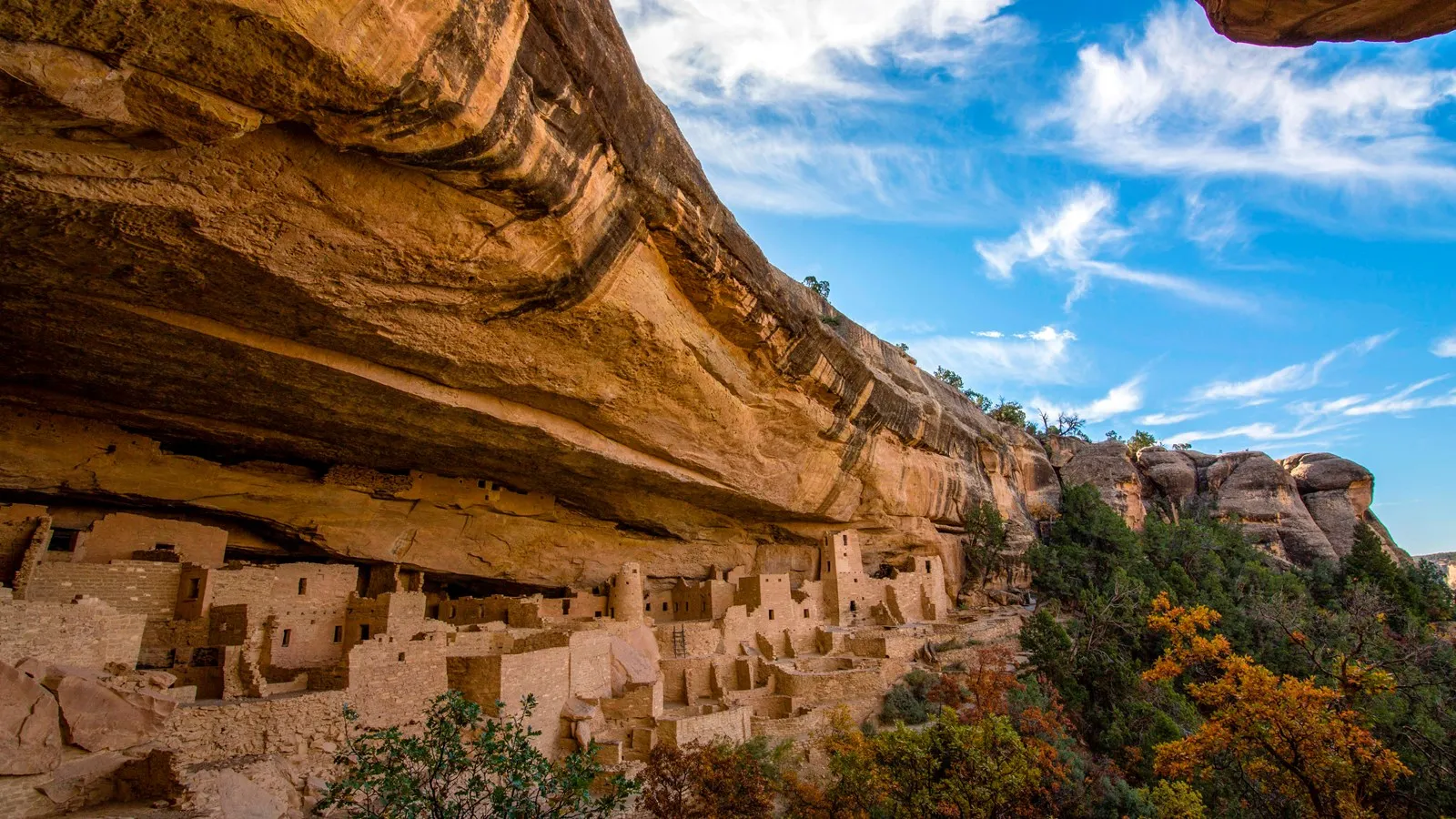
Mesa Verde National Park protects places built and lived in by Ancestral Pueblo people. The cliff dwellings are visually striking, but they are part of a larger cultural landscape that includes mesa-top sites, paths, fields and communities. Approach the park as a place of continuing cultural significance, not simply as a collection of old buildings.
Cliff Palace Overlook provides a view of a large dwelling tucked into an alcove. The National Park Service describes Cliff Palace as containing at least 150 rooms and 21 kivas; it can also be seen from stops on the Mesa Top Loop Road. Overlook access and the Cliff Palace Loop Road are seasonal and weather dependent, so check the park's current road information before planning around a particular view.
Seeing a dwelling from above and entering it are different experiences. Many cliff dwelling visits require ranger-guided tour tickets, and tours may involve ladders, uneven paths or other physical demands. Read the current tour descriptions and reserve only a route that suits everyone in your group. If a tour is unavailable, overlooks and mesa-top sites can still make a worthwhile day.
Give yourself more time than a map glance might suggest. The mesa roads lead to multiple stops, and interpretation at each one adds context. Stay on designated routes, leave objects where you find them, and follow park guidance intended to protect fragile places for the communities connected to them and future visitors.
Before You Go
These destinations sit in different regions and at different elevations. Check current National Park Service alerts, road conditions, entrance requirements, weather and seasonal hours for each stop. Mountain weather can change quickly, desert heat can be intense, and services may be far apart. Bring water, allow generous driving time and choose trails that match the least experienced person in your group.