Rocky Mountain National Park can feel enormous when you first look at the map. Roads lead to high lakes, broad meadows and viewpoints above the trees, but many of the park's most rewarding moments come from choosing a few places and giving each one time.
These five ideas are a starting point, not a promise that every road or trail will be available on the same day. The park spans both sides of the Continental Divide, and conditions can differ dramatically with elevation and season. Check current road status, entry requirements and weather before building your route.
1. Begin With a Short Walk at Bear Lake
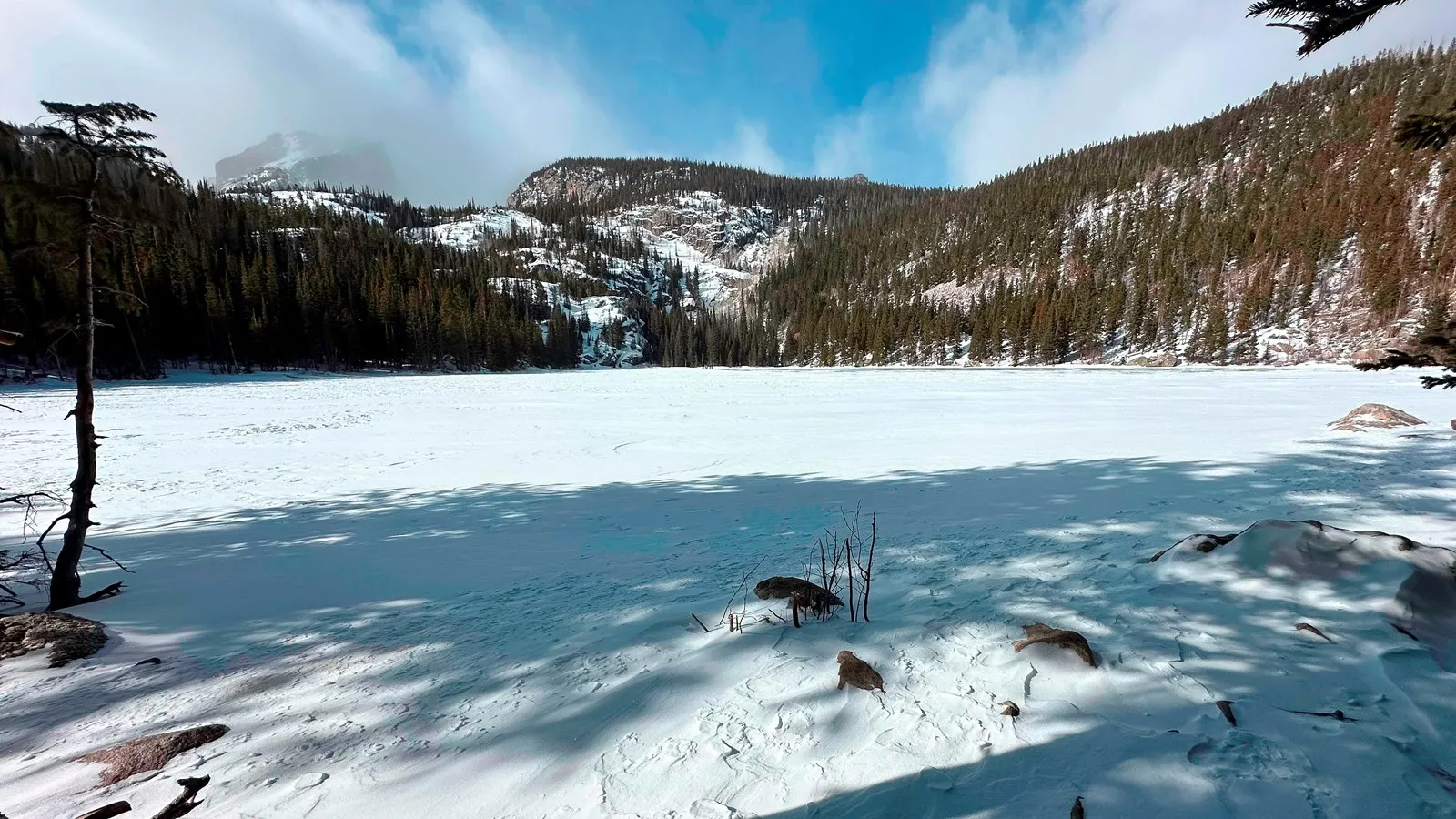
Bear Lake is an approachable introduction to the park's mountain scenery. Bear Lake Road ends at a parking area, and a short marked path leads to the lake, where the surrounding peaks frame the water. It is also a starting point for longer hikes, but you do not have to commit to a difficult route to enjoy the setting.
Popularity is part of the planning equation. The National Park Service says the parking area can fill early, especially on weekends and holidays. Check whether seasonal shuttle service and timed-entry requirements apply to your visit, and have a backup plan if parking is full. Avoid parking outside designated spaces.
In winter, the path and nature trail can be snowy or icy. The park recommends traction devices, and longer routes above the lake may call for snowshoes, poles and additional experience. Conditions change quickly, so choose an outing that fits the least experienced person in your group.
2. Watch the Meadow at Moraine Park
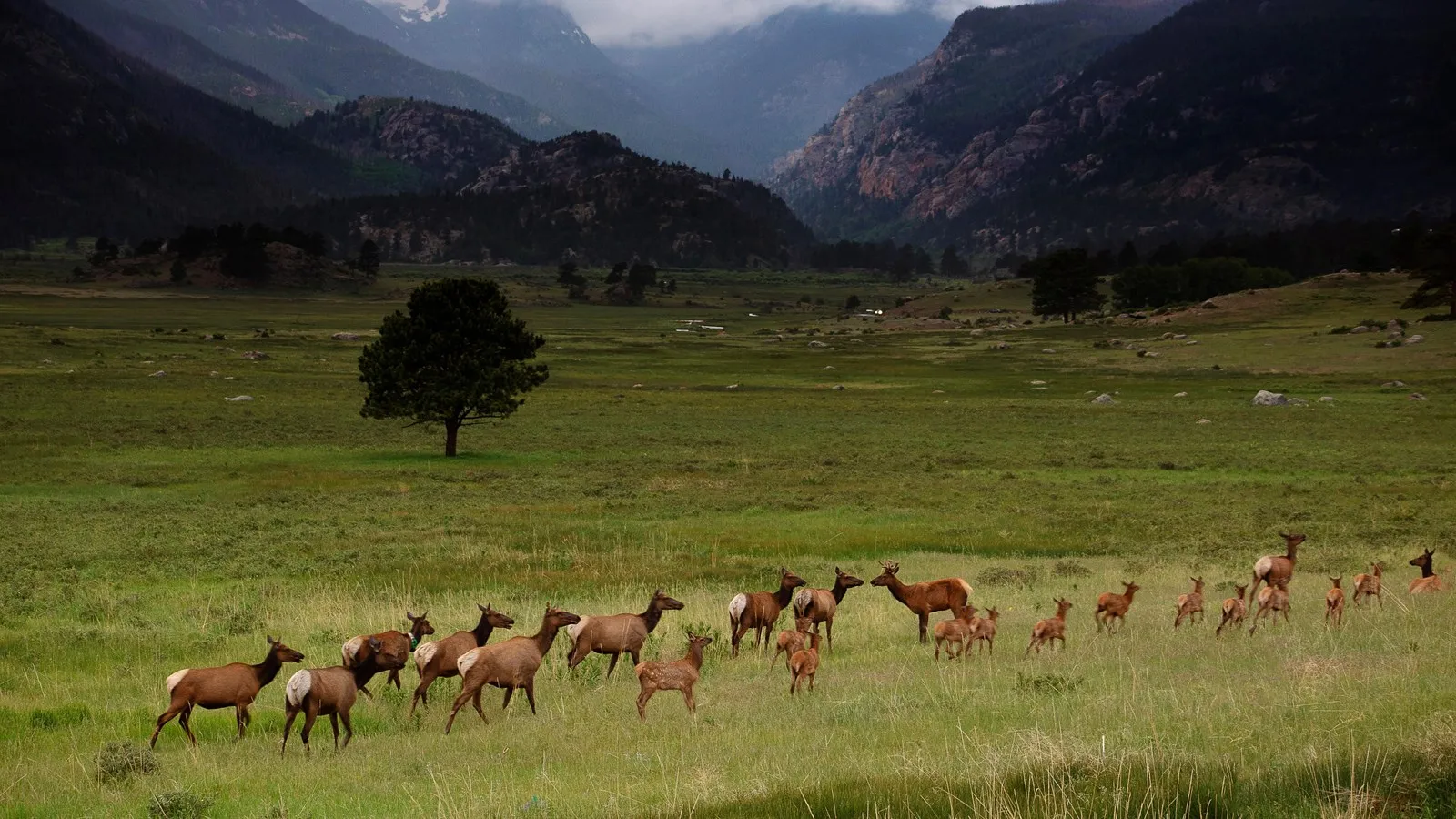
Moraine Park offers a different view of the mountains: a broad meadow shaped by ancient glaciers, with peaks in the distance and wildlife sometimes moving through the valley. It is reached from Bear Lake Road and is associated with trailheads for Cub Lake and Fern Lake.
Elk can draw crowds, particularly during the autumn rut, but sightings are never guaranteed. The safest and most rewarding approach is to watch from a distance, use binoculars and let animals determine where they go. Never feed or approach wildlife, and move back if an animal comes toward you.
Seasonal closures protect elk and visitors in parts of the park during the fall. Read current maps and notices before walking into a meadow, and respect closures even when wildlife appears far away. A quiet pause at a permitted viewpoint can reveal plenty without turning the visit into a chase.
3. Discover Sprague Lake
Sprague Lake is another way to spend time in the Bear Lake Road corridor without making the day about a long climb. The park describes an approximately 0.8-mile loop with views toward the Continental Divide, places to sit and opportunities for photography or a picnic.
The National Park Service describes the loop as wheelchair and stroller accessible. That does not guarantee identical conditions in every season, however: snow, ice or maintenance can change the surface. Check current accessibility information and ask a ranger about the conditions that matter to your group.
Look across the lake as well as toward the mountains. Light, weather and the shoreline vegetation can change the scene from one visit to another. Keep children close near water and leave the shore as you found it.
4. Plan for Trail Ridge Road in Its Open Season
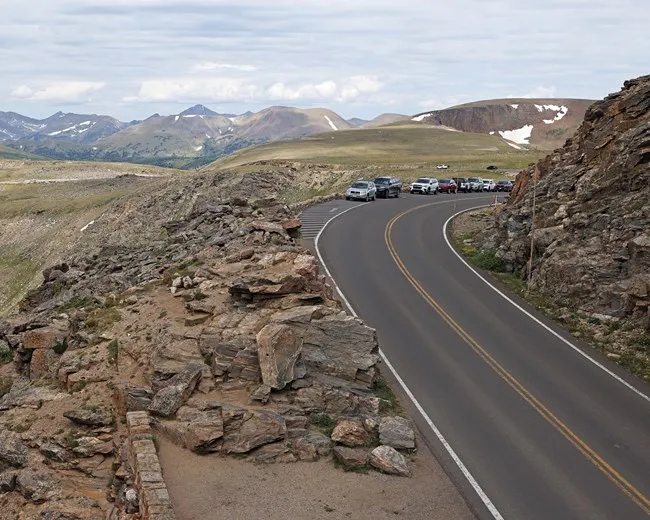
Trail Ridge Road is the park's high-elevation connection between the Estes Park and Grand Lake sides during its open season. It crosses fragile alpine tundra and reaches elevations above 12,000 feet, making the drive as much about exposure to mountain weather as about scenery.
As of November 16, 2026, the National Park Service reports that Trail Ridge Road is closed to through travel for the season. The Alpine Visitor Center is also closed for the season, with reopening expected in summer 2027. Reopening dates depend on conditions, and the park's current road-status page should guide future plans.
When the high road is open, use formal pullouts and established trails, bring warm layers and be ready to change plans if storms move in. Some areas have specific tundra protections that prohibit off-trail travel. At altitude, a short walk can feel harder than the same distance at home, so take your time.
5. Explore the Kawuneeche Valley and Holzwarth Historic Site
On the park's west side, the Kawuneeche Valley offers a quieter-feeling contrast to the heavily visited Bear Lake corridor. The Colorado River flows through this landscape, and the Holzwarth Historic Site preserves the story of a family guest ranch and trout lodge.
The park says most historic buildings are reached by a roughly half-mile walk from the parking area. During the summer season, buildings may be staffed and open; the grounds are generally open year-round, but the trail is not plowed or shoveled in winter and access then is by snowshoes or cross-country skis. Verify current conditions before setting out.
Do not assume a same-day drive from one side of the park to the other will be possible. When Trail Ridge Road is closed, visitors need to use routes outside the park to travel between Estes Park and Grand Lake. Check driving time and road weather independently.
Before You Go
Bring water, sun protection and clothing for changing temperatures. Confirm current entry reservations, fees, road openings, shuttle operations and trail conditions directly with the park. Allow time to acclimate, stay on designated routes and give wildlife the space it needs.