Connecticut's waterfalls are not all grand, thundering spectacles. Some spill down a long staircase of rock; others reward a gentle wander beside a brook, a forest picnic or a short drive into a small town. Together they make a good reason to explore the state's parks in every season.
These five parks offer different kinds of waterfall outings, from the familiar cascade at Kent Falls to a smaller series of drops at Day Pond. They are spread across the state, so think of this list as a collection of separate day trips rather than one ambitious loop. Check each park's current page before leaving: seasonal access, parking, fees and trail conditions can change.
1. Kent Falls State Park: A Cascading Classic
Falls Brook tumbles through a series of cascades in Kent, descending roughly 250 feet on its way toward the Housatonic River. The state's park guide describes a main drop of approximately 70 feet. In spring the stream can be particularly full, while the surrounding woods bring a very different atmosphere in autumn.
Start with the accessible path at the base of the falls, or continue on the steeper steps trail for changing views. Connecticut State Parks lists the steps route as a moderate, 0.84-mile out-and-back walk. It is short enough to fit into a relaxed day, but the climb is real: take breaks, use the marked route and give wet steps the respect they deserve.
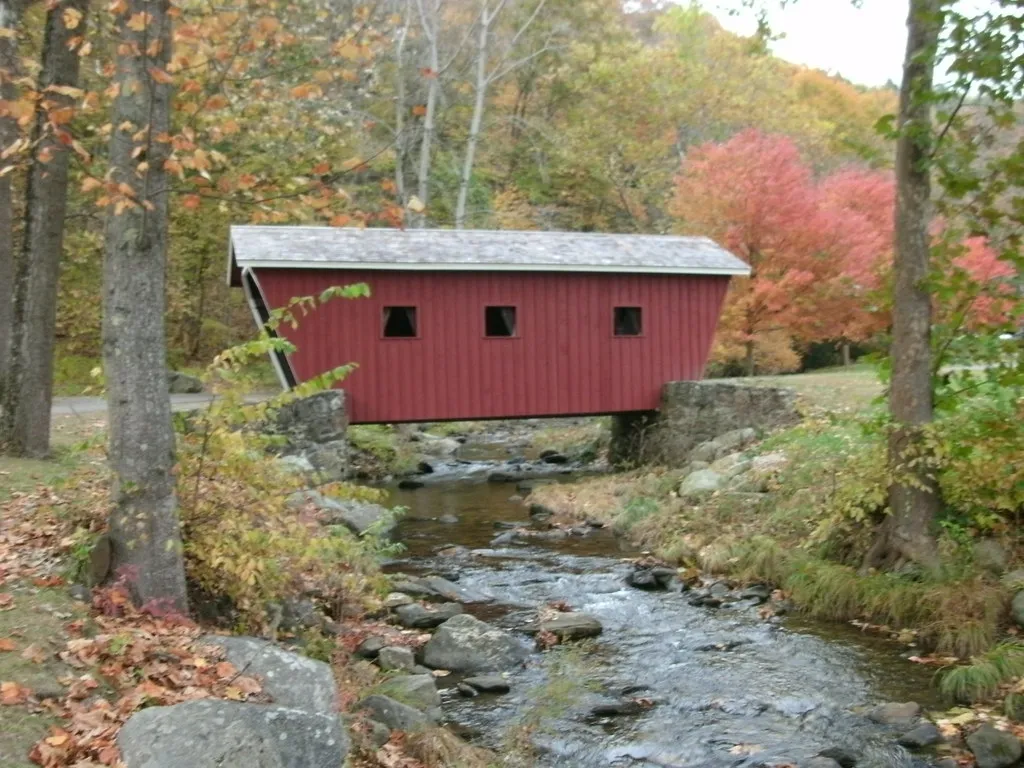
The covered footbridge and picnic area add a pleasant beginning or ending to the walk. Stay on designated paths and viewing areas; the wet rocks and moving water are not a place to climb for a closer photograph.
2. Wadsworth Falls State Park: A Waterfall With Room to Roam
In Middlefield and Middletown, Wadsworth Falls combines scenic water with a network of trails and a separate designated swimming area. The state describes approximately 4.5 miles of hiking and biking routes, making this a useful choice when a quick waterfall view might turn into a longer outing.
The Big Falls are intended for short scenic visits. Swimming and picnicking are prohibited at the falls themselves, even though the park has separate areas for those activities. That distinction matters when packing: check the park map before assuming the waterfall overlook and the swimming area are the same place.
If geology interests you, the park also tells a longer story through basalt and sedimentary rock. A first-time visitor can enjoy the sound and shape of the water without knowing the science, but the park's official overview offers useful context for curious families.
3. Devil's Hopyard State Park: Chapman Falls and a Wooded Walk
At Devil's Hopyard in East Haddam, Chapman Falls is the central draw, with rounded potholes in the rock that have inspired stories and questions over the years. Connecticut State Parks highlights the falls as well as hiking and birding, so visitors can make the waterfall one part of a broader day outdoors.
Give yourself time to walk at a comfortable pace instead of treating the overlook as a box to check. Bring sturdy footwear, pay attention to changing weather, and follow posted guidance near the water. Streamside rocks can be slick even when a sunny parking lot suggests an easy afternoon.
The park is also a good reminder that a waterfall's appearance changes. A photograph made after heavy rain is not a promise of the same flow during a dry spell. Enjoy the surrounding forest and brook as part of the visit rather than measuring the trip against a single picture.
4. Southford Falls State Park: A Pond, a Bridge and a Brook
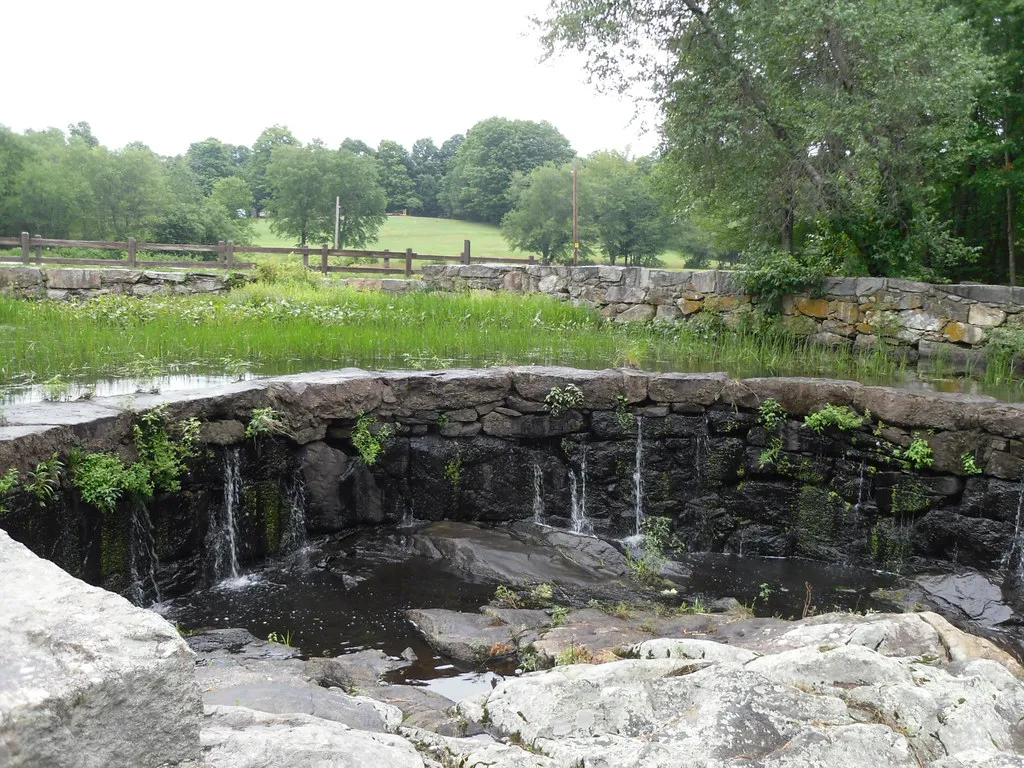
Southford Falls State Park in Southbury and Oxford packs several appealing features into one outing: a tiered waterfall, a covered bridge, Paper Mill Pond and a roughly two-mile trail network. The state also identifies the pond as a designated trout park, making this a destination with options for different interests.
Walkers can use the park map to choose a route that suits their group, then leave room for a pause near the water. The bridge offers a different perspective from the shoreline, while the pond gives the visit a quieter counterpoint to the moving stream.
Fishing rules and stocking information are separate from general park admission, so check the state's current guidance before bringing a rod. Keep children close around water and avoid climbing on wet stone or entering areas marked closed.
5. Day Pond State Park: Smaller Falls and a Forest Connection
Day Pond in Colchester is known for its pond, but Connecticut State Parks also describes a series of smaller waterfalls reached by trail. The tallest is about ten feet, according to the park, making this a rewarding stop for visitors who enjoy discovery without expecting a towering cascade.
The park's trail network connects with Salmon River State Forest, where additional trails and permitted hunting are found. Carry a map, know which land you are entering and review current seasonal rules. Choose visible clothing when appropriate, and stay oriented at junctions rather than relying on a phone signal alone.
Day Pond's official listing gives a seasonal operating window from April through Columbus Day, so check access before setting out, especially outside that season. Its pond, woodland and modest falls are best approached as parts of the same gentle landscape.
Make the Most of a Waterfall Day
Water levels change with rain and season, and trails can become slippery after storms or in freezing weather. Check the park's current alerts and map, bring shoes with traction, and keep dogs leashed where required. Fees and parking arrangements may differ for in-state and out-of-state vehicles; consult the park directly for the latest details.
Most of all, use established overlooks and trails. A safe view gives the water room to do what it does best, and leaves the park ready for the next visitor.