The best small-town outing does not need a strict itinerary. A main street, a river view, a local shop and time for a long lunch can be enough to turn an ordinary afternoon into a memorable Connecticut day trip.
These five places offer different versions of that pleasure: a riverside village, a creative valley center, a historic district, a former mill community and a Litchfield Hills green. They are spread across the state, so choose one or two that fit your day instead of trying to race through the whole list. Business and museum hours vary, particularly outside busy seasons; check ahead when a specific stop matters to you.
1. Essex: A Village With the River Close By
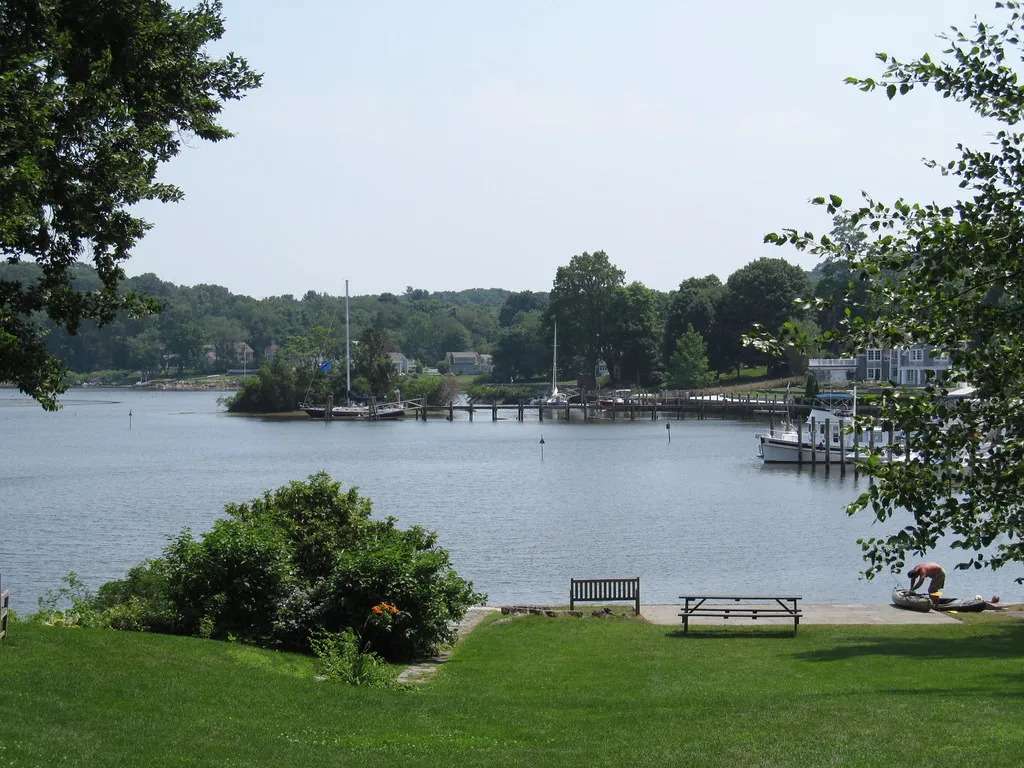
Essex includes three villages, and its riverfront center is a natural place to begin. Connecticut tourism points visitors toward historic buildings, local shops and marina views, with the Connecticut River Museum among the attractions. The river is not just a backdrop here: it shaped the area's connections to boats, commerce and the wider Connecticut Valley.
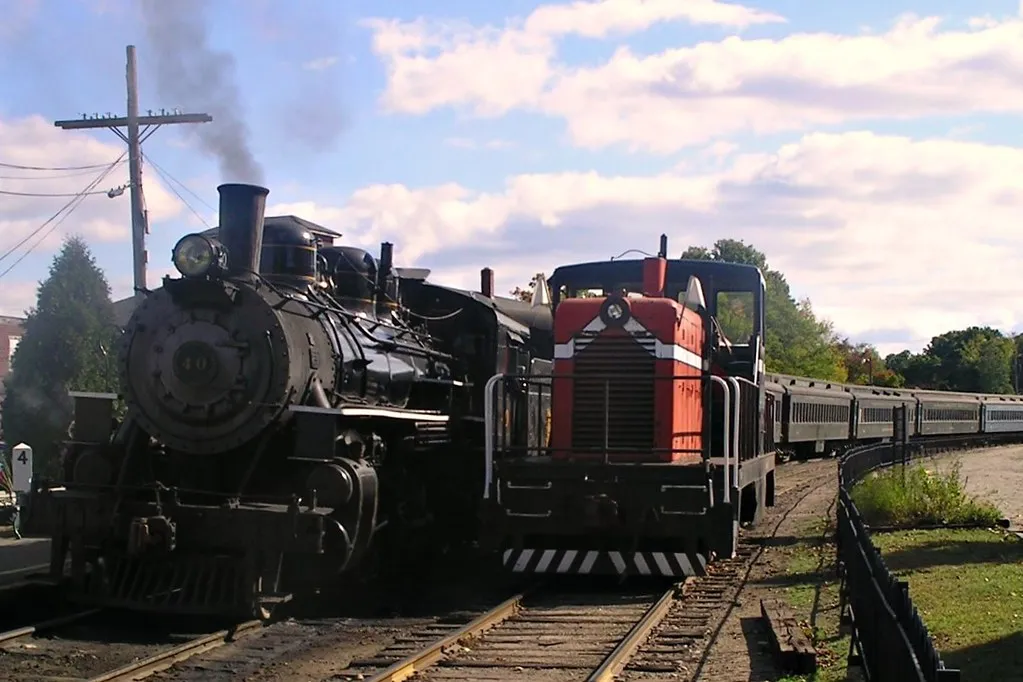
Walk at an easy pace, notice the architecture and leave room for a stop at the waterfront. If the museum is on your list, consult its current calendar and admission details. The Essex Steam Train & Riverboat is another distinct outing in town, but it requires a separate reservation and enough time for the trip you select.
For a low-key visit, do less. Pick a meal, enjoy the view from a permitted public area and save the scheduled excursions for another day. A village is easier to appreciate when the next appointment is not already pulling you away.
2. Chester: Art and a Compact Valley Center
Chester sits in the lower Connecticut River Valley and has a village center known for galleries, independent shops, dining and performances. Connecticut's tourism office also points to the Chester Museum at the Mill and the Terris Theatre as ways to add local history or a show to an afternoon.
Start by browsing the center, then check the schedules of the particular gallery, restaurant or performance you hope to visit. Small businesses often keep different hours on different days, and a quiet weekday can feel very different from a busy event weekend.
The Chester–Hadlyme ferry is associated with the area, but it should not be assumed to be running. As of November 2026, Connecticut DOT reports service suspended for vessel repairs until further notice. Check the latest official traffic information and plan a road crossing if needed. Chester remains a worthwhile stop without making the ferry part of the itinerary.
3. Old Wethersfield: History You Can Walk Around
Old Wethersfield is a historic district within the town of Wethersfield, south of Hartford. Connecticut tourism describes a village environment with historic homes, museums, shops and seasonal events. Its appeal is the chance to see how a present-day community lives alongside buildings and streets that carry much older stories.
Allow time to walk rather than treating the district as a list of house numbers. Look for public interpretive information, respect private residences and use sidewalks and crossings where available. Many attractive buildings are homes, not museums open for visitors to enter.
The Webb Deane Stevens Museum is one option for a deeper look, with tours and events that follow their own schedule. Check the museum's official information for current availability and accessibility. Pairing one planned stop with an unhurried walk gives the district more room to make an impression.
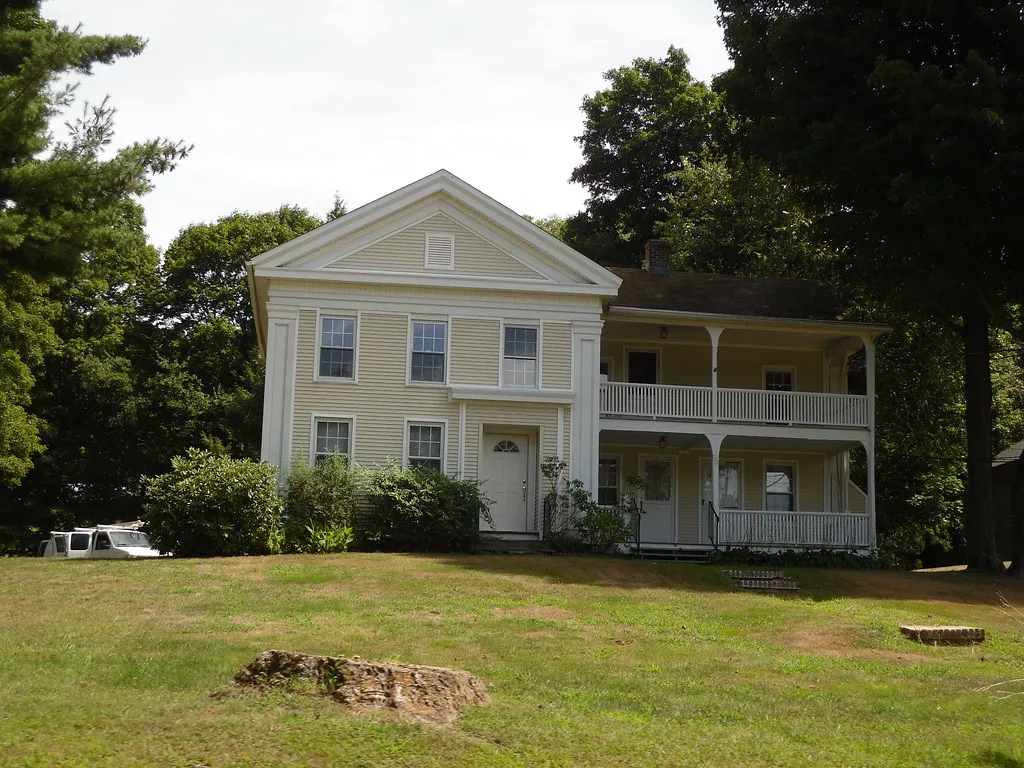
4. Collinsville: A Mill Village Beside the Farmington
Collinsville is a village in Canton, not a separate town, and its relationship with the Farmington River gives it a distinctive sense of place. Connecticut tourism highlights its former factory area, antiques and opportunities to explore the river. The setting invites visitors to think about the working landscape as well as the scenery.
Spend some time around the village center before deciding whether to add a longer activity. A riverside view, browsing and a meal may be enough for one afternoon. If a paddling trip appeals, consult the operator about current river conditions, equipment, age requirements and seasonal availability; water levels and weather matter more than a perfect-looking photograph.
Former industrial buildings can be especially interesting to look at, but not every structure or shoreline is public. Use designated access, follow signs and avoid entering closed buildings or crossing active work areas.
5. Litchfield: A Town Green and a Hillside Day
Litchfield's center offers a classic green, historic architecture and places to browse or eat. Connecticut tourism describes a walkable downtown with antiques and dining, making it a useful base for a relaxed day in the northwestern part of the state.
Begin around the green, then choose one additional stop rather than trying to see every surrounding attraction. The region's parks and forests can be rewarding in many seasons, but their trail surfaces, facilities and operating conditions vary. Check a specific park's current information and choose a walk that suits the weather and the people in your group.
Fall foliage draws visitors, but a quieter season has its own advantages: more space to linger and a different view of the buildings and landscape. Bring layers for the hills, check restaurant hours and let the day remain flexible.
Plan a Day That Fits
These centers are not all equally close together. Essex and Chester make a natural pairing in the lower river valley; Collinsville and Litchfield are better planned around their own locations and your starting point. Allow extra time for parking, seasonal traffic and the places you discover along the way.
Look up current museum hours, restaurant reservations and any road or ferry notices before leaving. Then put away the clock for a little while: the real pleasure is having enough time to notice what makes each community different.