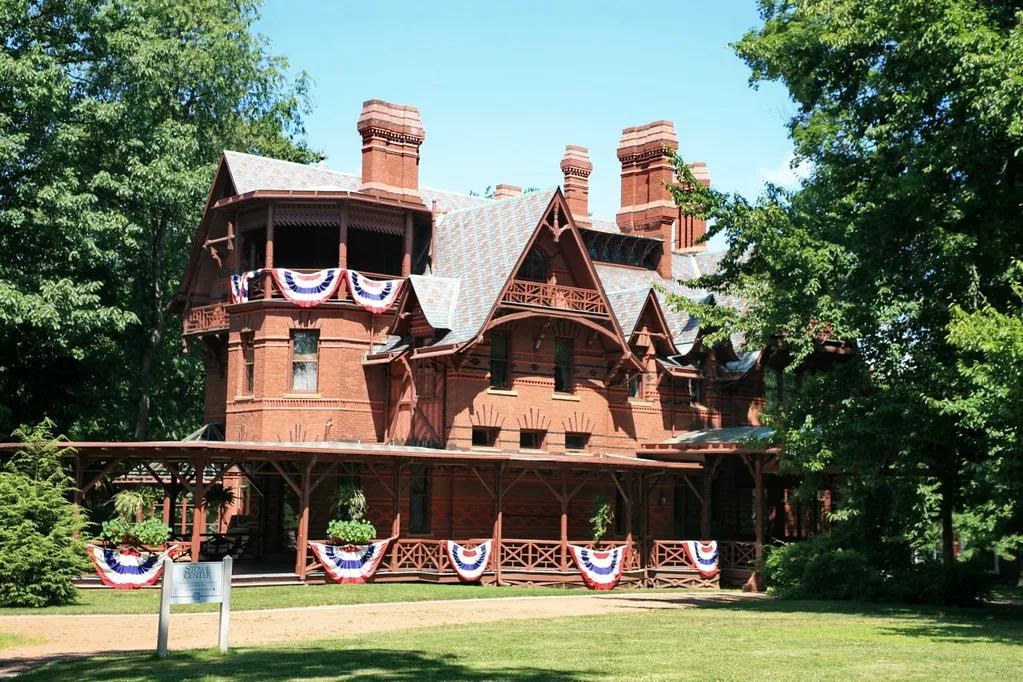
The red-brick house on Farmington Avenue has steep gables, patterned masonry and a porch that seems made for lingering. It was also home to a family whose everyday life unfolded alongside some of America's best-known writing. Samuel Clemens, better known as Mark Twain, lived here with his wife Olivia and their daughters during their Hartford years.
Today the Mark Twain House & Museum offers a guided look at the house and a separate museum center. A visit can be a literary pilgrimage, an architecture outing or an introduction to a complicated writer and his time. It works especially well as a half-day trip when you leave room for exhibits and a neighboring historic site rather than rushing from one tour to another.
Start With a Timed House Tour
The historic house is shown by guided tour only. The museum recommends buying timed tickets in advance because group sizes are limited and tours can sell out ahead of the day. If you arrive without a reservation, there may not be space on the tour you want. Check the museum's calendar and current admission information as you plan, including the listed Tuesday closures from January through March.
Begin at the museum center, where tours gather before crossing outside to the historic house. The operator says a visit involves a short outdoor walk and that paths of stone and gravel can be uneven or slippery in some weather. Give yourself time to arrive, park and check in rather than treating the start time as an arrival target.
The museum advises that the house tour can last up to an hour and includes three floors. Ask the staff about the format and accessibility details before buying if stairs or walking surfaces are a concern.
Look Closely at the Architecture
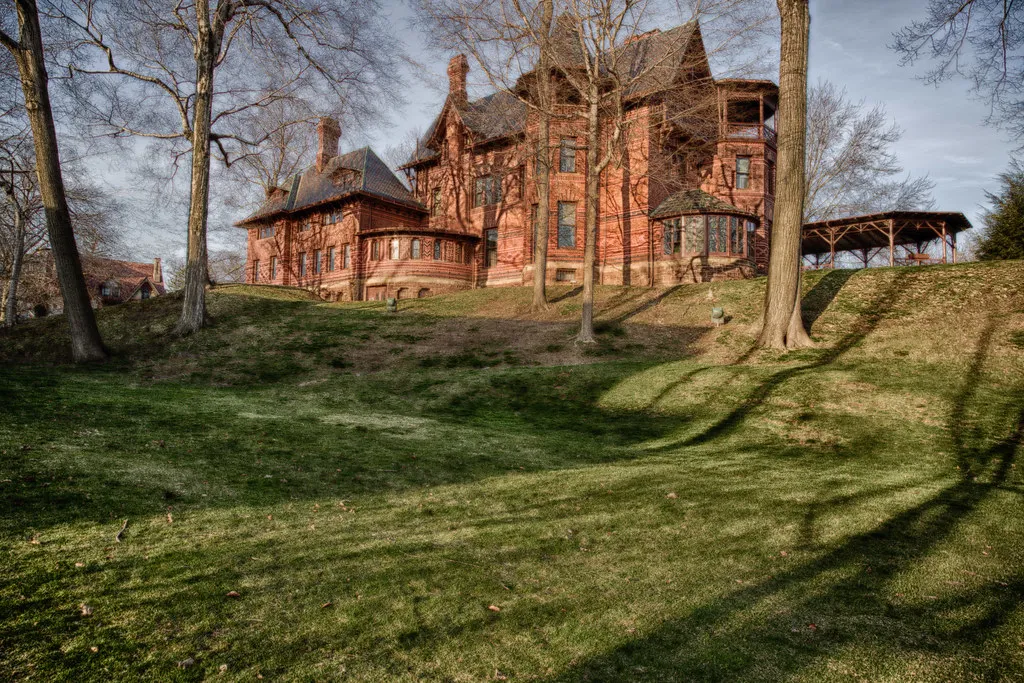
The house is an experience before a guide says a word. Look for the varied rooflines, decorative brickwork, projecting rooms and long porch that make the exterior so distinctive. As you approach, notice how the view changes from one side of the building to another: the house feels less like a flat facade than a collection of spaces gathered around a family life.
Inside, the guided format puts rooms in context. Rather than promising a particular object or room will always be on view, let the tour explain how the Clemens household used the building and how its preservation has made that story available to visitors today. Follow the museum's current photography and visitor rules during the tour.
For readers familiar with Twain only through a school assignment, a domestic setting can make his public career feel more human. The house presents a writer as a parent, spouse, neighbor and public figure whose work grew out of a particular place and time.
Leave Room for the Museum Center
The museum center adds galleries and a film, with exhibits that can change. According to the museum's admission information, a house tour ticket includes the galleries and film. A separate gallery ticket is also offered, but that ticket alone does not admit visitors to the historic house.
That distinction makes it easier to choose the right visit. Someone who has already toured the house might prefer to spend time with the exhibits; a first-time visitor who wants the full building experience should book a house tour. Check the operator's latest information for prices, film times and current displays rather than relying on an older review.
Build in a little unstructured time before or after the tour. A guided house visit moves at the group's pace, while galleries let you pause over the subjects that interest you and skip ahead when they do not. The museum center also contains a shop and a café with its own schedule.
Understand the Access Before You Arrive
The museum is unusually clear about the physical demands of the historic house: its guide describes three floors, many stairs and no elevator. It says the first floor of the house is wheelchair accessible and the museum center is fully wheelchair accessible. Contact the museum in advance about current accommodations, the tour route and what would work for your group.
This information is useful for families with young children, visitors with mobility concerns and anyone deciding how much to fit into the day. A pleasant museum visit does not have to mean climbing every staircase; it does mean knowing the options before you make a reservation.
The museum identifies 385 Farmington Avenue as the GPS address for its main parking lot. Its visitor guide also lists local CT Transit service connecting the site with downtown Hartford and West Hartford Center. Confirm current routes and schedules with the transit operator before depending on a bus connection.
Add the Neighboring Stowe Center
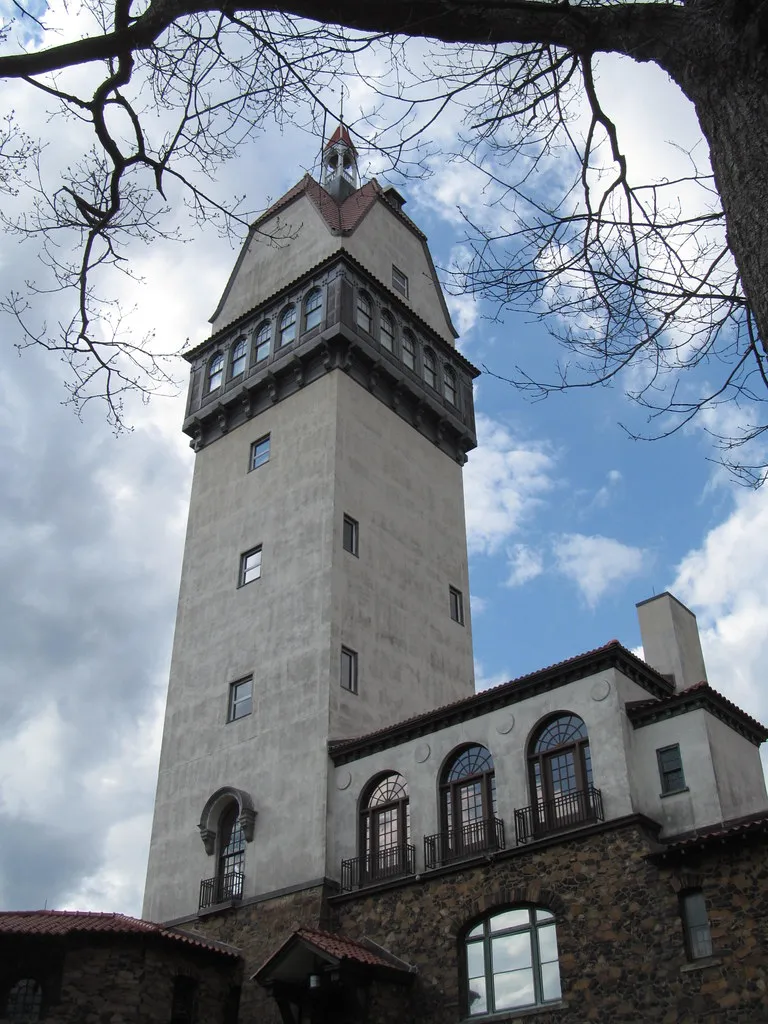
Harriet Beecher Stowe's home stands across the lawn from the Twain house, making the former Nook Farm neighborhood an unusually compact literary destination. Stowe, the author of Uncle Tom's Cabin, and the Clemens family were neighbors here. Their separate stories give visitors a way to think about literature, public debate and the nineteenth-century community beyond a single household.
The sites operate separate tours. The Twain museum lists a discount for visiting both, with each tour taking about an hour; verify current availability, schedules and terms directly before booking either one. Leave a buffer between reservations for check-in, the walk and the inevitable conversation that follows a good tour.
If two timed tours would make the day too hurried, choose one and return for the other. Hartford has enough history and cultural attractions to reward a second visit, and this neighborhood is more interesting when it is given time to breathe.
Planning the Day
Reserve the house tour ahead, check seasonal hours, and bring comfortable shoes for the short outdoor walk between buildings. If you plan to visit both literary sites, check their independent schedules first. Most of all, let the guided story and the building itself set the pace: this is a place where the details are as inviting as the famous name.