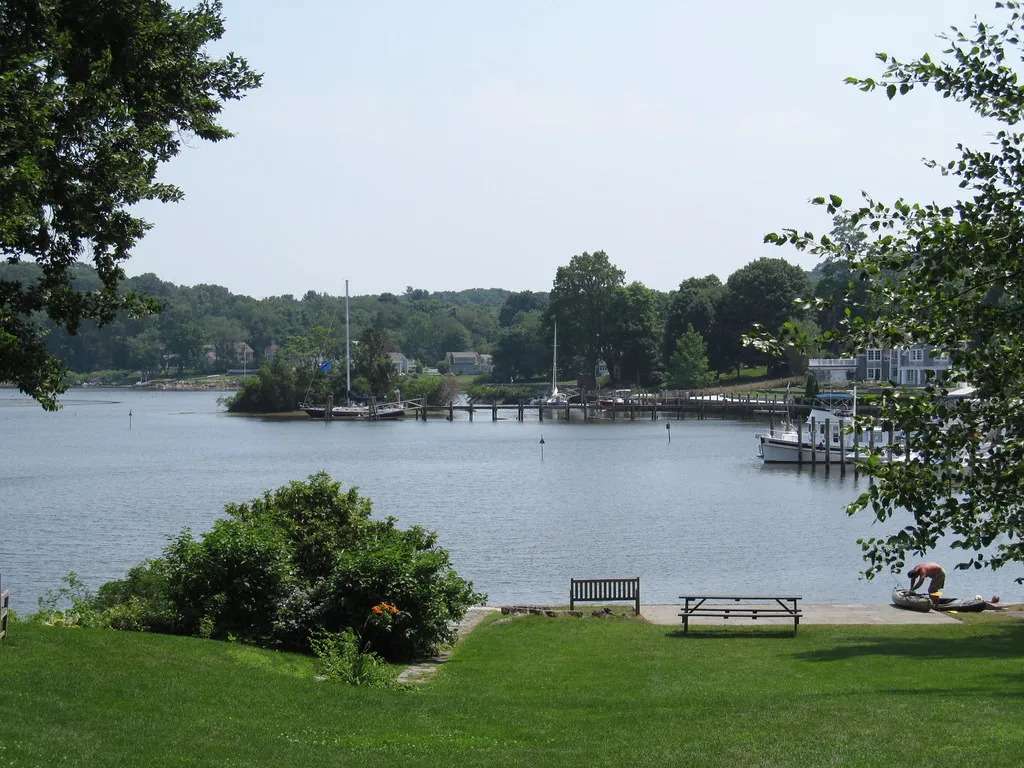
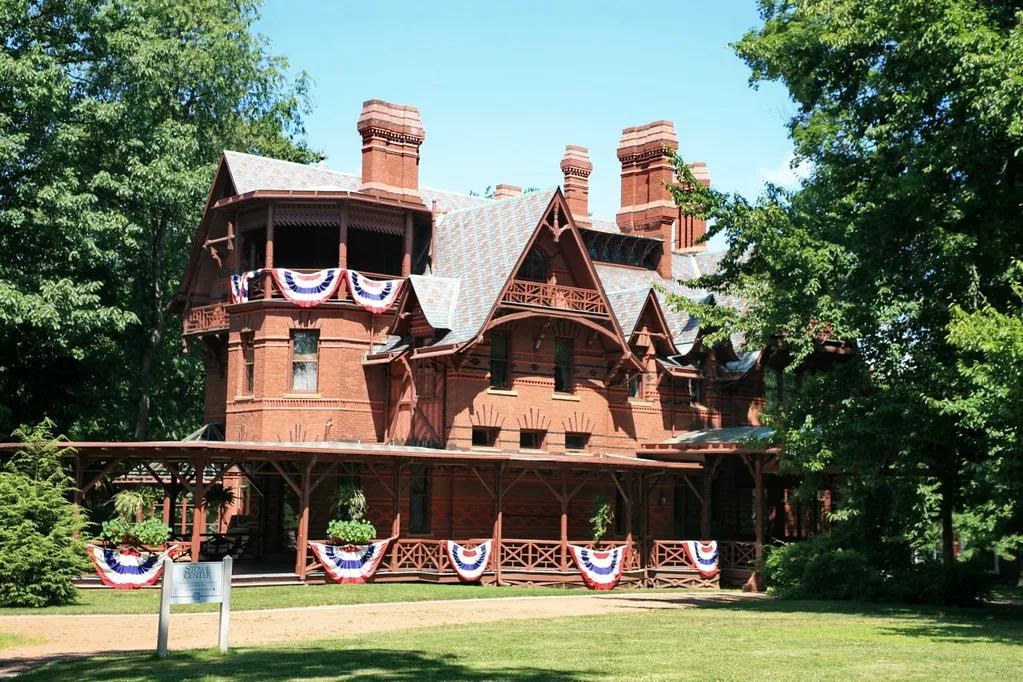
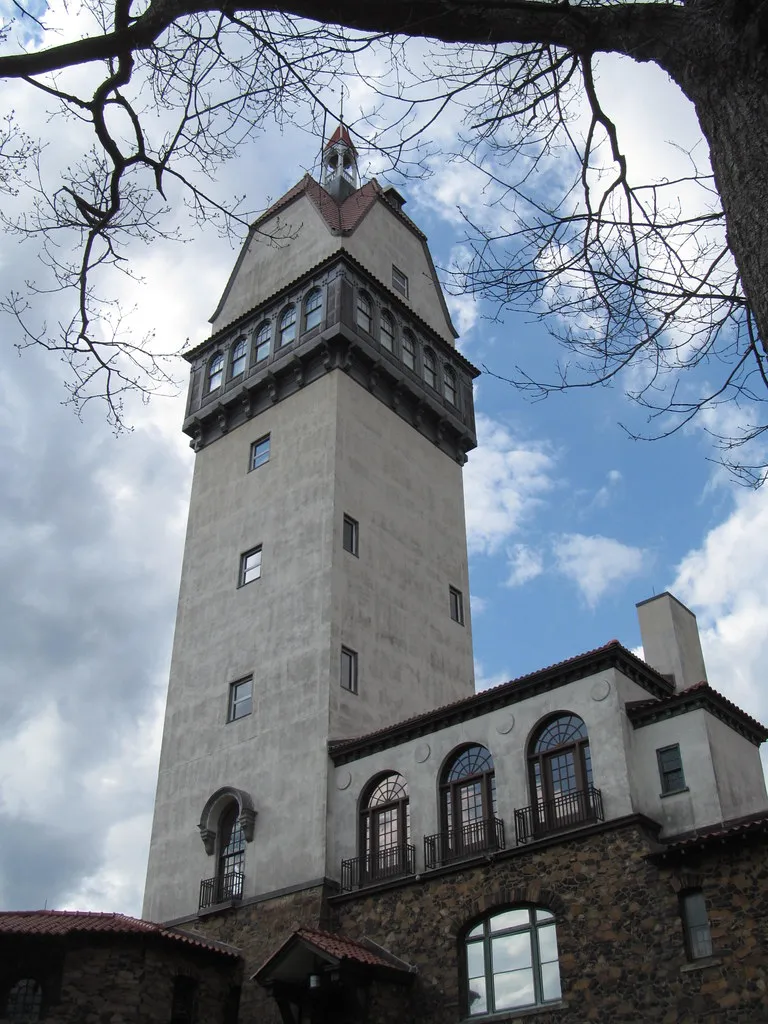
In Essex, a train ride can turn into a river journey without requiring visitors to plan every connection themselves. The Essex Steam Train & Riverboat brings passengers into the lower Connecticut River Valley, where rail tracks, tidal water and small river towns make a leisurely alternative to a drive-by sightseeing day.
The operator offers different trips, so the experience depends on the date and ticket you choose. A train-only outing and a combined train-and-boat excursion are not interchangeable, and special seasonal events follow their own calendars. Check the official schedule before building the rest of the day around a departure.
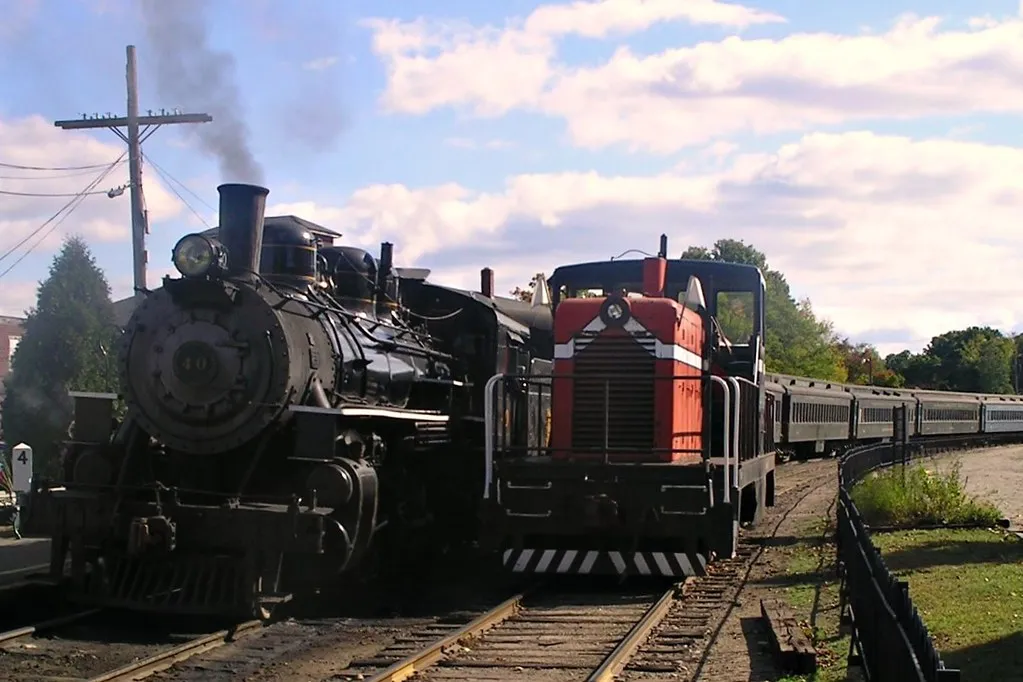
Begin at Historic Essex Station
The operator identifies Essex Station as the starting point for its train and riverboat journeys. Its regular train-only ride is described as approximately one hour, while the combined outing takes about two and a half hours. Both are narrated round trips through the valley, with the train portion covering about 12 miles according to the operator.
Arrive with room to park, collect any required tickets and find the correct boarding area. A scheduled departure offers less flexibility than a casual walk along the river, and a family moving at different speeds will appreciate having a few extra minutes before the conductor is ready to leave.
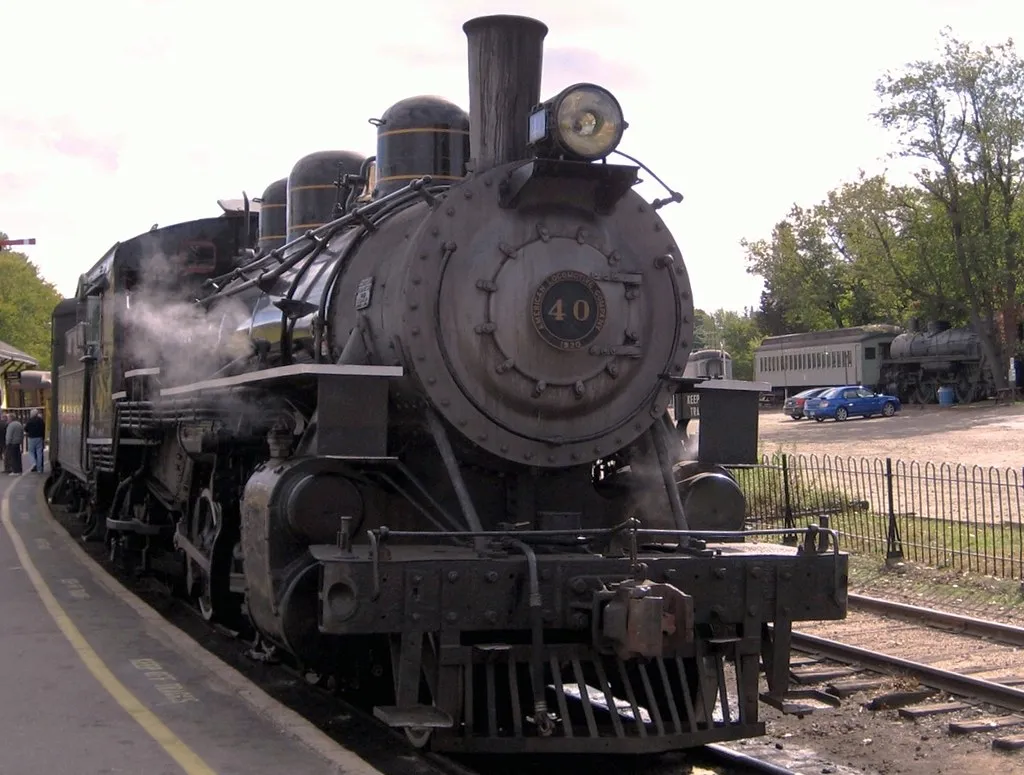
Check your reservation for the exact departure location, boarding instructions and current rules. Equipment and operating plans may change, so a historic locomotive in an older photograph should not be taken as a promise of the specific engine assigned to your trip.
Choose Between Rail Alone and the Riverboat Connection
The train-only option makes sense for visitors who want a shorter introduction or are traveling with children who may prefer a compact outing. It also leaves more time to explore Essex village before or after the ride. The operator's schedule identifies which departures and ticket types are available on a particular day.
The combined excursion adds a transfer at Deep River Landing to the Becky Thatcher riverboat. Connecticut tourism describes the boat portion as roughly an hour and a quarter before passengers return by rail. That change from tracks to water is the distinctive part of the experience: the river corridor becomes something to look across as well as travel beside.
Confirm the specific itinerary when booking. Weather, water conditions, maintenance and seasonal schedules can affect an excursion, and the operator is the source for current service, cancellation terms and accessibility arrangements.
Watch the Valley Change From Your Seat
The lower Connecticut River landscape is made up of water, marshes, woods and communities with long connections to travel and trade. The appeal of a rail excursion is partly that you can watch those pieces pass at a gentler pace while someone else handles the route.
Bring a light layer even when the weather seems mild. A boat deck can feel cooler or windier than a sheltered station, and conditions along the water can shift during the outing. Binoculars are useful for anyone interested in birds or distant shoreline details, but there is plenty to see without turning the ride into a checklist.
If photography is part of the fun, be considerate of other passengers' sightlines and follow crew instructions. The equipment, scenery and river light will change with the season, and no single picture can guarantee the view on the day you travel.
Make Time for Essex Village
Essex is worth more than the minutes between parking and boarding. After the excursion, consider a separate visit to the village and waterfront, where a short stroll can give the river a different scale from the one seen aboard the boat. The town's visitor information also highlights the excursion as part of a broader local day out.
Plan that stop around your own energy and the weather rather than assuming every attraction is within the station grounds. Check individual shops, restaurants and museums for current hours, reservations and seasonal closures. A simple walk and a meal can be a good complement to the structured departure time.
If you also want to visit Gillette Castle State Park farther upriver, allow for the drive and confirm the castle's separate tour schedule. Do not assume a riverboat view includes a castle tour or that a ferry connection will be operating; check current transportation information before relying on a crossing.
Seasonal Trips Need Their Own Research
The railroad also runs special experiences, including seasonal events and a separate dinner train. These can have different durations, equipment, prices and age policies from the standard train-and-boat trip. The operator describes the Essex Clipper dinner train as using a vintage diesel locomotive, so guests seeking steam power should read the description of the specific trip they book.
Popular dates can fill, particularly when foliage or holiday events are drawing visitors. Check the current calendar rather than assuming a summer riverboat schedule continues through the colder months. In November 2026, look specifically at the operator's dated offerings and do not presume the standard combined trip runs on your chosen day.
For anyone with mobility, boarding or seating concerns, contact the railroad before purchasing tickets. The train, transfer and boat are distinct parts of the combined journey; asking about all three helps the operator recommend the most suitable option.
Before You Go
Compare the operator's current train-only and combined excursion calendars, reserve the trip you actually want, and verify the departure time, location and policies. Dress for both rail and river weather, arrive early, and leave some unscheduled time for Essex. A little preparation makes it easier to enjoy the rare pleasure of letting the landscape come to you.