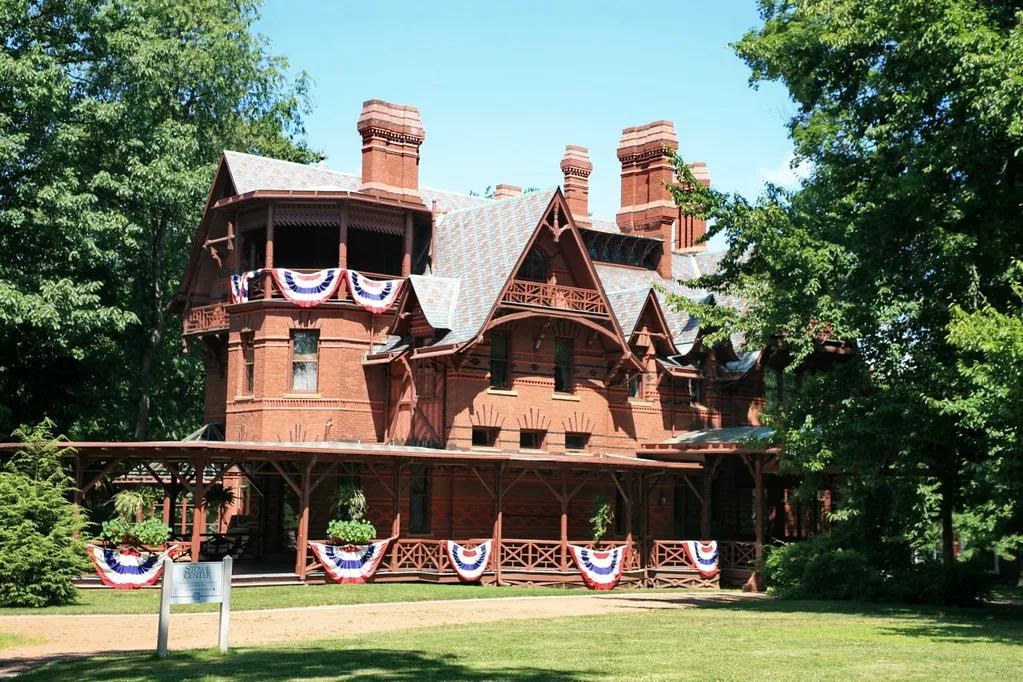
Above the Connecticut River in East Haddam, Gillette Castle looks like the setting for a mystery. Its irregular stone exterior belonged to actor William Gillette, who became famous for portraying Sherlock Holmes on stage. The estate is now a state park where visitors can combine a seasonal castle tour with woodland paths and river views.
The castle interior and the outdoor park do not necessarily follow the same schedule. Connecticut’s environmental agency announced seasonal tours for 2026, with a different pattern after Labor Day. Check current tour dates, fees and availability before visiting, especially outside summer. These five experiences offer a way to plan a day without assuming that every facility is open.

1. See the Castle Above the River
The castle’s stone walls make an immediate impression, but the setting is just as important. The house stands above the Connecticut River, with parkland spreading around it. Take time to appreciate the building from public areas before entering, and notice how its distinctive form contrasts with the surrounding woods and water.
The state park is in East Haddam and Lyme. Its official map shows the castle, visitor center, picnic areas and a network of trails. Pick up or download the map before walking away from the main area; it helps distinguish marked paths from roads and restricted or maintenance spaces.
Good shoes make a difference. Outdoor paths and historic surfaces can be uneven, and weather can change the conditions quickly. Follow signs and keep children close near roads, walls or overlooks.
2. Tour the Interior When Available
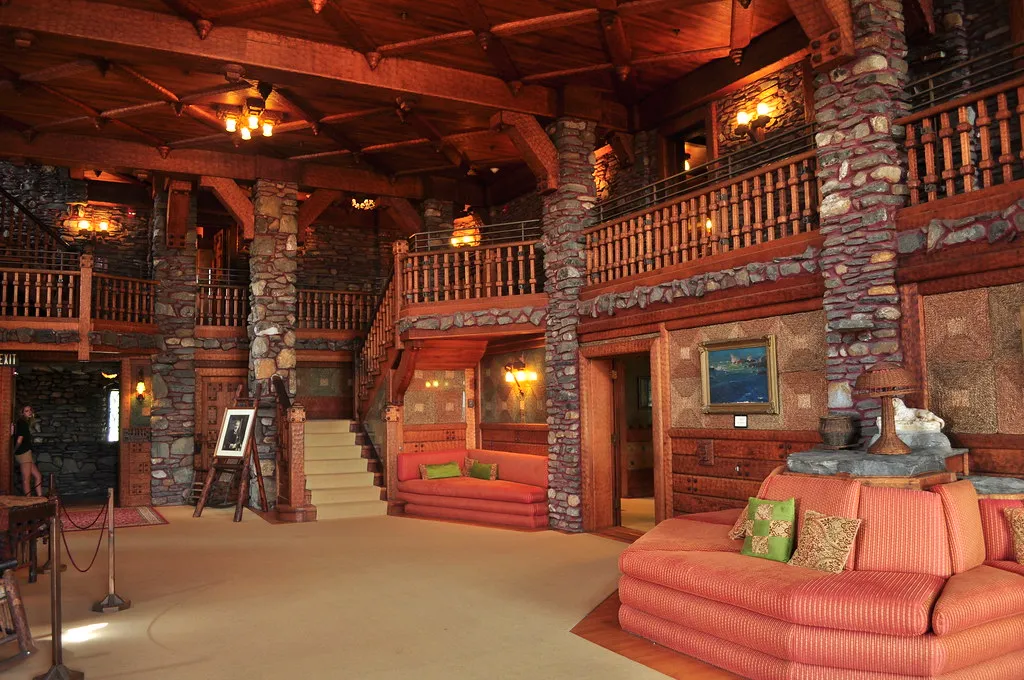
Gillette’s career as an actor and his association with Sherlock Holmes are central to the story of the house. An interior tour adds details that the stone exterior cannot show, from the arrangement of rooms to the materials and features that made this a personal residence rather than a medieval fortress.
Connecticut’s Department of Energy and Environmental Protection said that 2026 tours were offered daily during peak summer season and on a more limited schedule afterward. Tour dates, tickets and hours can change from year to year, so confirm the current season and reserve when recommended. An outdoor visit is still possible when the house is closed, subject to park rules and conditions.
Historic houses may have stairs, narrow spaces or other access limitations. Ask park staff about current accessibility arrangements before booking if your party has mobility needs. Do not assume that a path to the building guarantees access to every room.
3. Follow a Woodland Trail
The park’s official map identifies several color-marked trails, including the purple Train Trail, along with shorter connecting routes. Rather than promising one perfect loop, the map lets you choose a combination that fits your time and experience. Note the trail colors and junctions before setting out, and carry a copy of the map.
Connecticut’s map specifies that the hiking trails are for foot travel only. Stay on marked public routes, follow posted closures and avoid any bridge or section identified as closed. Mud, wet leaves and winter weather can make the same path feel very different from one day to the next.
Bring water and allow time to return before the park closes. If you are walking with children, choose a modest route and turn around whenever needed. The goal can be a pleasant walk through the estate rather than covering every trail.
4. Look for the Estate’s Railroad Connections
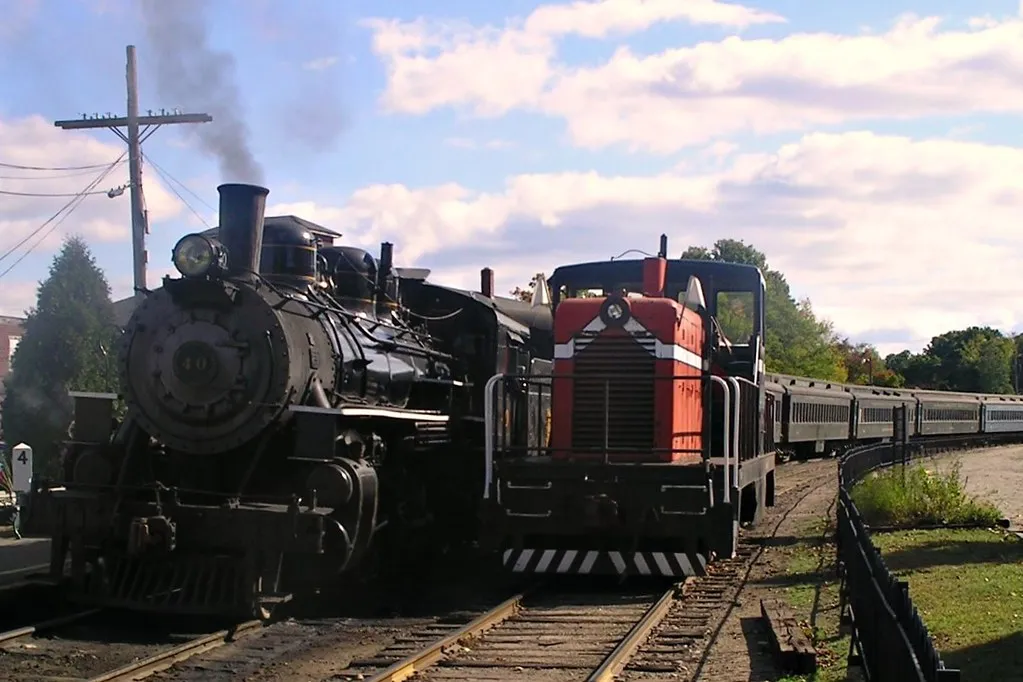
Gillette’s property included a small railroad, and the park map still labels a Train Trail, tunnel and station-related features. Those names give a walk another layer: the paths pass through a landscape designed for a very particular owner and his interests.
Use the official map to locate the features that interest you, but check conditions before assuming a tunnel, bridge or trail segment is accessible. Some features are historic structures rather than attractions to enter or climb. Respect barriers and leave stones and other materials where you find them.
You do not need to be a railroad enthusiast to enjoy this part of the estate. Follow the land’s changes in elevation, look for the relationship between the route and the river, and let the walk connect the castle with its larger setting.
5. Consider the Seasonal Chester–Hadlyme Ferry
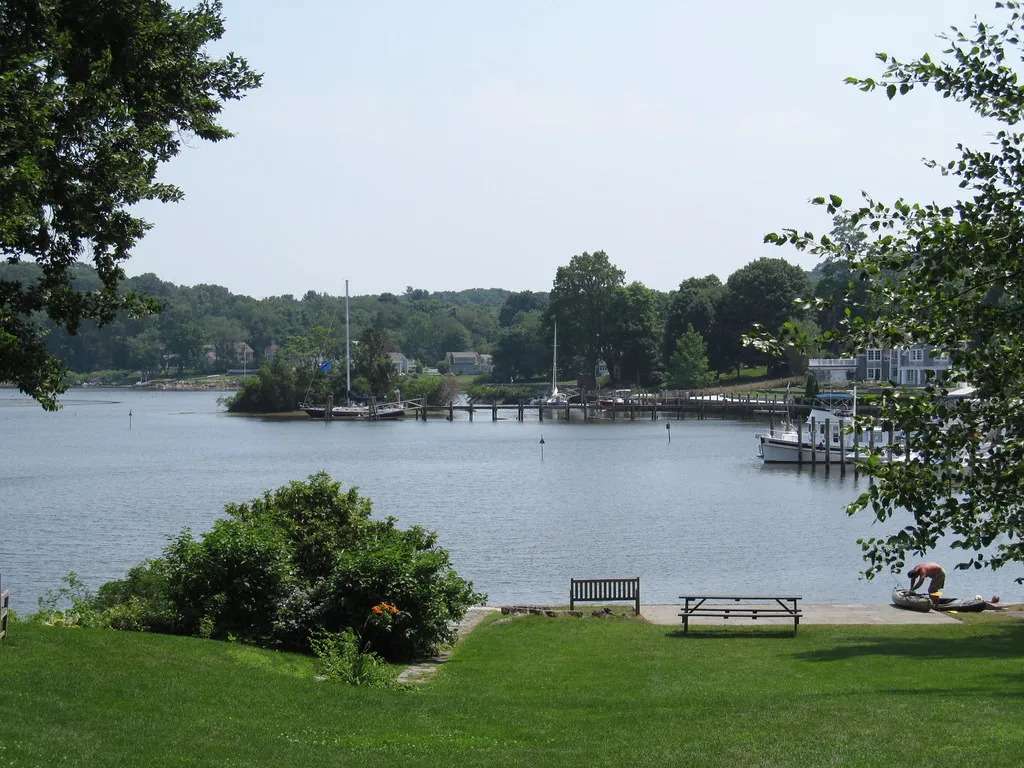
The park map marks the Chester–Hadlyme Ferry crossing near the southern part of the property. A ferry ride can be an appealing addition to a Connecticut River outing, but it is a separate seasonal service. As of November 2026, Connecticut’s traffic information lists the Chester–Hadlyme Ferry closed until further notice following a suspension for vessel repairs. Check CTroads and the Connecticut Department of Transportation for current status before planning a route around it.
If the ferry is closed for the season, weather or maintenance, use a road route and enjoy the park independently. Do not let an assumed crossing determine a tight schedule or promise a ride to your traveling companions before checking service.
On either side of the river, leave time for a meal or a short walk where public access is permitted. A flexible day makes it easier to respond to weather and seasonal schedules while still enjoying the Connecticut River Valley.
Before You Go
Confirm park hours, current tour availability, fees and trail conditions with Connecticut State Parks. State guidance says parks are generally open between sunrise and sunset, but facilities and programs may have more limited hours. The official trail map marks parking, picnic areas and restrooms; verify what is open on your date and contact staff about accessibility questions.