At Weir Farm National Historical Park, the landscape is more than a backdrop. Fields, stone walls, woods and a pond became subjects for artists who lived and worked here, beginning with American Impressionist Julian Alden Weir. Today the Connecticut park invites visitors to follow that creative legacy, whether they arrive with a sketchbook, walking shoes or simply curiosity about the place.
The experience changes with the seasons. Grounds and trails are open daily from sunrise to sunset, while indoor spaces and restrooms close for the winter. Check the National Park Service’s latest hours before visiting, especially if a house tour or borrowed art supplies are important to your day.
1. Begin at the Visitor Center
When open, the Burlingham House Visitor Center is a practical first stop for exhibits, maps and information about the farm’s artists. Park staff can help you understand what is available that day and suggest self-guided resources. The center is seasonal, so look at the current schedule before making it your first destination.
In the off-season, the National Park Service says self-guided materials remain available on the visitor center porch. That makes it possible to orient yourself even when the building is closed. A map helps you choose a manageable walk and understand how the house, studios and landscape relate to one another.
Parking is limited. The park encourages carpooling and asks groups arriving in more than two cars to arrange their visit in advance. Its visitor lot cannot accommodate buses, RVs or other large vehicles; contact the park about alternatives before setting out.
2. Explore the Weir House and Studios
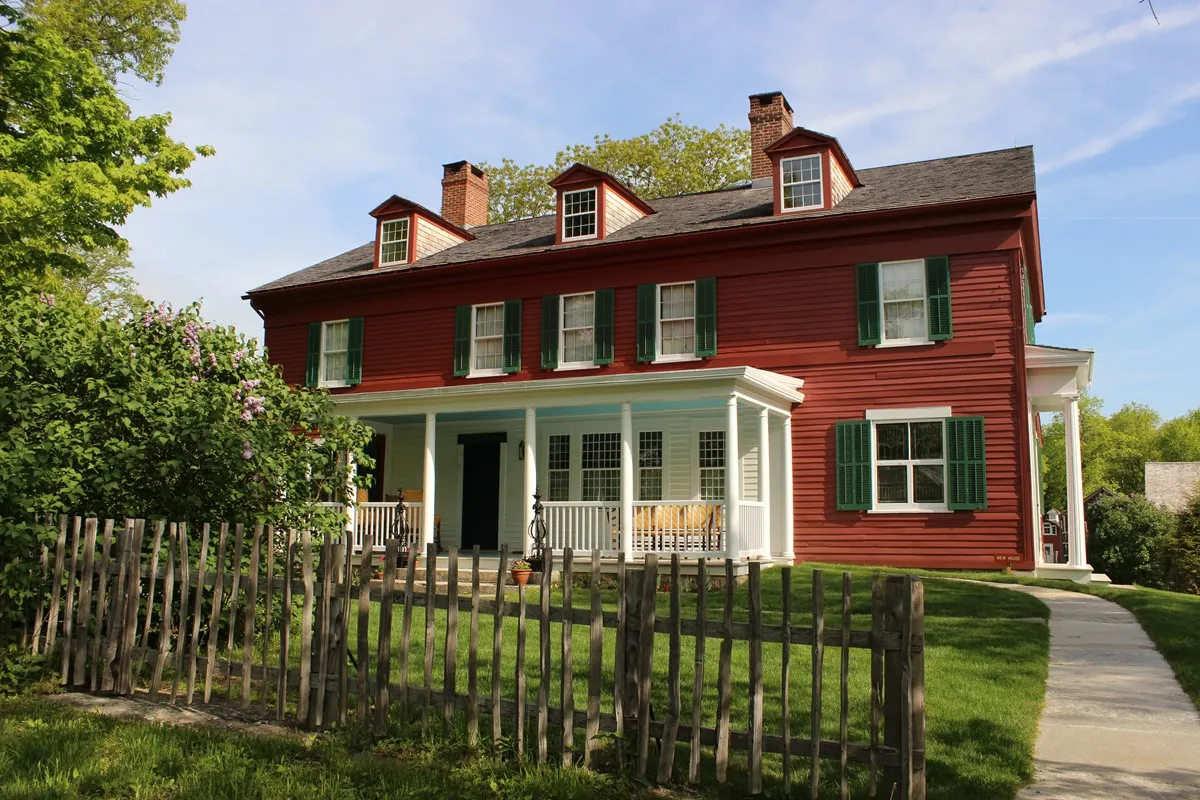
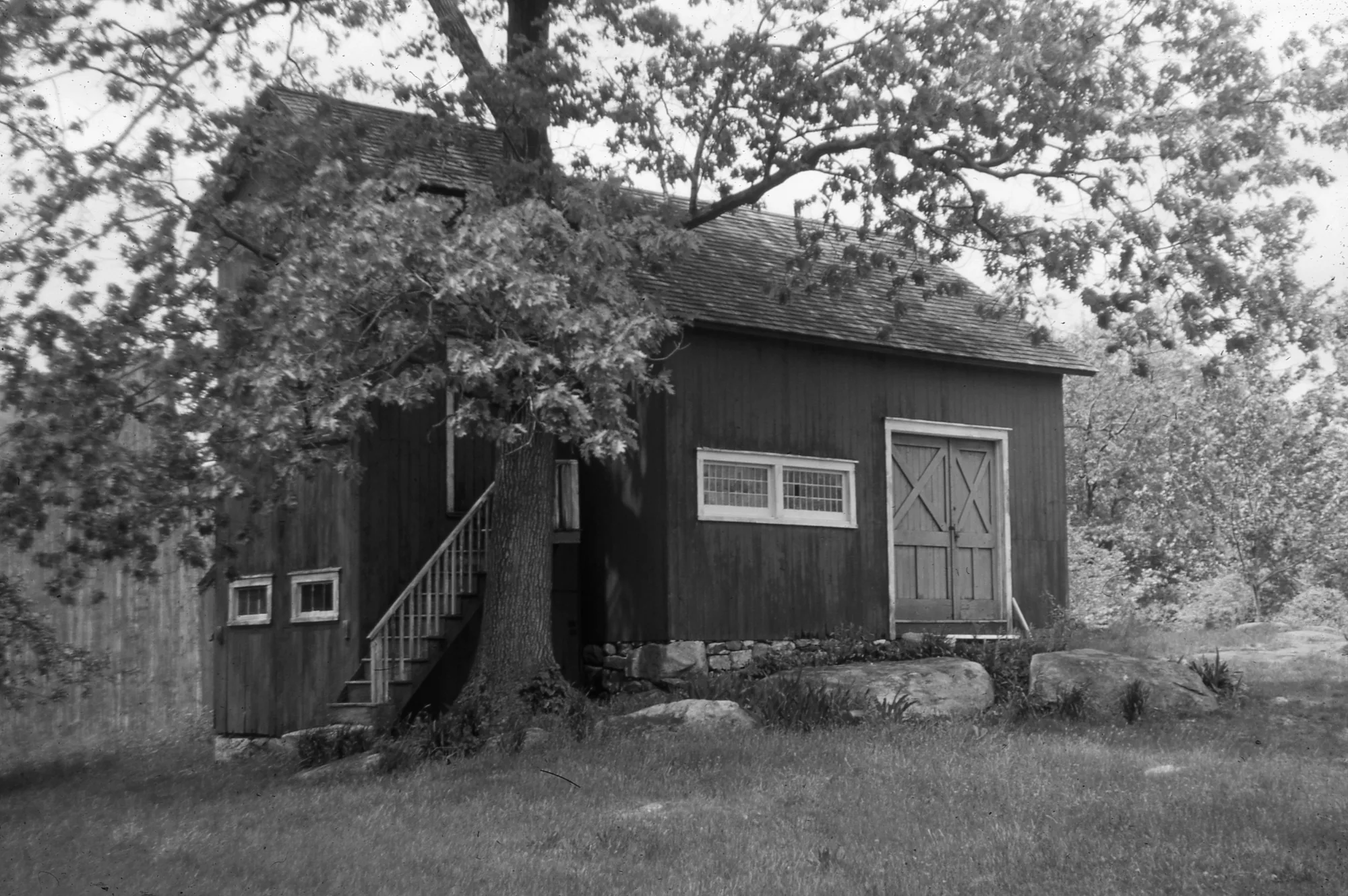
The Weir House and artist studios bring the human side of the park into focus. Weir bought the farm in 1882, and generations of artists later worked and lived here. The house and studios help visitors connect works of art with the rooms, tools and surroundings in which creative work happened.
The National Park Service offers guided tours in season, subject to staffing and conditions. Its current information describes first-come, first-served tours with limited capacity. Check the latest schedule on the day of your trip rather than assuming that every building is open whenever the grounds are open.
Historic buildings may present barriers. The park says the Weir Studio is not wheelchair accessible and provides a virtual tour as an alternative. Contact staff in advance to discuss the options that best fit your group, including accessible routes and available programs.
3. Bring Your Own Art Supplies
You do not have to be an experienced painter to take part in the park’s artistic tradition. Bring a sketchbook, pencils or another manageable set of supplies and spend time observing a scene. Looking closely at light, shapes and color can change the pace of a visit, whether the result is a finished drawing or a few notes in a notebook.
When the visitor center is open during the season, the park offers free-to-use art supplies while supplies last. Availability and materials vary by day. Bringing your own supplies is a good option when the center is closed or if you have a particular medium in mind.
Choose a safe place that does not block trails, driveways, parking areas or other visitors. Carry your equipment in and out yourself, protect the landscape and follow current park guidance. A small kit makes it easier to move if weather or space requires a change of plans.
4. Follow the Historic Painting Sites
The park’s self-guided painting-sites resource helps visitors explore places associated with works created at Weir Farm. Instead of trying to reproduce a historic painting exactly, use the guide as an invitation to notice what has changed: a tree may have grown, a field may be managed differently or the light may transform a familiar view.
Truants’ Meadow is one landscape connected by the Park Service with Weir’s painting known as The Truants. The park describes how the meadow has changed over time and is maintained as part of the cultural landscape. It is a useful reminder that a landscape is living and dynamic, even when it appears in an old work of art.
Remain on designated paths and leave historic features undisturbed. Take your time and look for the details that inspired generations of artists, from the edge of a woodland to the arrangement of stone walls.
5. Walk Toward Weir Pond
A walk toward Weir Pond adds another dimension to the farm’s landscape. Consult a current park map for the route, terrain and connections, then choose a distance appropriate for your group. Paths can be uneven or muddy after rain, so comfortable footwear and a willingness to turn around are sensible in any season.
The surrounding landscape is not just scenery for a photograph. It has been shaped by farming, artistic work and ongoing preservation. Pause where permitted, watch for wildlife from a respectful distance and carry out everything you bring in.
Dogs are welcome on a leash in the park and the adjacent privately owned Weir Preserve, according to the National Park Service. Clean up after pets and follow posted rules as you move between properties. Bring water for people and animals, especially on warm days.
Before You Go
The park lists grounds, trails and parking as open sunrise to sunset year-round. Buildings, including restrooms, are closed November through April, so plan accordingly in the off-season. Check current alerts and seasonal tour hours, arrange parking for larger groups, and give yourself enough time to enjoy the farm without rushing.