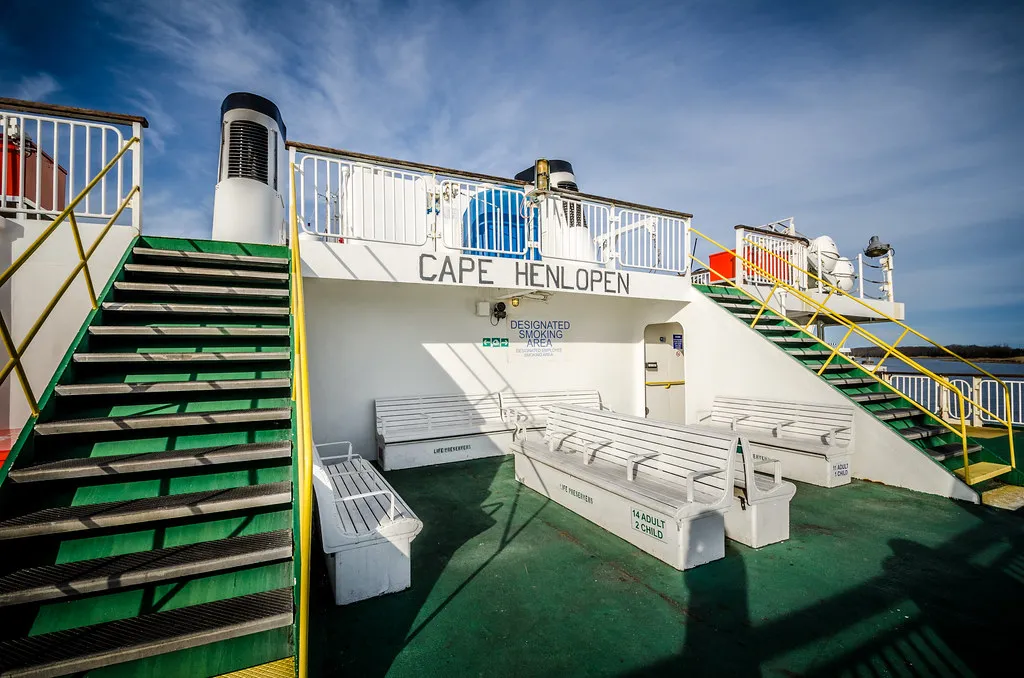
At Cape Henlopen, a day by the water can include far more than a beach towel and a view of the ocean. The state park near Lewes brings together Atlantic and Delaware Bay shorelines, pine woods, trails and the remnants of a World War II coastal defense installation. It is a place where a short walk can lead from sand and sea breezes to a story about the ships that once needed protection along the bay.
The park is large enough that it helps to choose a few stops rather than try to see everything. These five ideas combine nature, history and time outdoors. Check Delaware State Parks for current entrance fees, trail conditions, seasonal restrictions and program schedules before leaving home.
1. Begin at the Seaside Nature Center
The Seaside Nature Center provides useful context for the landscapes outside its doors. Delaware’s tourism information describes exhibits on coastal habitats and native wildlife, including aquariums. Families can use a visit to introduce children to the creatures and environments they may encounter around the park without trying to identify everything on their own.
Check the center’s current days and hours before planning around it. Programs and building access vary seasonally, and group activities may require advance arrangements. If the center is closed, you can still enjoy the park’s outdoor areas where open and return another day for exhibits or a guided program.
Pick up a current map if one is available. The park’s beaches, historic area and trailheads are spread out, and a map makes it easier to plan parking and choose walks suited to the weather and the people traveling with you.
2. Discover Fort Miles
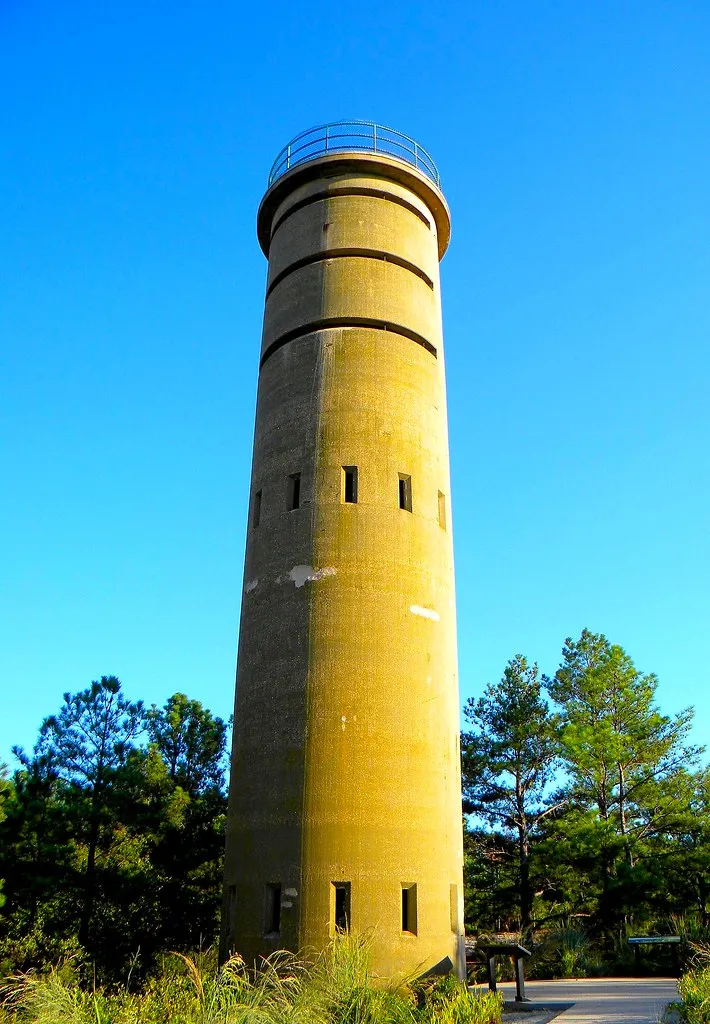
Cape Henlopen’s World War II history is visible in the Fort Miles Museum and Historical Area. Delaware environmental officials explain that the military installation helped protect the important Delaware Bay shipping channel during the early 1940s. Today, the historic area includes Battery 519, barracks, a fire-control tower and an artillery park.
Looking at these structures changes the way the shoreline feels. Instead of seeing only a vacation landscape, you can imagine the coast as a place of wartime observation and defense. Exhibits and tours add important context to the equipment and buildings; check the museum’s current schedule and any tour fees before arriving.
Outdoor features are not a substitute for the museum experience, but they can still make a thoughtful stop when indoor programs are unavailable. Follow signs and stay out of restricted structures or areas. Historic concrete and dunes are not places to climb wherever a path appears.
3. Look for the Historic Fire-Control Tower
The tall concrete towers associated with Fort Miles are among the most recognizable features of Delaware’s coast. Their silhouettes make an easy visual landmark, but their purpose is more interesting than their shape: they were part of the coastal defense system that watched over the approaches to Delaware Bay.
The historic area includes a tower, and access can depend on maintenance, staffing or other conditions. Do not assume a climb is available; ask park staff about current access and any stairs or other physical demands. A view from the ground can still be a good way to appreciate the scale and setting of the structure.
Consider pairing this stop with the museum rather than treating the tower as an isolated photo opportunity. Interpretation helps explain why the military built these features and how the location of the cape mattered to the defense of the bay.
4. Take in the Coast at Herring Point
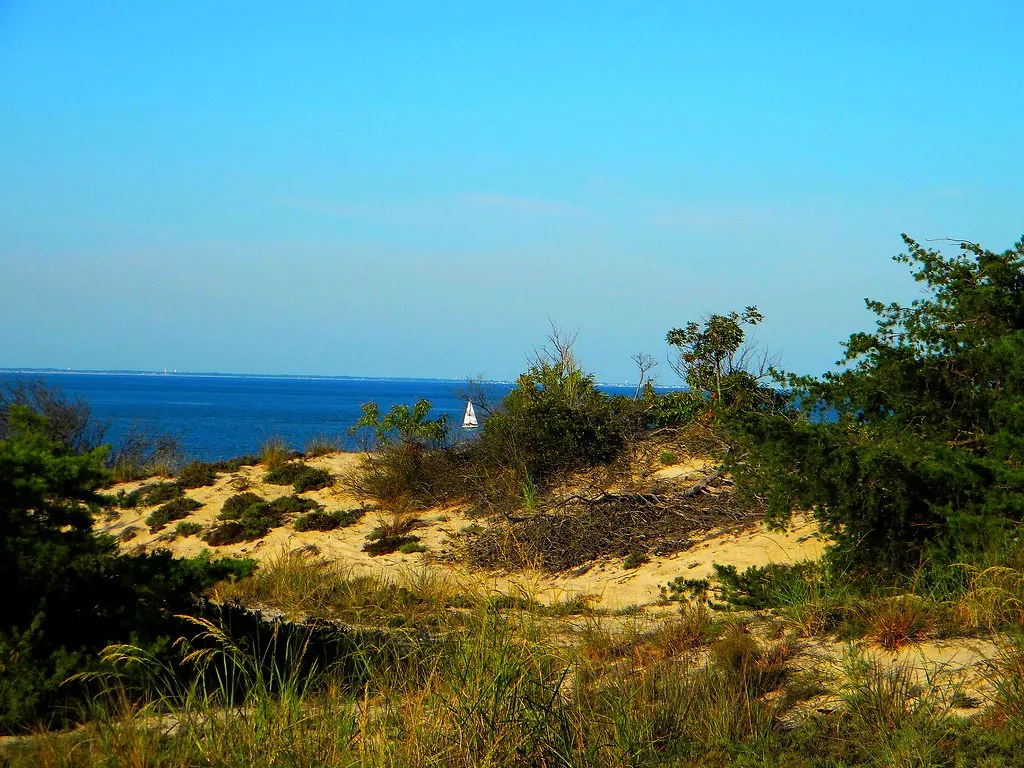
Herring Point offers another perspective on Cape Henlopen’s ocean side. Instead of setting an ambitious itinerary, allow time to stop, look along the shoreline and notice the changing light over the water. The area also connects to the park’s trail network, making it a useful starting point for visitors who prefer a walk with their coastal view.
Beach and trail conditions can change after storms or high tides. Use designated crossings, keep off protected dunes, follow signs and avoid flooded or washed-out sections. If you intend to swim, check whether lifeguards are on duty at the beach you choose and follow current safety guidance; not every part of the coast has the same services.
Bring water, sun protection and a layer for the wind. A bright day can still feel cool beside the ocean, especially outside the summer season.
5. Walk a Section of the Gordons Pond Trail
For a longer look at the coastal landscape, consider a walk or ride on the Gordons Pond Trail. Park planning documents show how trails connect the coast with wetlands and wooded areas. Choose a distance that suits your group and remember that you can turn around without completing the full route.
The trail can be affected by tides, storms and maintenance. Delaware officials announced repairs to sections damaged by high water in 2026, so consult current trail notices before visiting instead of relying on an old map or assuming a section is open. Yield to other trail users and stay on the designated route.
Wildlife is another reason to slow down. Look for birds from a respectful distance, avoid entering sensitive areas and follow any seasonal closures intended to protect nesting or resting animals. Binoculars can make a quiet stop more rewarding without disturbing the habitat.
Planning Your Day
Check the park’s current hours, fees and weather before you go. The museum, nature center and tours may follow schedules different from the larger park. Pack water, comfortable shoes and sun protection, and give yourself time to move between stops. If storms, high tides or seasonal habitat rules close part of your plan, choose another open area and follow park staff’s instructions.