The trip between Lewes, Delaware, and Cape May, New Jersey, can include more than a highway drive. The Cape May–Lewes Ferry carries foot passengers and vehicles across Delaware Bay, giving travelers time on the water between two coastal regions. The Delaware River and Bay Authority describes the crossing as roughly 85 minutes, though weather and operations can affect a particular trip.
The ride can be part of a beach vacation, a way to connect a longer road trip or a stand-alone outing. Like any transportation booking, it goes more smoothly when you check current details before leaving. These seven tips cover reservations, arrival, accessibility and ways to enjoy the crossing.
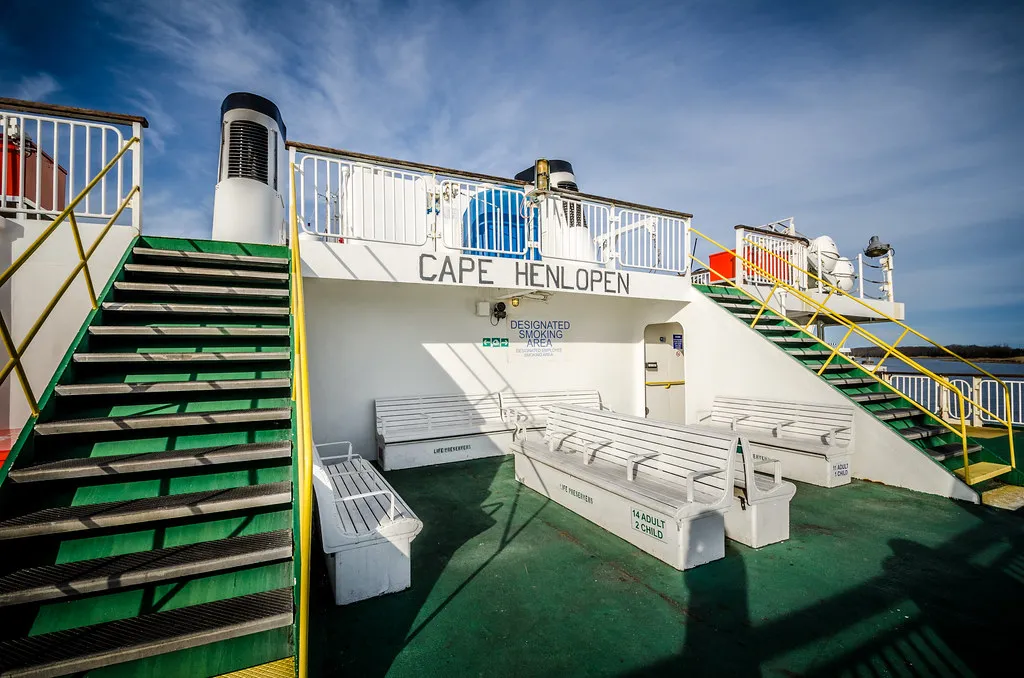
1. Choose Your Direction and Return Before You Book
The ferry connects terminals in Lewes and Cape May. Decide whether you need a one-way trip or a return crossing, and check the schedule for both legs before making other plans. Departure times and fares vary by season, and a day trip needs enough time on the far side as well as time for the return journey.
The ferry’s official schedule and fare page is the best place to confirm the date you want. Allow flexibility for weather or operational changes, particularly if you are connecting to another reservation. A scenic crossing is most enjoyable when you are not worried about missing the next part of your itinerary.
Make sure your navigation points to the correct terminal. The Lewes and Cape May terminals are on opposite sides of the bay, and the service is different from the seasonal Fort Delaware ferry on the Delaware River.
2. Reserve Your Space Ahead
The operator strongly recommends reservations for both vehicle and foot-passenger travel. Walk-ins may be accommodated when space remains, but a departure can sell out, particularly during busy travel periods. Booking ahead is especially useful if your plans depend on a specific crossing or if you are bringing a larger vehicle.
Review the fare rules carefully. The operator publishes seasonal rates and may add surcharges, so use the current total shown during booking rather than relying on a price in an old travel article. Confirm whether the fare you select includes every person and vehicle in your party.
Keep your confirmation accessible and check the operator’s rules for changes or cancellations. If your plans shift, contact the ferry or use its official booking tools rather than assuming a missed sailing will automatically transfer to another time.
3. Arrive With Time to Check In
The ferry recommends arriving 45 minutes to one hour before the scheduled departure. Vehicle passengers and foot passengers follow different check-in instructions, so read your confirmation and follow terminal signs when you arrive. That buffer makes room for check-in and boarding without turning the beginning of the trip into a sprint.
The operator says valid identification is required and publishes a list of accepted forms. Check its latest requirements for everyone in your group before leaving. If you have questions about children, vehicles, bicycles or luggage, consult the ferry directly rather than guessing.
Both terminals have waterfront amenities, so early arrival does not have to feel like wasted time. Take a short walk in permitted areas, find a place to sit or simply watch the activity around the harbor while keeping boarding announcements in mind.
4. Decide Whether to Bring a Car
You can travel as a foot passenger or take an eligible vehicle aboard. A car gives you flexibility after arrival, while walking on can be appealing if the crossing itself is the main attraction. The right choice depends on what you want to do after disembarking and how you will reach your destination from the terminal.
Do not assume that downtown attractions are immediately adjacent to either terminal. Check a map and arrange any onward transportation in advance. The operator describes a seasonal Cape May shuttle with its own reservations and schedule; verify whether it is operating on your date and whether its return timing works with your ferry.
For a vehicle trip, provide accurate vehicle details when booking and follow staff instructions during loading and unloading. Space is limited, and the operator notes that vehicle size can affect capacity.
5. Ask About Accessibility Before Sailing
The ferry’s accessibility information notes that its vessels do not have onboard elevators, while terminal elevators and a foot-passenger walkway can assist with boarding. Individual needs and vessel arrangements differ, so speak with the operator before booking if stairs, boarding surfaces or a mobility device are concerns.
Ask which decks and facilities will be available to you, how to board and whether your vehicle arrangements affect access. Give staff the details they need to explain the options. A conversation ahead of time is more reliable than assuming all vessels have identical layouts.
The same principle applies at the other end of the trip. Confirm accessible transportation and your destination’s facilities independently so that the entire outing works for your group.
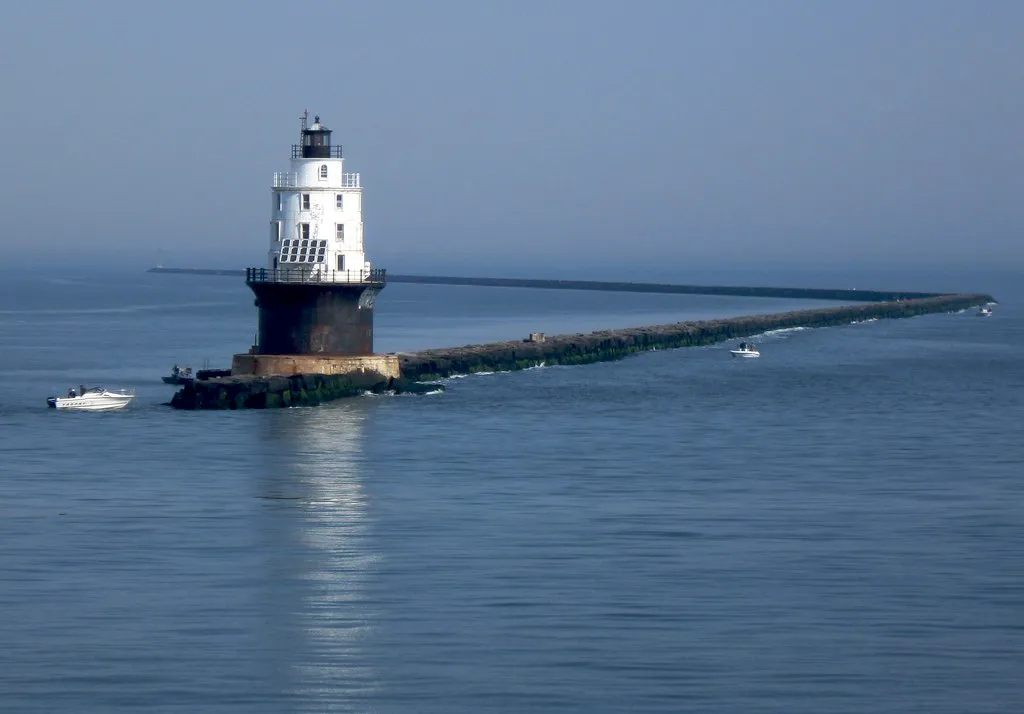
6. Pack for a Change in Weather
The bay can feel cooler and windier than the parking lot. Bring a layer for the deck, sun protection and any essentials you want during the crossing. If you are prone to motion sickness, consider what normally helps you and check the forecast before travel.
The ferry offers indoor and outdoor passenger areas, but amenities and availability can vary. Keep an eye on staff announcements and follow any instructions about where passengers may go during loading, sailing and unloading.
A camera or binoculars can make the water crossing more interesting. Keep a secure grip on belongings in the wind and enjoy any wildlife or vessels from a respectful distance; sightings are never guaranteed.
7. Leave Time for Lewes and the Coast
On the Delaware side, Lewes offers a historic town center and nearby Cape Henlopen State Park. Both can make a rewarding addition to a ferry trip, but neither needs to be squeezed into a narrow connection. Check seasonal museum hours, park fees and local transportation before deciding how much to add.
If you have only a short window, choose one activity and leave a generous margin to return to the terminal. A relaxed meal or an easy walk may be a better fit than an ambitious itinerary with no room for delays.
The ferry is transportation, but the crossing can also be the highlight. Build enough time into your plans to enjoy the view and still be ready when it is time to board again.
Before You Go
Check the official ferry website for current schedules, total fares, identification requirements, weather notices and boarding instructions. Reservations and the recommended arrival buffer matter in every season; shuttle service and individual attractions may be seasonal. Confirm the details that matter to your party directly with the operator.