Wilmington’s waterways tell more than one story. Along the Christina River, visitors can learn about early European settlement, follow a modern riverwalk and find wetland habitat within the city. Put those experiences together and a day in Delaware’s largest city becomes a mix of history, walking and time outdoors.
These five stops are spread across different parts of Wilmington. Fort Christina and Old Swedes Historic Site are connected by history, while the main riverwalk and wildlife refuge are farther along the riverfront. Use a map and plan transportation between areas rather than assuming every stop is a short walk from the next.
Hours and access depend on the operator and season. Check current information before leaving, especially if you want to enter a historic building or attend a program.
1. Fort Christina and The Rocks
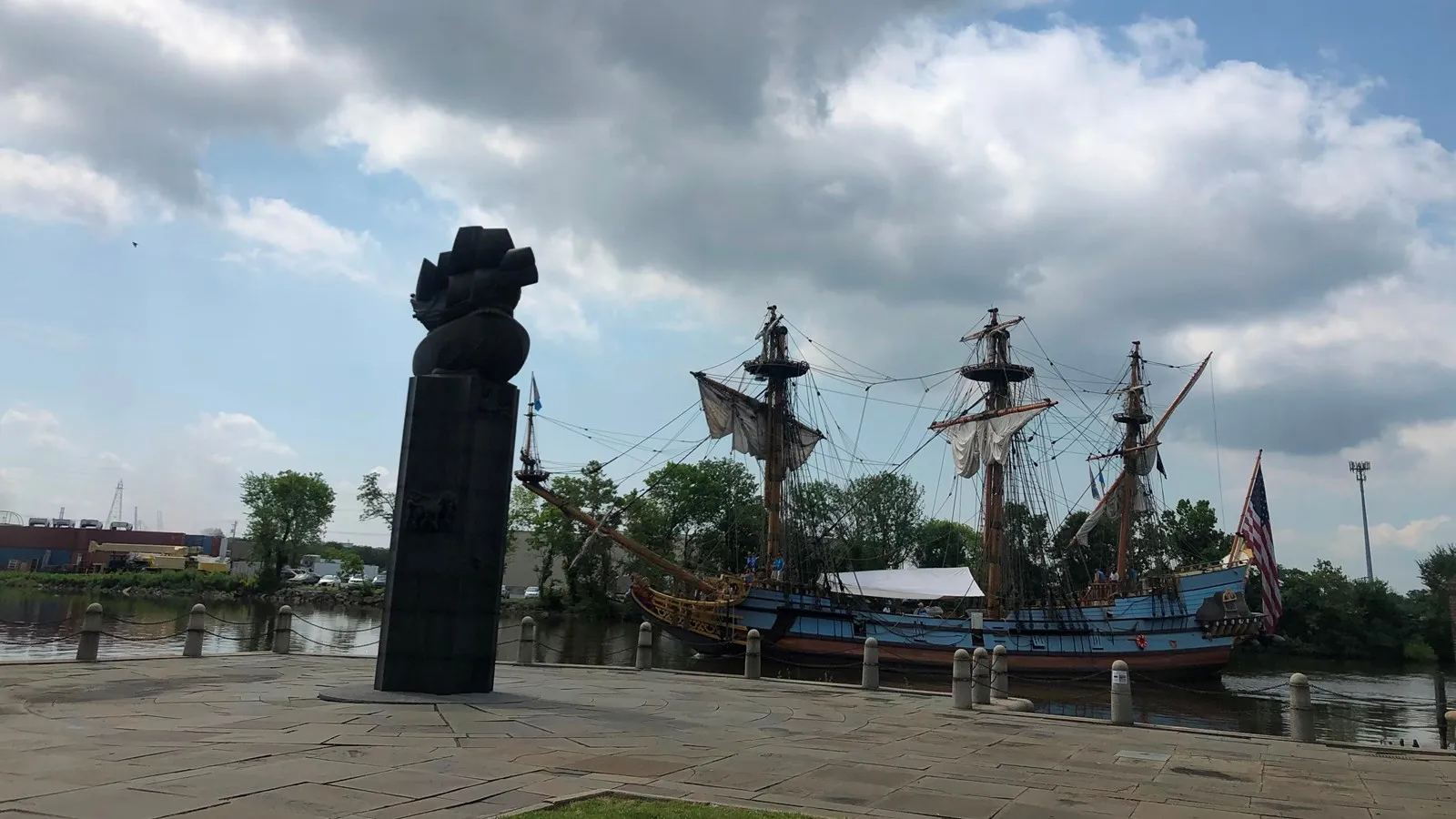
At Fort Christina, a monument and the rocky shoreline mark a site associated with the 1638 landing of Swedish and Finnish settlers who established New Sweden. The National Park Service describes The Rocks as a surviving feature of that landing area. The place offers a starting point for thinking about the relationship between the river and the communities that developed around it.
The history did not begin with European arrival. The region was already home to the Lenape, and the Park Service notes that the Swedish settlers obtained land from them. The Dutch captured the settlement in 1655, and English control followed later. These changes affected the people living along the river in different ways.
Fort Christina is managed with a partner, and access may be seasonal or tied to programming. Check current visitor information before traveling across town specifically for this stop. A replica of the Kalmar Nyckel is associated with Wilmington’s maritime heritage, but confirm its location and any tour availability separately.

2. Old Swedes Historic Site
Old Swedes Historic Site preserves a church and burial ground connected to early Swedish and Finnish communities in the Delaware Valley. The National Park Service dates the church to 1699. The site is still a place of worship as well as a historic destination, so plan your visit with respect for services and other activities.
The churchyard gives visitors an opportunity to think about individual lives as well as broad historical events. Take your time, read the interpretation available and treat graves and memorials with care. A guided visit can provide context for the building and the people associated with it that may not be apparent from its exterior.
The historic site is operated by a partner organization. Its tours may require reservations and fees, and the schedule changes seasonally. Confirm the latest opening days, accessibility and tour details with the operator before arriving.
3. Tubman-Garrett Riverfront Park
Move to the main Wilmington Riverfront for a different chapter of the city’s story. Tubman-Garrett Riverfront Park is the starting point of the riverfront organization’s self-guided audio walk when followed in order. It provides an orientation point near the northern end of the route and a place to begin exploring along the Christina River.
The park’s name honors Harriet Tubman and Thomas Garrett, figures connected to the Underground Railroad. Consider pairing a riverfront walk with further reading or a guided program about the freedom seekers and local networks that resisted slavery. The significance of those histories deserves more than a quick glance at a sign.
Check the current status of the audio tour before depending on it: the riverfront organization lists a seasonal window. You can also enjoy the public route at your own pace, stopping to read interpretive signs where provided.
4. Walk the Riverfront
Wilmington’s riverwalk links a collection of public spaces and attractions along the Christina River. It is a flexible part of the day: choose a section that suits your group, pause for a meal or an exhibit, and turn back whenever you like. The riverfront organization publishes maps and a self-guided audio tour to help visitors connect places along the route.
Look for traces of the city’s working waterfront as well as newer gathering places. The river remains the thread connecting them. If you are visiting with children or traveling at a relaxed pace, leave time for stops instead of measuring the success of the walk by distance alone.
Follow posted rules, watch for cyclists and other users, and check current opening hours for any indoor attraction you want to add. Restaurants, museums and programs are separately operated and can change their schedules.
5. Russell W. Peterson Urban Wildlife Refuge
At the southern end of the riverfront, the Russell W. Peterson Urban Wildlife Refuge introduces a quieter setting of tidal marsh and wildlife habitat. A raised path and the DuPont Environmental Education Center make this an appealing contrast to the busier parts of the riverwalk. The riverfront organization describes a quarter-mile accessible pond loop at the education center.
Bring binoculars if you enjoy watching birds, but do not expect a particular species on demand. The experience changes with the tide, season and weather. Stay on designated paths, keep pets leashed where permitted and give wildlife room.
The refuge and the indoor education center may keep different hours. Check current schedules and conditions before visiting, especially after high water or storms. A short stop here can be a gentle end to a day that began with the history of the same river system.
Planning Your Day
Start with a map and select the stops that fit your available time. Check Fort Christina and Old Swedes separately for seasonal access, verify the riverfront audio tour if you want to use it, and allow travel time between the historic sites and main riverwalk. Wear comfortable shoes, carry water and follow accessibility information from each operator.