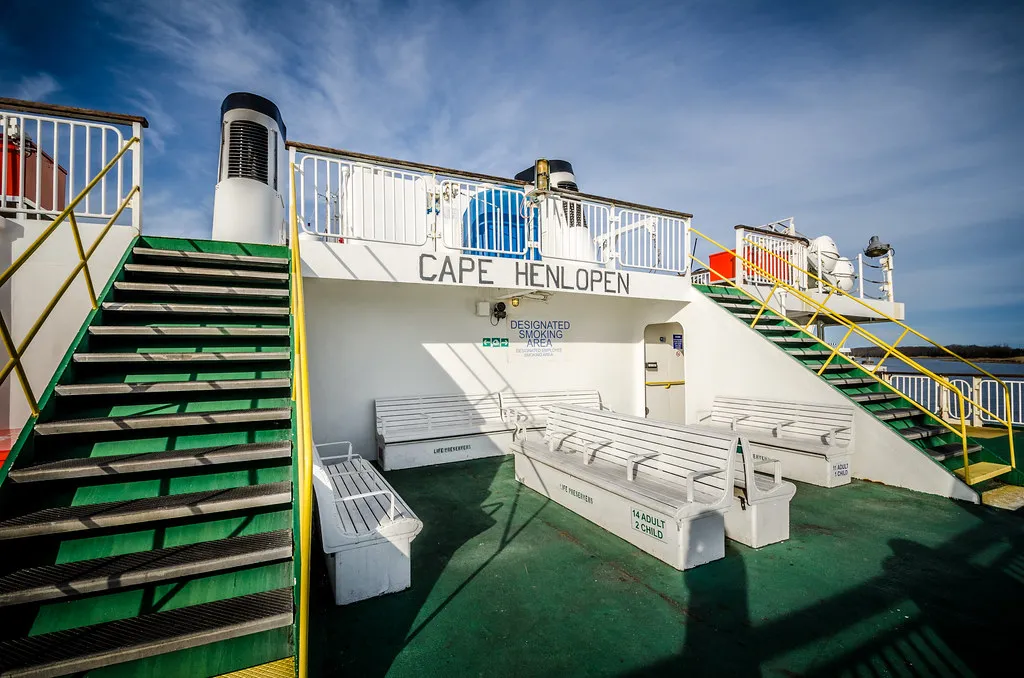
Lewes is a place to give yourself a little more time. Near the mouth of Delaware Bay, its streets connect maritime stories, historic buildings and the quieter rhythms of a coastal town. It can work as a stand-alone day trip or as a complement to a visit to nearby Cape Henlopen, with enough variety to satisfy travelers who prefer a museum, a guided walk or simply a stroll between landmarks.
Many local attractions operate on seasonal schedules. The Lewes Historical Society maintains several sites with different hours, while other museums and tours are run independently. Check current hours and make reservations when required, especially in the off-season.
1. Start at the Historic Lewes Town Campus
The Historic Lewes Town Campus on Shipcarpenter Street is a useful place to begin. The Lewes Historical Society gradually assembled and restored historically significant buildings here, creating a setting for exploring the community’s past. The campus also serves as a starting point for several guided walks.
The grounds are open from dawn to dusk year-round according to the society, while building access and programming vary by season. Check the organization’s current schedule before expecting indoor exhibits or a tour. A walk through the grounds can still help orient you to the town and give you a sense of how historic buildings are preserved and interpreted.
Ask staff about programs that fit your interests. Local history can be approached through architecture, the waterfront, the experiences of African American residents and the daily lives of people who worked and lived here. A knowledgeable guide can add connections that are difficult to see from the outside alone.
2. Visit the Ryves Holt House
On Second Street, the Ryves Holt House is another part of the Lewes Historical Society’s network of historic places. The society describes it as a museum and mercantile and lists a seasonal schedule. It is a convenient stop for visitors already exploring the town center on foot.
Historic houses are more than attractive facades. A visit can reveal how a community changes over time, which stories have been preserved and how later generations choose to interpret them. Ask about current exhibits and the building’s history rather than assuming every room or feature dates from the same period.
The operator lists different hours for the warmer season and late fall, with a winter closure. Confirm the current schedule before arriving. As with many older buildings, accessibility can vary; contact the organization in advance if stairs, thresholds or other features could affect your visit.
3. Look for the Cannonball House
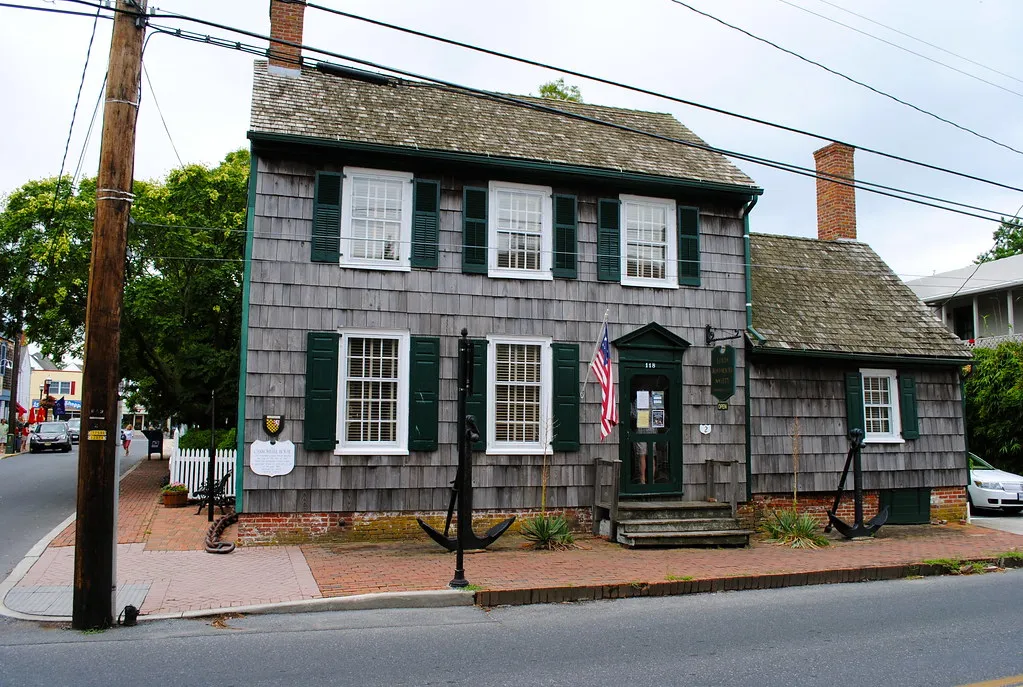
The Cannonball House on Front Street connects Lewes to its maritime past and the War of 1812. Today the historic building houses a maritime museum operated by the Lewes Historical Society. The building’s name refers to damage associated with the British bombardment of the town, a story that makes the waterfront’s strategic role easier to imagine.
Check the society’s published seasonal hours before planning an interior visit. Its current visitor information lists the museum as closed from October through March. Even when a museum is closed, observing a historic exterior from a public sidewalk can be a worthwhile part of a walk; respect boundaries and do not assume the grounds or building are open.
The waterfront has changed over generations. Consider how trade, fishing and navigation shaped the community you see today, and look for interpretation that places individual landmarks in that larger history.
4. Take a Guided History Walk
If you want to connect individual stops, look at the historical society’s walking tours. Its offerings include history and architecture walks and programs exploring the legacy of Lewes’s African American community. The organization lists different themes, dates and prices, with advance registration required for tours.
Choose a tour that fits both your interests and your walking comfort. The operator describes its architecture walk as a gentle route with periods of standing, but individual experiences differ. Confirm the current distance, meeting location and accessibility when booking, and bring an umbrella or weather-appropriate clothing if the forecast calls for it.
A guide can help distinguish well-documented history from local legends and explain why buildings have changed. If you prefer a self-guided day, the same advice applies: respect private property, use public routes and leave room for residents going about their day.
5. Pair Town History With the Coast
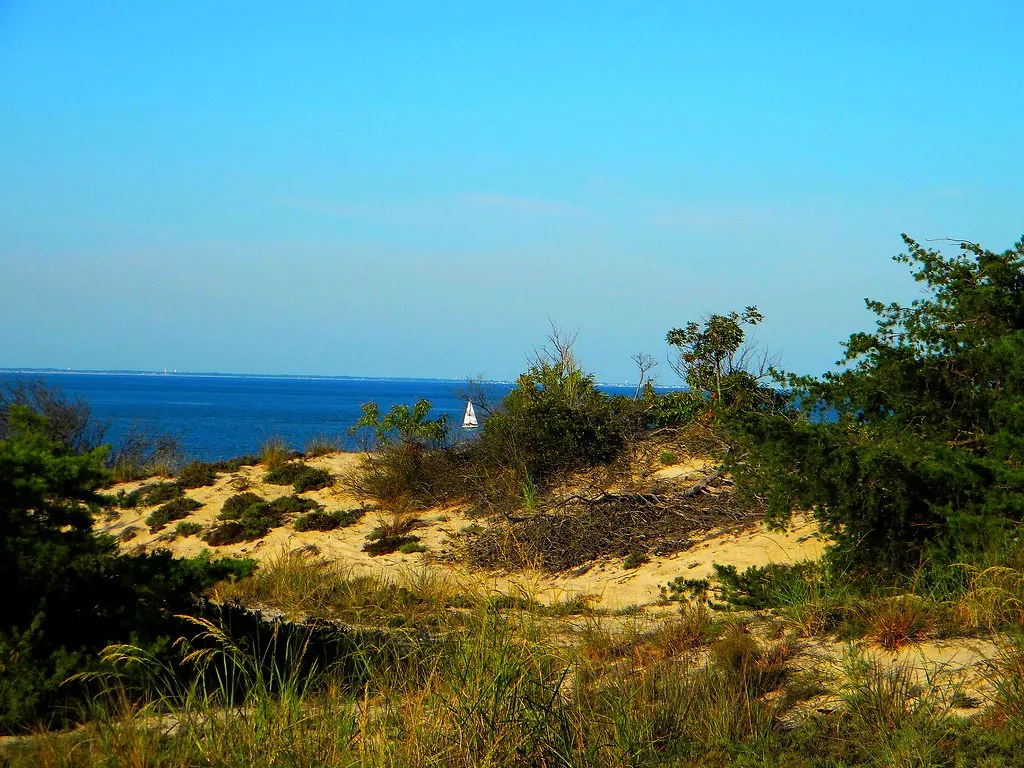
Lewes’s setting makes it natural to add time near the water. Cape Henlopen State Park is close enough to pair a town visit with coastal scenery or a stop at Fort Miles, the former World War II defense installation. The park is a separate destination with its own entrance rules, fees and seasonal conditions, so check those details before adding it to your plan.
You do not need to pack every activity into a single afternoon. Visit one museum, stop for a meal and leave the rest of the day open for a walk or a coastal view. If weather or tides close a trail or beach area, follow posted guidance and choose an open alternative.
The town and coast are connected by history as well as geography. Ships, fishing and military defense all depended on the bay’s position. Seeing both settings helps make those connections tangible without rushing from one attraction to the next.
Plan Before You Go
Check the Lewes Historical Society’s current visitor page for seasonal museum hours and tour reservations. Its Life-Saving Service Boat House is listed as temporarily closed for restoration; verify updates before including it in a trip. Wear comfortable shoes, be mindful of uneven historic sidewalks and allow extra time for parking and guided-tour check-in.