Fort Delaware sits on Pea Patch Island in the Delaware River, close enough to the mainland to see from shore but different enough to feel like its own outing. A seasonal passenger ferry connects Delaware City with the island, where a nineteenth-century fort tells stories of coastal defense and the Civil War prison that operated there.
The ferry is part of the experience and the main planning constraint. Timetables, tickets and programs change, so start with the current Delaware State Parks information before building the rest of your day. These five points will help you prepare for a thoughtful island visit.
1. Start With the Ferry Schedule
The Forts Ferry Crossing operates seasonally rather than year-round. The Delaware River and Bay Authority describes it as a foot-passenger service linking Delaware City, Fort Delaware and Fort Mott in New Jersey, with tickets handled by Delaware State Parks. Check the official schedule for the date you want; do not assume every departure stops at every location or that a previous year’s timetable still applies.
Confirm the return trip as well as your outbound departure. Once on an island, the final boat matters in a way it does not on an ordinary museum visit. Arrive as directed on your ticket and allow time for parking, check-in and possible changes caused by weather or operations.
If you have mobility concerns, contact the park before booking to discuss ferry boarding, island transportation and the fort’s historic surfaces. Access arrangements can depend on equipment, staffing and conditions on the day.

2. Leave Time for the Fort’s Military History
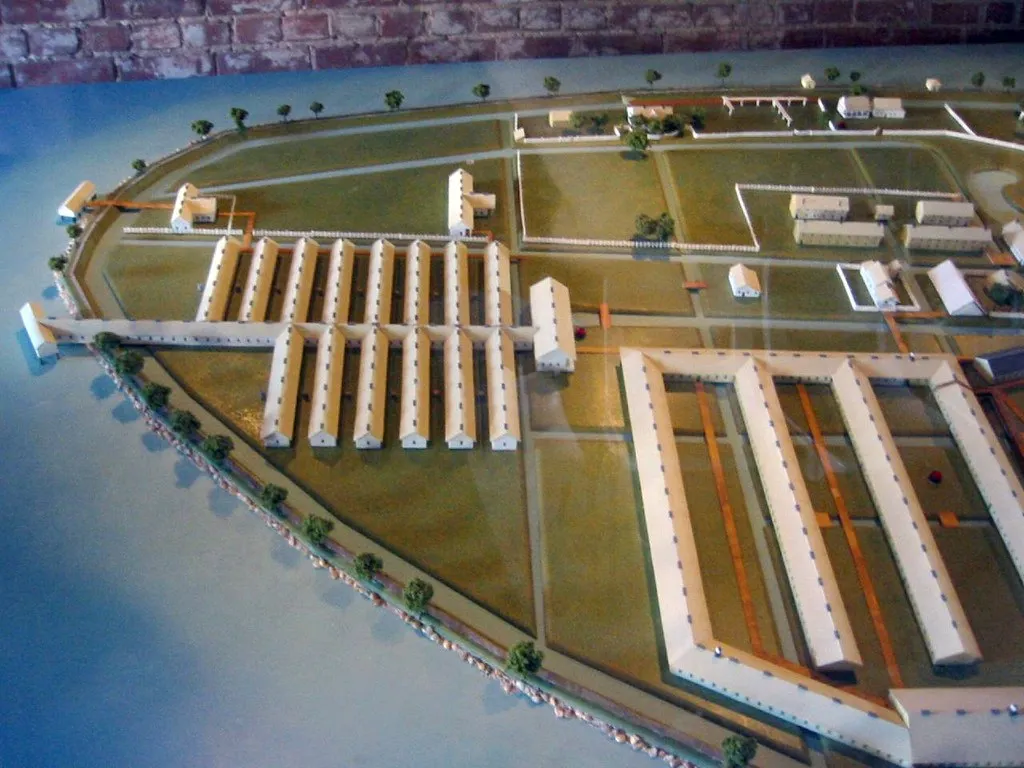
Fort Delaware was built as a defensive installation in the Delaware River. Its location helped protect the waterway leading toward important northern ports. At the fort, the walls and historic spaces make that strategic setting easier to understand than a map alone.
Check which areas and interpretive programs are available during your visit. Park offerings can vary by season and staffing, and a guided program may have a separate schedule or registration requirement. Stay on public routes and observe any posted restrictions around historic structures.
Give yourself enough time to read exhibits and ask questions. A fort can look like a collection of impressive walls from a distance, but its meaning comes from understanding the people who built, maintained and served there, as well as the river traffic it was designed to protect.
3. Make Space for the Civil War Prison Story
During the Civil War, Fort Delaware served as a prison for captured Confederate soldiers. Delaware’s library system describes the island as both a military defense site and a reminder of people held there during wartime. Interpretation of the prison is central to understanding the place; it is not merely a colorful footnote to the ferry ride.
Ask park interpreters about conditions, the people imprisoned on the island and the staff who lived and worked there. Treat the subject with the care you would bring to any historic site associated with confinement and death. A family visit can include questions about what evidence survives and how historians reconstruct daily life.
Programs and exhibits change, so check current offerings before promising children a particular demonstration. The fort’s story can be explored at different levels of detail, from a short orientation to a longer visit focused on the prison and the Civil War.
4. Notice the Island’s Wildlife From Public Areas
Pea Patch Island is not only a historic place. Its marshy shores provide habitat for migratory birds, according to Delaware Libraries, making binoculars a useful addition to a day bag. Look for wildlife from designated visitor areas and follow signs that protect sensitive habitat.
Do not enter closed areas or approach nesting birds for a photograph. A quiet, distant view is better for the animals and often more rewarding for visitors. What you see depends on the season, weather and tide, so treat any sighting as a possibility rather than a guarantee.
Island conditions can also be different from those on the mainland. Bring water, sun protection and a layer for wind on the ferry or exposed grounds. Ask the park about current food, restroom and trail arrangements, particularly if you are traveling with young children.
5. Plan Something Flexible on the Mainland
Delaware City’s waterfront is a natural place to begin or end a trip, but let the ferry determine your schedule. If you have extra time, you can explore the town’s historic area or consider Fort DuPont State Park. Check each site’s current access separately and stay on marked public routes; historic structures may have closures.
A meal or short waterfront pause after returning can make the day feel less hurried. Keep the return sailing as the firm commitment and treat other stops as flexible. If the ferry is not operating, choose a mainland itinerary and save the island for a date when service is confirmed.
The trip works best when you plan for the real details—seasonal boats, changing weather and the time needed to absorb a complicated history. The reward is an island excursion that connects the river landscape with a significant chapter of Delaware’s past.
Before You Go
Use Delaware State Parks for current ferry tickets, departure points, park programs and return times. The Delaware River and Bay Authority and New Jersey’s Fort Mott page also describe the seasonal service, but the operator’s latest booking information should govern your plan. Bring appropriate shoes for historic surfaces, water and weather protection, and contact the park directly with accessibility questions.