There is more than one way to experience the Delaware coast. Beyond the beach towns, the western edge of Delaware Bay spreads into tidal marshes, freshwater pools and wooded uplands that offer wildlife a place to rest, feed and nest. Two national wildlife refuges—Bombay Hook near Smyrna and Prime Hook near Milton—give visitors a chance to explore some of these habitats at a slower pace.
Both refuges welcome birders, photographers and people who simply enjoy being outdoors. You do not need to identify every bird to appreciate a morning here. Bring binoculars if you have them, move quietly, and allow the landscape to unfold. Wildlife is unpredictable, so every visit will look a little different.
These six stops combine an easy drive with short walks. Check current U.S. Fish and Wildlife Service alerts before setting out: hunting dates, trail conditions and seasonal wildlife protections can change access.
1. Bombay Hook Wildlife Drive
Begin at Bombay Hook National Wildlife Refuge, where a wildlife drive passes freshwater pools, salt marsh, woodland and fields. The refuge protects one of the largest remaining expanses of tidal salt marsh in the mid-Atlantic region, and its mix of habitats makes the drive a practical introduction to Delaware Bay’s quieter side.
Your car can serve as a useful observation spot. Drive slowly, stop only where permitted and let other visitors pass. Look for waterfowl on the pools, wading birds along shallow edges and the occasional raptor overhead, but remember that sightings change with the seasons and water levels. A field guide or a refuge bird list can make the visit more rewarding without turning it into a checklist.
The refuge charges an entrance fee. Its roads and trails normally open from half an hour before sunrise until half an hour after sunset, but certain hunt days bring closures. Check the official refuge page for current fees, access and dates before driving over.
2. Raymond Tower Trail
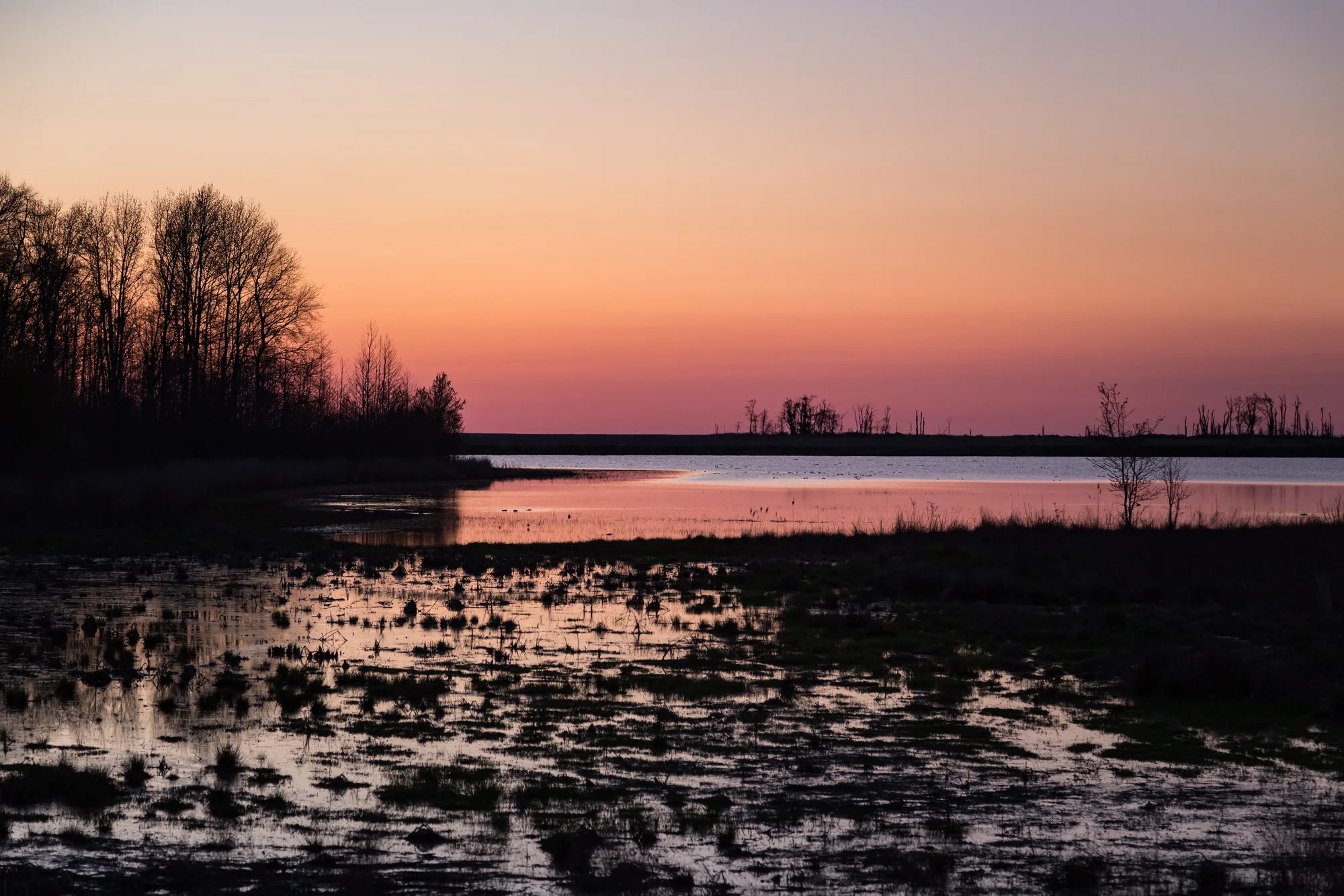
For a different perspective on the refuge, take the short Raymond Tower Trail. The Fish and Wildlife Service describes it as a quarter-mile trail leading to an observation tower overlooking Raymond Pool and the surrounding landscape. From above, the transition between water, vegetation and upland becomes easier to understand.
Take your time on the way to the tower as well as at the top. Changes in light, wind and water level can make the same view feel very different from one visit to the next. Binoculars are useful for watching from a distance without disturbing birds.
The observation tower requires climbing stairs. Visitors who prefer to stay at ground level can still enjoy the refuge’s drive and other designated viewing areas; check the current accessibility information when choosing stops.
3. Bombay Hook’s Salt Marsh Boardwalk
The refuge’s Boardwalk Trail offers a closer look at tidal salt marsh habitat. Fish and Wildlife Service materials describe this as the refuge’s trail through the marsh and list it as wheelchair accessible. Check the latest trail map before you go, because agency pages differ on the stated trail distance.
A boardwalk is a good place to notice the details that are easy to miss from a car: the texture of marsh grasses, the movement of water in a channel and the calls of birds hidden among vegetation. Tides and weather influence what you see, so a quiet visit can be just as interesting as a busy one.
Stay on the designated route and give wildlife plenty of room. In warmer months, mosquitoes, ticks and biting flies can be abundant; carry water, sun protection and appropriate insect repellent.
4. Bear Swamp Trail and Pool
Bear Swamp Trail winds through woodland near a freshwater impoundment, adding a different setting to a marsh-focused itinerary. The refuge lists the trail as accessible, while its published descriptions differ about the accessibility of the nearby viewing platform. Confirm current conditions with refuge staff before relying on it. The observation tower requires climbing stairs.
The woodland edge is a pleasant contrast to exposed marsh. Pause to listen for birds in the trees, then look across the pool from a permitted viewing area. Wildlife observation often rewards waiting more than movement: if the water appears quiet at first, a few minutes of stillness may reveal activity along the edges.
Bombay Hook’s rules protect the wildlife and habitat visitors come to see. Stay on designated trails, keep dogs on the required leash, do not feed animals, and leave plants and other natural objects where you find them.
5. Prime Hook’s Dike Trail
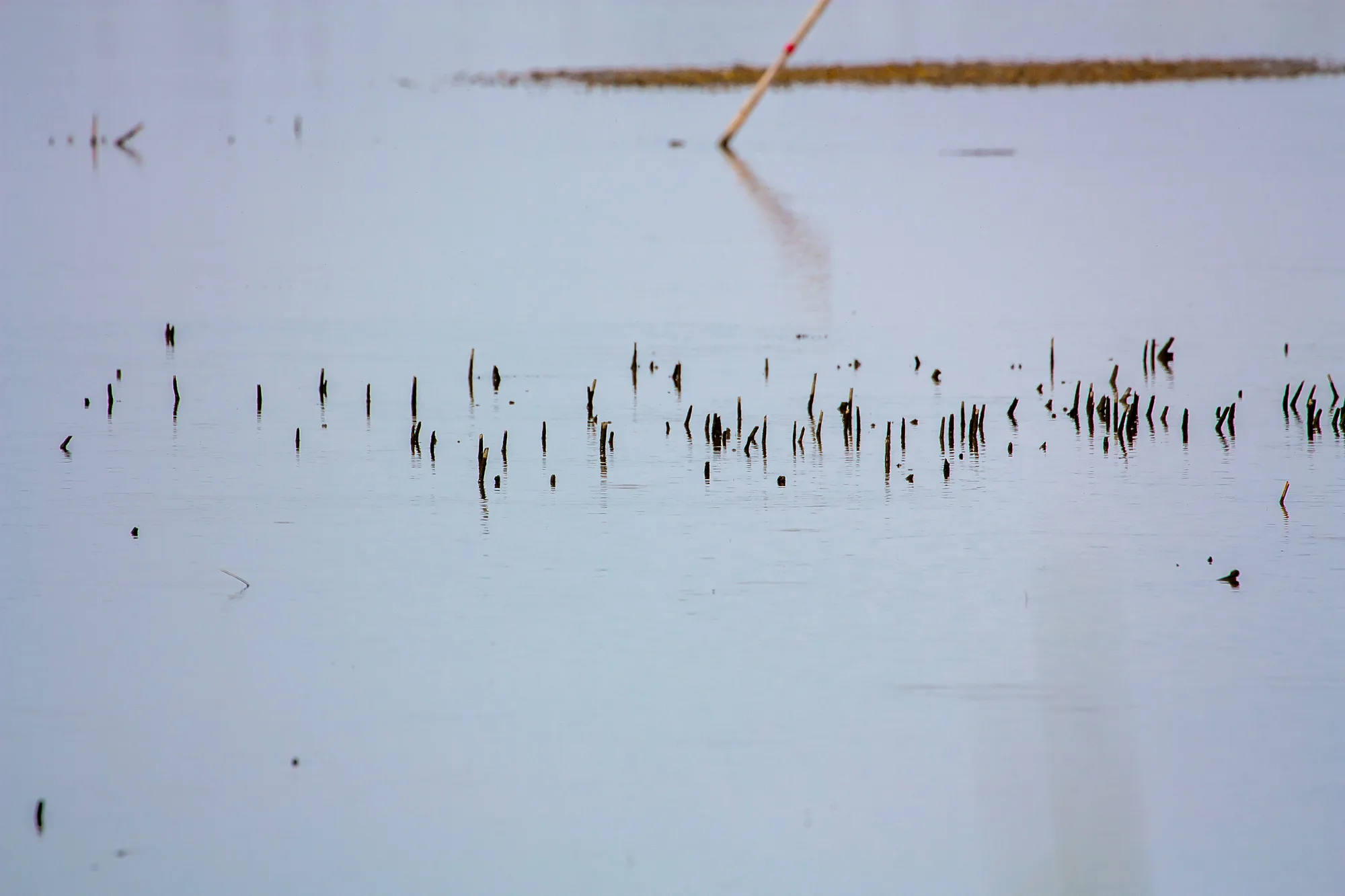
Continue south to Prime Hook National Wildlife Refuge near Milton, a separate refuge protecting a mix of fresh and saltwater wetlands, forest and fields. The Fish and Wildlife Service describes its Dike Trail as a half-mile, one-way foot trail with an accessible observation platform overlooking marsh habitat.
This is a good stop for travelers who prefer to choose a short walk and spend more time looking. A viewing platform lets you settle in with binoculars or a camera while keeping a respectful distance from the wildlife. Bring a layer if the breeze comes off the open marsh, and check the weather before your visit.
Prime Hook does not charge an entrance fee. The refuge is generally open from half an hour before sunrise to half an hour after sunset, though the headquarters area closes on specified hunting days. Visitor-center availability can depend on weather and volunteers, so check before making it the centerpiece of your day.
6. Prime Hook Boardwalk Trail
Prime Hook’s Boardwalk Trail is a half-mile loop through uplands and forested wetlands, including a boardwalk across freshwater marsh. The refuge lists the route as wheelchair accessible. It offers a useful comparison with Bombay Hook’s tidal salt marsh: both are wetlands, but their vegetation, water and wildlife can differ.
Walk slowly enough to hear the habitat as well as see it. Depending on the season, you may encounter bird calls from the trees or spot movement over the water. Bring drinking water, wear sun protection where needed and take your litter with you.
The refuge has other trails and roads, but not every area is open throughout the year. Fowler Beach, for example, has seasonal shorebird-nesting restrictions, and the refuge warns that part of its canoe route is heavily silted. Consult the refuge directly before adding a beach or paddling trip instead of assuming that access is unrestricted.
Plan a Better Bay Day
These are separate refuges, so allow driving time between them and decide in advance whether you want a full day or two shorter outings. Wildlife viewing is often most comfortable when you can stop without rushing. Respect posted closures, keep your distance from nesting and resting animals, and leave drones at home where prohibited.