The historic center of New Castle sits close to the Delaware River, with a green, brick buildings and old streets that invite visitors to slow down. It is compact enough to explore on foot, but the stories reach far beyond one neighborhood: settlement and trade, the formation of Delaware’s government, slavery and the Underground Railroad are all part of the town’s history.
Several organizations care for and interpret sites here, including the National Park Service, the Delaware Division of Historical and Cultural Affairs and the New Castle Historical Society. Each sets its own schedule. A little advance planning makes it easier to combine a museum tour with time outdoors and a look at the historic houses.
These six stops offer a starting point. Respect private homes and gardens along the way, use public sidewalks and ask before entering any property that is not clearly open to visitors.
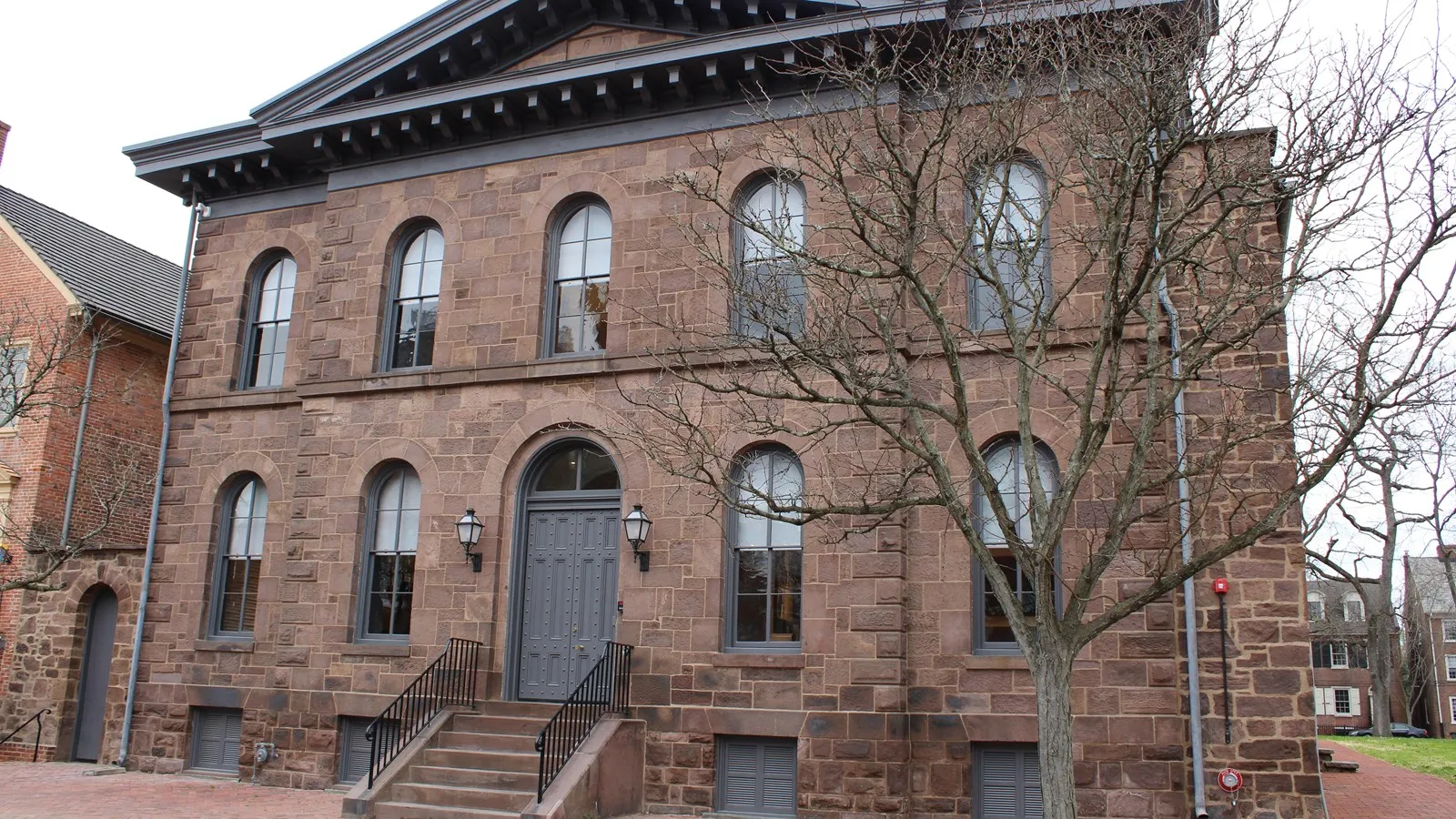
1. The Sheriff’s House Welcome Center
Begin with an orientation at the Sheriff’s House on Market Street, now a welcome center for First State National Historical Park. The building dates to 1857 and once stood beside a jail and prison yard that were later removed. Following rehabilitation, it reopened as a place where visitors can learn about the park’s sites and pick up information for exploring the state.
Ask about current ranger programs and partner-site hours before setting out. The first-floor exhibits introduce people and events connected to Delaware’s history, and staff can help you decide which stops fit the time available. Check the National Park Service for current hours, particularly around holidays and the quieter winter season.
The building itself provides a useful reminder that preservation does not always mean freezing a place in one use. An old civic building can become a starting point for conversations about the past and the community around it.
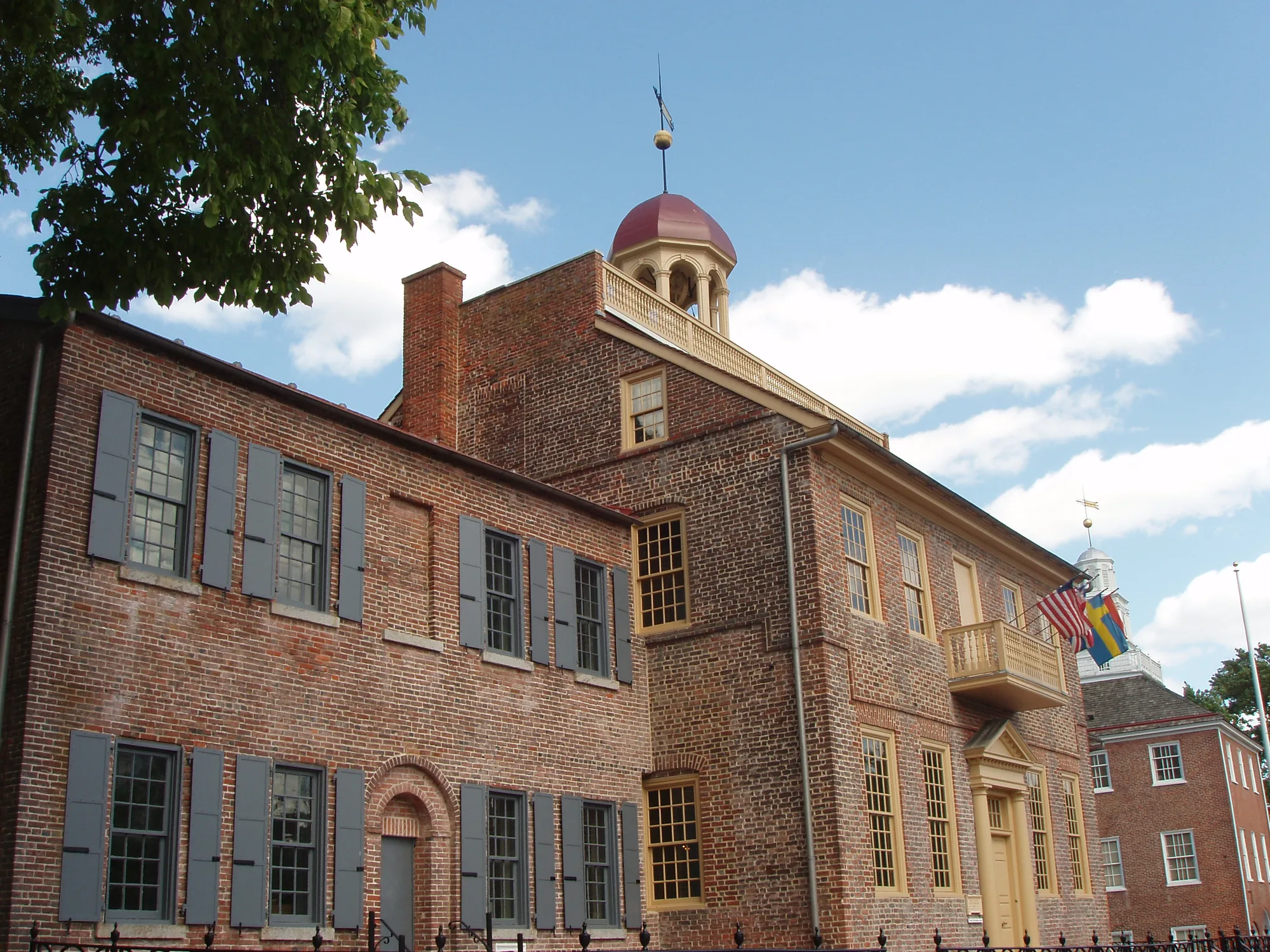
2. New Castle Court House Museum
The New Castle Court House, built in 1732, served the courts and assembly of the Three Lower Counties of Pennsylvania and later became Delaware’s first state house. In 1776, representatives meeting here declared separation from Pennsylvania and Great Britain. Today, the state-operated museum interprets the building’s long civic life through guided tours and exhibits.
The courthouse also tells the story of Thomas Garrett and John Hunn, who were tried for helping freedom seekers escape slavery. Ask about interpretation of the Underground Railroad and the people whose courage and lives are part of that history. It is a chance to look beyond dates and architecture to the choices and risks faced by individuals.
The museum offers guided tours, and schedules can change for private events. Admission is free according to the operator, but calling ahead is wise. The first floor is accessible; visitors who need the accessible entrance can contact the museum before arriving.
3. New Castle Green
The Green gives the historic district a natural center. The courthouse and other civic buildings frame this open space, where travelers can pause between tours and get their bearings. It is also a useful place to consider how an open town center served as a setting for government, commerce and community life.
The National Park Service identifies the Green as part of a historic landscape shaped by multiple communities over time. As you look around, notice how public space and buildings relate to each other rather than trying to fit the town’s history into a single era. The Green remains part of a living city, so take care around roads and other visitors.
Outdoor spaces may be available when museums are closed, but individual buildings have separate schedules. If you are visiting for a specific program or event, verify it with the responsible organization in advance.
4. The Arsenal Visitor Center
The New Castle Historical Society’s visitor center at the Arsenal is another helpful stop for maps, local orientation and information about its house museums. The society also offers a self-guided walking tour, making the center a good choice for travelers who enjoy exploring at their own pace.
If you plan to visit the Amstel House or Dutch House, ask about tour times and tickets here. Both operate on schedules that vary with the season, and special events can change normal arrangements. Confirm the latest information directly with the historical society rather than relying on an old itinerary.
Leave room in your schedule for a relaxed walk between stops. The town is compact, but uneven historic surfaces, weather and the timing of guided tours can make the day move more slowly than expected.
5. Amstel House
The historical society dates the Amstel House to the eighteenth century and interprets it as a historic house museum. A guided visit adds a domestic perspective to the civic history at the courthouse: how people arranged rooms, used objects and understood their place in the town can illuminate details that a street view alone cannot.
The museum also has a preservation story. Its appearance reflects choices made by later generations about how to present the past, including the Colonial Revival. That makes it worth asking not only who lived here, but how the house was preserved and interpreted over time.
Guided tours and tickets are managed by the historical society. Check its current season, opening days, pricing and accessibility before making the house a fixed part of the trip.
6. Dutch House
The Dutch House provides a second historic-home experience with a different scale and story. The historical society describes it as one of New Castle’s oldest surviving houses and traces its development as a museum as well as its earlier history. Touring both houses, when available, provides a useful comparison rather than a duplicate experience.
Historic interiors may have stairs, narrow spaces or other access limitations. Contact the operator in advance if those details matter to your visit. Photography rules and admission arrangements can differ between sites, so ask before taking pictures indoors.
Afterward, allow time for an unhurried walk through the historic district or a meal nearby. A successful day here does not require entering every building; the best itinerary is one that gives each stop the attention it deserves.
Planning Your Visit
The museum operators are independent, so compare their current calendars before setting off. The historical society lists the Old Library Museum as permanently closed; do not rely on older itineraries that present it as an open attraction. Bring comfortable shoes, watch for uneven sidewalks and check accessibility with each site. Street parking may be available near the courthouse; follow signs and local rules.