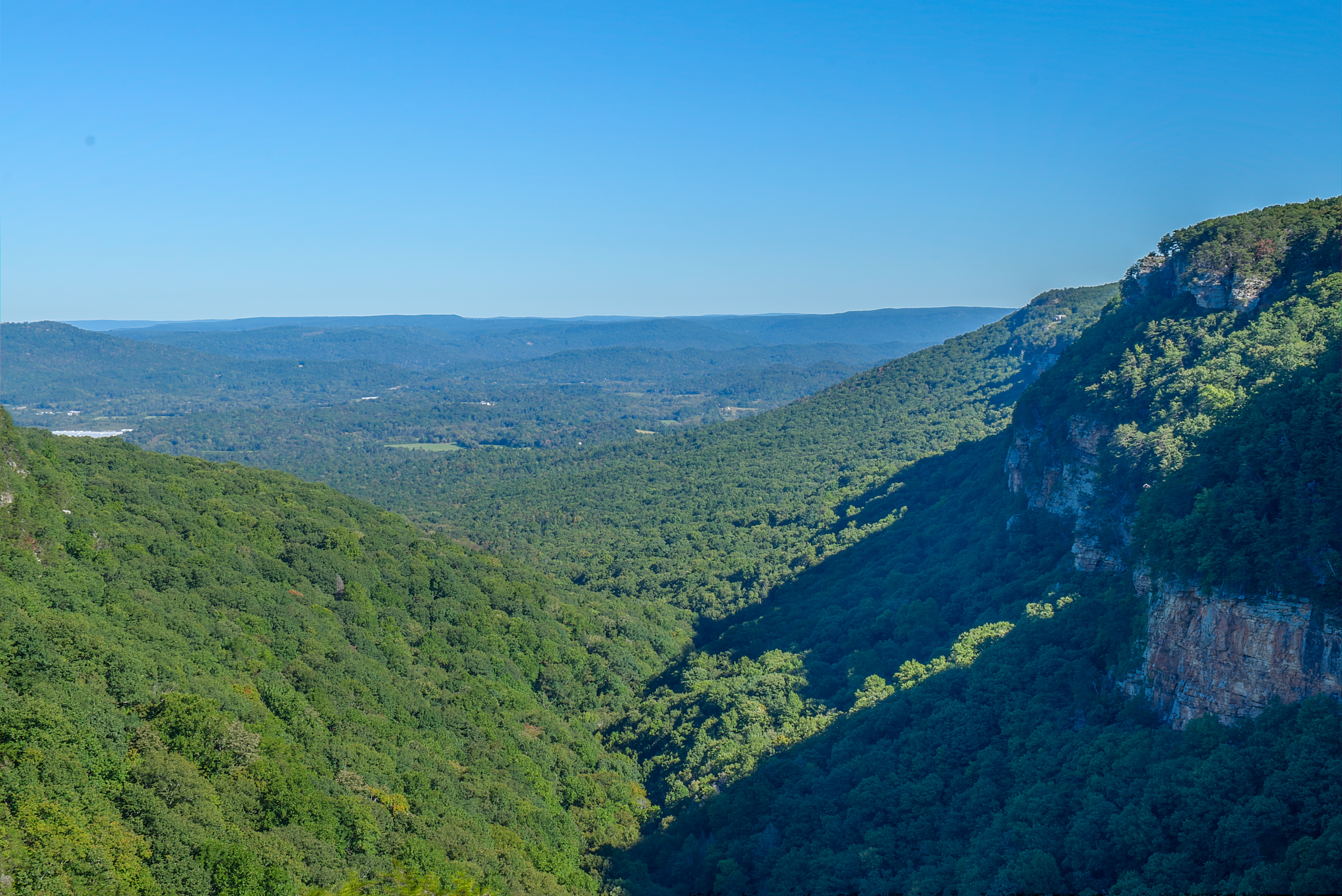
Georgia's coast is a patchwork of marsh, tidal creeks and islands shaped by the Atlantic. Some islands welcome visitors across a causeway, while others require a ferry, a guided trip or an experienced boat operator. The experience can change completely from one shore to the next.
These eight islands are not a single itinerary or a ranking. Some have public attractions and communities; others are managed for wildlife or have private property. Check access rules, tides, weather and reservations before leaving home, and respect the people and habitats that make each place distinctive.
1. Tybee Island: A Beach Town Near Savannah

Tybee Island is an approachable coastal getaway for visitors based around Savannah. Beaches, restaurants and local businesses make it possible to plan a relaxed day without arranging a boat trip. Choose a public beach access, then leave time for a meal or a walk through the community.
The island's lighthouse and museum add another dimension to a shoreline visit. Confirm current tour times and accessibility if you plan to climb, and check beach rules and parking arrangements for the specific access point you choose.

Tides, currents and weather can change the conditions you find. Check posted warnings, use designated crossings over dunes and give nesting birds and other wildlife plenty of room. On busy days, arriving with a parking plan can make the visit more pleasant.
2. Jekyll Island: Driftwood, History and Conservation

Jekyll Island offers several kinds of coastal day in one place. Driftwood Beach is known for weathered trees along the shore, while the historic district and other island attractions give visitors ways to explore beyond the sand.
Public parking near Driftwood Beach is available off Beachview Drive, according to the Jekyll Island Authority. Check tides and posted conditions before visiting; a beach that is easy to walk at one time can look very different when the water is higher.

The island is also a place to learn about coastal conservation. Give wildlife space, use established beach access points and follow current pet and parking rules. If you have more than a few hours, consider a walk or bike ride and a stop in the historic district rather than rushing between photo spots.
3. St. Simons Island: Public Beaches and a Lighthouse
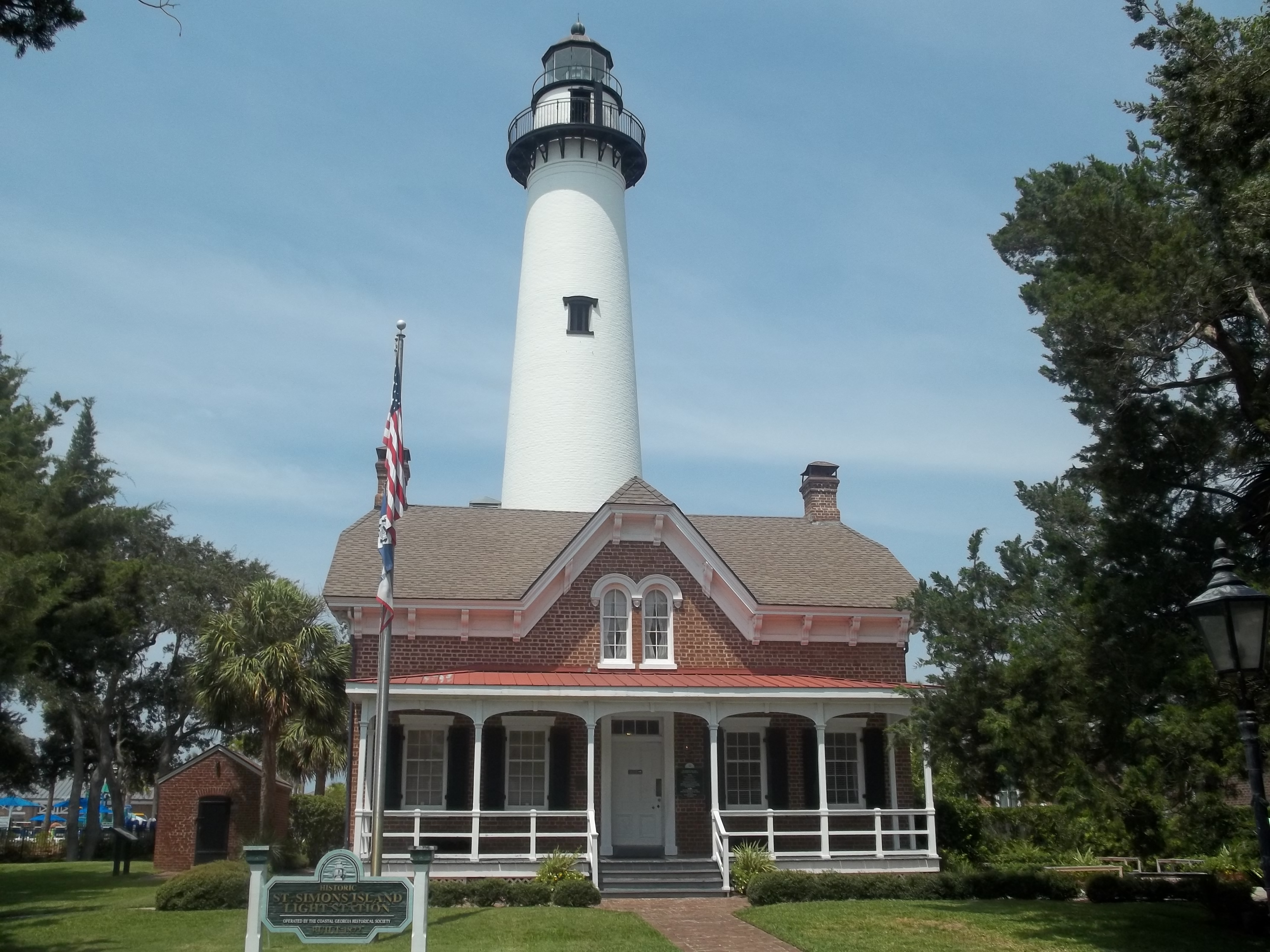
St. Simons Island combines public beach access with shops, places to eat and a lighthouse museum. It works well for a group whose interests differ: one person can plan a beach walk while another makes time for the island's history or a relaxed meal.
East Beach has several public access points. The Golden Isles visitor guide notes that the historic Coast Guard Station access has an accessibility mat to help visitors cross the sand. Check current conditions and available facilities before choosing where to start.

The tidal range can change the amount of beach available, and lifeguard coverage is seasonal and limited to certain locations. Check current safety information, supervise children and be aware of other beach users and wildlife.
4. Cumberland Island: A Ferry Trip Into a National Seashore

Cumberland Island National Seashore is reached by boat, with a concession-operated passenger ferry departing from St. Marys. The National Park Service recommends ferry reservations; schedules vary seasonally, and the boat does not carry cars.
Once on the island, visitors can walk through maritime forest, visit historic areas and spend time on the beach. There are no restaurants or shops, so bring lunch, water, sun protection and a bag for your trash. Plan around the return ferry and allow extra time to reach the dock.

The island is much larger than it looks on a map. Some northern historic sites are too far for most day visitors to reach on foot within the ferry schedule; an authorized guided tour is one option. Keep a safe distance from wild horses and other animals, and check the park's current accessibility information and reservation details.
5. Sapelo Island: A Living Gullah Geechee Community

Sapelo Island has deep cultural and ecological significance, including the living Gullah Geechee community of Hog Hammock. A visit is an opportunity to learn from residents and interpreters while respecting that this is a community, not simply a sightseeing backdrop.
There is no road to the island. Georgia's Department of Natural Resources says access can be arranged through approved tours, a private visit or stay arranged with a community resident, or other authorized reservations. Check the specific program and ferry arrangements before you travel; do not assume a ferry ticket alone grants access to every area.

The mainland visitor center is a useful place to begin learning about the island. Ask your host or tour operator about the day's schedule, permitted photographs and places to visit, and respect private property and the people who call Sapelo home.
6. Little St. Simons Island: A Guided Island Experience
Little St. Simons Island is a private island where access is arranged through the lodge. Its guided day trips introduce visitors to maritime forest, marsh and beach habitats with an island naturalist, while overnight stays offer another way to experience the setting.
The operator says reservations are required, and day trips run on a limited schedule with limited capacity. Check current availability, costs, age policies and accessibility before planning; this is not an island where visitors can simply arrive and explore independently.
Ferry travel is part of the experience. Pack according to the operator's guidance, consider the weather and expect to spend much of the day outdoors. Follow your guide's instructions to protect sensitive habitats and wildlife.
7. Cockspur Island: Fort Pulaski and the Marsh

Cockspur Island offers a different coastal stop: Fort Pulaski National Monument, reached by road between Savannah and Tybee Island. The fort, visitor center and trails provide a way to learn about the island's military history and the marsh landscape around it.
Begin at the visitor center and check current hours and any construction or trail notices. A lighthouse can be viewed from an established trail, but the lighthouse and the small island on which it stands are closed to public access. The north shoreline is also closed for ecological restoration.

Swimming and wading are prohibited within the monument's waters. Stay out of the marsh and respect posted boundaries. For a fuller visit, ask a ranger about programs that interpret both the fort's history and the coastal environment.
8. Wassaw Island: A Wildlife Refuge Reached by Boat
Wassaw National Wildlife Refuge offers an undeveloped barrier-island setting for wildlife observation and time outdoors. The U.S. Fish and Wildlife Service says the refuge is accessible only by boat and does not provide transportation, so visitors need their own suitable boat or a local charter arrangement.
This is a more self-reliant outing than a beach reached by road. Consult the refuge for current public-use rules and any managed-hunt closures, check tides and marine weather, and arrange a safe return before setting out. Do not assume facilities or services will be available.
The island provides important habitat for nesting sea turtles and shorebirds. Stay out of posted closed areas, give wildlife space, leave no trash and follow refuge rules, including restrictions on pets. A quiet visit helps protect the very qualities people come to see.
Before You Go
Confirm current access, weather, tides, fees, ferry schedules and return arrangements for each destination. Coastal conditions and closures can change quickly. Respect private property and living communities, use designated paths, avoid dunes and nesting areas, and never approach or feed wildlife.