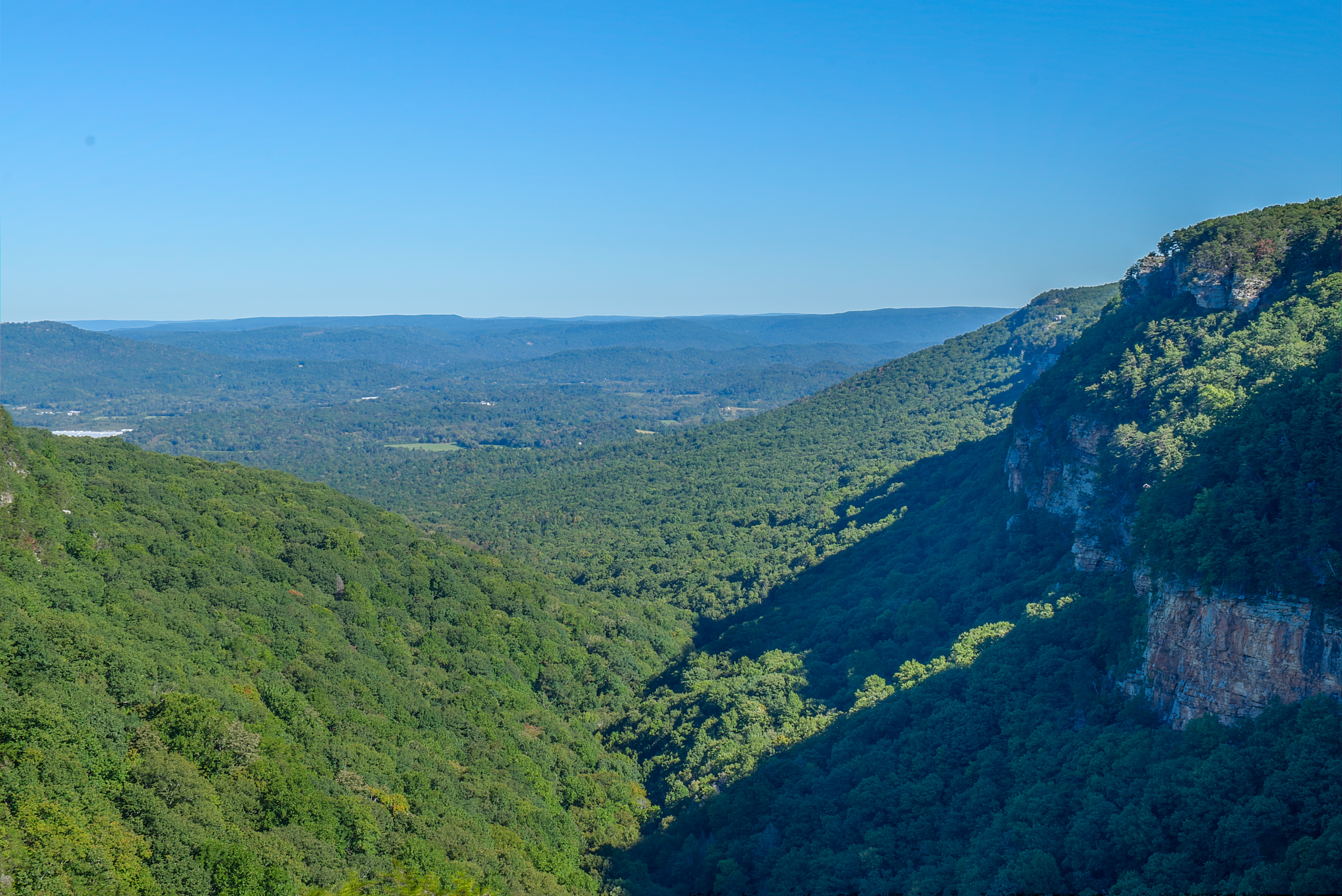
Georgia rewards travelers who are willing to leave the interstate without a tightly packed itinerary. A mountain railroad, a coastal fort, an old schoolhouse and a courthouse square can each turn a short stop into the beginning of a much bigger story.
These eight communities stretch from the Blue Ridge Mountains to the coast and south Georgia. They are not a ranked list; each offers a different reason to slow down. Check museum schedules and seasonal transportation before setting out, and leave room for the discoveries between the planned stops.
1. Dahlonega: A Mountain Square With a Complicated Gold-Rush Story
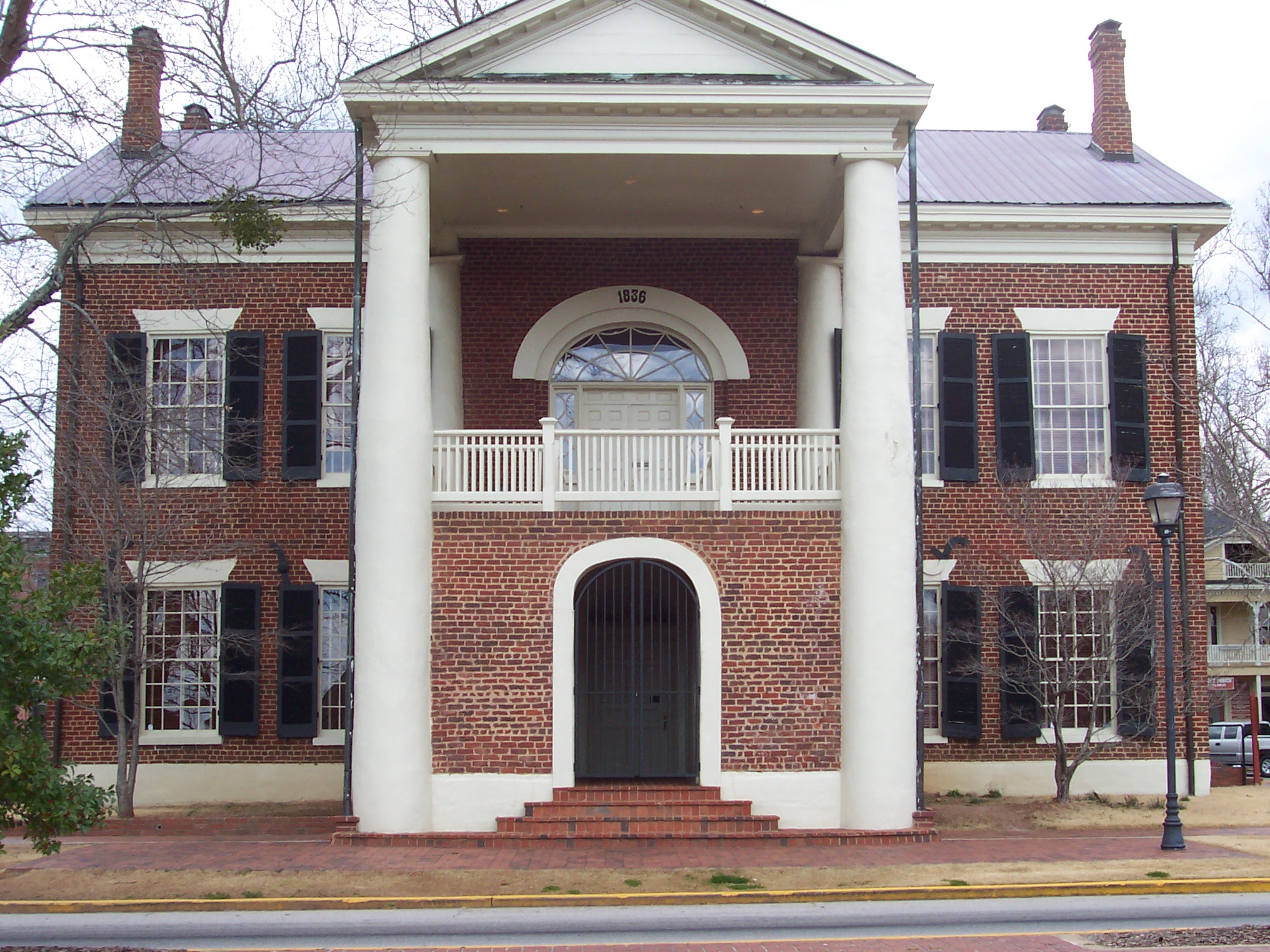
Dahlonega's compact square makes a satisfying first stop: browse the businesses around the old courthouse, then step inside the Dahlonega Gold Museum to learn why prospectors came to this corner of north Georgia. The museum occupies the historic Lumpkin County courthouse, with exhibits about the area's gold rush and the mint that later operated here.
The story deserves more than a glittering souvenir. Gold was discovered on Cherokee lands, and the rush helped intensify pressure on the Cherokee people as Georgia and the federal government pursued policies that stripped them of land and led to forced removal. Understanding that history gives a walk around the square a fuller meaning.

After the museum, linger over a meal downtown or use the town as a base for exploring nearby mountain roads. The museum's upper-floor exhibits require stairs; check its official accessibility and operating information before a visit. This is a good destination for travelers who like their scenery paired with stories that challenge a simple postcard version of the past.
2. Blue Ridge: A Train Ride and a Mountain-Town Stroll

Blue Ridge offers an easygoing combination: a walkable downtown and a railway journey that follows the Toccoa River toward the twin communities of McCaysville, Georgia, and Copperhill, Tennessee. The Blue Ridge Scenic Railway gives visitors a reason to settle into their seats and watch the landscape pass instead of navigating another mountain curve.
The railroad's schedule changes with the season, and popular departures can fill up, so look at the current timetable before making the trip. If a train ride isn't in the cards, downtown still makes a pleasant stop for browsing local shops and choosing a place to eat. Leave enough time for the kind of unhurried afternoon that doesn't require checking an attraction off a list every half hour.

Blue Ridge also works well as a base for exploring the surrounding mountains, but distances on a map can feel longer on winding roads. Pick one or two nearby outings and give yourself daylight for the drive. In fall, colorful foliage is a draw; in other seasons, the combination of river views and mountain air is reason enough to visit.
3. Thomasville: A Giant Oak and a Deeper Look at Local History

Thomasville's brick streets and independent downtown businesses invite a leisurely walk, but one of its most memorable landmarks is a tree. The Big Oak spreads its enormous limbs near the center of town, making a memorable stop before or after lunch. It is the sort of sight that is difficult to appreciate fully until you are standing beneath its canopy.
For a broader understanding of the community, make time for the Jack Hadley Black History Museum. Its collection tells stories of African American history locally and nationally, including the life of Henry Ossian Flipper, who was born enslaved in Thomasville and became the first Black graduate of the United States Military Academy at West Point.

The city's connection with roses adds another reason to come in the appropriate season. Consider the downtown, the tree and one museum as the framework for a visit, then leave a little flexibility for gardens or a restaurant that catches your eye. Museum opening hours can be more limited than a casual roadside stop, so checking ahead makes the day easier.
4. Darien: River Views and Layers of Coastal History

Darien gives travelers a different view of Georgia's coast: riverfront scenery, historic streets and a story shaped by Indigenous communities, European colonization and the timber trade. Start with the town's self-guided walking tour, then find a place along the waterfront to pause and take in the setting.
Fort King George State Historic Site adds another chapter. Its reconstructed fort and museum interpret the area's history, including the Guale people, a Spanish mission, the British colonial fort, the Scots of Darien and the region's later sawmilling industry. That range of subjects makes it a useful stop for anyone who wants to understand the coast as more than a backdrop for a vacation photograph.

The fort is a reconstruction, so the experience is best approached as an interpretation of the site rather than an unchanged colonial outpost. Give yourself time for both the museum and the grounds, and check current hours before you go. For a relaxed day, pair the history with a locally prepared seafood meal, if available, and an unhurried look at the river.
5. Madison: Historic Houses With More Than One Story to Tell

Madison's historic streets reward a slow walk, with architecture from different periods and a downtown that encourages travelers to park once and explore on foot. A walking-tour guide can help turn a pleasant stroll into a look at how the town developed over time.
The Rogers House and Rose Cottage are a particularly useful pairing. The house museum offers a window into nineteenth-century domestic life, while Rose Cottage preserves the story of a home built through the determination of a formerly enslaved woman. Together they invite visitors to think beyond the grandest buildings and consider the people whose experiences are often left out of a quick architectural tour.

The Morgan County African American Museum is another place to explore the region's history and culture. Check its current schedule and the house museums' tour arrangements before visiting; small museums may not keep the same hours as downtown shops. A good Madison itinerary leaves time for both the attractive streetscape and the people and institutions that give it context.
6. Plains: A School, a Depot and a Presidential Childhood

Plains is small enough that the places associated with Jimmy and Rosalynn Carter feel connected to the community around them. Begin at the former Plains High School, now the visitor center for Jimmy Carter National Historical Park, where exhibits introduce their lives and public service.
The Plains Depot served as Jimmy Carter's 1976 presidential campaign headquarters. A separate part of the park, the Boyhood Farm outside the town center, offers a view of the rural world in which he grew up. The National Park Service provides self-guided experiences at these sites; confirm current hours and access before planning your route.

It is worth allowing time to travel between the locations rather than assuming everything is on one block. A visit can be as simple as the school and a walk downtown or as expansive as a trip that includes the farm. Either way, the scale of the town gives visitors an unusually tangible way to connect a national story to the places that helped shape it.
7. Milledgeville: Georgia's Former Capital at Walking Speed

Milledgeville was planned as a capital city and served as Georgia's capital for more than six decades. Today, the street layout, historic buildings and Statehouse Square make that civic past visible to someone willing to explore on foot. Pick up the self-guided walking-tour information at the visitor center and choose the stops that interest you most.
Georgia's Old Governor's Mansion adds an indoor perspective on the period. A tour can illuminate political life and domestic work in the former capital, but the building's history also belongs to the enslaved people whose labor supported it. Ask about interpretive materials and tours that explain those lives as well as the lives of the governors who lived there.

Rather than racing from building to building, consider dividing your time between the mansion and a manageable section of the walking route. Check opening times for interior tours, and remember that a historic building's exterior may be visible even when its interior is closed. Downtown is a convenient place to regroup over a meal before continuing the walk.
8. Washington: A Town Square With Room to Wander

Washington, in Wilkes County, offers the pleasures of an old town square without requiring a complicated itinerary. Start at the Washington-Wilkes Welcome Center for local information, then wander around the square and nearby streets, looking at the different generations of commercial buildings and houses.
The Washington Historical Museum, housed in a nineteenth-century building, presents artifacts from the community and county. Another option is the Robert Toombs House Historic Site, which interprets the life of the politician and Confederate leader as well as the enslaved people whose labor sustained the household and plantation. Check hours for either site before making it the centerpiece of a trip.

Washington's appeal is the freedom to set your own pace. One traveler might focus on a museum, another on the architecture and a stop in a local shop. The most rewarding visit combines a pleasant walk with curiosity about the difficult parts of the history, too. Before leaving, ask locally about a walking guide or another historic site open that day.
Before You Go
These towns are spread across Georgia, so they work best as separate day trips or as part of a longer, carefully planned route. Confirm current hours, admission fees, accessibility and seasonal schedules directly with each attraction. Historic sites may have stairs, uneven paths or limited tour availability, and mountain and coastal weather can change a day's plans.