Put a photograph of Providence Canyon beside one of the Okefenokee and the difference is startling. One opens into layers of warm-colored earth. The other invites you to follow dark water into a wetland landscape. Both belong to a Georgia park trip, but they ask you to travel at very different speeds.
That variety is the reason for this list. These seven parks offer more than interchangeable picnic stops: there are canyon overlooks, a protected granite mountain, a coastal fort, and a spring house with a long history. Choose according to what you want to spend time doing, whether that means a guided outing, a scenic walk, or a day that mixes landscape and history.
They are spread across the state, so this is a collection of getaway ideas rather than a single weekend route. Start with the region you will already be visiting, check the park's current notices, and build your day around one experience that matters to you. A place becomes more memorable when you have time to understand what you are looking at.
1. Providence Canyon State Park — Lumpkin
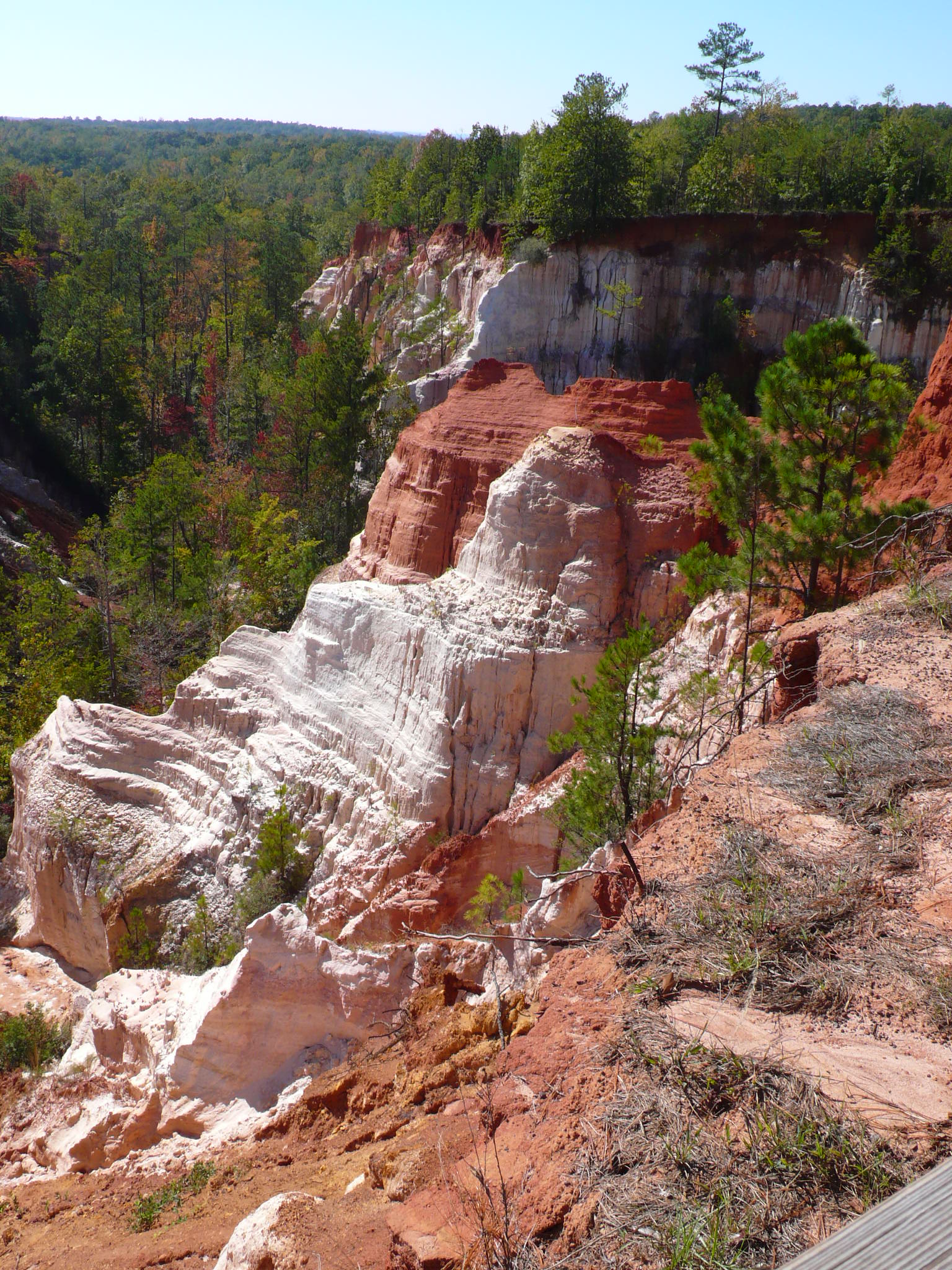
The colors are the first surprise: pink, orange, red, and purple soils give the canyon walls a layered appearance that changes with the light. From the rim, the gullies form a landscape that seems much larger than the walk you took to reach the view.
The second surprise is the history. These gullies, some reaching roughly 150 feet deep, are associated with damaging farming practices in the nineteenth century. That makes the view a lesson in how quickly people can change a landscape as well as a reason to bring a camera. It is worth reading the interpretation before treating the canyon as simply a miniature version of somewhere out West.
Begin with the rim views and decide whether a longer hike suits your group. The deeper canyon routes commonly have a thin layer of water underfoot, so choose shoes with that in mind. Stay behind barriers and off the fragile walls; the formations that make the photographs striking are also vulnerable to collapse. A well-chosen viewpoint and a patient look at the colors can be the heart of the visit.
2. Cloudland Canyon State Park — Rising Fawn
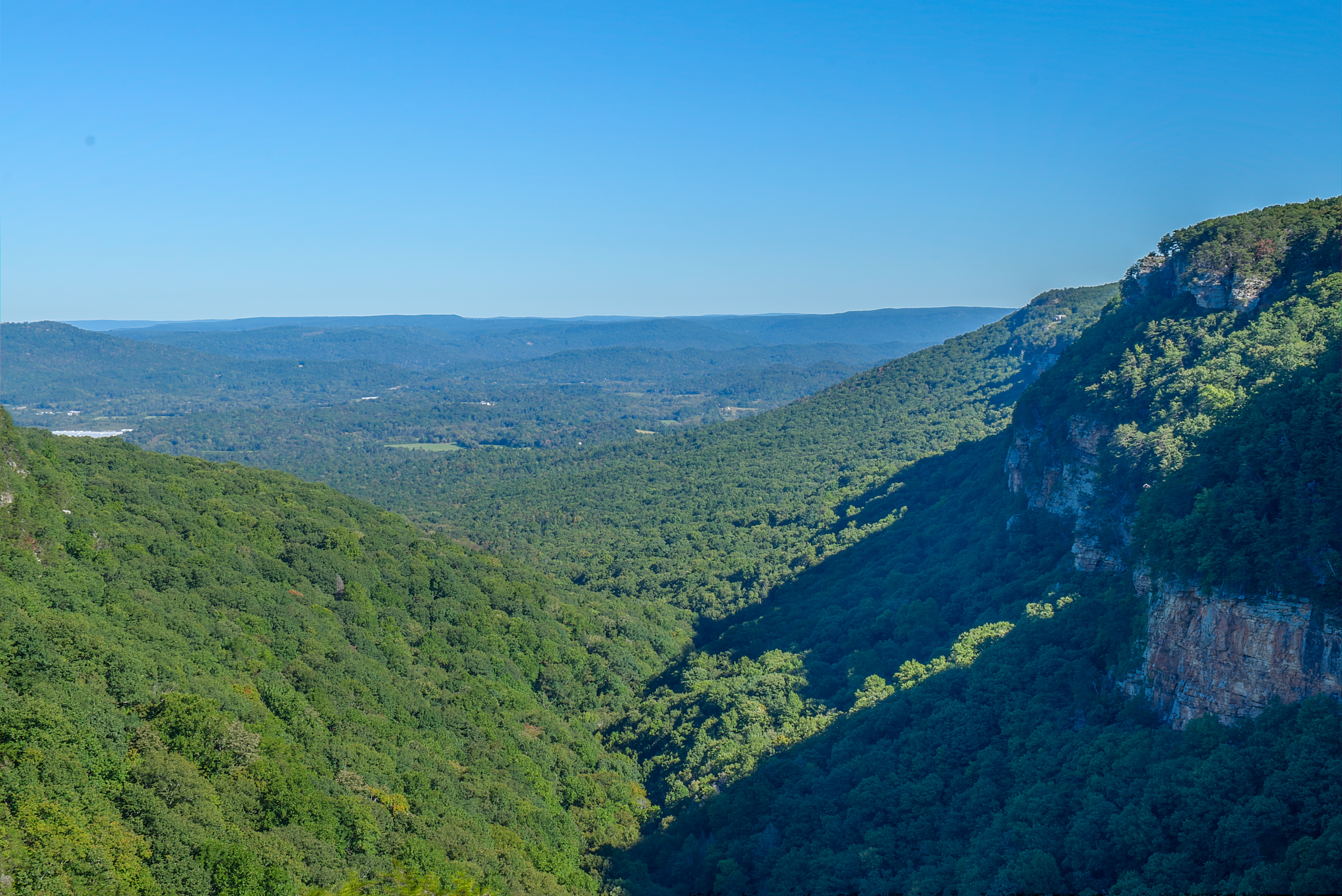
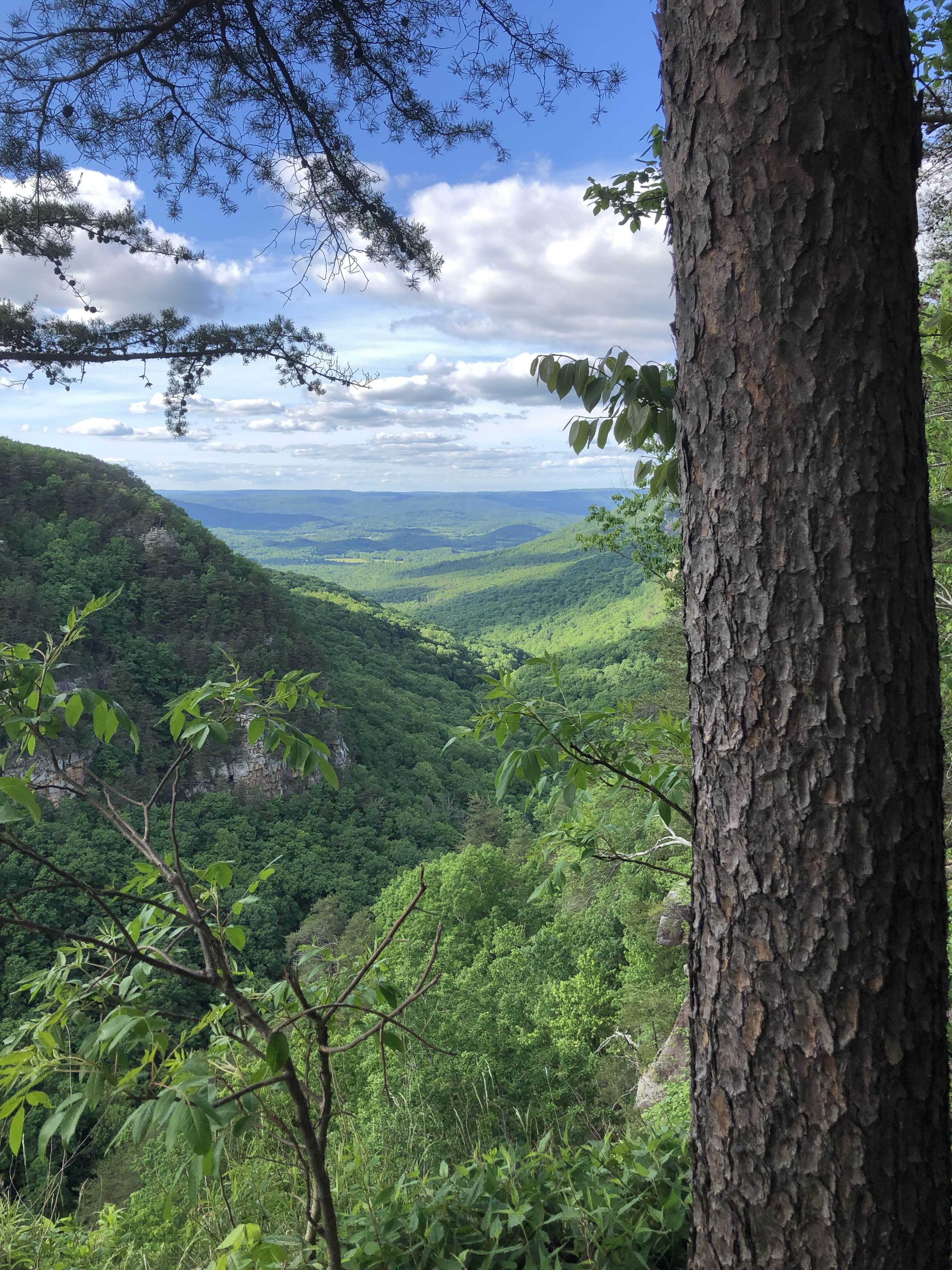
Cloudland Canyon offers a different scale of drama on the western edge of Lookout Mountain. Here, wooded slopes and sandstone cliffs frame a deep canyon, and the view is as much about distance as detail. Give yourself a moment at the overlook before deciding where to walk next.
The park distinguishes between the short Overlook Trail, the moderate West Rim Loop, and the strenuous Waterfalls Trail. That is a useful way to organize the visit. You can come for a canyon view without committing to the staircase-heavy outing that waterfall photographs often encourage. Choose a route for the people actually making the trip, with enough energy left for the return.
An overnight stay offers another way to slow things down, with cottages, yurts, and several camping styles available by reservation. Check current arrival instructions: the park reports entrance road work and a temporary visitor center at the Group Lodge while construction continues. Leave room in your schedule for those practical details, then let the canyon set the pace. The biggest view does not require the busiest itinerary.
3. Okefenokee State Park — Near Fargo
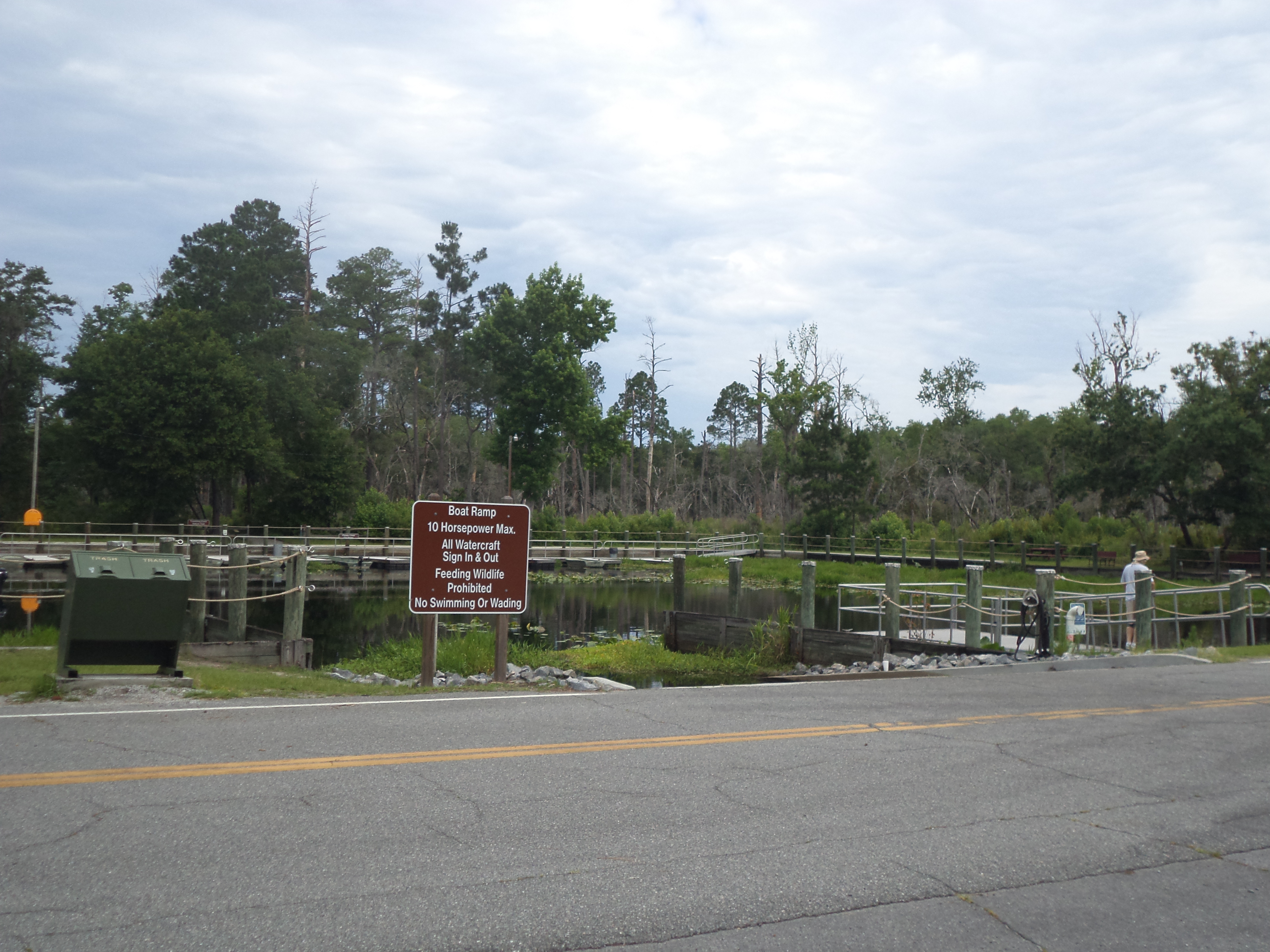
If an older map calls this Stephen C. Foster State Park, you have found the same place. Georgia renamed it Okefenokee State Park effective September 1, 2026. It remains the western entrance to the Okefenokee National Wildlife Refuge near Fargo, a useful distinction when planning a trip to a wetland with several visitor entrances.
Water is central to the experience. Guided boat tours and paddling opportunities offer ways to explore that are different from a conventional trail walk, while birdwatching and photography reward a slower approach. A guided outing can be especially useful for a first visit: you can concentrate on understanding the landscape instead of making every navigation decision yourself.
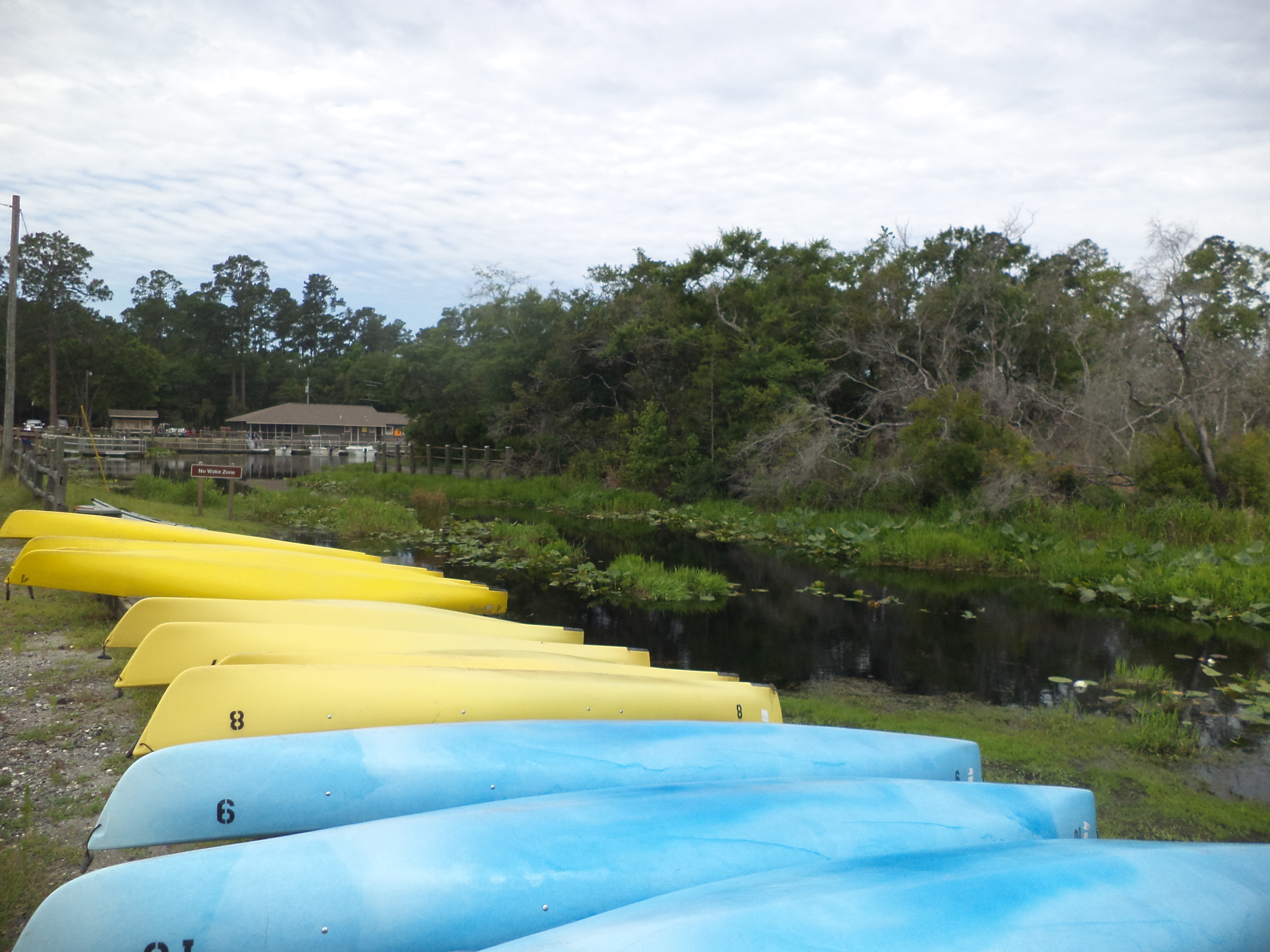
Check boat-tour arrangements before driving out, and remember that pets are not permitted in boats, including private vessels. Overnight plans need care too: the park currently reports cottage construction, with the separate Suwannee River Eco-Lodge in Fargo remaining a lodging option. Its dark-sky designation makes a clear night appealing, but weather, moonlight, gate hours, and an actual overnight plan all matter. Treat the remoteness as part of the trip to prepare for, not just part of the romance.
4. Fort McAllister State Park — Near Richmond Hill
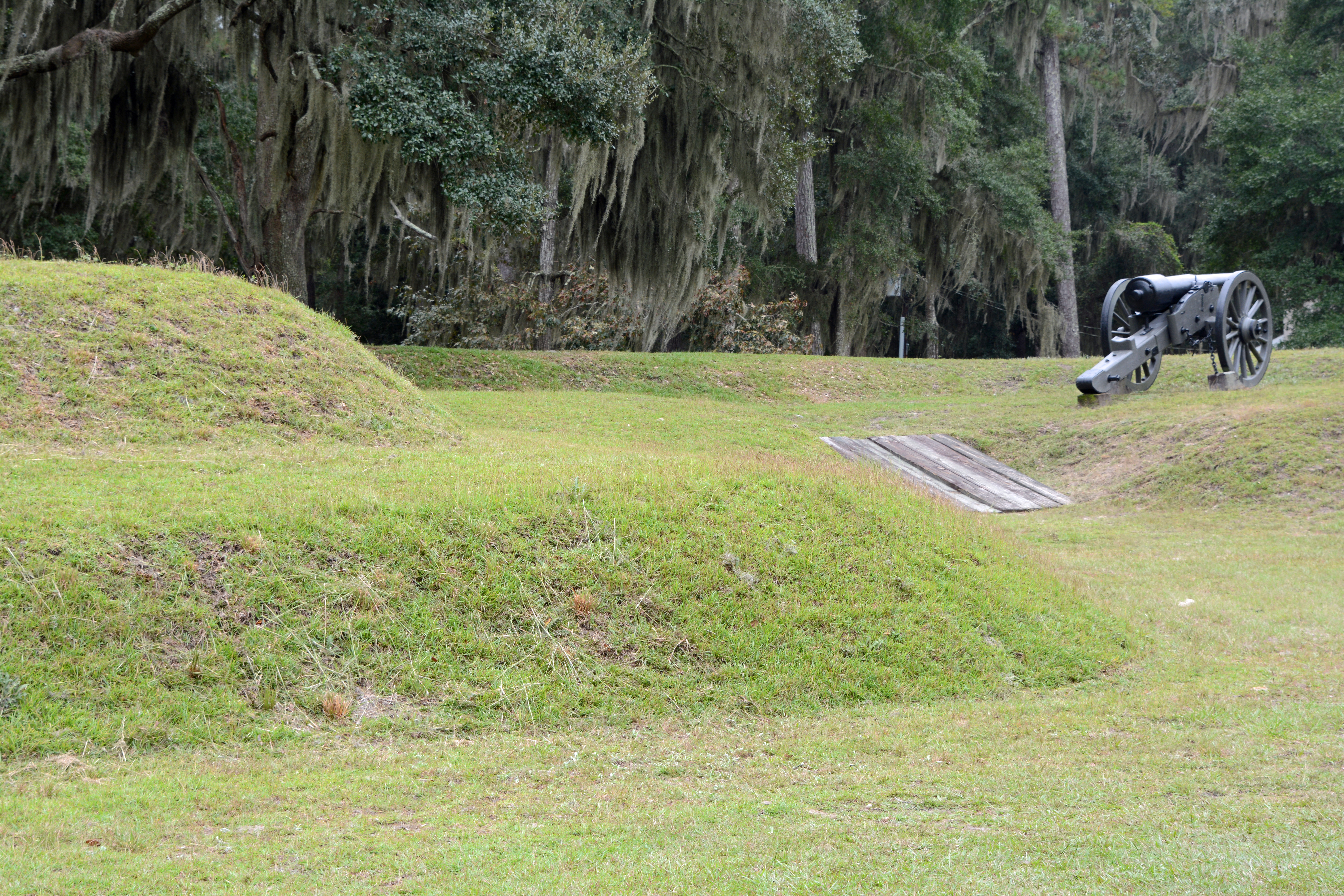
Live oaks, Spanish moss, and salt marsh give Fort McAllister a coastal character before you begin exploring its military history. On the Ogeechee River south of Savannah, it offers a way to spend time in the coastal landscape without organizing a beach day.
The fort is an earthwork fortification, so the experience differs from walking through a brick fortress. Cannons, defensive works, and surviving features become easier to understand after time in the museum. The site interprets a Confederate position that fell to Union forces in 1864, at the end of Sherman's March to the Sea. Read the history with the same attention you give the river view; neither needs to be reduced to a backdrop for the other.
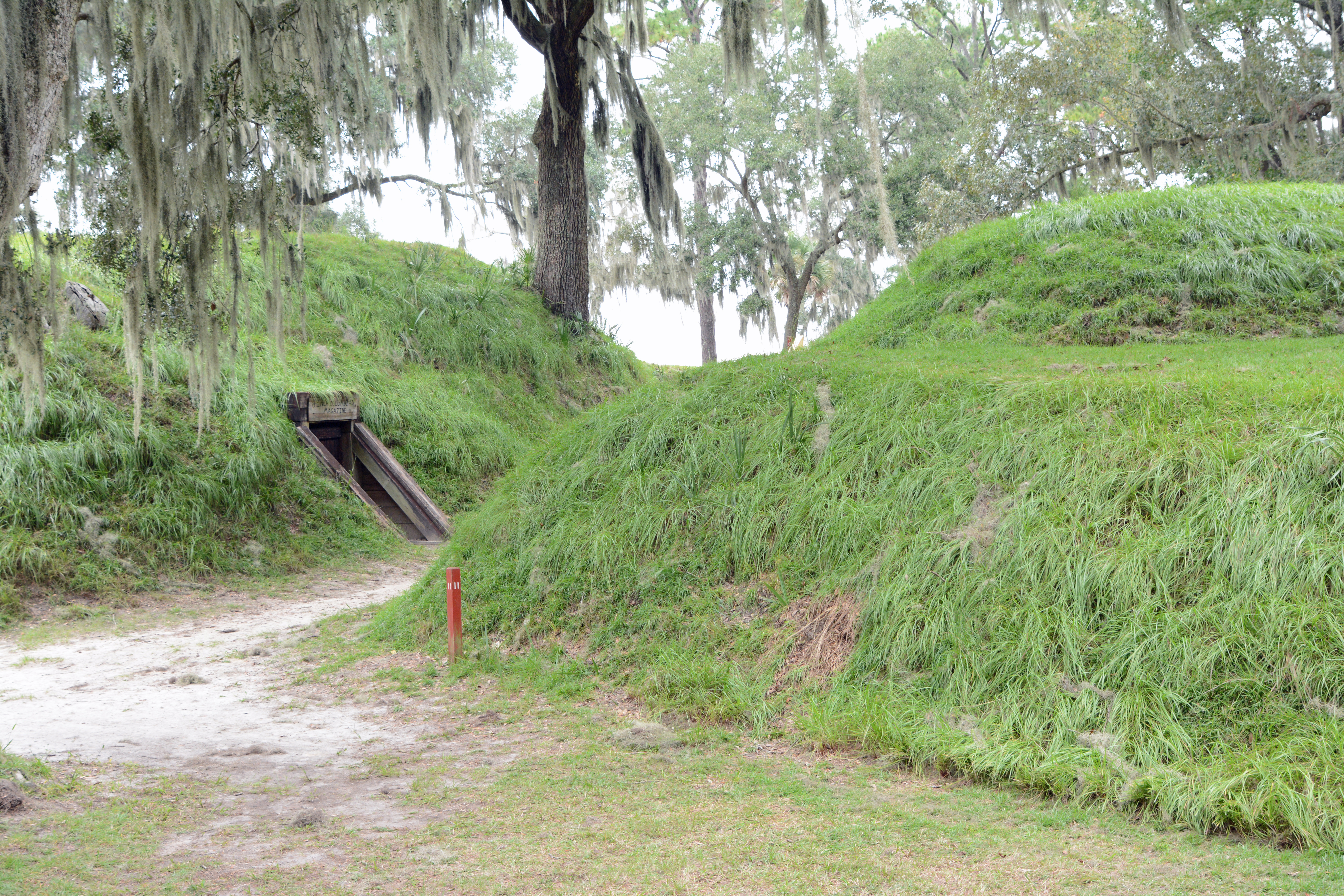
After the fort, leave time for the park's natural setting. A picnic with a river view or a walk along a nature trail can give the day a second chapter. Check fort admission and museum hours separately from general park access. If you plan to paddle or fish, make those arrangements deliberately rather than assuming a scenic stretch of water is automatically a suitable launch or an unrestricted fishing spot.
5. Indian Springs State Park — Flovilla
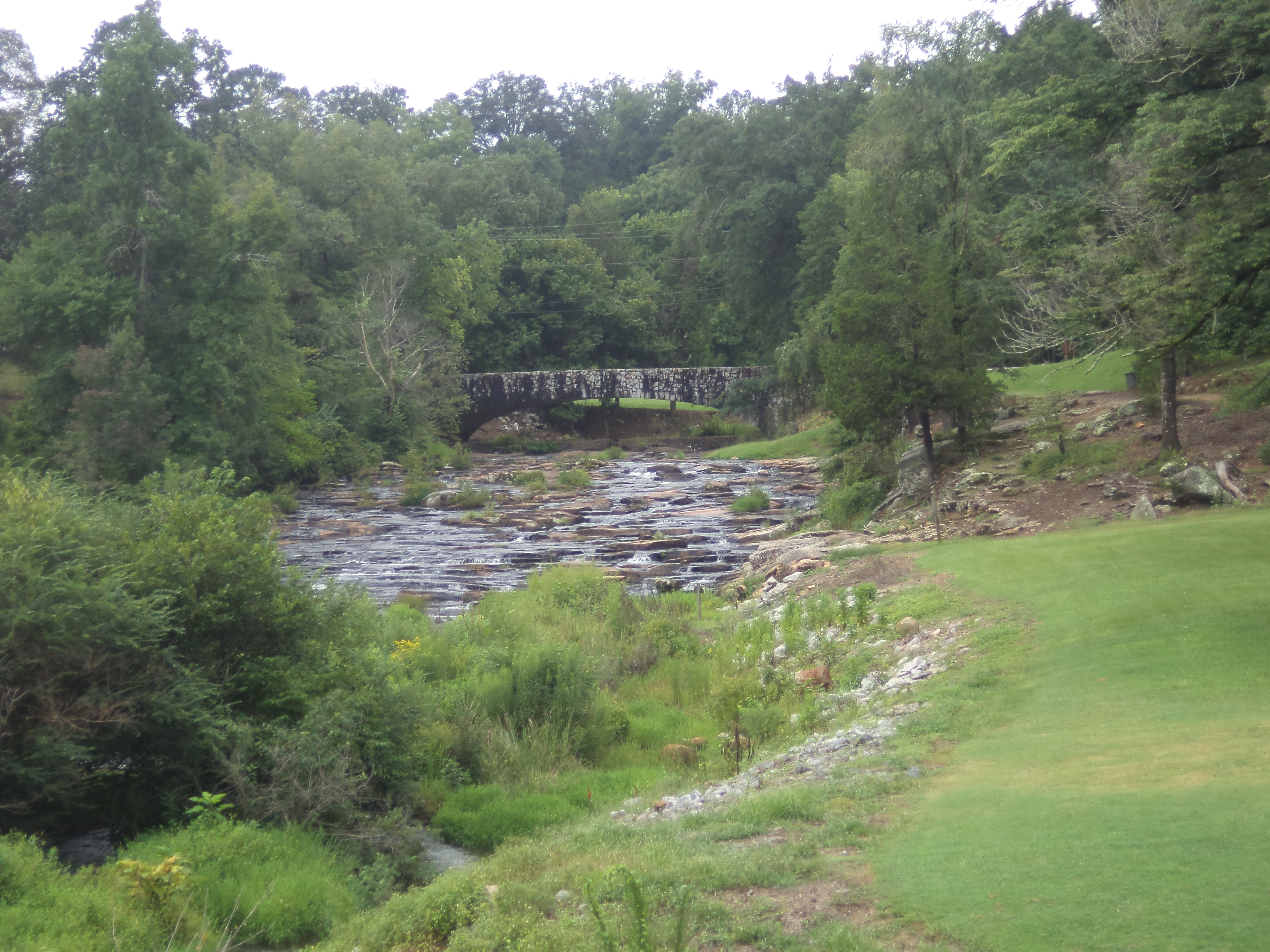
At Indian Springs, a modest stone building can be the most interesting stop of the day. The Civilian Conservation Corps built the Spring House during the Great Depression, but people had been drawn to the mineral spring long before that structure existed.
The park's story includes Muscogee (Creek) use of the spring and the nineteenth-century resort era. Visit for that history and the setting, without treating historic beliefs about the water as a promise of health benefits. The distinctive sulfur smell is part of the spring's mineral character and part of what makes this stop different from a typical woodland outing.
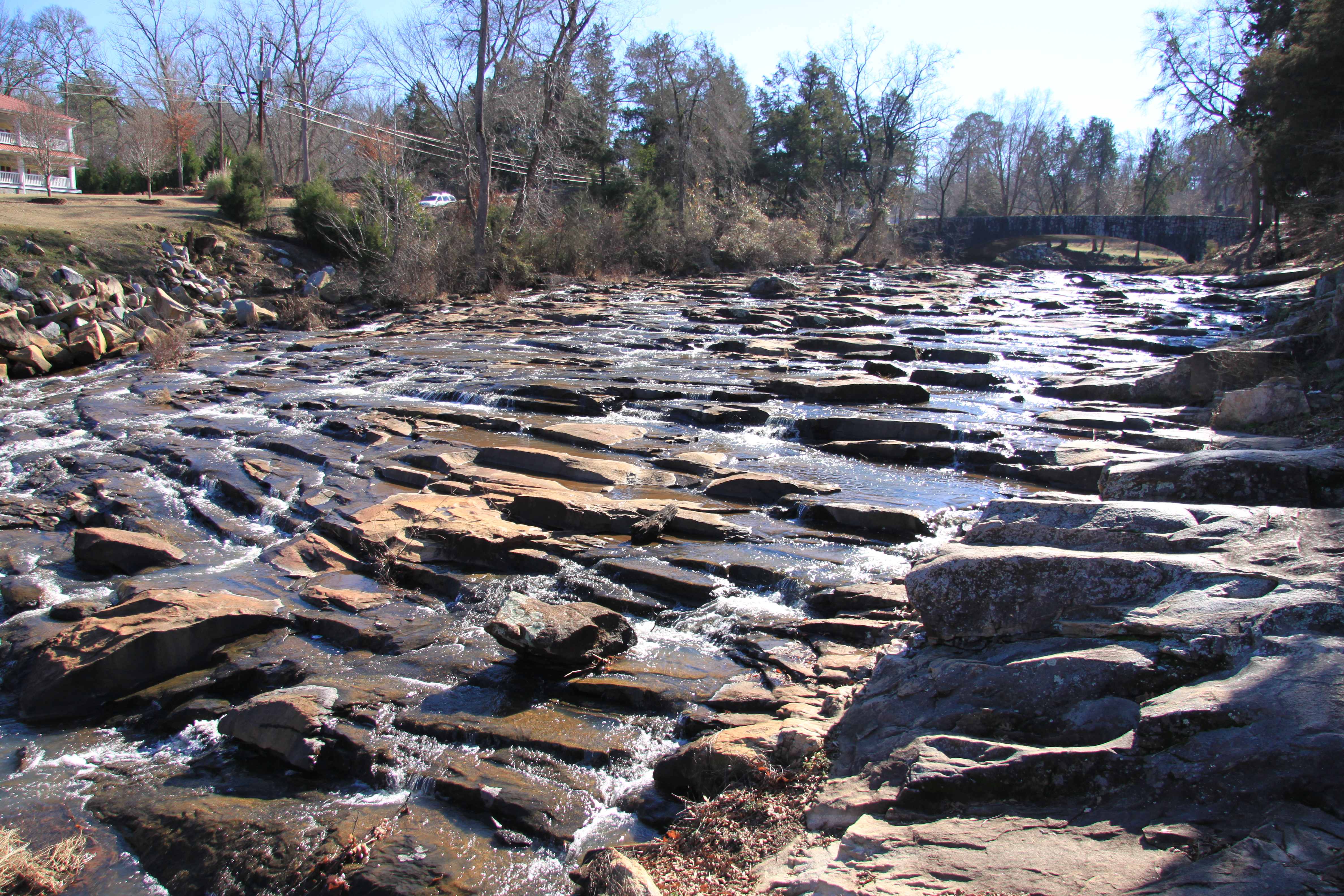
The small museum, when its seasonal schedule allows, provides another way into the story. Then choose a nature walk or a picnic, rather than making the spring house the entire visit. The park also offers cottages and camping for a longer stay. Located near I-75 in middle Georgia, it can work as a planned break in a journey, but a proper pause is more rewarding than a hurried dash between the parking area and the spring. Let the old resort history supply a reason to linger.
6. F.D. Roosevelt State Park — Pine Mountain
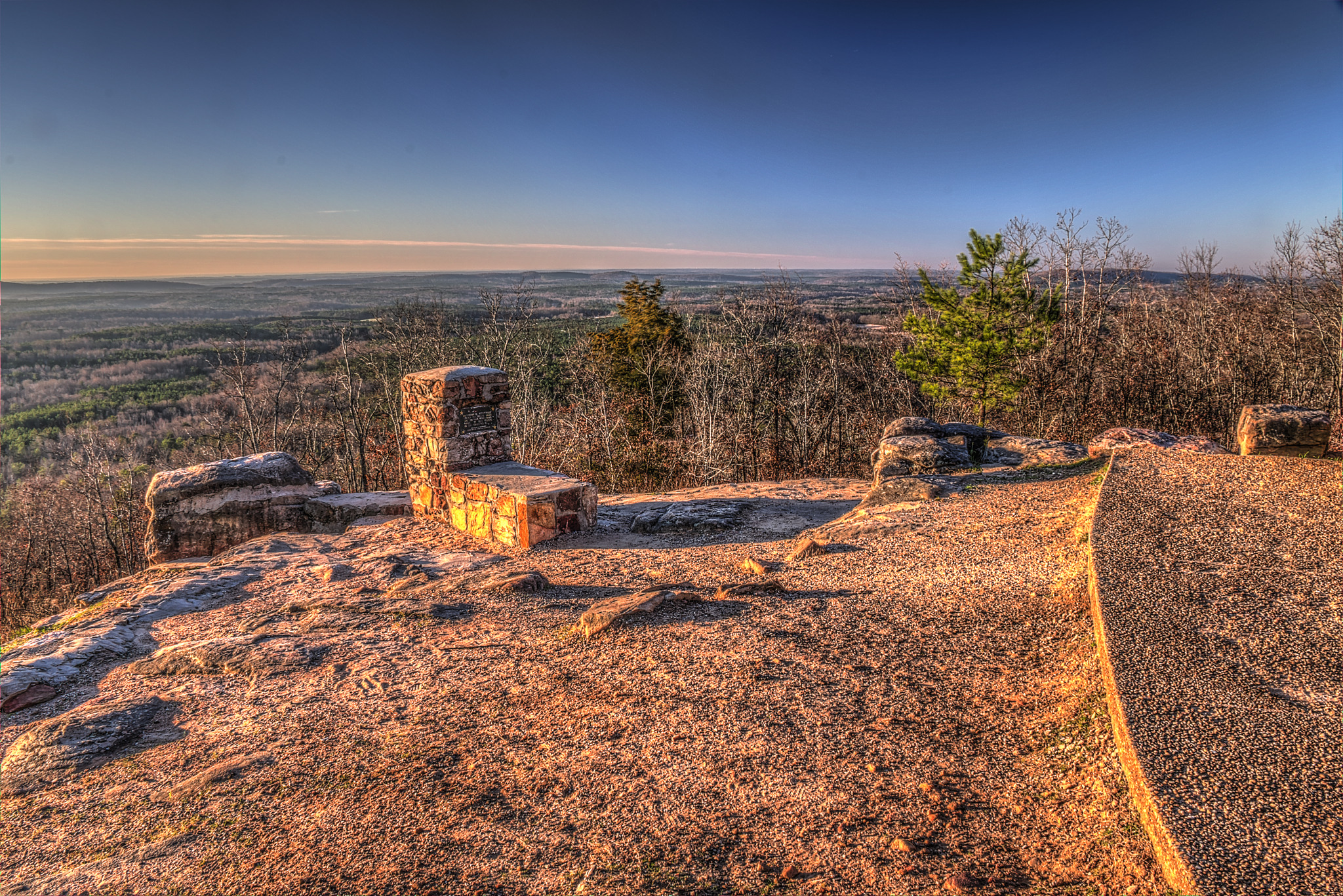
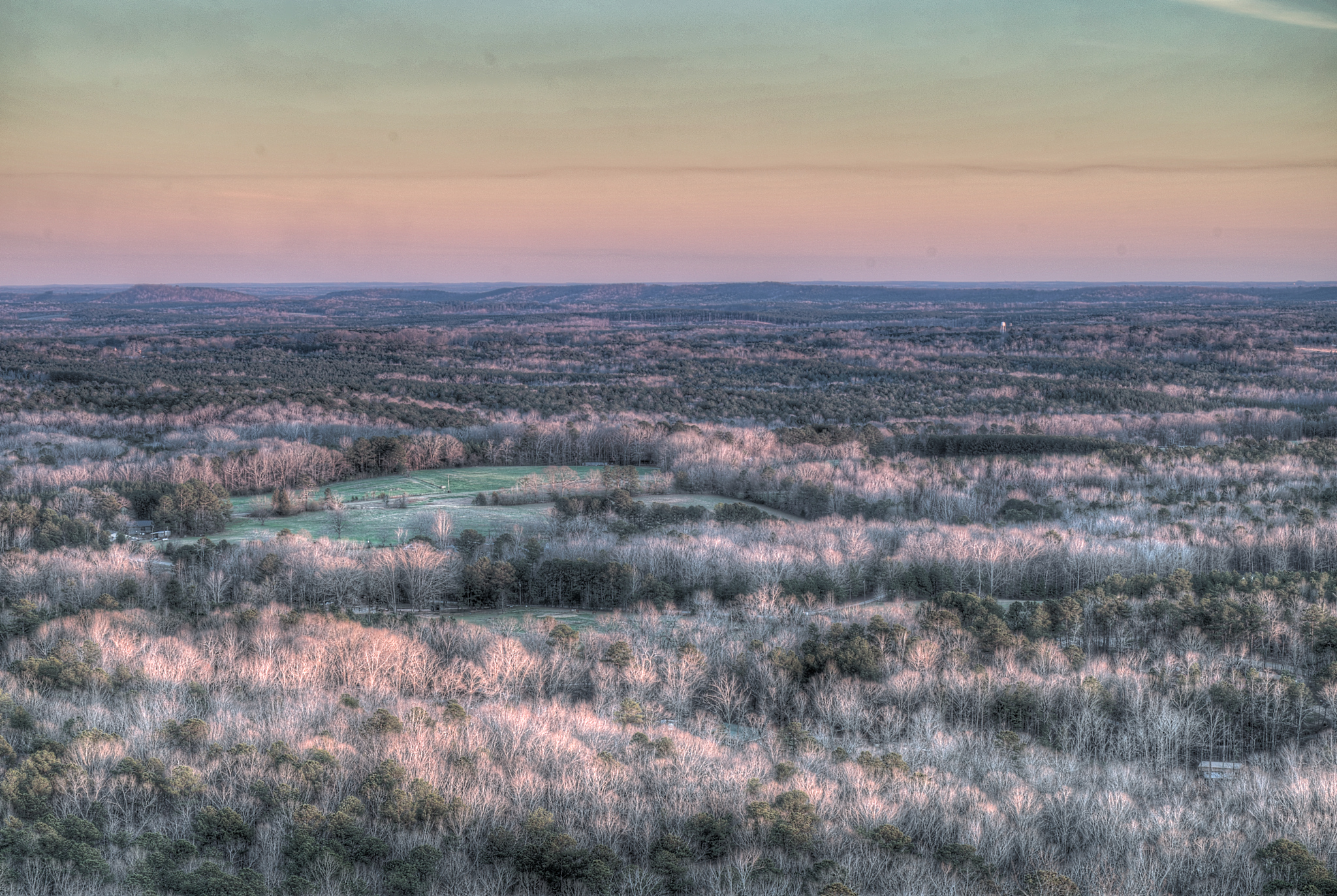
Dowdell's Knob is a place where a view and a historical association reinforce one another. The overlook faces Pine Mountain Valley, and Franklin D. Roosevelt came here for rest and picnics while staying near Warm Springs. His stone grill and a memorial statue help connect the broad landscape with a particular person and period.
Approach the overlook as a destination in its own right. There is plenty to consider in the sweep of land below, especially after learning why Roosevelt returned to this area. It is an appealing choice for travelers who enjoy history but also want time outside between indoor stops.
For a longer walk, research the Dowdell's Knob Loop and the wider Pine Mountain Trail system using the current park map. An overlook visit and a multi-mile loop are different plans; decide which one fits before setting off. Check the knob's own gate hours, which may differ from general park hours, and finish the walk with time to spare. A scenic stop is much more relaxing when you are not calculating whether you can reach the car before a gate closes.
7. Panola Mountain State Park — Stockbridge
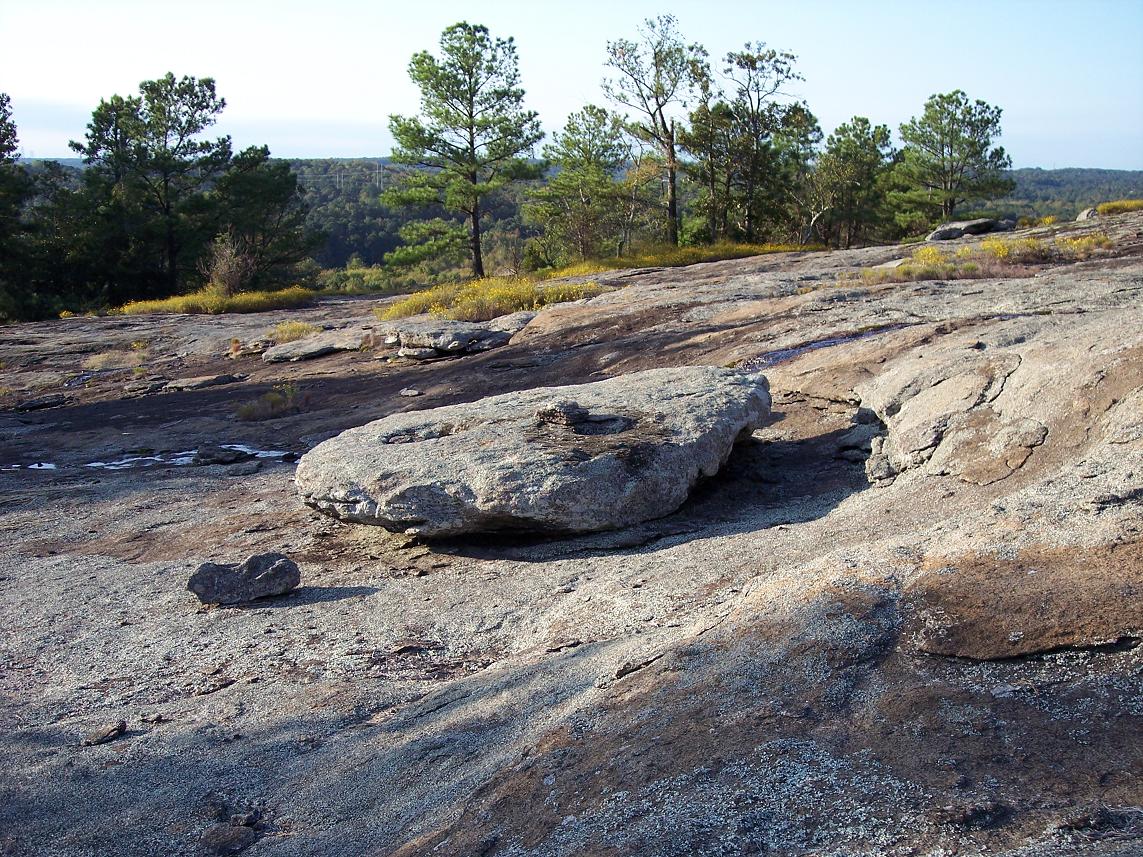
Panola's granite outcrop invites a closer look at a landscape that can seem bare from a distance. The interest lies partly in the details: the plants, animals, and small habitats that make a protected rock environment worth studying. This is a good park for visitors who enjoy having a guide explain what they might otherwise walk past.
Access to the granite mountain requires a ranger-led hike, with reservations. It is not a summit to add casually to an afternoon after arriving at the gate. The conservation area also excludes pets, though leashed dogs are allowed on other park trails. Those distinctions are worth knowing before choosing who and what to bring.
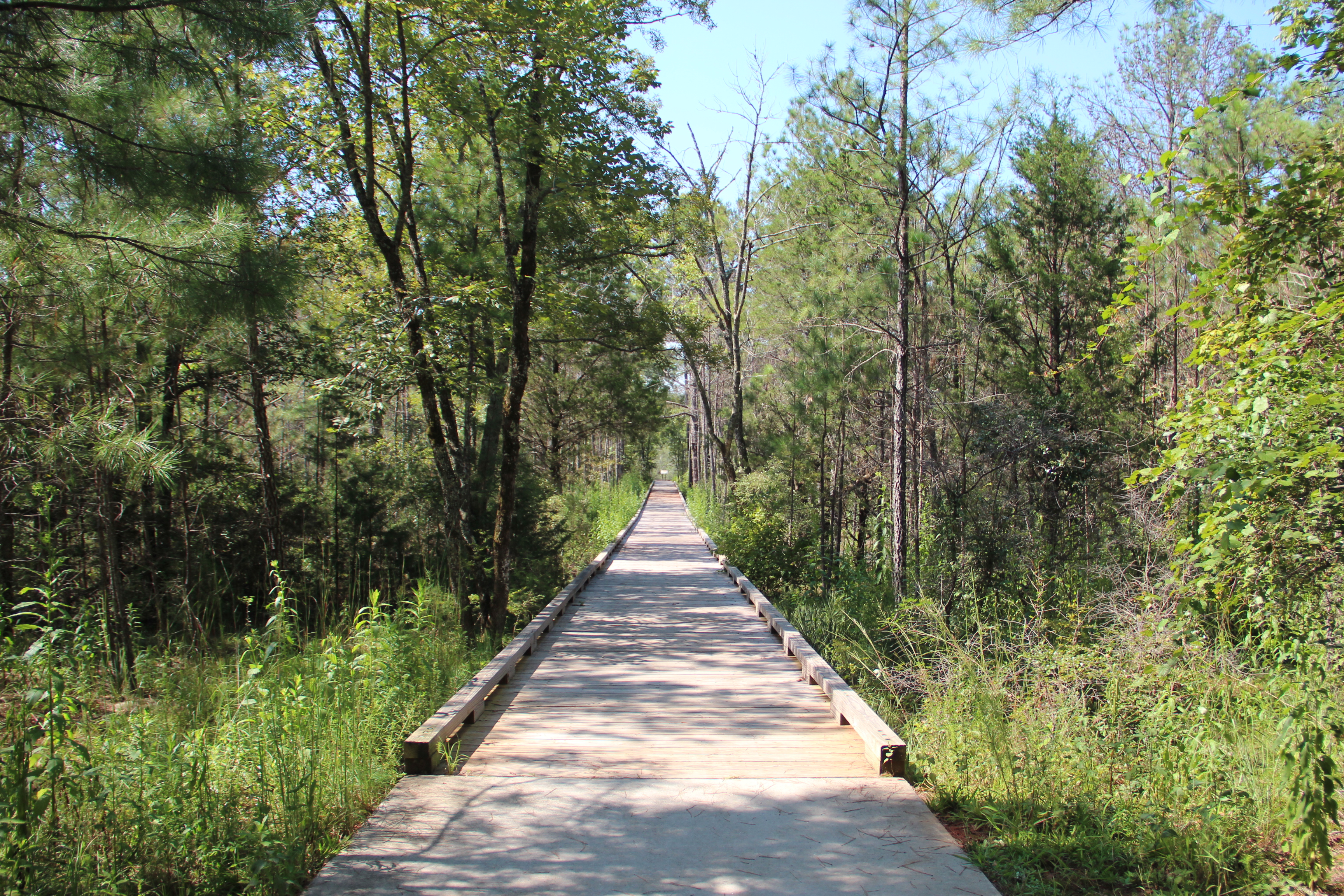
There are other ways to enjoy the park without entering the mountain conservation area. Paved routes support walking and cycling, while forest trails and a nature center give visitors further options. Choose one part of the park to understand properly instead of treating a guided hike as the only worthwhile experience. If the mountain is your priority, reserve first; if it is not, build a flexible day around the routes and facilities that suit your group.
Make the Landscape the Starting Point
For color and geology, begin with Providence Canyon or Panola. For a broad overlook, consider Cloudland Canyon or Dowdell's Knob. For water and wildlife, plan carefully around the Okefenokee. Indian Springs and Fort McAllister add different histories to an outdoor day, one centered on a spring and the other on the coast.
Before leaving, check current trail conditions, entrance fees, building hours, and any activity reservations. Lodging listings do not always mean every unit is currently available, and a park entrance time may differ from the hours of a museum or gated overlook. Save the current map and allow more time than the bare driving directions suggest. The point is not to see seven parks quickly. It is to find one that gives your next Georgia getaway a character of its own.


