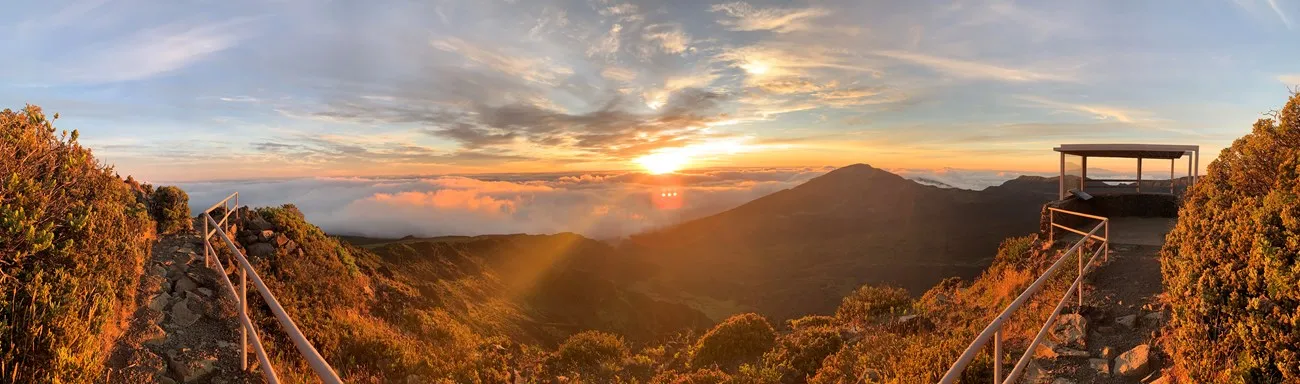
Sunrise at Haleakalā can be unforgettable, but the mountain asks visitors to plan for more than an early alarm. The summit on Maui reaches 10,023 feet, where cold, wind and fast-changing clouds can make the experience very different from a morning at the beach.
It is also a place sacred to Native Hawaiians. Arrive quietly, respect cultural practices and leave the landscape as you found it. These six points will help you plan a visit, whether you are hoping for sunrise or choosing a later, more relaxed trip.
1. Understand the sunrise reservation
The National Park Service requires an advance sunrise reservation for visitors entering the Summit District between 3 a.m. and 7 a.m. The reservation is for a specific date and is separate from the park entrance fee. The park directs visitors to Recreation.gov and explains its release schedule in the official sunrise FAQ.
Check the current requirements before booking, keep the confirmation accessible and bring the identification the park requires. Reservations are limited and can sell quickly; a reservation also does not guarantee a space at one particular overlook. Park staff close individual lots when they fill, so be prepared to use another open viewing area.
The reservation system has provisions for Native Hawaiians conducting traditional cultural practices. Consult the NPS FAQ for details rather than assuming the standard visitor process applies to every circumstance.
2. Plan for an early, winding drive
The mountain road takes longer than its distance might suggest. The park notes that the approximately ten miles from the entrance gate to the summit can take about 30 minutes on the winding road. Allow additional time to reach the gate from your lodging and to park, particularly in the dark.
Fill the fuel tank or assess your vehicle’s range before leaving: there are no fuel stations in the park, and the NPS says there are no electric-vehicle charging stations there. Drive at a controlled speed, watch for endangered nēnē on roads and pull over only where it is permitted and safe.
Download directions and the park map before setting out. If the driver is tired or the weather makes visibility poor, adjust the plan. A later visit can still offer remarkable scenery without forcing a dangerous pre-dawn drive.
3. Dress for a mountain, not a beach
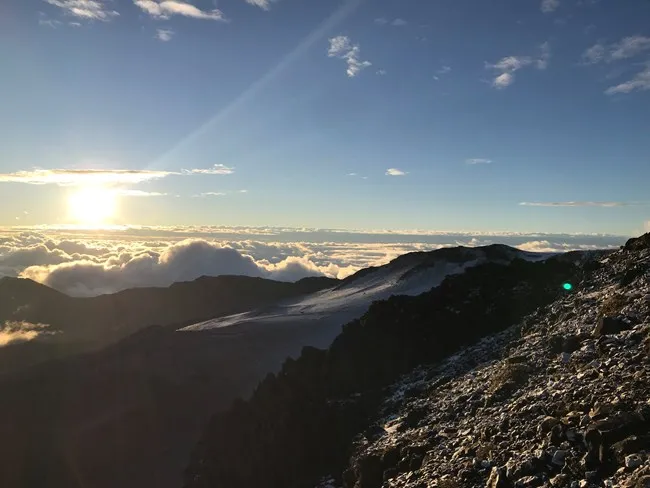
At the summit, temperatures can be much lower than at sea level and may drop below freezing. Bring warm layers, a wind-resistant outer layer, closed shoes and water. A hat and gloves can make a long wait more comfortable, while a flashlight helps on dark paths and in parking areas.
Clouds, rain and wind can arrive quickly, and a reservation does not guarantee a clear sunrise. The park does not exchange a reservation simply because clouds obscure the view. Set expectations with the group: the trip is a chance to experience the mountain’s changing light and conditions, not a promise of one photograph.
Weather can also affect a later visit. Check the NPS forecast and alerts before driving up, and be willing to turn around if conditions become unsafe.
4. Choose an overlook that fits your group
The NPS identifies four sunrise viewing locations, including Leleiwi, Kalahaku, the Haleakalā Visitor Center area and Puʻuʻulaʻula at the summit. Each offers a different view, and each parking area can fill. Leleiwi involves a short walk on rocky ground, while the visitor center area has accessible features described on the park’s website.
Choose based on current conditions, mobility needs and the parking that is actually available. Contact the park in advance if accessibility details are essential. Do not climb barriers or step onto closed ground to improve a photograph; the volcanic terrain and steep edges require care.
If you hear an oli, a traditional Hawaiian chant welcoming the sun, listen respectfully and keep conversation quiet. The summit is a living cultural landscape as well as a scenic viewpoint. Leave rocks, plants and cultural materials undisturbed.
5. Take altitude and hiking seriously
The summit’s elevation is a substantial change from the coast. Give your body time, drink water and pay attention to how you feel. If someone becomes unwell, seek help and follow NPS safety advice. Visitors with medical concerns should consult a health professional before the trip; park emergency assistance can be far away.
Hikes into the summit landscape are not casual extensions of an overlook. Descending is only half the journey; the return climb at altitude can be demanding. Choose a trail for the whole group, carry water and protection from sun and weather, and check current conditions and closure notices before starting. Mobile service is limited in the crater and at trailheads.
Protect rare native species by staying on designated routes and observing wildlife from a distance. Do not feed nēnē or leave food where birds can reach it. Small choices help keep this fragile environment healthy for the people and species connected to it.
6. Consider a daytime alternative
If a sunrise reservation is unavailable, a later visit can still be rewarding. Check the park’s current entry rules and arrive after the sunrise reservation window, then choose an open overlook, visitor center or short walk that suits the weather. The same quiet respect, preparation and safety rules apply.
The Summit District and Kīpahulu coastal district are not directly connected by road. Treat them as separate excursions and check travel times and conditions before planning both. Neither district has fuel stations, and wet coastal weather differs from the high summit’s cold and wind.
Leave room for the unexpected. Whether the crater is clear or wrapped in cloud, a careful visit can offer a deeper appreciation of Haleakalā and the responsibility of being a guest on the mountain.