Hawaiʻi’s national park sites protect far more than famous scenery. They preserve places where Native Hawaiian history, living traditions and distinctive ecosystems meet: a volcanic landscape, a coastal fishpond, a sacred temple and a memorial of national mourning can each ask a visitor to slow down in a different way.
These five sites span Oʻahu, Maui and Hawaiʻi Island. They are not a one-day itinerary, and each deserves its own preparation. Choose the places that fit your trip, check official conditions and make room for the cultural stories as well as the views.
1. Hawaiʻi Volcanoes National Park, Hawaiʻi Island
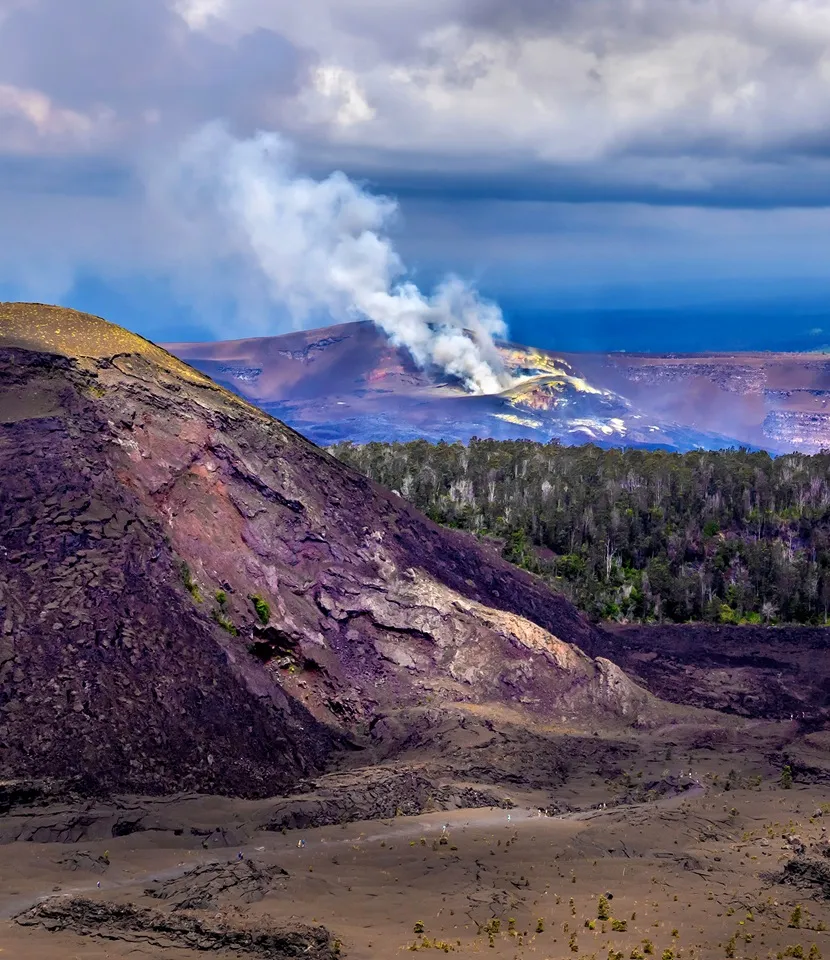
Kīlauea’s summit landscape offers a vivid introduction to the volcanic forces that have shaped the island. Start at the visitor information facilities and ask which overlooks and trails are open. Even when a particular viewpoint is accessible, conditions can change rapidly because of volcanic activity, gases, weather or maintenance.
The park protects far more than a crater view. The Nāhuku lava tube, when open, provides a different perspective on how lava moves through the landscape. Bring a light and wear shoes suitable for damp, uneven surfaces. Some trails and roads may be closed for safety; do not cross barriers in pursuit of an eruption view.
Kīlauea is also sacred to Native Hawaiians and associated with Pelehonuamea. Listen to park interpretation, respect cultural practices and leave rocks, plants and offerings undisturbed. An eruption is never guaranteed, and the official park alerts are the place to check the latest situation before driving out.
2. Haleakalā’s Summit District, Maui
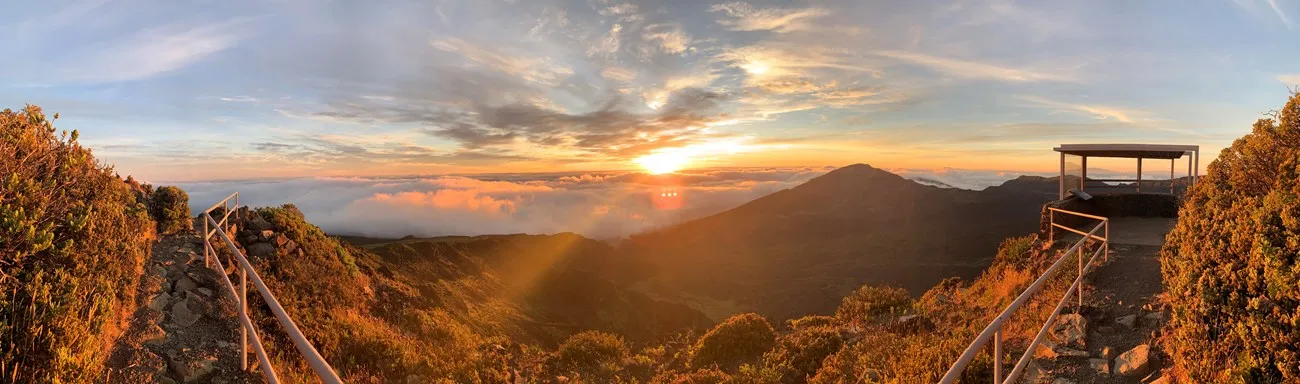
The summit of Haleakalā rises to 10,023 feet, where a visitor can encounter a volcanic landscape, rare native species and weather far colder than at the coast. The drive climbs through many changes in elevation; bring warm layers, water and sun protection even if the beach forecast looks pleasant.
Visitors entering the Summit District from 3 a.m. to 7 a.m. need a sunrise reservation under current NPS rules, separate from the entrance fee. Book through the official system and check the details before travel. A reservation does not guarantee clear skies or a particular parking space.
The mountain is sacred to Native Hawaiians. Arrive quietly, remain on open paths and respect cultural practitioners. If hiking into the summit landscape, remember that the return is uphill at altitude. A daytime overlook can be a rewarding choice for visitors who prefer not to make an early or strenuous trip.
3. Pearl Harbor National Memorial, Oʻahu
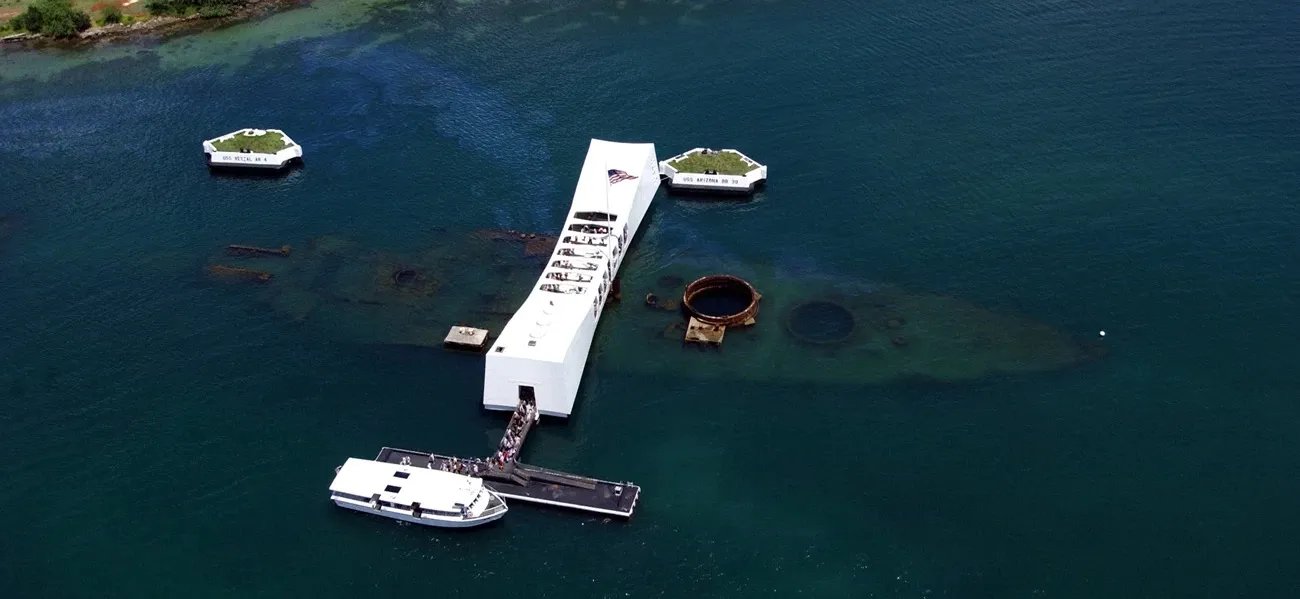
The USS Arizona Memorial marks the resting place of many service members killed in the attack on December 7, 1941. The visitor center’s exhibits provide context for the events and their consequences; allow time for the galleries and reflection as well as the boat program.
The National Park Service recommends reserving the timed memorial program through Recreation.gov. The program is free, with a reservation service fee, and the park no longer distributes same-day tickets in person. Limited standby may be offered but is not guaranteed. Arrive early, check the current bag policy and understand that weather or maintenance can affect boats.
Other Pearl Harbor historic sites have separate operators and admission arrangements. The memorial is a place of remembrance: speak quietly, follow staff instructions and give other visitors room to reflect. The park’s film is separate from the boat program, so check its schedule if you wish to include it.
4. Kaloko-Honokōhau National Historical Park, Hawaiʻi Island
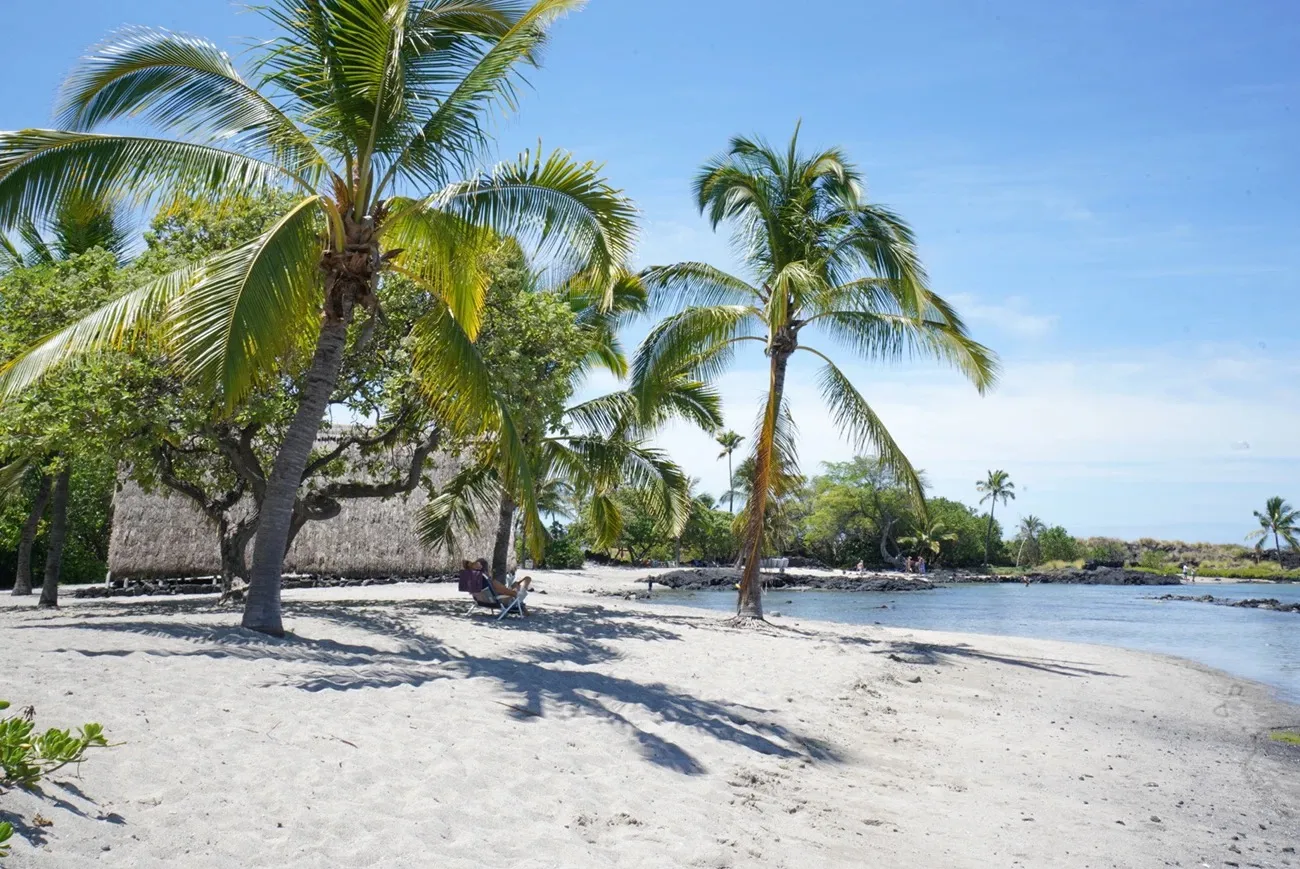
On the Kona coast, traditional fishponds and a fishtrap reveal Hawaiian knowledge of water, tides and food production. Start at Hale Hoʻokipa visitor center for a map and current access information, then choose the route that fits your group. Different entrances and parking areas have different hours.
Kaloko Fishpond’s stone wall and water-control features demonstrate a sophisticated coastal food system. At Honokōhau Beach, the ʻAiʻōpio Fishtrap is part of a landscape that also includes sacred structures and wildlife habitat. View cultural features from permitted areas and never move stones or disturb offerings.
Honu, or Hawaiian green sea turtles, may rest on the beach. The park asks visitors to stay at least 20 feet away; do not touch, feed or crowd them. Bring water and sun protection for exposed paths, and enjoy the shoreline while respecting the communities and species connected to it.
5. Puʻukoholā Heiau National Historic Site, Hawaiʻi Island
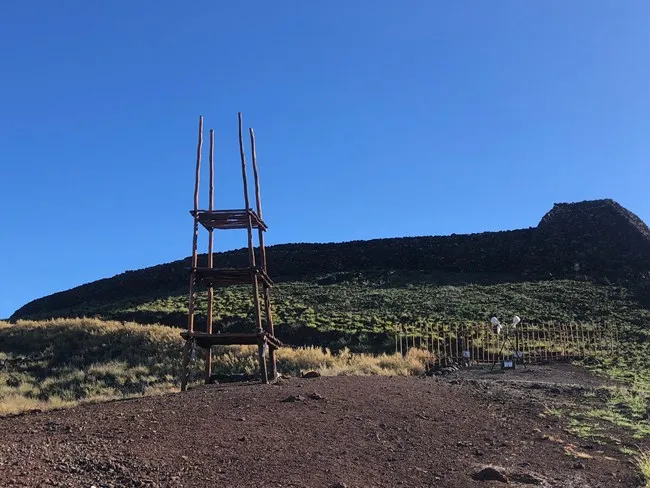
At Kawaihae, Puʻukoholā Heiau overlooks the coast and tells a story of Kamehameha I and the formation of the Hawaiian Kingdom. The NPS explains the temple’s sacred purpose and the traditions surrounding its construction in 1790–91. Begin with the visitor center exhibits or audio tour before following the designated route.
The neighboring Mailekini Heiau and the bay add further layers of history. The park describes Mailekini’s later use as a fort, while stories of Pelekane and Keōua Kūʻahuʻula reveal the human conflict of the period. Rangers may offer talks when staffing permits; ask about the day’s schedule.
Visitors do not enter the heiau. Stay on the trail, respect barriers and leave stones and offerings untouched. Check the site’s hours, parking-gate times and weather alerts before setting out; strong wind or storms can affect access.
These places are separated by ocean as well as distance. Choose a realistic schedule, consult each park’s current alerts and consider the needs of local communities when traveling between stops. A slower visit leaves more time to learn and makes a better foundation for returning.